REVIEW · AMSTERDAM
“The 10 Most Polluted Masterpieces: A Sustainable Digital Tour”
Book on Viator →Bookable on Viator
Art pollution has a surprising story. This online, digital tour in Amsterdam takes on some of the most damaged paintings out there and uses that tension to teach conservation and sustainability. I like the guided, avatar-led format that keeps things moving, and I like that it stays focused on the why behind conservation rather than just showing images. One drawback to think about: the whole experience is tied to a tight 5:00–5:30 PM weekday window in October, so it may not fit your schedule.
You start at an address in central Amsterdam, but the experience itself is online—you just show up at the scheduled time. You get a mobile ticket, it’s offered in English, and it runs as a private activity so it’s only your group.
For the price, $12.51 for a short session feels like solid value because you’re buying a guided, topic-specific art lesson. You’re not getting a museum wander; you’re getting a structured sustainability-and-care conversation that’s easy to slot in after a day of exploring.
In This Review
- Key highlights you should know before you join
- A quick online art lesson about conservation in Amsterdam
- Price and timing: why $12.51 makes sense for a focused 10–30 minutes
- How the avatar-led digital format works (and how to prepare)
- The 10 most polluted masterpieces: what you’re actually learning
- Meeting point details in central Amsterdam (and why it still matters online)
- Who should book this digital sustainability art tour?
- Should you book it?
- FAQ
- Where is the meeting point for this tour?
- Is the tour online or in-person?
- What language is the digital tour offered in?
- How long does the experience take?
- Is this a private tour?
- Do I get a mobile ticket?
- Are service animals allowed?
- Is the experience wheelchair or mobility friendly?
- What are the available dates and times?
- What is the cancellation policy?
Key highlights you should know before you join
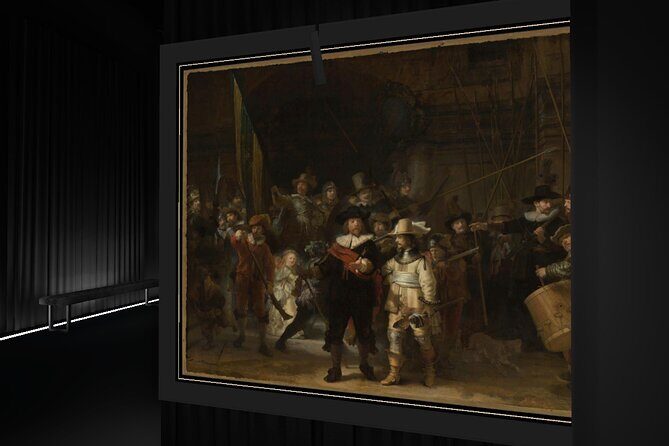
- Avatar guide + interactive flow: you’re not just watching; you’re following prompts as the tour moves through the ten paintings.
- Ten-painting structure: the big theme stays consistent—pollution impacts, conservation thinking, and sustainability takeaways.
- English language delivery: designed for clarity, not art-history trivia.
- Private tour format: only your group participates, which usually helps you stay engaged.
- Short time window: plan for about 10 to 30 minutes, not an all-evening commitment.
A quick online art lesson about conservation in Amsterdam
This is the kind of tour that works when you want something meaningful but don’t want to spend your whole day standing in lines. In Amsterdam, you’re staring at a familiar idea—paintings as culture, beauty, legacy—then the tour flips the question. What happens when the artwork is affected by pollution over time? The answer becomes the path.
The tour is built around the idea of the 10 most polluted masterpieces, presented through a digital, interactive environment. That matters because it makes the topic more than doom-and-gloom. Instead of treating damage as a dead end, the tour frames conservation as an ongoing practice: monitoring, preventing, and caring for what’s already there.
What I like most is that the concept is simple. You’re not asked to be an expert. You just follow the guide and let the theme do the teaching. And because the session is private, it feels more personal than an open-ended public event where people drift in different directions.
If you’re the type who enjoys short, focused learning stops—like a great talk at a museum rather than a long self-guided audio tour—this format is a good match. You’ll likely come away with clearer thinking about why conservation is a sustainability issue, not just an art-world hobby.
You can also read our reviews of more tours and experiences in Amsterdam.


Price and timing: why $12.51 makes sense for a focused 10–30 minutes
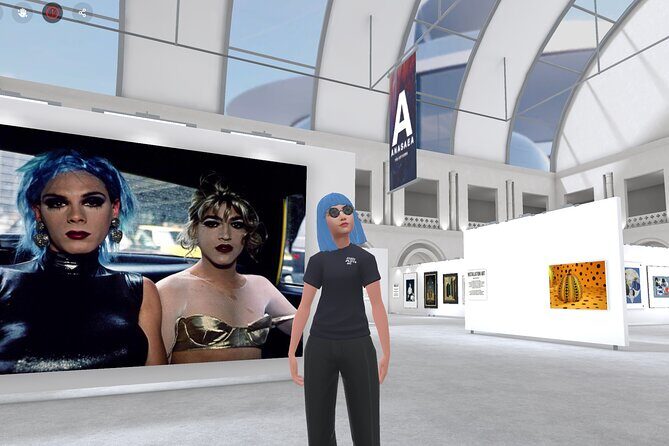
At $12.51 per person, you’re paying for a guided, structured experience rather than time in a big facility. That can be good value, especially since the duration is listed as about 10 to 30 minutes. This is the sort of activity you can treat like a “teachable moment” between bigger sightseeing blocks.
Now, here’s the practical part: the schedule is tight. In October 2026, the experience runs Monday through Friday from 5:00 PM to 5:30 PM. If you’re traveling with a loose plan, that’s fine. If you’re the type who tries to cram in a perfect itinerary, you’ll need to build around this window.
Also, since it’s online, you avoid a lot of the typical friction: no timed-entry queue at a museum door, no figuring out what you need to reserve on-site. Still, online tours have their own rhythm. You’ll want to make sure your device is charged and ready and you can settle down with minimal distractions during the session.
So is it worth it? For me, the “yes” comes from the fit. You’re paying a modest price for a conservation-and-sustainability theme delivered in a guided way, and the time commitment is small. If you want a deep, multi-hour museum dive, this won’t replace that. If you want a compact, thoughtful art lesson with structure, it’s priced in the right zone.
How the avatar-led digital format works (and how to prepare)
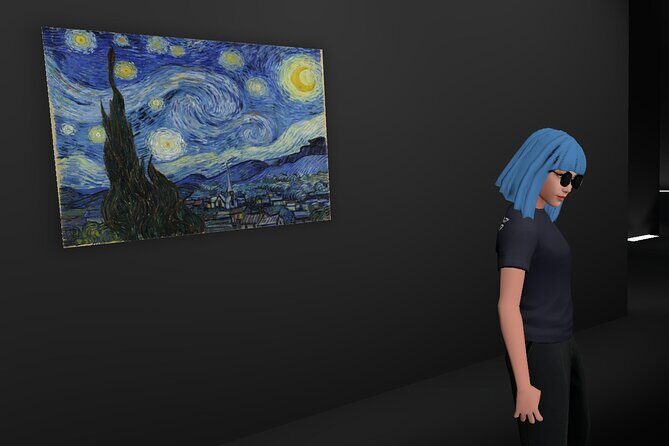
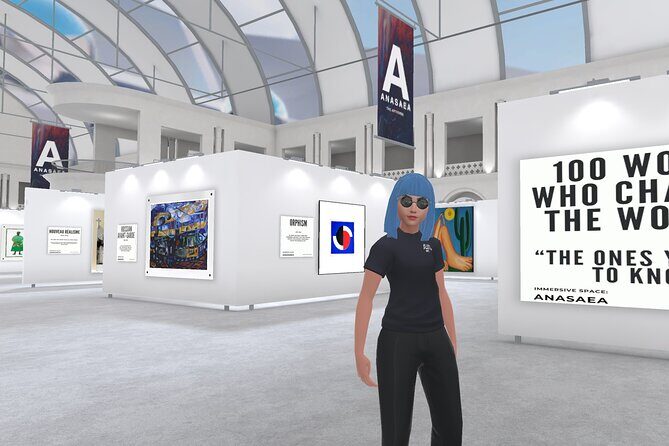
The tour guide is logged in as an avatar, and you follow along in an interactive digital environment. That’s a big detail because it affects expectations. This isn’t a live lecturer pacing a room. It’s guided storytelling in a virtual space where you’ll likely click through prompts or follow the guide’s direction.
What you’ll enjoy most about this style is consistency. The avatar guide keeps the flow on track, so you’re less likely to end up lost in open-ended content. You also don’t need to hunt for information, which is great if you’re tired after a day of sightseeing.
Here’s what you should prepare so it goes smoothly:
- Bring headphones if you can. Even if the audio is clear, headphones help keep the session focused.
- Use a stable internet connection. If your signal is weak, the experience can feel choppy.
- Have your mobile ticket ready. The tour explicitly uses a mobile ticket, so don’t wait until the last second to locate it.
One more practical note: it’s listed as a private tour/activity, meaning only your group participates. That can make the experience feel more like a curated lesson for your party rather than a public session where you share attention with strangers.
And yes, it’s in English. If you’re traveling with non-native speakers, this is a relief. You won’t need to guess at meaning or rely on translations made for a museum guide rather than a real-time experience.
The 10 most polluted masterpieces: what you’re actually learning
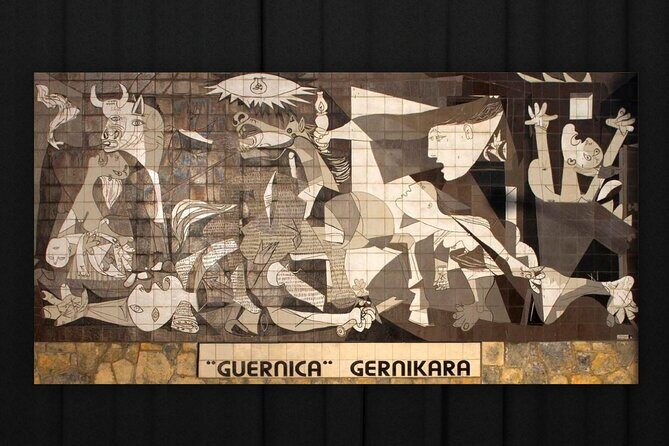
The tour’s core promise is to focus on the top 10 most polluted paintings and use them as a teaching tool for sustainability and conservation. That means the paintings aren’t just “what to look at.” They’re evidence—of how environmental conditions can affect works over time.
Even without specific painting titles provided here, you can expect the story to connect three threads:
- What pollution does to art over time
- How conservators respond (the care methods and thinking behind preservation)
- Why sustainability matters in that care work—because conservation is part of long-term stewardship
Think of it like learning the logic behind conservation rather than memorizing facts. You’re encouraged to see artworks as fragile systems. That’s a mindset shift, and it’s often where the value is. Once you understand what’s at risk, you naturally start noticing how museums manage light, climate, handling, and long-term protection.
This is also where reviews (the ones included here) point in a helpful direction: people liked that the guide could explain ideas clearly and that the conversation included the thought process behind the art and its interpretation. In other words, the tour isn’t just a slideshow. It’s meant to be understandable, and it pushes you to connect the theme to real-world conservation concerns.
One more thing: because the session is short (10–30 minutes), it’s designed to be a first understanding, not a final exam. You’ll likely leave with a sharper eye for conservation questions, and you’ll know what to look up later if you want to go deeper.
Meeting point details in central Amsterdam (and why it still matters online)
You’ll see a start address in central Amsterdam: Paleisstraat 107, 1012 ZL Amsterdam, Netherlands. The experience itself is described as online, so the address functions more like the listed meeting location tied to the booking.
Even though it’s online, this still matters for two reasons:
- It anchors the time and local context. Your session is tied to the Amsterdam schedule window.
- The tour is listed as near public transportation, which helps if you want to come to the area beforehand, grab a coffee, and get your bearings.
What I recommend: treat the address as your “anchor point” for planning your day, even if you won’t be meeting in a physical room. Plan to be settled and ready a few minutes early. If you’re starting right at 5:00 PM, you don’t want to be rushing for Wi-Fi or standing outside trying to find your ticket.
Also, it ends back at the meeting point. Since this is online, that likely just means the tour session concludes where it started in the booking flow. Either way, you can plan your next stop right after the session without needing to travel across town.



Who should book this digital sustainability art tour?
This experience fits best if you fall into at least one of these groups:
- Art lovers who want meaning, not just images. If you care about how artworks survive, you’ll probably appreciate the conservation angle.
- People who like structured learning in a short burst. The 10–30 minute window is ideal when you’re busy or tired but still want something worthwhile.
- Travelers curious about virtual-world interpretation. The format centers on a digital environment, and the guide’s avatar approach makes it feel like a new way to talk about old material.
- Groups who want privacy. Since it’s private and only your group participates, it can work well for friends who want a calm, focused session.
Who might not love it? If you want a full museum experience—building-by-building context, galleries, and time to wander—this won’t replace that. It’s a focused lesson, not a long evening cultural route.
If you’re visiting Amsterdam and already have a full plan, this can still be a smart addition. It’s small in time, clear in topic, and it gives you a new lens for seeing conservation as part of sustainability.
Should you book it?
I’d book it if you want a compact, guided art experience that takes pollution seriously and treats conservation as a practical responsibility. The value is strongest when you match the format to your travel style: you’re looking for a focused session, in English, with a clear theme, and you don’t want a huge time commitment.
I would skip or hold off if you can’t make the schedule window (Mon–Fri in October 2026 from 5:00 PM to 5:30 PM) or if you strongly prefer in-person museum time. Also, if online sessions frustrate you due to tech issues, make sure you can troubleshoot quickly—at least bring a charged device and a reliable connection.
For the right traveler, this is an easy yes: small cost, short length, and a thoughtful topic you can carry with you the moment you start looking at art differently.
FAQ
Where is the meeting point for this tour?
The meeting point is listed at Paleisstraat 107, 1012 ZL Amsterdam, Netherlands. The experience itself is online, so you’ll join at the scheduled time.
Is the tour online or in-person?
It’s described as a digital tour with an online meeting point. You should be there at the scheduled time for the experience.
What language is the digital tour offered in?
The tour is offered in English.
How long does the experience take?
The duration is listed as approximately 10 to 30 minutes.
Is this a private tour?
Yes. It’s described as a private tour/activity, and only your group participates.
Do I get a mobile ticket?
Yes. The tour includes a mobile ticket.
Are service animals allowed?
Yes, service animals are allowed.
Is the experience wheelchair or mobility friendly?
The information provided says most travelers can participate, but no specific mobility or wheelchair details are listed here.
What are the available dates and times?
It’s offered during 10/01/2026 to 10/31/2026, Monday through Friday, from 5:00 PM to 5:30 PM.
What is the cancellation policy?
You can cancel for a full refund up to 24 hours in advance of the experience’s start time. If you cancel less than 24 hours before, the amount paid isn’t refunded.