REVIEW · AMSTERDAM
Liberal Amsterdam: Small-Group Walking Tour & Anne Frank VR
Book on GetYourGuide →Operated by EcoEcho tours · Bookable on GetYourGuide
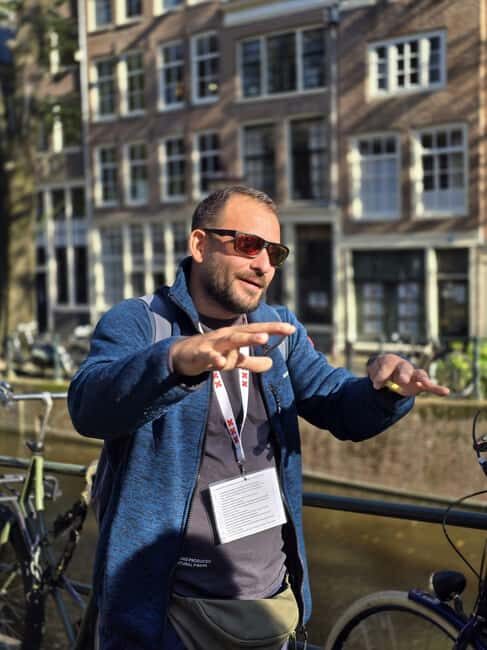
This tour talks like a neighbor. I love Antonis’s storytelling—humor, chalk drawings, real questions—and the way the route mixes WWII weight with everyday Amsterdam details like leaning houses and bridge-side secrets. You’ll also get a warm coffee break plus an optional Anne Frank VR moment to give the history a different angle. One consideration: it’s not wheelchair-friendly, and the walk involves uneven canalside streets and bridges.
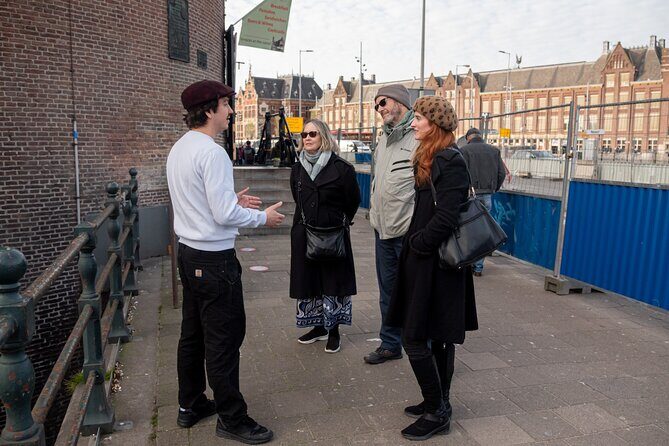
I also like that this is built for a small group (max 6), so you’re not herded or yelled over. Expect a relaxed pace with plenty of stops to look, think, and ask questions in English, finishing with Polaroid and a stamped postcard as keepsakes.
In This Review
- Key takeaways before you go
- Why this Liberal Amsterdam walk feels like a real conversation
- Meeting point at De Silveren Spiegel (Kattengat 4-6): start in the heart of the story
- HIV/AIDS Monument to Amsterdam Centraal: learning Amsterdam’s systems, not just landmarks
- Tony’s Chocolonely Super Store and the bridge-to-history contrast
- Aluminium Bridge and Staalmeestersbrug: leaning houses, canal life, and the water lesson
- Jewish Quarter streets: WWII hiding stories in small doses
- Magere Brug and Blauwbrug Bridge: the canal scenery is part of the message
- National Holocaust Names Monument: the built-in pause that matters
- Zuiderkerk and Nieuwmarkt Square: where the WWII story connects to daily life
- Finish near Waag, then back to the meeting area: Polaroid memory and postcard proof
- The coffee break and optional Anne Frank VR: why the headset matters (or not)
- Price and value for a 3-hour small-group walk
- Pacing, what to wear, and who will enjoy it most
- Should you book Liberal Amsterdam: Small-Group Walking Tour & Anne Frank VR?
- FAQ
- How long is the Liberal Amsterdam tour?
- Is the Anne Frank VR part required?
- How large is the group?
- Where do I meet the guide?
- Where does the tour end?
- What’s included in the price?
- Is anything like snacks or lunch included?
- What language is the tour in?
- Is the tour wheelchair accessible?
Key takeaways before you go
- Antonis guides the tone: WWII facts, but told with human scale, not textbook vibes.
- The city’s engineering shows up: water management connects to houseboats and why houses lean.
- Bridges are history markers: the walk uses canals as a map for survival stories.
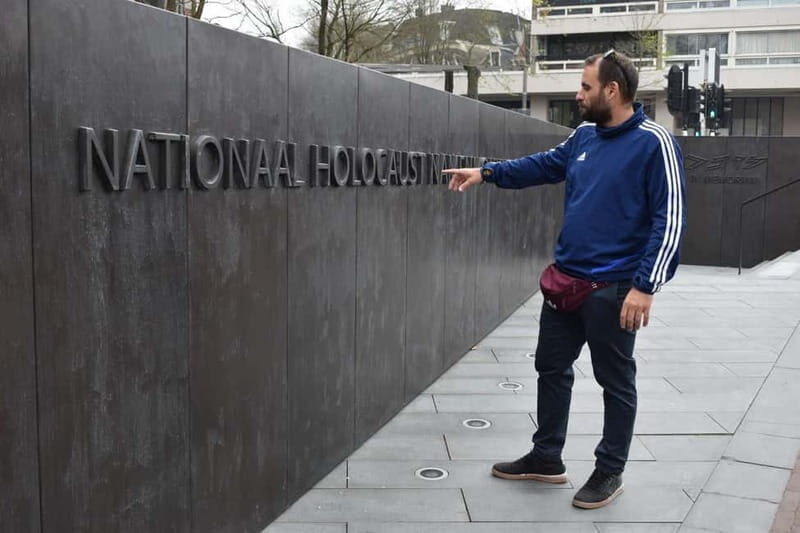
- Holocaust reflection is built in: you pause at the National Holocaust Names Monument.
- Anne Frank VR is optional: one headset is passed around, more conversation-starter than show.
- You leave fed and set: coffee, bottled water, a local sweet, plus bar and restaurant tips.
Why this Liberal Amsterdam walk feels like a real conversation
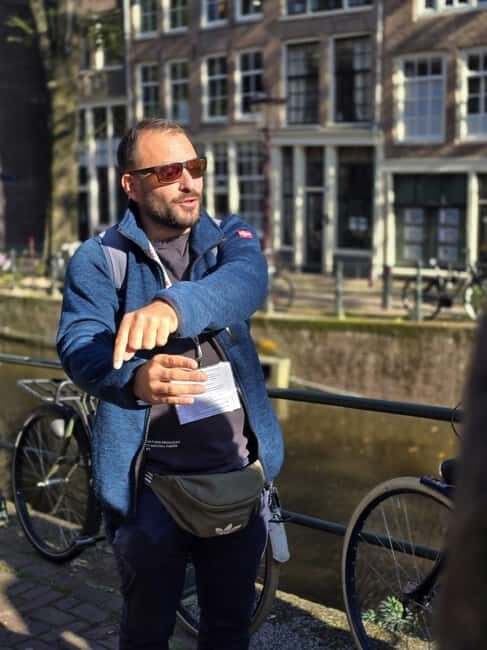
Amsterdam can be loud with tourists, but this tour slows you down. It’s not framed like a lecture. Antonis talks to the group, checks what you’re curious about, and uses books and chalk drawings to make the ideas stick. The result is that you feel like you’re walking with someone who cares about the city’s choices—freedom, compassion, resistance—and how those choices played out when things turned brutal.
What I like most is the balance. You’ll get the serious WWII thread—Jewish history, hiding places, and a Holocaust memorial pause—without turning every street corner into gloom. You’ll also get why Amsterdam works as a society: how water management shaped daily life, how the Dutch educational system gets credit for progress, and why liberal culture shows up in everyday places, from quirky civic details to the way people live with canals.
Still, don’t schedule this right after a late-night party. The content includes Holocaust remembrance, and even with the lighter humor, you’ll want a clear head for the memorial moment.
You can also read our reviews of more walking tours in Amsterdam

Meeting point at De Silveren Spiegel (Kattengat 4-6): start in the heart of the story
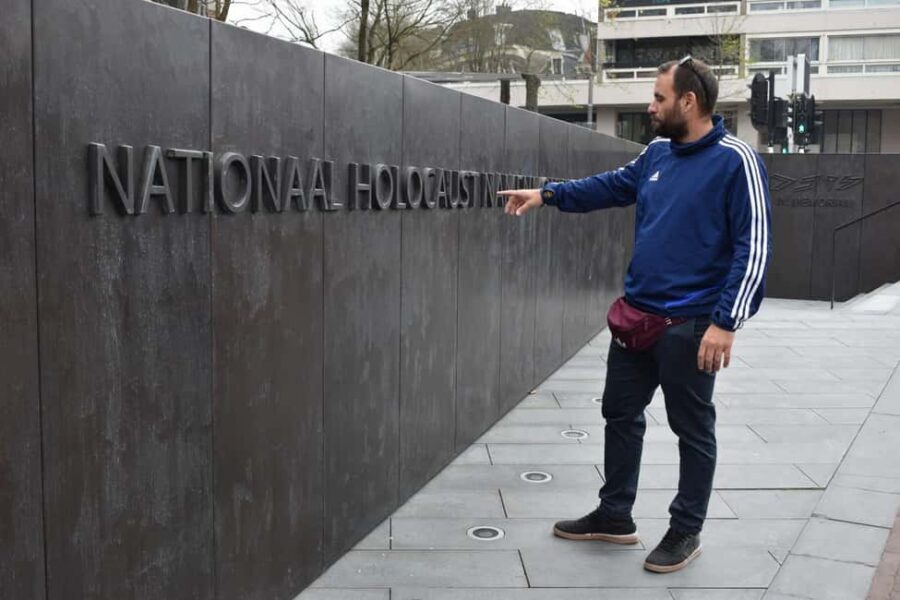
The tour starts outside De Silveren Spiegel at Kattengat 4-6. That’s a good choice because you’re dropped into a neighborhood where Amsterdam feels lived-in, not just staged. It also helps you get oriented fast—this walk covers central spots, canals, and a few key bridges, so you’ll want to settle your sense of direction early.
Right away, you’ll get a quick framing: what “liberal Amsterdam” means in practice—how open-minded values and social responsibility connect to real historical moments. Antonis uses questions as a warm-up, so you’re not just waiting for facts to arrive.
Practical tip: wear comfortable shoes. You’re walking for about two hours total, and the route includes bridges and canal-side pavement that can be slick on damp days.
HIV/AIDS Monument to Amsterdam Centraal: learning Amsterdam’s systems, not just landmarks
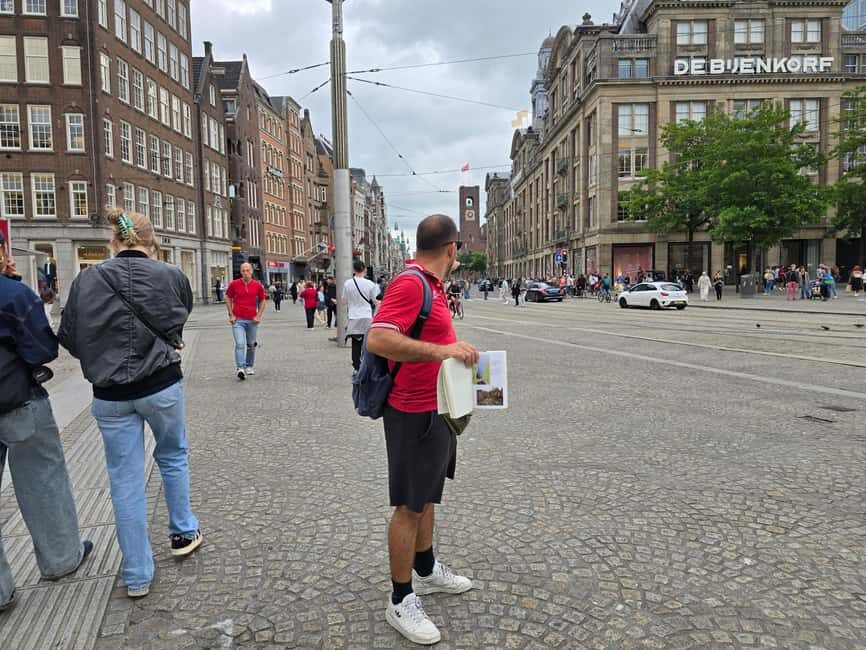
Stop 2 is the HIV/AIDS monument, with a photo stop and a short guided moment. This is a reminder that Amsterdam’s story isn’t only wars and paintings. It’s also about public health, activism, and how societies respond when they choose care over denial.
Then you head to Amsterdam Centraal Station for a guided photo stop. Centraal is busy and iconic, so it can be hard to hear anything if you don’t anchor your attention. Here, the station works as a “systems” pause: a place where movement, migration, and modern life all cross paths. Antonis ties it back to the broader theme—how Amsterdam’s liberal values show up when people are connected to the wider world.
If you’re the type who only wants Instagram stops, this part might feel less flashy. But if you like understanding why a city functions the way it does, you’ll appreciate it.
Tony’s Chocolonely Super Store and the bridge-to-history contrast
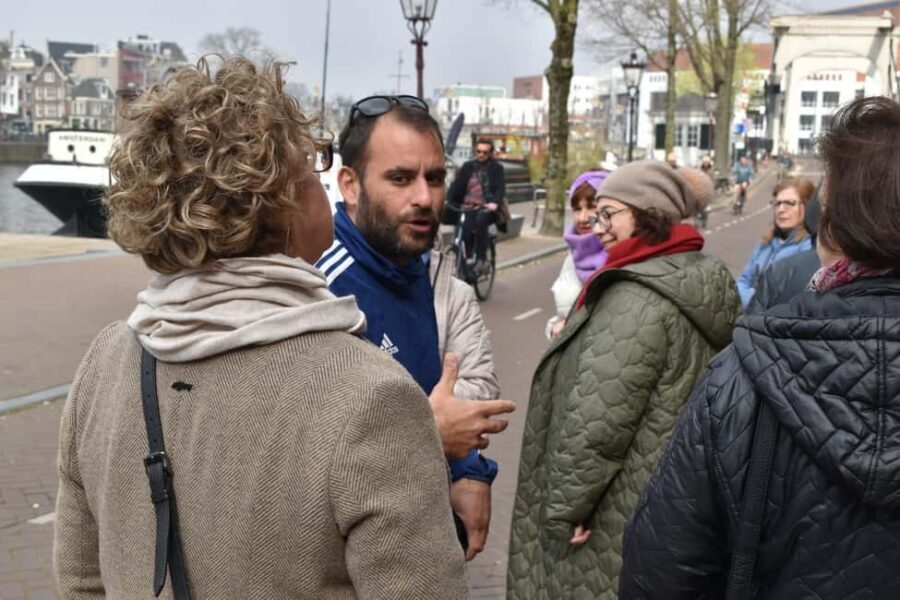
You’ll make a short stop at Tony’s Chocolonely Super Store. It’s quick—more photo and context than a shopping spree—and it fits the tour’s rhythm. Amsterdam isn’t just serious heritage; it’s also the way modern brands talk about ethics and responsibility.
In a tour like this, that matters. The WWII story is heavy. A brief sweet-themed break gives your brain somewhere to land before you go back into history mode.
One practical note: snacks and drinks beyond what’s included aren’t part of the package, so if you want extra chocolate on top of what you’ll get later, plan for it.
Aluminium Bridge and Staalmeestersbrug: leaning houses, canal life, and the water lesson
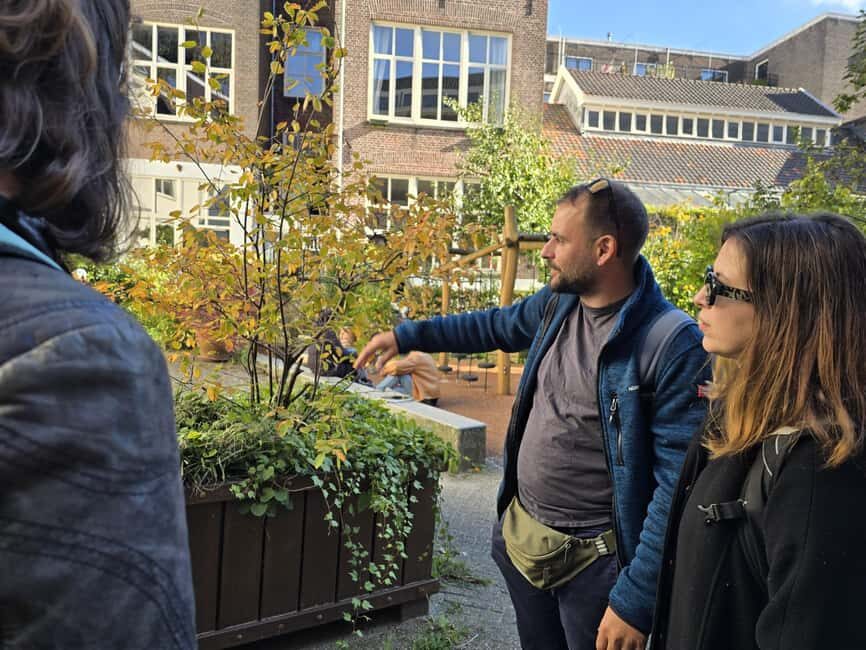
After Centraal and the quick chocolate stop, the tour leans hard into the city’s physical logic.
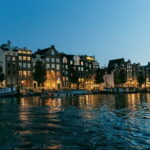
You’ll spend time around Aluminium Bridge and Staalmeestersbrug, with guided sightseeing and photo moments. This is where Antonis explains water management in a way that clicks. In Amsterdam, the canals aren’t decoration. They are infrastructure—part of how the city stays alive, how neighborhoods develop, and how people build and live.
You’ll also learn about leaning houses and the charm of living on a houseboat. The point isn’t just to marvel at odd angles. It’s to understand that Amsterdam’s architecture grew around water reality, not in spite of it. When houses lean, it’s not a random quirk—it’s a sign of how the city’s foundations interact with their environment.
If you’ve ever wondered why Amsterdam feels both fragile and confident at the same time, this is the section that answers it.

Jewish Quarter streets: WWII hiding stories in small doses
Stop 7 takes you into the Jewish Quarter for a guided segment. This is where the tour shifts into WWII resistance and human survival stories. You’ll move through streets that many visitors rush past, and Antonis points out details that make the past feel close without turning it into spectacle.
Along the way, you may pass quiet corners connected to the Red Light District area, but the tour frames it through context and history, not shock value. That’s a key difference. You’re not there to gawk; you’re there to understand how Amsterdam has carried multiple layers of society through time.
This part can be emotionally intense. If you’re sensitive to memorial themes, give yourself permission to take breaks for breath and questions.
Magere Brug and Blauwbrug Bridge: the canal scenery is part of the message
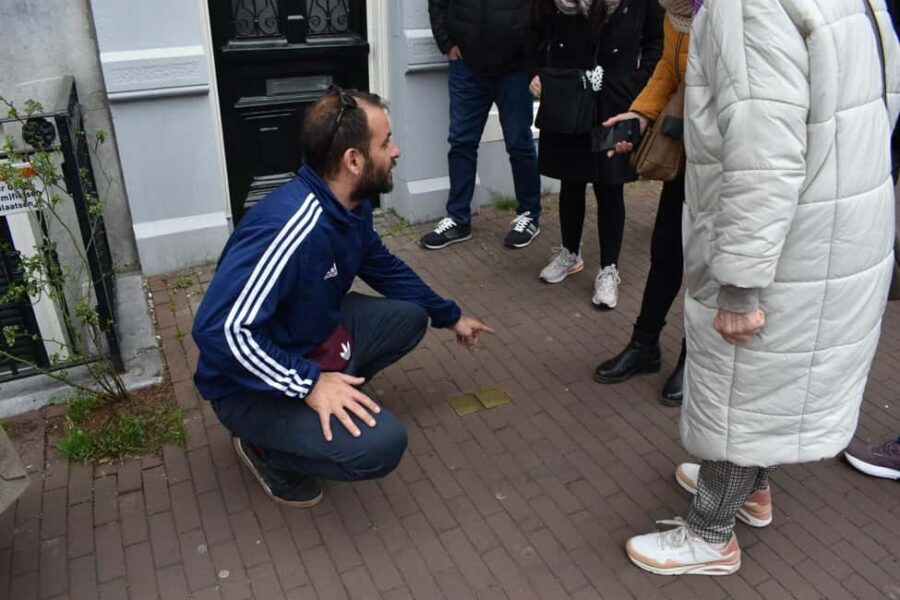
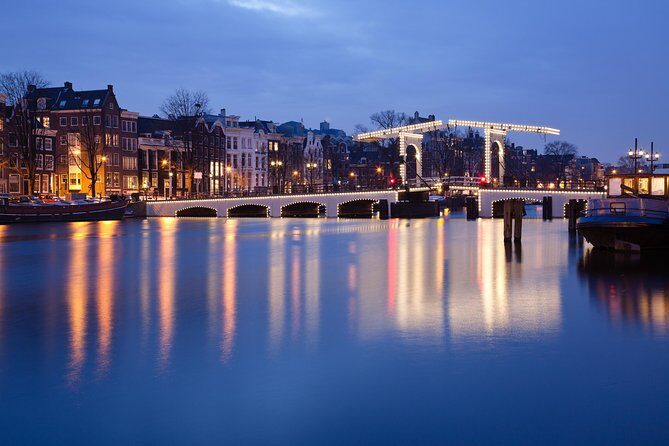
You’ll hit Magere Brug for a guided photo stop and then later Blauwbrug Bridge for another photo-and-sightseeing moment. Bridges are a smart choice for storytelling because they force you to look at how the city is connected. In Amsterdam, connections can be literal escape routes, hiding places, and routes of daily life.
Here, the bridges support the tour’s theme: how liberal culture and compassion mattered, even when the world turned dangerous. They also give you a visual reset—after a concentration of history, you get a chance to look outward and see Amsterdam’s layout as a living system.
Don’t worry if you’re not great at photography. The guided pace is relaxed, with time to look and listen.
National Holocaust Names Monument: the built-in pause that matters
Stop 9 is the National Holocaust Names Monument, with guided time. This isn’t just a photo stop. You’ll get a guided briefing and a reflective moment that helps you understand what the names represent and why remembrance is more than a single day.
This is the moment where the tour’s conversational style matters most. Even with humor earlier in the walk, Antonis keeps this part respectful and grounded. You’ll likely find yourself thinking about how ordinary streets can carry extraordinary loss—and how societies try to honor the people behind the statistics.
If you want a practical way to prepare: bring a calm attitude. You don’t need to be solemn, but you do need to be present.
Zuiderkerk and Nieuwmarkt Square: where the WWII story connects to daily life
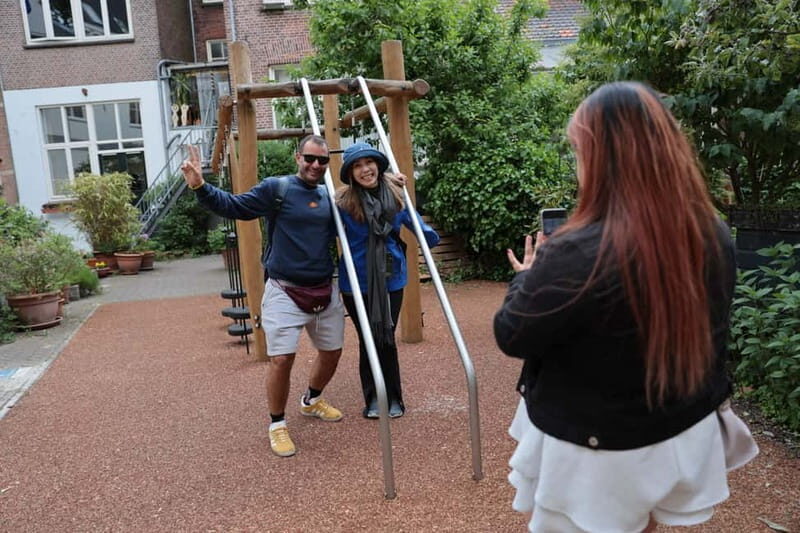
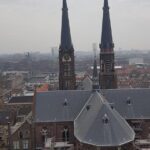
Next, you’ll make your way to Zuiderkerk for a photo stop and guided sightseeing. Then it’s Nieuwmarkt Square for a longer guided segment. These are recognizable areas, but the tour doesn’t treat them like stage sets.
Instead, Antonis connects the dots between built landmarks and lived experiences. You’ll hear about the city’s social culture and community through time, not just events. That’s where his approach—books, chalk drawings, and real questions—helps you understand Amsterdam as a place people built their hopes in, even while facing fear.
Nieuwmarkt also works as an emotional “bridge” in the route: after the memorial, you shift back toward city life, so the WWII story doesn’t swallow the day.
Finish near Waag, then back to the meeting area: Polaroid memory and postcard proof
The tour finishes at Waag. After that, it ends back at the original meeting area, so the day closes where you started.
This timing helps you avoid that awkward moment of wandering off unsure where you are. It also sets you up for the keepsakes portion.
You’ll receive a mini Polaroid photo taken during the experience, plus a unique postcard of Amsterdam with a personalized handwritten message and an official stamp. These aren’t random souvenirs. They’re a neat reminder that the tour is built around human connection, not just sightseeing.
The coffee break and optional Anne Frank VR: why the headset matters (or not)
About two hours into the walk, you shift into the break portion. Coffee is included, and you’ll get bottled water plus a local sweet surprise (often chocolate or Dutch cookies, depending on the day).
This pause is valuable because it’s where you can ask your lingering questions while you’re not moving. You’ll also get insider recommendations from your guide—practical suggestions for nearby bars and restaurants. That’s the kind of tip that saves you time later.
Then comes the Anne Frank VR portion. The key detail: it’s totally optional. There’s just one headset, and it’s passed around. It’s not presented like a scheduled show. Instead, it’s more of a conversation starter. If you want the virtual visit to the Secret Annex at the end, you can try it while the group chats and unwinds.
This setup is also practical. VR tours can feel awkward when you’re worried you’ll miss something. Here, because it’s shared and low-pressure, you can choose what fits your comfort level.
Price and value for a 3-hour small-group walk
At $33 per person, this is priced like a budget-friendly guided experience—especially because it includes more than just walking time. You’re paying for a guide, a coffee break, bottled water, a local sweet surprise, and extra items like the mini Polaroid and the stamped postcard.
You’re also getting the Anne Frank House VR experience in a low-stress way, without a formal ticket approach. Even if you skip VR, the rest of the tour still gives you a structured way to see WWII-linked Amsterdam with context and pacing.
Also, small group matters. With a limit of 6 participants, you’re more likely to actually ask questions and get direct answers. That turns the tour from a route you follow into a conversation you participate in.
Pacing, what to wear, and who will enjoy it most
The walking pace is relaxed, with pauses for stories, questions, and laughter. It’s designed for people who want meaning more than speed.
Bring:
- Comfortable shoes
- Water (you’ll have bottled water during the tour)
- A camera, if you like photos of bridges and streets
- Weather-appropriate clothing
Who this suits best:
- Curious travelers who want Amsterdam’s WWII story explained in human terms
- Solo travelers and couples who like asking questions in a small group
- People who care about liberal culture—how values show up in daily life, not just politics
Who should consider other options:
- Wheelchair users (it’s not suitable)
- Anyone who really dislikes reflective memorial moments, since the National Holocaust Names Monument is part of the route
- People who want a purely sightseeing-focused tour with zero heavy context
Should you book Liberal Amsterdam: Small-Group Walking Tour & Anne Frank VR?
I’d book it if you want a guided Amsterdam that’s more thoughtful than typical canal-photo tours. Antonis’s approach—humor plus serious context—makes the WWII material easier to hold without turning it into either propaganda or trivia. The small group size, coffee break, and the optional VR add real value, not just extra time.
Skip it only if you can’t handle Holocaust remembrance content, or if your mobility needs make uneven canal-side walking a problem. Otherwise, this is one of the better ways to understand Amsterdam’s liberal soul while still seeing the bridges, squares, and streets that give the city its feel.
FAQ
How long is the Liberal Amsterdam tour?
The tour is 3 hours total, with about 2 hours walking and 1 hour for the coffee break plus the VR session.
Is the Anne Frank VR part required?
No. The VR visit is totally optional. There is just one headset, and it’s passed around only if people want to try it.
How large is the group?
The tour is a small group limited to 6 participants.
Where do I meet the guide?
You meet outside the restaurant De Silveren Spiegel at Kattengat 4-6.
Where does the tour end?
It ends at Waag, and the activity also finishes back at the original meeting point area.
What’s included in the price?
You get a local guide, coffee break, bottled water, a local sweet surprise (for example chocolate or Dutch cookies), a mini Polaroid photo, and a unique postcard with a personalized handwritten message and an official stamp. You also receive a list with recommendations.
Is anything like snacks or lunch included?
Only coffee and the sweet surprise are included. Snacks and drinks beyond that are not included.
What language is the tour in?
The tour is offered in English.
Is the tour wheelchair accessible?
No, it is not suitable for wheelchair users.