REVIEW · AMSTERDAM
History & culture tour in Amsterdam with a local
Book on Viator →Operated by Guidance Travel · Bookable on Viator
Amsterdam tells its story on foot. This history and culture walk with a local guide strings together the places that shaped the city, from fishing-village origins to a station that still screams connection. You also get a small group feel, plus a sweet pause for a classic Dutch Stroopwafel.
I especially like how the tour keeps you moving while still slowing down at the right spots to explain what you’re actually looking at. The guided stops are short, so you don’t get bored, and you leave with a better sense of how Amsterdam fits together today.
One thing to consider: this is a walking tour with brief stop times, so it’s more about orientation and key context than a long, sit-down look at any single site.
In This Review
- Key things to know before you go
- Beursplein to Dam Square: From City Origins to a Dam-Led Power Story
- Begijnhof: A Calm Courtyard That Explains Amsterdam’s Tolerance
- The House on Three Canals and the Bicycle Bridge Idea
- Nieuwmarkt: City Gates, Guilds, and the Dancing Houses
- Zeedijk: Chinatown’s Rise, Fall, and Reinvention
- Centraal Station Finale: Architecture as a Symbol of Connection
- Price and Value: What $30.07 Buys You for Two Hours
- The Human Factor: Guides Who Can Adjust to Your Pace
- Who Should Book This Tour (and Who Might Want Another Option)
- Should You Book It?
- FAQ
- How long is the walking tour?
- Is the tour offered in English?
- How big is the group?
- Where does the tour start?
- Where does the tour end?
- Are the stops included with admission fees?
- What kind of experience is it during the walk?
- Is a Stroopwafel included?
- Do I get a ticket on my phone?
- What accessibility is mentioned?
- FAQ
- What happens after I book?
- Can I cancel for a full refund?
- What should I do about timing during a busy day?
- Is it near public transportation?
Key things to know before you go
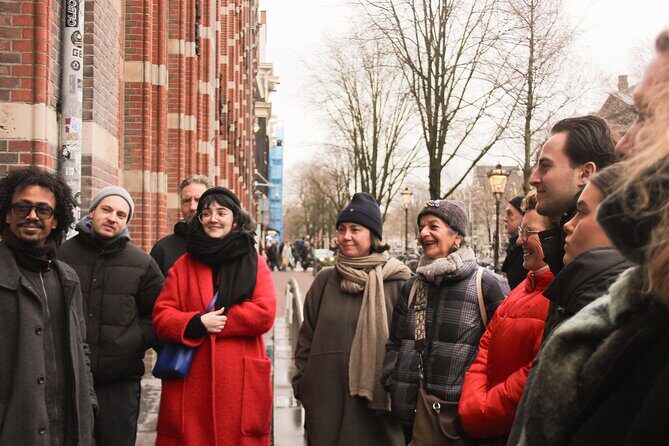
- Small group size (max 15) means you can ask questions and actually hear answers.
- English-only delivery keeps the story clear for most visitors.
- Multiple free admission stops, so you’re not juggling extra tickets mid-walk.
- You get a Stroopwafel treat during the experience, not just photo ops.
- A smart route that layers city origins, religious history, trade, and modern identity.
Beursplein to Dam Square: From City Origins to a Dam-Led Power Story
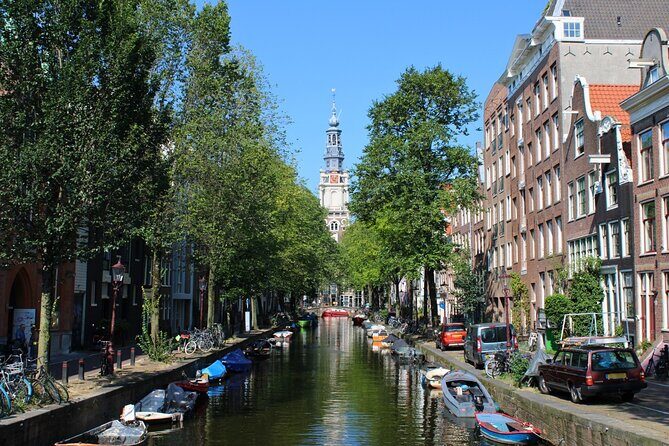
Your walk starts at Beursplein (1012 JW Amsterdam), an easy launching point if you’re also using public transport. The first stretch is about city roots: you’ll learn how Amsterdam began as a fishing village and grew into the center of the global economy in the 17th century. That one idea changes how you read almost everything you see afterward—suddenly the city feels less random.
Then the route moves to Dam Square, the kind of place that looks simple until someone explains why it matters. You’ll hear about Dam Square’s significance in how the city formed, plus you’ll get a view of the Royal Palace on the Dam. The guide also connects the square to the Second World War, which gives you that rare mix of architecture + real-world history in a small area.
Practical note: Dam Square is an active public space. Expect a bit of foot traffic. The guide’s job here is to keep you oriented—so be ready to listen while you walk.
You can also read our reviews of more historical tours in Amsterdam



Begijnhof: A Calm Courtyard That Explains Amsterdam’s Tolerance
Next up is the Begijnhof, and I love how this stop switches gears from big civic spaces to a quiet, human-scale courtyard. You’ll hear the religious history behind the place and learn what it reveals about Amsterdam’s tolerance. It’s the kind of story that clicks because the setting supports it: you’re not just learning facts, you’re standing in a calmer pocket of the city while the guide explains the context.
One of the most concrete moments here is seeing one of the oldest houses in Amsterdam, including one of the two wooden cottages. That detail matters because it makes “history” feel physical. You can point at what you’re seeing and understand why it’s talked about.
Possible drawback: this is a serene stop, so there’s not a ton of time for lingering. If you’re the type who wants to read every sign slowly, you’ll need to come back later on your own.
The House on Three Canals and the Bicycle Bridge Idea
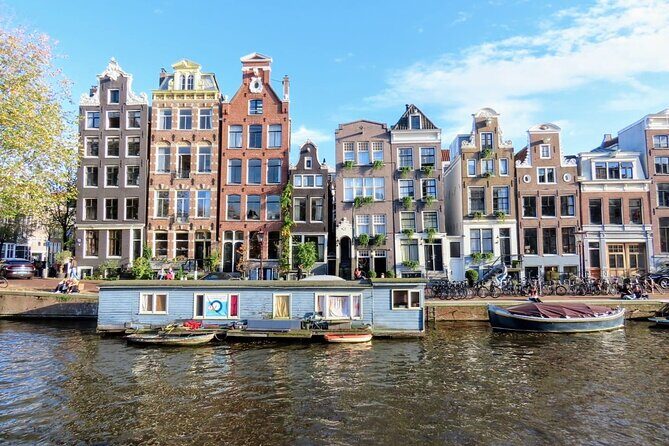
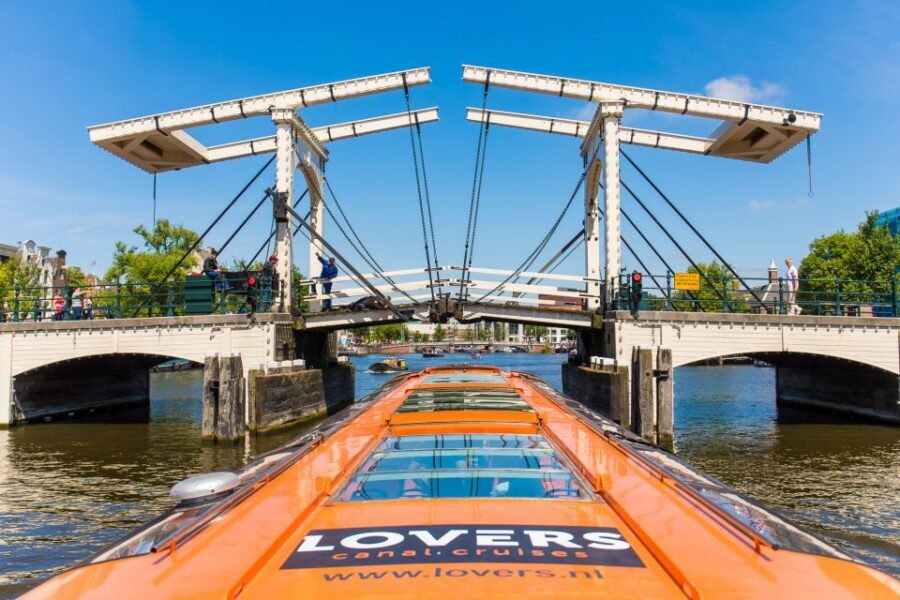
From Begijnhof, you’ll head toward the House on the Three Canals. This is one of those locations that sounds quirky until you stand there and realize how the city’s layout shapes daily life. You’ll learn what makes the house stand out—it’s built right with three canals involved—and you’ll also hear about the bicycle bridge.
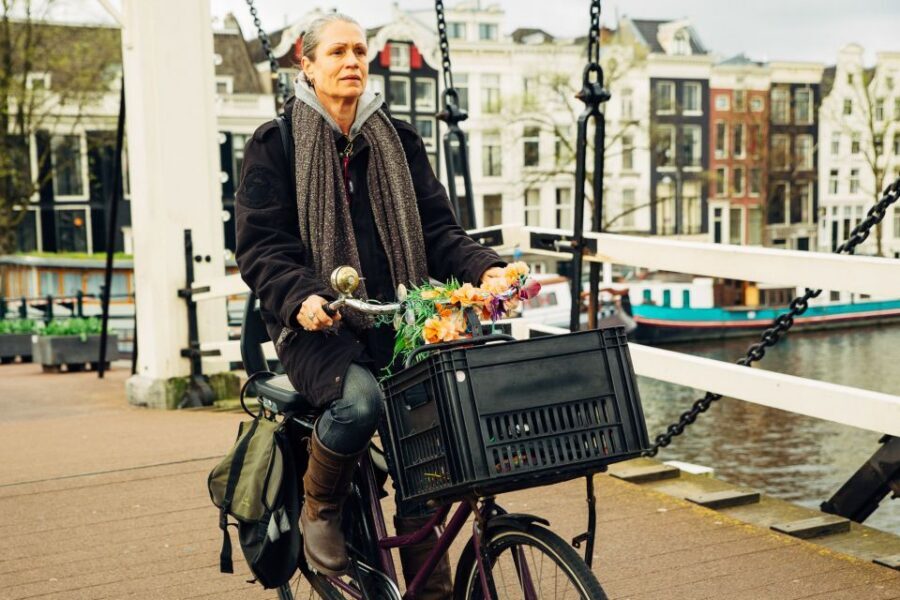
Why I think this part is worth it: it turns Amsterdam’s reputation for bikes from a slogan into something you can picture. You’ll leave with a mental image of how movement, water, and infrastructure all intertwine. And even if you’re not a daily cyclist, the explanation helps you understand why the city’s design is so bike-friendly.
Keep an eye on your timing here. The stop is short, so if you want to take photos, do it with the guide’s story in mind—not just for the angle, but for the idea.
Nieuwmarkt: City Gates, Guilds, and the Dancing Houses
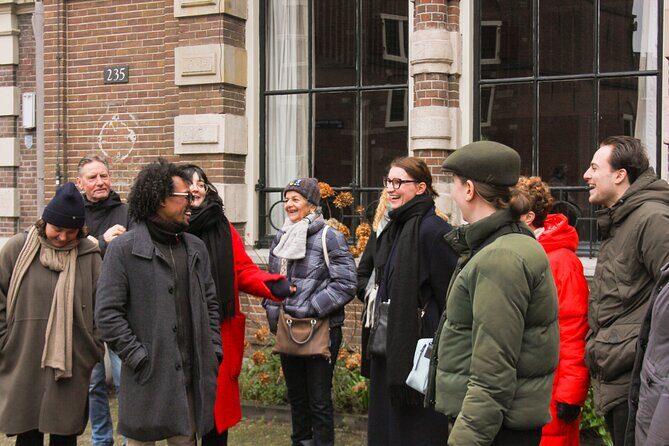
Then you arrive at Nieuwmarkt, and the focus shifts to trade and city organization. You’ll discover the Waag, an old city gate that later became a guild hall. That detail gives you a clear link between architecture and economics. You’ll also learn about the importance of guilds in Amsterdam—the way organized groups shaped how work and skill were managed.
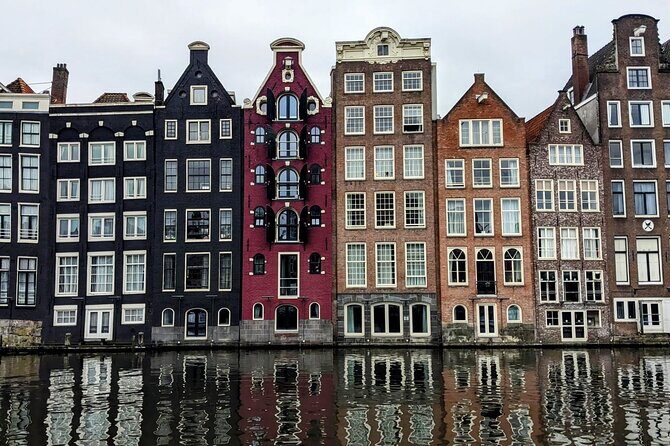
The stop also includes a look at the dancing houses. This is one of those Amsterdam features people photograph, but the guide helps you understand what makes them notable (and why locals bothered to build things this way in the first place).
Short stop time can be a blessing here. Ten minutes is enough to get oriented and understand the meaning, but it doesn’t trap you. If you’re a history lover, you can always follow up afterward with your own reading—now you’ll know what terms and places to search for.
Zeedijk: Chinatown’s Rise, Fall, and Reinvention
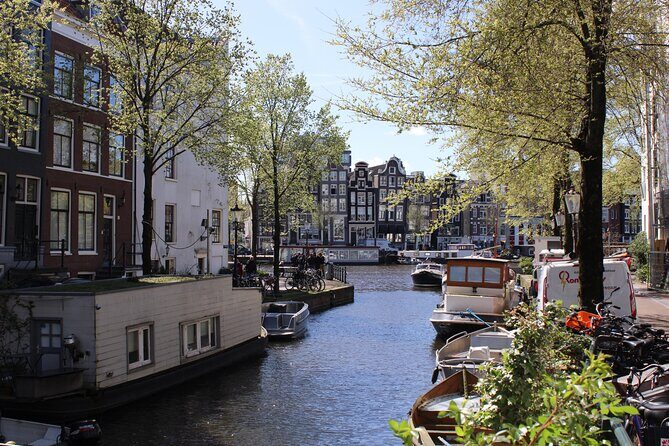
At Zeedijk, the tour turns to a social-history story with a sharp emotional arc. You’ll learn that Chinatown was once the most dangerous place in Amsterdam during the 1970s, and then how the street later declined and transformed into one of the favorite spots for many Amsterdammers.
I like this stop because it refuses to romanticize. It acknowledges tough history and then explains how neighborhood identity can change over time. Even if your own travel style is more food-and-walking than museum-hopping, this is useful. You’ll understand why people feel what they feel about this street now, instead of treating it like a static tourist label.
Tip: if you’re hungry, Zeedijk is a good place to plan your next move. The tour ends back at the meeting area later, but you can always linger for something to eat once you’ve got the story.





Centraal Station Finale: Architecture as a Symbol of Connection
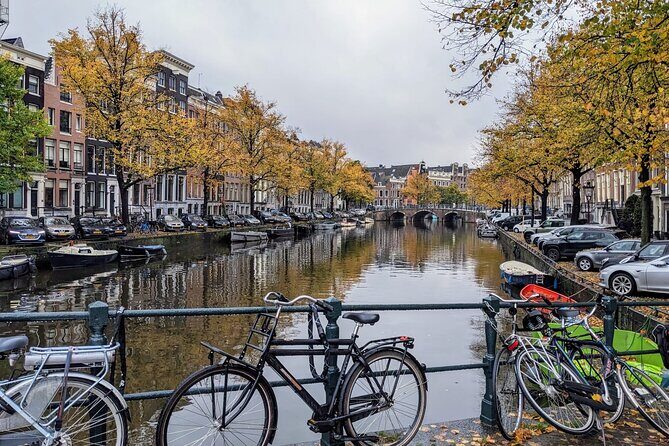
The walk finishes at Centraal Station—and yes, it’s an architectural highlight. You’ll explore one of Amsterdam’s most stunning buildings and learn why the station’s location mattered for centuries as a transportation hub and historical symbol of connection and prosperity.
This last stop does a nice job of tying the whole walk together. Earlier you learned about origins and growth, and here you see the modern expression of that same idea: people, movement, and networks. It’s a fitting end point because it’s not tucked away. It’s a center that still acts like a crossroads.
Practical note: if you need to catch a train or a tram right after, give yourself a buffer. Stations are busy, and you’ll likely want a quick moment to reset after the walking segment.
Price and Value: What $30.07 Buys You for Two Hours
At about $30.07 per person for roughly 2 to 2.5 hours, this tour isn’t trying to be a bargain museum ticket. It’s paying for something more flexible: a local guide who connects scattered places into a single story you can carry around in your head.
You also get a few value boosters that matter in real life:
- Free admission stops at every listed highlight, so your budget stays stable mid-walk.
- A classic Dutch Stroopwafel as a treat during the experience.
- A format designed for history lovers without turning your day into a lecture marathon.
- Small-group size (max 15), which tends to keep the energy friendly and the questions flowing.
If you’re only in Amsterdam for a short time, I think this is a solid first-day orientation. You’ll spot themes across the city—origins, religion, trade, neighborhood change—and then your rest of your trip makes more sense.
The Human Factor: Guides Who Can Adjust to Your Pace

One of the nicest parts of this experience is the way the guide shapes the walk to the group. I’ve seen how guides like Manouk tailor the tour for different needs, blending history, today’s city vibes, and that small ending treat people remember. I’ve also seen Malik praised for being friendly and well versed, with tours adjusted to match what the group wanted most.
You shouldn’t expect the guide to force the same script on every group. The best version of this tour is when you’re comfortable asking a question or leaning in for an extra explanation when something clicks.
For you, that means: if you care more about religion, street life, architecture, or economics, this format gives the guide a chance to steer the story that way.
Who Should Book This Tour (and Who Might Want Another Option)
This works best if you:
- Want a guided introduction to Amsterdam’s history and culture without big museum time.
- Like walking between highlights while someone explains what you’re seeing.
- Prefer small groups over packed bus tours.
- Enjoy short stop-and-story moments, not long lectures.
It may not be ideal if you:
- Want deep detail in one museum or one topic for a full hour.
- Plan to move on immediately after each stop without time to listen.
- Need a completely quiet experience, since this is a walking tour through public areas.
If you’re visiting for the first time, this gives you the mental map you need. If you’re returning, it can refresh the city because it connects things you might otherwise treat as separate sights.
Should You Book It?
If you want a friendly, efficient way to understand Amsterdam—while actually seeing key places in a logical route—then yes, I’d book it. The free admission highlights, small-group feel, and the blend of history with street-level context (including Zeedijk’s 1970s story) make it feel worth your time, not like a checklist.
The main reason to hesitate is the same reason it’s a good orientation tour: the stops are brief. If your goal is deep study, pair this with a longer, topic-specific plan afterward. But if your goal is to get your bearings fast and leave with real context, this is a strong choice.
FAQ
How long is the walking tour?
It runs for about 2 hours (and is described as taking 2 to 2.5 hours).
Is the tour offered in English?
Yes, it’s offered in English.
How big is the group?
The tour has a maximum of 15 travelers.
Where does the tour start?
The meeting point is Beursplein, 1012 JW Amsterdam, Netherlands.
Where does the tour end?
It ends back at the meeting point.
Are the stops included with admission fees?
The listed stops show admission ticket as free.
What kind of experience is it during the walk?
It’s a walking tour where, between passing highlights, the guide discusses topics and explains what you’re seeing.
Is a Stroopwafel included?
The experience includes enjoying a classic Dutch Stroopwafel along the way.
Do I get a ticket on my phone?
Yes, it includes a mobile ticket.
What accessibility is mentioned?
Service animals are allowed, and most travelers can participate.
FAQ
What happens after I book?
You should receive confirmation at the time of booking.
Can I cancel for a full refund?
Yes, you can cancel up to 24 hours in advance for a full refund.
What should I do about timing during a busy day?
Since the tour is built around short stops, plan to arrive a little early and keep your other plans flexible afterward.
Is it near public transportation?
Yes, the starting area is near public transportation.