REVIEW · AMSTERDAM
Half-Day Amsterdam Jordaan Private Walking Tour
Book on Viator →Operated by Snurk.Travel · Bookable on Viator
Jordaan has hidden routes and big stories. This half-day private walk is built for people who want a local perspective and time to ask questions while you stitch together canals, churches, and everyday neighborhood life.
I especially like the way the tour mixes landmark architecture with small, human details like the floating cat shelter De Poezenboot. One thing to watch: it ends near the Anne Frank House, but it does not include the Anna Frank Museum, so you’ll need separate plans if you want museum time.
In This Review
- Key highlights to know before you go
- Why a private Jordaan walk beats winging it
- Amsterdam Centraal: your orientation kickoff
- The canal-ring stops: merchant houses, West India House, and narrow-house stories
- De Poezenboot: the floating cat shelter and Amsterdam’s pet-friendly side
- Noorderkerk and Westerkerk: churches, the Eighty Years’ War, and religion in context
- Noordermarkt: Jordaan’s market square and Dutch snack culture
- The Jordaan experience: galleries, design stores, and those strange little corners
- Westerkerk to Anne Frank House: WWII context, and what’s not included
- Price and value: is $264.05 per person worth it?
- Who should book this Jordaan private tour
- Should you book this Jordaan private tour?
- FAQ
- How long is the Half-Day Amsterdam Jordaan Private Walking Tour?
- Where does the tour start and end?
- Does the tour include the Anna Frank Museum?
- What language is the tour offered in?
- Are admissions included for the stops?
- Is this a private tour or will I share with other groups?
Key highlights to know before you go
- Private guide, your pace: You can slow down, loop back, and focus on what you care about.
- Canal-ring storytelling: 17th-century merchant houses, houseboats, and the Narrowest House area.
- De Poezenboot cat shelter stop: A wildlife-friendly Amsterdam moment with pet-friendly culture context.
- Churches tied to bigger history: Noorderkerk and Westerkerk with the Eighty Years’ War and religion discussed.
- Noordermarkt food-and-history energy: A classic Jordaan square, especially busy on Saturdays.
- Ends at Westermarkt near Anne Frank House: WWII and the Jewish diaspora framing, with the museum left for your own visit.
Why a private Jordaan walk beats winging it

Jordaan looks small on the map. In person, it’s a maze of courtyards, skinny lanes, and canal-front views that don’t show up on your first lap. A private guide matters here because they can point out the stuff you’d otherwise miss—like the way the neighborhood grew, why certain buildings look the way they do, and where the quieter back-corridors connect.
What I like most is the pacing. This is about wandering with purpose, not racing from photo spot to photo spot. You pick a start time that fits your day, and the whole thing runs about three hours—long enough to feel like you learned the neighborhood, short enough to keep the rest of your afternoon free.
The other big win is focus. Instead of hearing the same script at the same speed, you get undivided attention. If you ask about Dutch naval history after seeing the canal-ring merchant houses, or you want more context about religion after the church stops, your guide can shift gears without making it awkward.
You can also read our reviews of more walking tours in Amsterdam



Amsterdam Centraal: your orientation kickoff

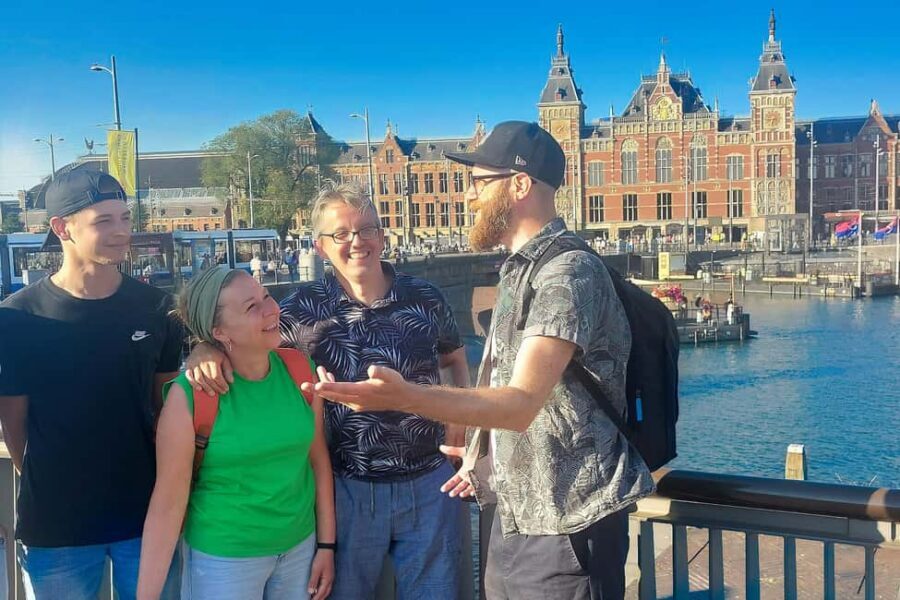
Most Jordaan walks start somewhere convenient. This one starts at Amsterdam Centraal, with the station as your meeting point. It’s a strong choice because it gives you a clean mental starting point: you’re in a grand, historic setting, and then the guide can connect that energy to what Jordaan became.
From there, you’re set up to understand why the neighborhood is shaped the way it is. The tour doesn’t treat Jordaan like a set of random sights. It frames the area as a place with a history you can actually see—street layouts, canal patterns, and building styles that reflect how Amsterdam developed.
Practical thought: the station area is busy and loud at times. Wear shoes that work for walking on hard floors and cobblestone outside. And if you’re coming from elsewhere, build in a few minutes so you can find the exact meeting spot without sprinting.
The canal-ring stops: merchant houses, West India House, and narrow-house stories
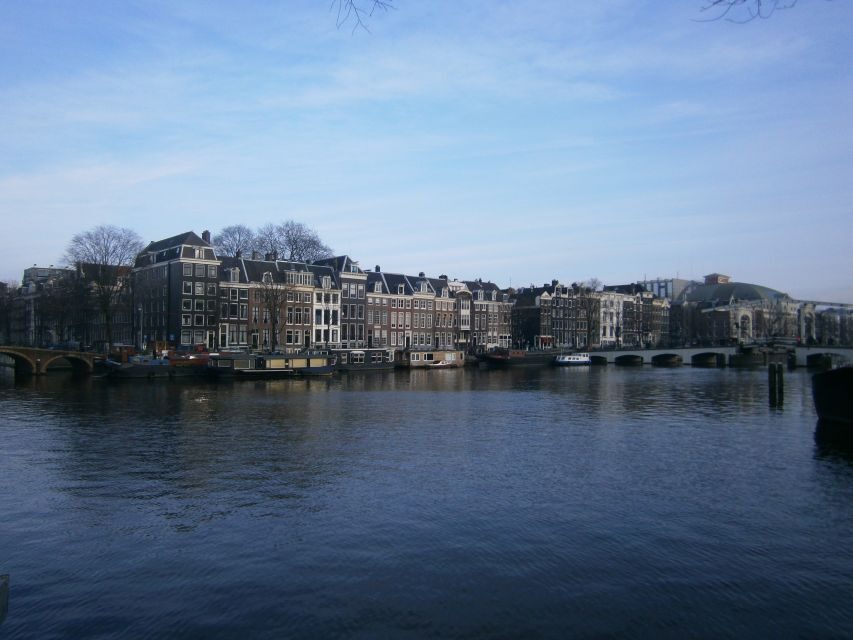
The heart of the experience is the canal-ring stroll, with multiple stops tied to the 17th-century world that built Amsterdam’s wealth and street-level beauty. You’ll look at merchant houses, houseboats, and the kind of details that make you pause even if you’re not a hardcore architecture person.
This is also where the tour leans into story. You won’t just hear what the buildings look like. You’ll connect them to Dutch colonization and naval history, plus the names and roles of major figures from earlier centuries. That matters because Jordaan isn’t just pretty waterways—it’s tied to trade, power, and Amsterdam’s global reach.
You also get specific landmarks woven into the walk:
- The Narrowest House area, where you can see how space and status played out in design.
- The Dutch West India house stop, tied to the history behind the money and routes.
- The canal-front mix of grand facades and the smaller “in-between” spaces that make the neighborhood feel lived in.
You’ll also hear about local art and even the classic neighborhood habit of popping into a brown bar. There’s a fun thread too about apple pie and Bill Clinton—the kind of detail that turns a photo stop into something you can remember later.
Possible drawback: canal-ring neighborhoods mean lots of views, but also lots of foot traffic and tight corners. If you hate shoulder-to-shoulder walking, you’ll want to keep your expectations realistic and remember that this tour is private—so you can choose to step slightly aside when it gets crowded.
De Poezenboot: the floating cat shelter and Amsterdam’s pet-friendly side
Then you shift from canals and history into a distinctly Amsterdam moment: De Poezenboot, described as the only floating cat shelter in the world. It’s the kind of stop that breaks up the heavier historical threads without feeling random.
The guide uses this as a jumping-off point for Dutch attitudes toward pets. You’ll also get facts about Amsterdam as a wildlife-friendly city, which is a useful lens. Instead of thinking of Amsterdam as only bikes and canals, you start seeing the city as one that manages animal life in public spaces in its own way.
What I like about this stop is the emotional tone. You’re not just looking at a building. You’re looking at a working, living idea—how a city makes room for animals and cares for them in an unusual setting.
Quick practical note: it’s still a walking tour, so dress for the weather and keep your phone handy for photos, but don’t forget your eyes. Cats and water give you great visuals, yet the best part is usually the guide’s context.
Noorderkerk and Westerkerk: churches, the Eighty Years’ War, and religion in context
Next comes a history-heavy duo: Noorderkerk and Westerkerk. These are major churches with serious architecture, but the tour doesn’t treat them like a museum display. It uses them to explain the Eighty Years’ War, its consequences, and what that meant for religion in Amsterdam afterward.
This is one of the stops where a private guide really earns their fee. Religion and politics can get confusing fast when you’re trying to read from signs while walking. Here, the guide ties the war era to what you can see and to the way religious attitudes shifted over time.
If you like your history practical—stories you can connect to neighborhoods—this is a good segment. You’ll look at majestic facades and then understand why those buildings matter beyond aesthetics.
One consideration: church interiors and viewing access can vary with timing and rules. The tour lists the stop as free and short, so expect a focused look rather than a long sit-down. Bring a little patience, especially if you hit a moment when a section isn’t accessible.
You can also read our reviews of more private tours in Amsterdam





Noordermarkt: Jordaan’s market square and Dutch snack culture
The tour reaches Noordermarkt, a lively market square right in Jordaan. This stop is a great change of pace because it’s about everyday life—local history, traditions, and even the kinds of local unrest that helped shape the neighborhood’s identity.
You’ll also get a sense of how the square shifts by day. On Saturdays, it’s especially busy because of the farmer’s market setup. Even if you’re not there on Saturday, you’ll get the sense that this is where locals naturally gather.
Food is part of the conversation too. The tour notes Dutch delicacies you might taste such as herring, oysters, or cheese. Since coffee/tea and snacks are not included, plan to pay for anything you want to eat. But the guide can help you choose without guessing.
Practical advice: markets are great for quick bites and people-watching. But if you’re sensitive to smells or crowded areas, treat this stop as flexible. You can linger for one snack and then rejoin the group pace rather than turning it into a full meal.
The Jordaan experience: galleries, design stores, and those strange little corners
Jordaan earns its reputation for creativity for a reason. This part of the walk focuses on the neighborhood’s arts-and-design vibe—local art galleries, design stores, and those oddball features that make Amsterdam feel like it has imagination baked into the bricks.
You’ll also hear about an unusual labyrinth-style hotel. Even if you don’t go inside, the fact that this kind of design exists here helps you understand the local mindset: small space, smart layout, and a willingness to be a little weird.
Then there are the tiny connections between buildings—short corridors and tucked-away courtyards. One big reason this tour works is that the guide helps you read the neighborhood the way locals do: not just as streets, but as linked spaces that form mini-worlds.
If you’re the type who likes browsing—vintage details, design objects, antiques—this is where you’ll appreciate the private format. The guide can point you toward what matches your interests so you’re not wasting time on storefronts that don’t fit.
Possible drawback: if shopping isn’t your thing, this segment can feel more like wandering than ticking boxes. That’s not a flaw; it’s the nature of Jordaan. If you prefer museums or major monuments, mix this tour with one big-ticket attraction on a different day.
Westerkerk to Anne Frank House: WWII context, and what’s not included
The tour ends near Westerkerk and the Anne Frank House area at Westermarkt 20. This is an emotional shift from canals and design shops, and the guide frames the story with context around the Jewish diaspora and World War II.
Important: the walk does not include the Anna Frank Museum. So if you want museum access, you’ll need to plan it separately. The end point is perfect for doing that right away—this tour drops you into the exact area where you’d naturally continue—but it won’t handle ticketing and entry for you.
This is the main planning “gotcha” for people who are trying to fit everything into one short window. If the museum is a top priority, consider booking it for later that day or the next day so you’re not rushing through reflections and reading.
Also keep in mind that this area can be busy. The private walking format helps because you’re not stuck in a big mass, but you still share sidewalks with normal foot traffic. Give yourself a little breathing room and let the guide lead you carefully.
Price and value: is $264.05 per person worth it?
Let’s talk money, because this is not a bargain-bin group tour. At $264.05 per person for about three hours, you’re paying for two things: privacy and a guide who knows how to connect the dots in Jordaan.
Here’s how to judge value:
- If you want a scripted group tour, you’ll likely find cheaper options.
- If you want a tailored walk with time for questions and a guide who can steer you toward what you care about—architecture, history, markets, small lanes—this starts to look fair.
- You also get flexibility by choosing your start time, and the tour is designed as a private experience for your group only.
A practical advantage is that this neighborhood rewards small observations. A guide turns those observations into meaning. When you hear about the Dutch West India house or the reasoning behind the way streets and courtyards connect, the tour stops being a checklist and becomes understanding.
One more value angle: it’s booked in advance quite often (on average 108 days ahead). That’s a sign of steady demand. If you’re traveling in high season or have a tight schedule, don’t wait for last-minute pricing and availability.
Who should book this Jordaan private tour
This tour is a strong fit if you:
- want a first-time Jordaan orientation that goes beyond the obvious canal photos
- care about architecture and the stories behind it
- like markets and street-level life, not just monuments
- prefer walking with a guide who can answer your specific questions
It may be less ideal if you:
- want the Anna Frank Museum included in the same ticket
- dislike walking for about half a day (it is still a walking experience)
- want only big-ticket stops with minimal walking
Should you book this Jordaan private tour?
I’d book it if you want Jordaan to feel like a place you understand, not just a set of sights you saw. The private pace, the canal-ring history threads, the De Poezenboot moment, and the way churches tie into larger events make it a smart mix for a short visit.
Skip it only if the Anna Frank Museum is non-negotiable for your schedule. If it is, you can still use this walk for the neighborhood context, then add the museum separately so you get both without feeling rushed.
Either way, wear comfortable shoes, bring a rain layer if the forecast looks sketchy, and give yourself time to linger after the tour ends near Westermarkt.
FAQ
How long is the Half-Day Amsterdam Jordaan Private Walking Tour?
It runs for about 3 hours (approx.).
Where does the tour start and end?
It starts at Amsterdam Central Railway Station, Stationsplein 13a, 1012 AB Amsterdam. It ends at Anne Frank House, Westermarkt 20, 1016 GV Amsterdam.
Does the tour include the Anna Frank Museum?
No. The tour does not include a visit to the Anna Frank Museum.
What language is the tour offered in?
The tour is offered in English.
Are admissions included for the stops?
The stops listed in the schedule show admission tickets as free, but the Anna Frank Museum is not included.
Is this a private tour or will I share with other groups?
It’s a private tour/activity. Only your group participates.