REVIEW · AMSTERDAM
Amsterdam: Small-group Guided Walking Tour (French/English)
Book on GetYourGuide →Operated by Voyage & Souvenir Amsterdam Tours · Bookable on GetYourGuide
Amsterdam gets real fast on foot.
I love how this small-group walking tour turns big-name sights into understandable neighborhoods, with Chris guiding the stories in a way that keeps you asking questions. Two things I especially liked: the tight city-center coverage (you get oriented quickly) and the practical, personal tips you can use right after the walk. One possible drawback: several major stops are quick photo moments, so you won’t get long ticket-time inside landmarks.
If you want history without a spreadsheet brain, this is a solid fit. You’ll cover the canal belt area (a UNESCO World Heritage site), plus places like Dam Square, the Royal Palace, and the Jordaan in one smooth, walkable loop. The only caveat is weather: bring the basics and wear shoes that can handle cobblestones and Amsterdam pace.
In This Review
- Quick takeaways
- Meeting at Pancakes Amsterdam at the IJ: getting your bearings in minute one
- From Amsterdam Centraal to iconic facades: the quick-hit highlights that set the tone
- The church-and-courtyard vibe: Oude Kerk and Ons’ Lieve Heer op Solder
- Trade, Chinatown, and the De Waag/VOC thread that ties the city together
- Dam Square and the Royal Palace: where crowds meet the lesson
- The UNESCO canal belt and the Anne Frank story you’ll remember after the walk
- Jordaan walking: a neighborhood with character you can actually feel
- Why the guide matters: Q&A, visuals, and tips that don’t feel copy-pasted
- Price and value: $33 for context, time-savings, and a shortcut through the city
- What to bring (and how to plan the rest of your Amsterdam day)
- Should you book this Amsterdam French/English small-group walking tour?
- FAQ
- Where does the tour meet?
- What languages are available?
- How long is the walking tour?
- Is the tour wheelchair accessible?
- What should I bring?
- Is food or drinks included?
- Do I get recommendations after the tour?
- Can I cancel and still get a refund?
Quick takeaways
- Chris’s storytelling: frequent questions, clear answers, and plenty of “how did this happen?” moments.
- Efficient route: you cover the historical center, canal belt area, and Jordaan in about 2–3 hours.
- Photo-stop rhythm: you’ll see a lot, but don’t expect long stays inside museums or palaces.
- Use-it-now tips: dining, shopping, food/drinks, and sightseeing suggestions, plus helpful links after the tour.
- Multicultural Amsterdam context: you’ll pass through areas like Amsterdam Chinatown and hear how the city evolved.
Meeting at Pancakes Amsterdam at the IJ: getting your bearings in minute one
Your tour starts behind Amsterdam Centraal, by the water, at Pancakes Amsterdam at the IJ. The meeting point is next to the white-and-blue ferries heading to Amsterdam North, near the big D ferry halte sign by the bike lane. The guide is easy to spot: glasses, a beard, and a baseball hat.
This matters because Amsterdam’s center can feel maze-like on day one. Starting at a real, recognizable spot by the river helps you mentally map where you are before you even begin walking. You’ll also get a quick sense of direction before your route swings toward the older streets and the canal area.
You can also read our reviews of more walking tours in Amsterdam


From Amsterdam Centraal to iconic facades: the quick-hit highlights that set the tone
The first stretch is all about visual orientation. You’ll do a brief stop around Amsterdam Centraal Station for photos and the kind of overview that makes the rest of the walk click.
Then the route moves past several well-known landmarks and street scenes, including Dancing Houses and the Basilica of Saint Nicholas. These are good “first impressions” stops: you see the architecture styles the city is famous for, and you get story context for what you’re looking at instead of just snapping pictures and moving on.
You’ll also hit Zeedijk Street, then pause near the Major Alida Bosshardt statue. The nice part is that these stops aren’t just random name-drops. They help you understand how Amsterdam’s daily-life streets connect to the big historical themes—trade, community, and the way neighborhoods developed over time.
The church-and-courtyard vibe: Oude Kerk and Ons’ Lieve Heer op Solder
Next comes the older Amsterdam feel. You’ll stop by Ons’ Lieve Heer op Solder (Our Lord in the Attic Museum)—a memorable stop because it’s not what you’d expect at first glance. Even if you’re not going inside, the tour’s framing helps you connect the site to Amsterdam’s wider story rather than treating it like a standalone curiosity.
After that, you’ll visit Oude Kerk, one of the city’s anchor points for understanding how long Amsterdam has been shaping itself. You’ll also pass through Burgwallen Oude Zijde, an area that’s perfect for learning how the historic core functions: narrow streets, changing viewpoints, and those “wait, where does that courtyard go?” moments.
The tour also works in time for those smaller details that make walking tours worth it: the hidden courtyards and secret gardens feel like you’re getting a peek behind the obvious postcards. In a city like Amsterdam, that’s often where the memories stick.
Trade, Chinatown, and the De Waag/VOC thread that ties the city together
Then the walk shifts from older church-and-street atmosphere into the “Amsterdam as a trading crossroads” theme. You’ll pass Amsterdam Chinatown, which helps break up the center with a different layer of cultural life and a reminder that the city hasn’t stayed frozen in time.
You’ll also stop by De Waag Restaurant, where the tour connects location to story—how Amsterdam’s commerce shaped what’s around you today. After that comes a VOC / Dutch East India Company themed stop, plus Torensluis Bridge later in the route. This trade-history thread is valuable because it gives you a reason behind the layout and the architecture, not just a list of what to photograph.
One of the most memorable quick stops is the Narrowest House in Europe. It’s the kind of place that could feel like a gimmick—if you treat it like that. In this tour, it’s used as a springboard for how the city’s buildings and street realities evolved, and you’ll hear plenty of fun facts along the way.
Dam Square and the Royal Palace: where crowds meet the lesson
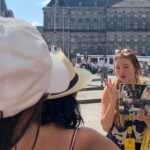
Now you hit Dam Square, the center of gravity for Amsterdam sightseeing. This is where first-time visitors often get overloaded—too many things, too little context. That’s exactly why a guide helps here.
You’ll get a photo stop and a guided explanation around the Royal Palace, Amsterdam, plus other nearby landmarks that show how Amsterdam mixes political history with present-day city life. There’s also a pause at Magna Plaza, which is a nice contrast point. You see the shift from older grandeur to modern everyday movement without the tour feeling like it’s switching channels.
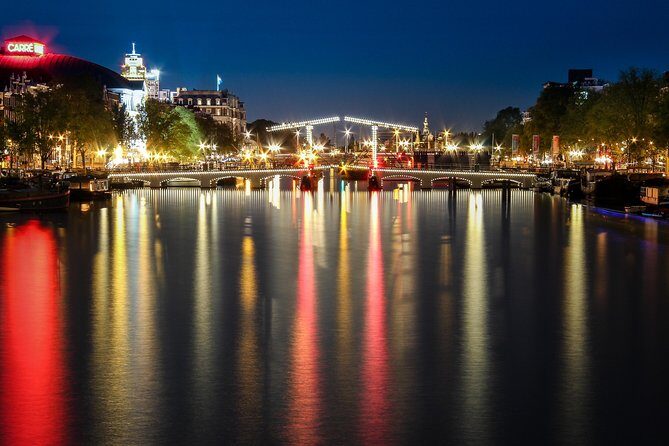
By the time you reach Torensluis Bridge, the city starts to look like a system. The bridge viewpoint sets you up to understand how canals and waterways guide both travel and neighborhood identity.
You can also read our reviews of more guided tours in Amsterdam




The UNESCO canal belt and the Anne Frank story you’ll remember after the walk
This is the heart of why the tour works for short stays. You’ll reach Grachtengordel, the canal belt area that’s part of UNESCO World Heritage. The tour’s pacing here is smart: you’re not trying to force deep museum-level detail into 10 minutes. Instead, you get the “big picture” of what made this canal-belt layout so important—and why you’ll keep noticing it later in your trip.
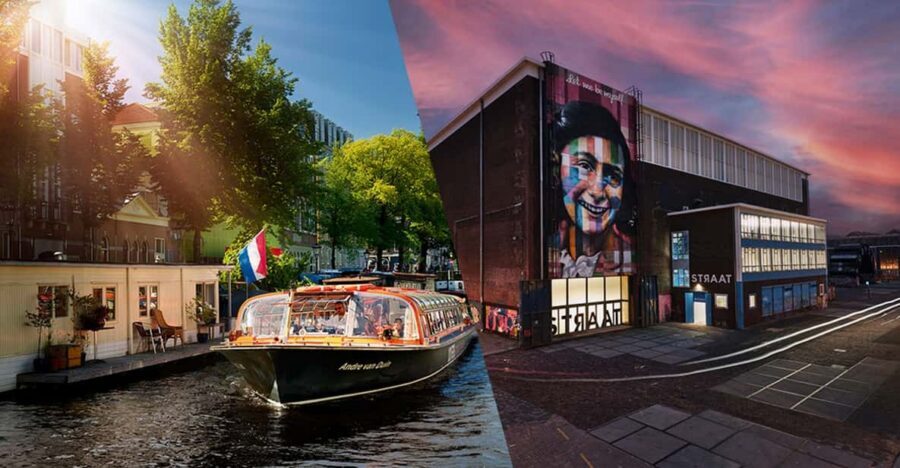
Then comes Anne Frank House as a photo stop. You won’t need a history degree to understand why this stop lands. The guide’s job is to place the story in context so it doesn’t feel like a roadside stop—it becomes part of how you read Amsterdam, especially once you’ve walked the neighborhoods around it.
The tour also includes Westerkerk. That helps you keep perspective: Amsterdam isn’t only canals and courtyards. It has landmarks that anchor the skyline and neighborhoods, and you’ll understand why those anchor points matter.
Jordaan walking: a neighborhood with character you can actually feel
The last major segment settles into the Jordaan area. This is often where people expect “prettiness,” but the guide makes it about understanding the place. You’ll wander through the kind of streets where you can see daily life happening in the background while the city’s history sits just beneath the surface.
The benefit of reaching Jordaan near the end is timing. By then, you’ve already learned the city’s main threads—architecture, trade influence, religious/civic anchors, and the canal belt story. So Jordaan doesn’t feel like one more stop. It feels like a payoff.
If you’re the type who likes to return on your own the next day, this ending helps. You’ll get enough orientation to know where to go for longer hangs, coffee breaks, and slower canal-side strolls.
Why the guide matters: Q&A, visuals, and tips that don’t feel copy-pasted
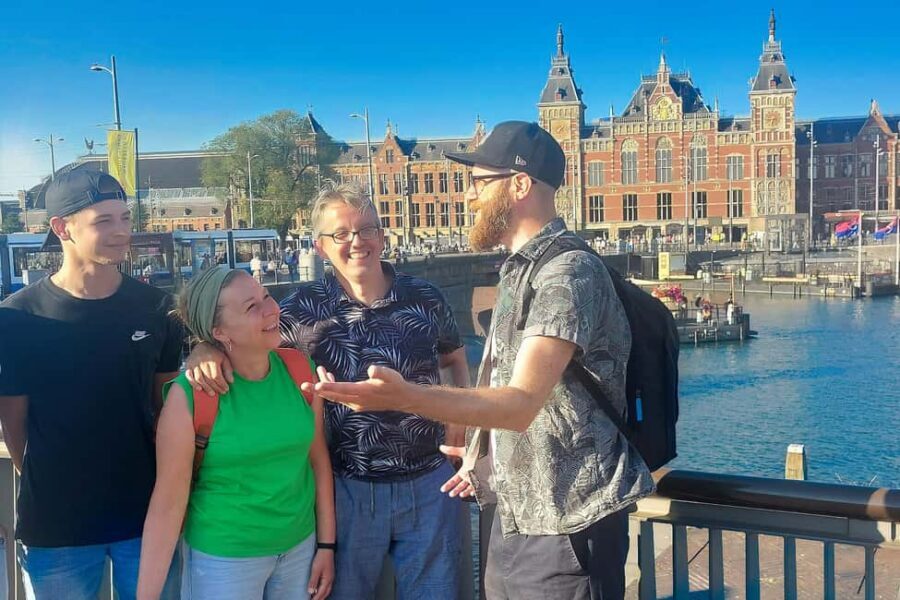
Here’s the difference between a tour and a walk with a random stranger: the guide is built for two-way momentum. Chris answers questions with real specificity and keeps the pace comfortable. I like the way the tour stays interactive, because you’re not stuck listening the whole time.
You’ll also get recommendations with your exact travel style in mind—dining, shopping, food/drinks, boat options, and sightseeing ideas. And it’s not just verbal. You’ll receive helpful links after the tour to keep your momentum going.
One more practical plus: the walk covers enough ground that you come away with a mental map. That’s huge in Amsterdam, where tram lines, canal bridges, and neighborhood boundaries can make a self-guided day feel like work.
Price and value: $33 for context, time-savings, and a shortcut through the city
At $33 per person for about 2–3 hours, this isn’t trying to sell you a full-day program. It’s more like a guided “city comprehension boost.”
Here’s why the value holds up:
- You save time by learning the city’s story while you’re already walking between key areas.
- You get personalization, not generic sightseeing homework.
- You leave with next-step ideas for meals, shopping, and what to prioritize after the tour.
Could you do this route on your own? Sure, but you’d spend extra time figuring out what matters and why. With this tour, the guide hands you the context while your legs are already doing the sightseeing.
What to bring (and how to plan the rest of your Amsterdam day)
This tour is simple, but Amsterdam is weather-heavy. Bring comfortable shoes and plan for slick cobblestones. Bring an umbrella and water, and dress for the day you have, not the forecast you wish for.
Also, the route can shift if construction or circumstances require it, and the guide may adjust based on what you’re into. That’s normal here. The smart move is to keep this walk early in your stay or early in a sightseeing-heavy day, so you can use the recommendations immediately.
If your schedule includes timed attractions, treat this as your orientation and story layer. Then use the rest of your day for longer stops where you actually want to linger.
Should you book this Amsterdam French/English small-group walking tour?
I’d book it if you want a guided, efficient Amsterdam orientation with strong storytelling and practical recommendations. It’s especially useful for your first visit, when the city can feel like a postcard collage and you need help connecting the dots across Dam Square, the canal belt area, and the Jordaan.
Skip it—or plan extra time elsewhere—if what you really want is long interior access at major attractions. This experience is built around walk-and-learn, with stops often functioning as quick photo moments plus explanation.
FAQ
Where does the tour meet?
It meets behind Amsterdam Centraal Station, next to the restaurant Pancakes Amsterdam at the IJ, by the water. It’s near the white and blue ferries for Amsterdam North and next to the big D ferry halte sign near the bike lane.
What languages are available?
The tour is offered with a local guide speaking English or French.
How long is the walking tour?
The duration is 2 to 3 hours.
Is the tour wheelchair accessible?
Yes, the tour is described as wheelchair accessible.
What should I bring?
Bring comfortable shoes, an umbrella, water, and weather-appropriate clothing.
Is food or drinks included?
No. Drinks and food are not included.
Do I get recommendations after the tour?
Yes. You receive recommendations and helpful links to make the most of your time in Amsterdam after the tour.
Can I cancel and still get a refund?
Yes. You can cancel up to 24 hours in advance for a full refund.