REVIEW · AMSTERDAM
Amsterdam: Self-Guided Food Tour in De Pijp Neighbourhood
Book on GetYourGuide →Operated by Who Is Amsterdam Tours · Bookable on GetYourGuide
Street food beats the museum snack. This self-guided route through De Pijp pairs Dutch favorites with international cravings, and it sends you to the Albert Cuyp outdoor market for the kind of everyday atmosphere you can’t book into a restaurant. I like that most stops are family-owned with practical stories behind the dishes, and I like the mix of sweet and savory you can’t easily order in one sitting. The main drawback is timing: not every stop runs daily, so on some days you may get fewer bites than the plan promises.
You’re not stuck waiting for anyone else. You start at FEBO on Ferdinand Bolstraat, then follow a phone-ready PDF guide with walking directions and map links, plus a free 3-day Amsterdam itinerary for the rest of your trip. It’s built for snack-sized eating, so if you want a full meal at every stop, plan to share and pace yourself.
In This Review
- Key things to know before you go
- De Pijp street food, minus the waiting line
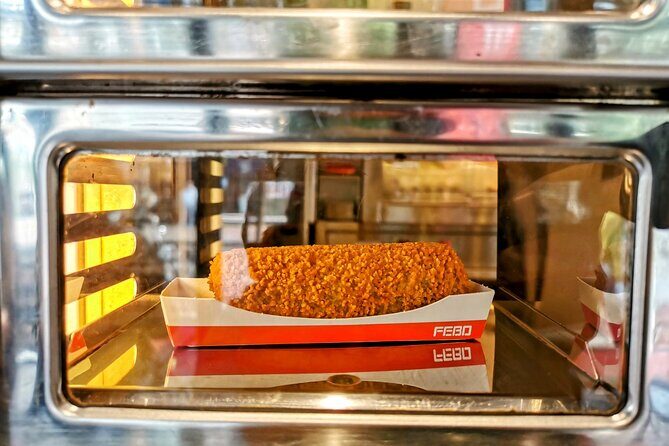
- Starting at FEBO on Ferdinand Bolstraat: your croquette opener
- Albert Cuyp Market: the outdoor market stop that changes the pace
- Your 8 Stops: from pom to Patatje Oorlog
- 1) FEBO: the Dutch croquette start
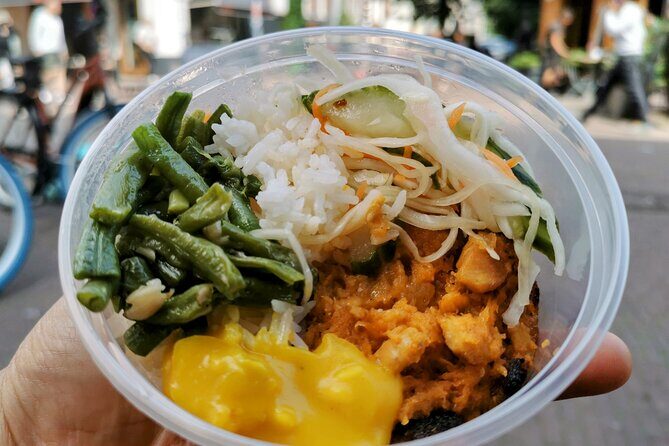
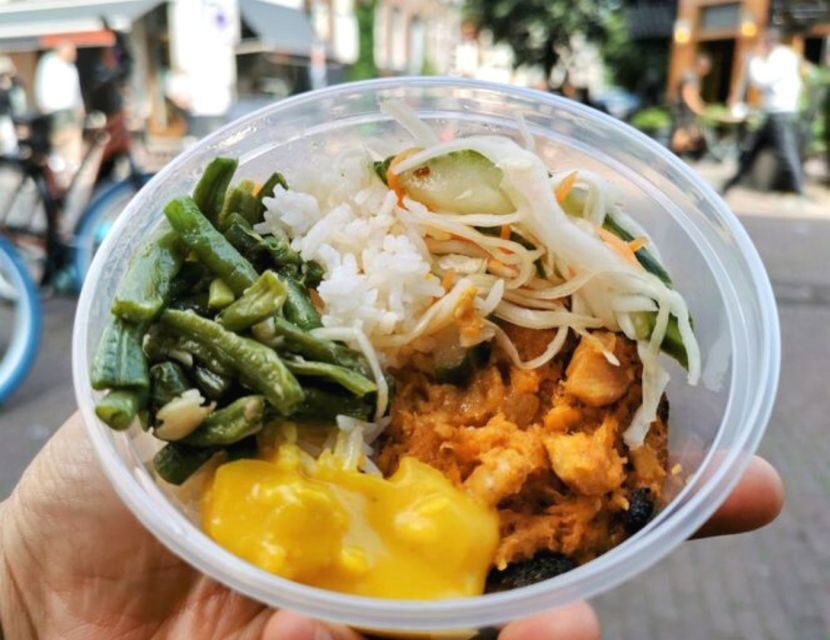
- 2) Suriname stop: pom, long beans, rice, pickles, and hot sauce
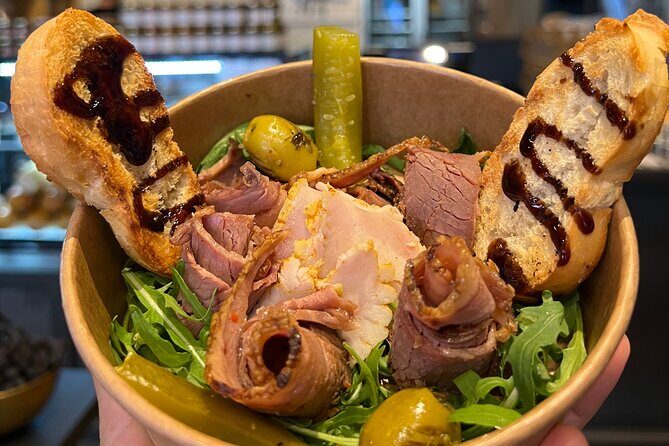
- 3) Israel stop: smoked brisket and chicken roulade with pickles and olive sides
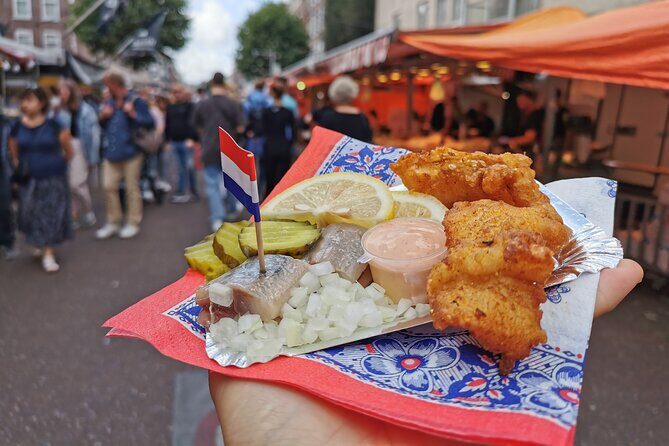
- 4) Fish stall: Dutch herring and kibbeling
- 5) Poffertjes: tiny pancakes that bubble on the spot
- 6) Stroopwafel: syrup waffles from a family making them for 45+ years
- 7) Takoyaki-style snack: Osaka takoyaki and Tokyo ramen collaboration
- 8) Patatje Oorlog: hand-cut fries with peanut sauce and onions
- When not every stop is open: how to keep the tour fun
- Discounts and tastings: how to get the full value
- Budget reality: what you should plan to spend
- Vegetarian options, gluten limits, and why vegans should skip
- Practical tips that make De Pijp walking easier
- Who this tour suits best (and who should choose another plan)
- Should you book Amsterdam’s De Pijp self-guided food tour?
- FAQ
- Where does the self-guided tour start?
- Is there a guide with you during the tour?
- How do I get discounts and tastings?
- About how much should I budget for food?
- Is the tour good for vegetarians?
- Is it OK for people with gluten intolerance?
- Does the tour run in bad weather?
Key things to know before you go
- De Pijp focus: you’ll spend your time in one neighborhood instead of crisscrossing the whole city
- Albert Cuyp Market included: an outdoor day-market stop that feels more local than a shopping arcade
- Discounts at 7 of 8 stops: you’ll typically get better value than paying full price everywhere
- International food hits, not just Dutch sweets: Suriname pom, Israeli brisket roulade, and Japanese takoyaki-style balls
- Snacks that add up fast: sharing makes the tour more comfortable and more fun
- Vegetarian options at most stops: but it is not vegan-friendly, and gluten intolerance is a problem
De Pijp street food, minus the waiting line
Amsterdam is great for food, but most “tours” end up being the same handful of spots. This one keeps you in De Pijp, where you get a neighborhood rhythm—people popping in for quick bites, stalls doing steady business, and shopfronts that don’t feel curated for tourists.
What makes this format work is the self-guided design. You’re choosing when to move, which is a big deal in a city where weather and opening hours can swing quickly. And because the tour includes a map-based PDF, you’re not guessing your way between stops.
If you like tasting a little of many things, this suits you. If you’re hoping for a long guided crawl with a person telling you every detail, you’ll want a different style of tour.
You can also read our reviews of more food & drink experiences in Amsterdam


Starting at FEBO on Ferdinand Bolstraat: your croquette opener
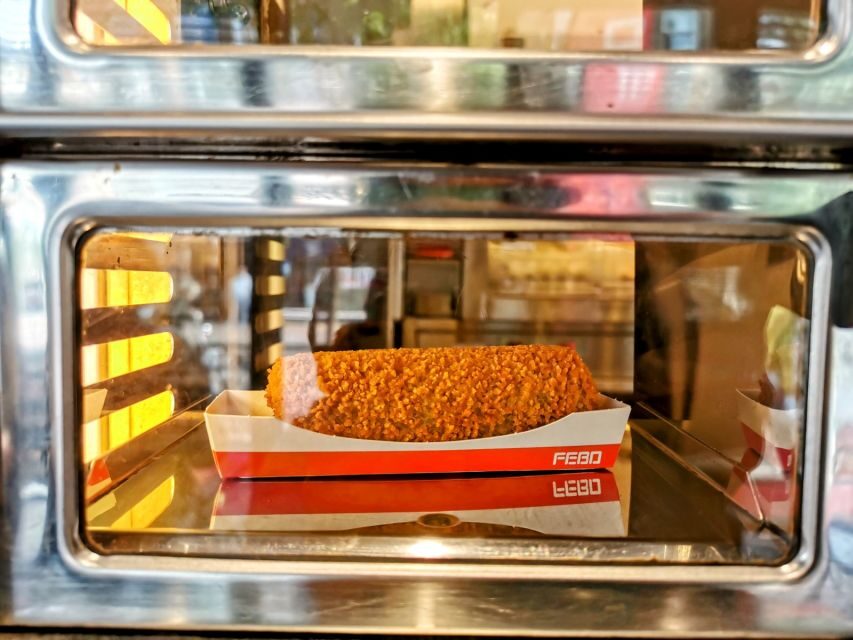
Your tour kicks off at FEBO on Ferdinand Bolstraat. The first food described for the start is a traditional Dutch croquette, which is a smart move: it sets the tone with a classic, comforting, fried-bite start.
Croquette culture matters in the Netherlands because it’s a real-world snack, not just a tourist souvenir. Once you’ve had that first bite, you’ll understand why the rest of the tour leans toward fast, satisfying street foods—things you can eat while walking, without needing a table.
Practical tip: treat this as your “warm-up.” If you eat too much right away, you’ll hit the later sweet stops (poffertjes and stroopwafels) feeling full instead of excited.
Albert Cuyp Market: the outdoor market stop that changes the pace
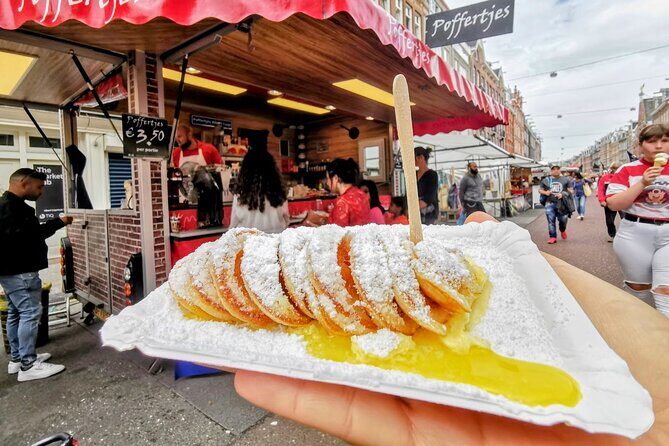
One of the strongest reasons to do this route is the Albert Cuyp Market, billed as Europe’s biggest day market and specifically described as an outdoor market. This isn’t just a background photo stop. It’s where the tour’s energy shifts from shop-to-shop eating into a wandering, live-market feel.
In a market like this, you’ll be surrounded by stalls and foot traffic, and that matters because you’re eating while watching the neighborhood in motion. You’re not just consuming food; you’re seeing the context that makes it normal for locals to snack on.
Two things to keep in mind:
- Outdoor markets can be crowded and noisy, so give yourself a little time to find the next exact direction in the guide.
- If you’re doing this on a day when some businesses close early, you may need to adjust your pace so you’re not racing the clock.
Your 8 Stops: from pom to Patatje Oorlog
The tour is built around 8 stops with exclusive discounts and tastings at 7 of them. Some stops may not be open every day, but the plan states that at least 6 will always be open—which is helpful, but still not a guarantee for every single item.
Below is the food order described, with what each stop means for your day.
1) FEBO: the Dutch croquette start
You begin with a traditional Dutch croquette at FEBO. Expect a classic fried snack—rich, savory, and easy to handle while you get oriented.
Why this works: croquettes are a local baseline. It helps you compare what comes next, especially once you get into Suriname flavors later.
You can also read our reviews of more tours and experiences in Amsterdam



2) Suriname stop: pom, long beans, rice, pickles, and hot sauce
Next comes Suriname at a beloved local eatery known for pom, described as an oven-baked root plant with chicken. The full plate combination includes long beans, rice, homemade pickles, and hot sauce.
This is one of the tour’s best examples of food as culture. Suriname isn’t a side quest here; it’s treated as a major, recognizable dish. If you’ve never tried pom before, this is the kind of stop that feels like you actually discovered something, not just repeated a European snack.
If you’re sensitive to heat, watch the hot sauce. The description makes it sound like it’s part of the set-up, so go gently on your first bite and adjust after.
3) Israel stop: smoked brisket and chicken roulade with pickles and olive sides
After Suriname, you’ll taste Israeli flavors with smoked beef brisket and chicken roulade, served with Israeli pickle, olives, and bread plus balsamic vinaigrette from a boutique deli.
This stop is about contrast. You’ll go from pom’s baked root comfort to a smoky, savory plate with tangy sides. It’s also a great example of the tour’s “more than Dutch sweets” angle.
Watch your bread portions if you plan to keep eating. Bread plus rich meats can stack up fast.
4) Fish stall: Dutch herring and kibbeling
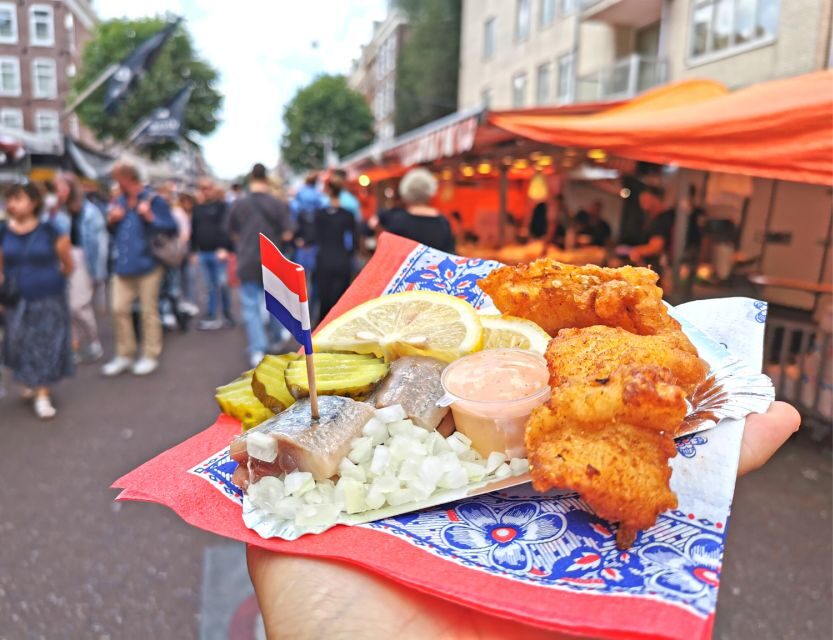
Then you hit a family-owned fish stall for Dutch herring and kibbeling, described as fried cod.
This is a classic Dutch move, and it helps anchor the tour’s seafood side. Kibbeling in particular is a “snack meal” type of bite—fried, salty, and usually best eaten hot.
If you’re not a seafood person, this is the part you’ll want to treat as optional. But if you are, it’s one of the more memorable stops because it’s a Dutch staple done in a straightforward street style.
5) Poffertjes: tiny pancakes that bubble on the spot
Next comes poffertjes, Amsterdam’s famous tiny pancakes. The description focuses on watching them bubble as they cook, which adds a bit of show without turning into a performance.
Why this matters: this is your transition to sweet. After savory stops, poffertjes feel like a reset—warm, soft, and perfect to eat without making your day feel like one long fry-fest.
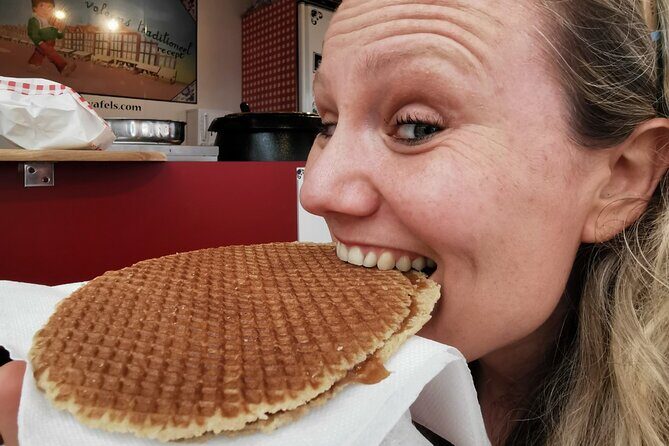
6) Stroopwafel: syrup waffles from a family making them for 45+ years
The tour then lands on Goudse stroopwafels—with the claim that the family has been making them for more than 45 years.
This is the Dutch classic most people recognize, but the point here is the method and consistency. A stroopwafel is simple on paper; it’s all about texture and syrup balance. When it’s done well, it’s hard to stop at one.
If you’re gluten-sensitive, be cautious. Stroopwafel is typically wheat-based, so this is one of the items that can create issues for some people.
7) Takoyaki-style snack: Osaka takoyaki and Tokyo ramen collaboration
Then the tour shifts again into Japanese territory with takoyaki balls made by a takoyaki chef from Osaka, described as joining forces with a ramen specialist from Tokyo.
Expect bite-sized, savory rounds—fun to eat while walking, and a change from the heavy fried-cod and fried-snack rhythm you’ve had earlier.
This stop also shows the tour’s bigger pattern: it isn’t trying to be a greatest-hits sampler of only one cuisine. It’s turning Amsterdam into a food map.
8) Patatje Oorlog: hand-cut fries with peanut sauce and onions
Your final stop is the end-of-day comfort: award-winning hand-cut fries with the quintessential Dutch sauce combo known as Patatje Oorlog, described as peanut sauce, mayonnaise, and onions.
This is a strong closer because it’s both familiar and specific. Fries plus peanut sauce plus onion is not how fries are done everywhere, and the name gives it local personality.
If you’ve been pacing and sharing, this last stop hits right. If you’ve been eating everything solo like a hungry poet, you may find this is where you slow down.
When not every stop is open: how to keep the tour fun
The tour says not every stop runs daily, but that at least six will always be open. That’s comforting, but it still means you should plan like a realist.
Here’s how to avoid disappointment:
- Check the PDF guide timing for the day you go, before you start moving.
- Be ready to keep moving if you arrive and a place is down.
- Expect that a “tasting tour” doesn’t mean a full buffet at each stop. Sometimes you’ll get smaller portions than the word tasting makes you imagine.
Also, the tour format is self-guided, so if one location is delayed or closed, you’re the one who adapts. The upside is that you control your pace; the downside is you can’t rely on a guide to swoop in and fix the schedule.
Discounts and tastings: how to get the full value
This is a pay-and-eat style tour. The plan states exclusive discounts and tastings at 7 of 8 locations, and it also gives a realistic food budget: total food costs are around €20 per person.
That makes the math sensible. The tour price is low (listed as $15 per group up to 1), and your real cost mostly comes from what you choose to eat during the discount stops. If you’re already planning to eat your way through De Pijp, this can turn random snacking into a structured plan.
Important detail: each person joining needs their own copy of the PDF guide on their phone to be eligible for discounts and tastings. Don’t rely on a screenshot or pass your phone around. Bring your own device.
And don’t overthink the “tasting” label. One small comment from past users points out that at least one stop may feel more like a small sample than a proper tasting flight. Treat the day as a sequence of bites, not a set menu.
Budget reality: what you should plan to spend
Your tour price covers the self-guided structure, directions, and extras like the free 3-day Amsterdam itinerary and restaurant recommendations. Food costs are around €20 per person, and you’ll need to pay for actual items you order—even when discounts apply.
So a realistic target for your day is roughly:
- Tour fee plus
- Around €20 for food, depending on what you choose and how hungry you are
One more practical thing: bring cash and a credit card. The tour data explicitly says to carry both. In a neighborhood full of small shops, it’s smart to have options.
Vegetarian options, gluten limits, and why vegans should skip
The tour says vegetarian options are available at 7 stops, which is good news if you eat dairy and eggs and want flexibility. But it also says it’s not suitable for vegans and it’s not suitable for people with gluten intolerance.
That’s consistent with what’s described on the menu:
- Stroopwafel and poffertjes usually involve wheat.
- Many savory dishes and fried items can contain wheat-based coatings or shared kitchen prep.
If you’re vegetarian, you’ll likely find something at most stops. If you’re vegan or gluten-intolerant, you should reconsider this exact tour and look for a fully tailored option.
Practical tips that make De Pijp walking easier
This tour asks for a phone, internet access, and a charged smartphone. It also runs rain or shine, so bring a compact rain layer if the forecast looks shaky.
Other tips that help:
- Share when possible. The tour is fast-paced and snack-sized. Sharing makes your day lighter and lets you enjoy more variety.
- Keep your pace realistic. De Pijp streets can be easy to walk, but you still need time to find entrances and line up for hot items.
- Try to eat the hot items sooner. Fish and fried snacks are best when they’re fresh, and waiting can turn a good bite into an okay one.
Also, this tour is wheelchair accessible, which is great for planning. Still, sidewalks and market areas can vary, so bring patience and follow the directions step by step.
Who this tour suits best (and who should choose another plan)
You’ll probably love this experience if:
- you like street food and small bites instead of sit-down meals
- you want to explore one neighborhood—De Pijp—in a focused way
- you’re happy to navigate on your own using a PDF guide
You might want a different option if:
- you hate self-guided schedules and prefer a person to handle pacing and substitutions
- you need a consistent daily itinerary with no closures
- you are vegan or gluten-intolerant
The sweet spot is a traveler who wants control, variety, and the feeling of eating where people actually eat.
Should you book Amsterdam’s De Pijp self-guided food tour?
I’d book it if you want a practical, neighborhood-based food plan and you’re okay with the reality that some stops may be closed depending on the day. The mix—croquette, Suriname pom, Israeli smoked brisket, Dutch fish, poffertjes, stroopwafel, Japanese takoyaki-style balls, and Patatje Oorlog fries—reads like a day of honest eating, not a list of tourist copies.
Skip it if you need guaranteed stops every time, or if your dietary needs (vegan or gluten intolerance) are strict. And go into it expecting snacks and small tastings, not full meal-size portions at every location.
If you’re ready to walk, share, and keep your expectations flexible, this can be a strong value way to eat your way through Amsterdam’s De Pijp.
FAQ
Where does the self-guided tour start?
The tour starts at FEBO on Ferdinand Bolstraat.
Is there a guide with you during the tour?
No. It’s self-guided, so you use the included PDF guide and follow the directions yourself.
How do I get discounts and tastings?
You need your own copy of the PDF guide on your phone. Discounts and tastings are offered at 7 of the 8 stops, and the guide is what makes you eligible.
About how much should I budget for food?
The total cost of food is around €20 per person.
Is the tour good for vegetarians?
Vegetarian options are available at 7 stops. It is not suitable for vegans.
Is it OK for people with gluten intolerance?
No, the tour is not suitable for people with gluten intolerance.
Does the tour run in bad weather?
Yes, it runs rain or shine.