REVIEW · GUIDED
Discover Texel (Den Burg) with Self-Guided Outside Escape game
Book on Viator →Operated by Outside Escape · Bookable on Viator
Den Burg turns into a game board.
Outside Escape’s self-guided walking experience gives you a clear reason to roam instead of just pass by. The setup is story-driven: you discover a piece of wood from an old ship, then hunt for the shipwreck and its cargo while you puzzle your way through town. I like the smart smartphone format (start when you want, use a mobile ticket) and the mix of fun + local stops that keep the walk from feeling random.
The main thing to keep in mind is that puzzle success depends on reading the directions carefully. If your group expects very detailed hand-holding from the start, you might feel a little stuck before the game clicks—so take your time at the beginning and don’t rush past the first hints.
You’ll cover about 2,5 km on a route that usually takes around 2 hours, with a wide timing window overall (about 1 hour 30 minutes to 2 hours 30 minutes). It’s built for up to 6 players (age 12+) and it stays group-friendly, which is ideal for friends, couples, and families who enjoy light-to-moderate problem solving.
In This Review
- Key highlights in plain terms
- A self-guided goose hunt through Den Burg
- Timing, distance, and what to wear
- Price and value: $28.92 for up to 6
- Getting started at Vismarkt 7, ending at Groeneplaats
- Stop-by-stop: how Den Burg becomes part of the puzzle
- Stop 1: Texelse Courant
- Stop 2: Burgwal
- Stop 3: Het Glazen Paleis
- Stop 4: OSG de Hogeberg
- Stop 5: Cinema Texel
- Stop 6: Oudheidkamer Texel
- Stop 7: Groeneplaats
- Puzzles: fun, not too easy, but not always crystal clear
- Phone-first play: the small tech details that matter
- Where this fits best (and who should skip it)
- Make it a smoother win: my practical game-day tips
- Should you book this Outside Escape in Den Burg?
- FAQ
- How much does the self-guided Outside Escape game cost?
- How long does the experience take?
- How far do you walk?
- Do we have to start at a specific time?
- What do I need to play?
- How many people can play?
- What ages is it for?
- Where does it start and end?
- What’s the cancellation policy?
Key highlights in plain terms
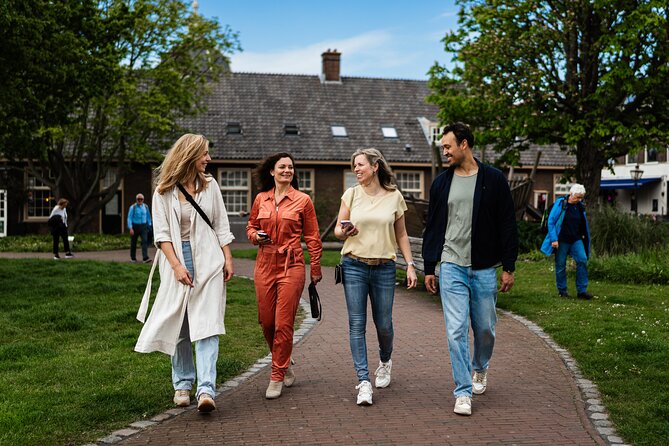
- You choose the start time within opening hours, so you can build it around your day on Texel.
- One phone with data works: the game runs on your smartphone, and you’ll want mobile data.
- Original stops across Den Burg: newspaper office vibes, the street of Burgwal, and a modern glass building.
- Short walking route: roughly 2,5 km total, so it’s doable even if you’re not marathon-fit.
- Puzzles land in the sweet spot for most people: fun, not overly easy, not punishment-level hard.
- Results check at the end: finish strong, then see your score in the game wrap-up.
A self-guided goose hunt through Den Burg
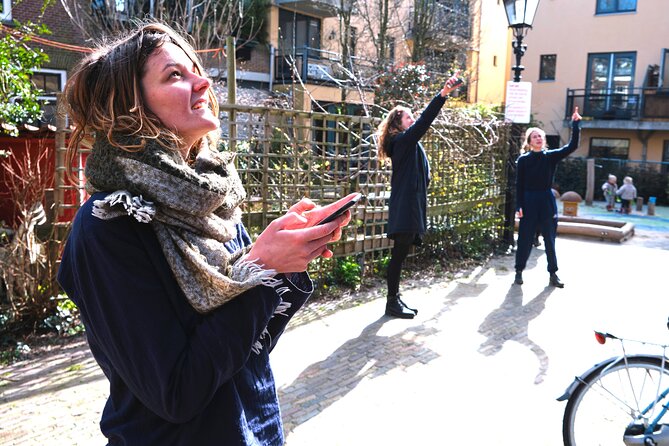
This Outside Escape game is basically a walking story you play at your own pace. You start with a discovery—an old piece of wood—and then the town becomes your map. The objective is to go on a goose hunt through Den Burg to locate the shipwreck and find the cargo.
What makes that premise work on Texel is that Den Burg isn’t huge. That means you can stay focused on the game instead of fighting transit, parking, or complicated directions. And because it’s self-guided, you don’t have to coordinate with a group leader’s schedule.
Also, you get a nice blend of everyday places and specific points of interest. You’re not just collecting coordinates. You’re noticing details—signs, local institutions, and streets that you might normally stroll past without a second look.
Timing, distance, and what to wear
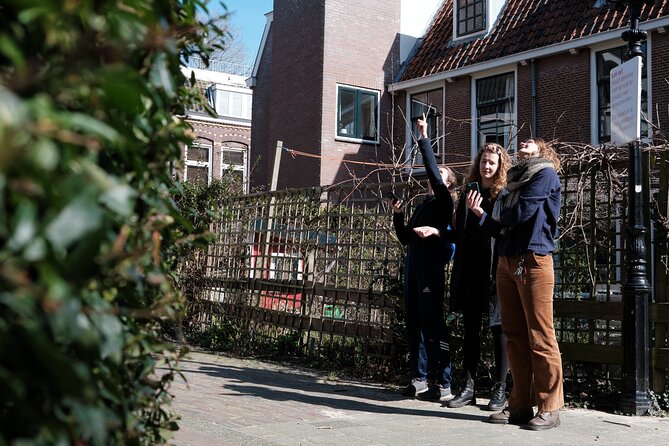
Plan for about 2 hours of walking and puzzle time. The broader estimate is 1 hour 30 minutes to 2 hours 30 minutes, which usually depends on how fast your team solves, how often you pause to think, and whether you stop for a drink along the way.
The route length is given as approximately 2.5 km, so it’s short enough that weather and energy level matter less than you might think. Still, you’re walking around town, so I’d treat it like a normal sightseeing stroll: comfortable shoes and a phone that’s charged.
A practical tip: if your battery is low, the game can become more stressful than fun. You’re using a smartphone for the puzzles, so keep your power in mind.
Price and value: $28.92 for up to 6
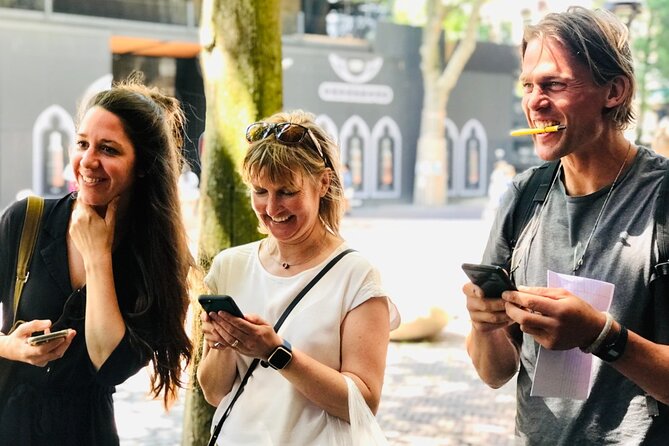
The price is $28.92 per group (up to 6 people). That’s the kind of pricing that can work out really well if you actually fill the team size.
If you go as a full group of 6, you’re effectively paying about $4.82 per person for roughly two hours of activity. If you go with fewer people, the per-person cost rises, but it still tends to feel fair because the “group” ticket covers the whole experience for everyone playing together.
One more money-saving detail: the route stops are tied to public places and local points, and the stop list shows free admission for the listed places. That matters because you’re not stacking museum tickets or surprise entry fees on top of the game price.
Getting started at Vismarkt 7, ending at Groeneplaats
The game starts at Vismarkt 7, 1791 CD Den Burg. Your ending point is Groeneplaats, 1791 CC Den Burg.
The timing flexibility is a big plus. You can start at any moment you choose, as long as you’re within the operating window of 7:00 AM to 11:00 PM. That makes it easy to pair with other Texel plans, whether that’s lunch first or a late afternoon walk.
You’ll also appreciate the simple logistics: it’s a private tour/activity, so it’s just your group. That’s good for the group dynamic because you can collaborate without strangers chiming in or waiting for anyone else.
And if you’re traveling with a service animal, it’s allowed. The experience also notes it’s near public transportation, which is useful if you’re staying outside the town center.
Stop-by-stop: how Den Burg becomes part of the puzzle
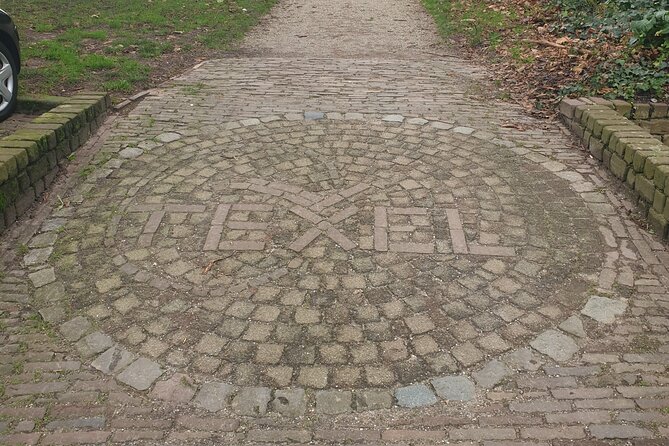
You’ll hit seven main stops, each one feeding the story and giving the game a reason to pull you from street to street.
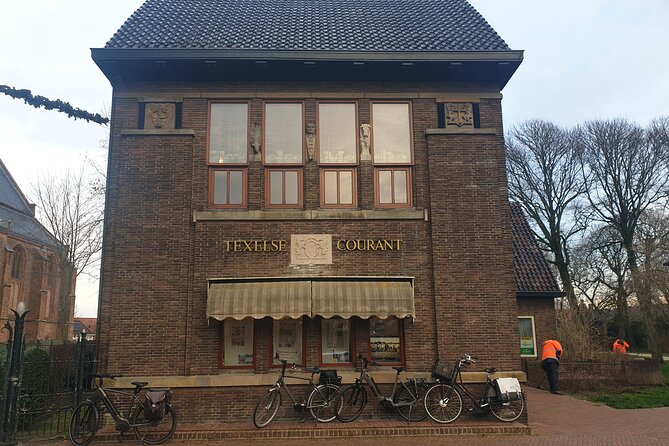
Stop 1: Texelse Courant
Your first stop is Texelse Courant, a local newspaper that serves the island of Texel. Starting with a newspaper office is a clever choice. It signals the game is about local knowledge, not just generic city landmarks.
I like this stop because it gives the story a grounded feel: ships, cargo, and local lore all belong in the same conversation. Even if you’re not a newspaper reader, you’ll get the sense that Den Burg keeps records of what happened on the island.
Stop 2: Burgwal
Next is Burgwal, a historically significant street in Den Burg. The name is linked to fortification ideas, and today it’s the kind of town-center street where shops and restaurants keep the area active.
In a game like this, Burgwal works as a “reset” moment: you go from one clue source (the newspaper) into a pedestrian-friendly stretch where it’s easy to look around and regroup as a team.
Stop 3: Het Glazen Paleis
Then you reach Het Glazen Paleis (the Glazen Paleis). The name fits: it’s known for its modern look, with big glass panels that feel more contemporary than the older buildings around it.
This is a good puzzle stop because it’s visually easy to spot. When you’re playing outdoors with a phone, strong landmarks help you keep flow. It’s the kind of place where you don’t waste time guessing.
Stop 4: OSG de Hogeberg
After that comes OSG de Hogeberg, an educational institution. This is one of those stops that adds texture to Den Burg. It’s not just tourist-facing scenery; it’s a real part of how the town functions.
For your team, school-area stops can be a nice change of pace from purely commercial streets. Just remember you’re walking through active public space, so keep the game moving without blocking entrances or foot traffic.
Stop 5: Cinema Texel
At cinema Texel, you get a cultural stop that feels ordinary in the best way. A cinema is a familiar anchor point, and it can help your team stay oriented if you’ve been puzzling for a while.
This is also the kind of stop where you can take a quick breather. If your group has started to disagree on answers, a short pause here can put the collaboration back on track.
Stop 6: Oudheidkamer Texel
Oudheidkamer Texel is the island’s history-focused space, centered on preserving and showing Texel’s heritage. When the game story is about a shipwreck and cargo, this stop makes thematic sense.
This is the kind of place that helps you connect the puzzle to the island itself. Even if you don’t go deep into exhibits (time is limited), the stop encourages you to think about how Texel remembers its past.
Stop 7: Groeneplaats
Finally, you wrap at Groeneplaats, a public square that acts as a social and commercial focal point in Den Burg. Ending on a square is smart. It feels like a natural finish line, and it’s usually a comfortable place to talk through what you figured out.
In one group experience, the wrap-up included time to solve a raffle element on a terrace, which is exactly the kind of happy ending this format can create: you solve, then you sit.
Puzzles: fun, not too easy, but not always crystal clear

The puzzles are a key part of why this works. The best versions of these games hit the right level of challenge: they keep you thinking, but they don’t turn it into a test.
In particular, I like that the puzzle style tends to be original—not the same copy-paste riddles you see in every self-guided outing. The difficulty also seems to land in a balanced zone: engaging for adults, and doable for mixed teams when everyone participates.
That said, one caution is about instructions. If your group gets stuck because the guidance feels too vague, you’ll burn time without progress. My advice is simple: start slow. Read what the game asks for before you rush into guessing.
The good news is that the operator has shown they take feedback seriously and keep improving routes. So if you hit a confusing moment, it’s worth treating it as part of the learning curve—especially with a team of 3 to 6.
Phone-first play: the small tech details that matter

This is a mobile ticket experience, and you only need a smartphone with a mobile data plan. That’s it—no extra devices.
Because the game relies on your phone, a few practical moves pay off:
- Charge your phone beforehand and turn on battery saver if you have one.
- Plan your data: without data, you may run into loading or clue access problems.
- Assign roles: one person reads prompts, another handles the map/location checking, and the rest solve together.
Also, since it’s private to your group, you won’t have to negotiate around others in your team’s flow.
Where this fits best (and who should skip it)
This game fits best if you like three things: walking around a town center, light problem solving, and learning local details without a lecture.
It’s also ideal for groups because the structure is made for teams up to 6. With multiple people, you naturally split tasks: someone checks clues while someone else spots clues in the environment.
Who might not love it? If your idea of sightseeing is purely scenic and you hate puzzles, this won’t convert you. Also, if your group really needs very step-by-step clarity to stay comfortable, go in with patience at the start.
Age-wise, it’s noted for 12+, which suggests it’s intended to be playable by teens and adults together as a group activity.
Make it a smoother win: my practical game-day tips
If you want the most fun with the least frustration, do these small things:
1) Pick the right time of day
You can start between 7:00 AM and 11:00 PM. For most people, that means you can choose the least hectic hour for walking and the best light for reading signs and spotting landmarks.
2) Bring team energy, not just brains
The best groups share ideas quickly and avoid locking into one incorrect assumption. If you feel a spiral starting, take a 3-minute break and reset.
3) Use Den Burg’s flow to your advantage
The route is short, so you can keep momentum. When your team hesitates, step forward a few meters and re-check your surroundings before you blame the game.
4) Plan a finish stop
Since you end at Groeneplaats, you have a natural place to reward yourselves: a drink, a snack, or just sitting with the satisfaction of finishing.
Should you book this Outside Escape in Den Burg?
Yes, if you want a simple, affordable group activity that turns Den Burg into a puzzle trail. The value is strongest for families and friends traveling together, and the walk length and timing are manageable for most people.
I’d say book it when:
- you’re already in Den Burg and want something different from standard sightseeing
- you have a group of 3 to 6 who enjoy thinking together
- you want to learn Texel through everyday local stops rather than a long museum day
Skip it when:
- puzzles make you impatient
- you don’t want to use a smartphone and rely on mobile data for clues
- your group prefers heavily guided experiences with strict step-by-step direction
If you’re on the fence, this is one of those activities where the format does the heavy lifting. You’re not just paying for walking; you’re paying for a story engine that gets you noticing Den Burg.
FAQ
How much does the self-guided Outside Escape game cost?
It costs $28.92 per group, up to 6 players.
How long does the experience take?
It takes about 1 hour 30 minutes to 2 hours 30 minutes, and the route is described as approximately 2 hours to complete.
How far do you walk?
The game route is about 2.5 km long.
Do we have to start at a specific time?
No. You can start any moment you choose during the operating window of 7:00 AM to 11:00 PM.
What do I need to play?
You only need a smartphone with a mobile data plan, plus you’ll use a mobile ticket.
How many people can play?
It’s suitable for a team of up to 6 players and is marked as private for your group.
What ages is it for?
It’s suitable for players aged 12+.
Where does it start and end?
Start at Vismarkt 7, 1791 CD Den Burg and end at Groeneplaats, 1791 CC Den Burg.
What’s the cancellation policy?
You can cancel for a full refund up to 24 hours in advance of the experience start time. If you cancel less than 24 hours before, there’s no refund.