REVIEW · AMSTERDAM
Amsterdam: Rijksmuseum Private Tour
Book on GetYourGuide →Operated by Orange Adventures · Bookable on GetYourGuide
Golden-age Dutch art, explained clearly.
This 2-hour private tour of the Rijksmuseum is a smart way to make sense of the Dutch Masters without getting lost in a sea of rooms. I like how the guide connects technique (how paintings are built) with the human story behind what you’re seeing, from Rembrandt to Vermeer and Frans Hals. You’re not just shown famous works; you get help reading them like visual storytelling, including the big Honorary Gallery moment with Rembrandt’s The Nightwatch.
Two things I really like: the art talk stays practical and concrete (you learn what to notice and why), and the guide can tailor the pace to what you care about. The one drawback to consider is that the Rijksmuseum can be crowded, and a few guests noted a sense of being a bit rushed near the end when the guide had another group right after yours.
In This Review
- Key things that make this Rijksmuseum tour work
- Rijksmuseum Dutch Masters: why this style still lands
- The 2-hour plan: what you’ll actually do inside
- 1) Start with orientation, then go straight to the point
- 2) Learn how to compare painting styles on the spot
- 3) Honorary Gallery and The Nightwatch
- 4) Highlights across Vermeer, Frans Hals, and more
- The guide makes it: technique talk you can use immediately
- What you’ll notice more after this tour
- Why the tour emphasizes everyday scenes (and what it means)
- Rembrandt’s The Nightwatch: the moment you’ll remember
- The Vermeer and Hals contrast: spotting the different kinds of genius
- “Medieval art” vs Dutch and Flemish Masters: the useful context
- Meeting inside the museum: how to avoid the first stress
- Price and value: $235 for up to 2, plus your ticket
- Amsterdam Card: a smart add-on if you’ll do more museums
- Who should book this Rijksmuseum private tour?
- Should you book it? My honest take
- FAQ
- How long is the Rijksmuseum private tour?
- What does it cost, and who is it for?
- Is the Rijksmuseum entrance ticket included?
- Where do I meet the guide?
- What languages does the guide speak?
- Is the tour wheelchair accessible?
- Is there free cancellation?
Key things that make this Rijksmuseum tour work
- Private time with a guide who adjusts to your interests
- Honorary Gallery access for The Nightwatch and close looking
- Technique + meaning: how paintings are made, not just what they depict
- Dutch Golden Age context: why Dutch painting turned closer to everyday life
- Skip-the-line advice to make crowds easier to manage
- Up to 2 people per group (good value for couples)
Rijksmuseum Dutch Masters: why this style still lands
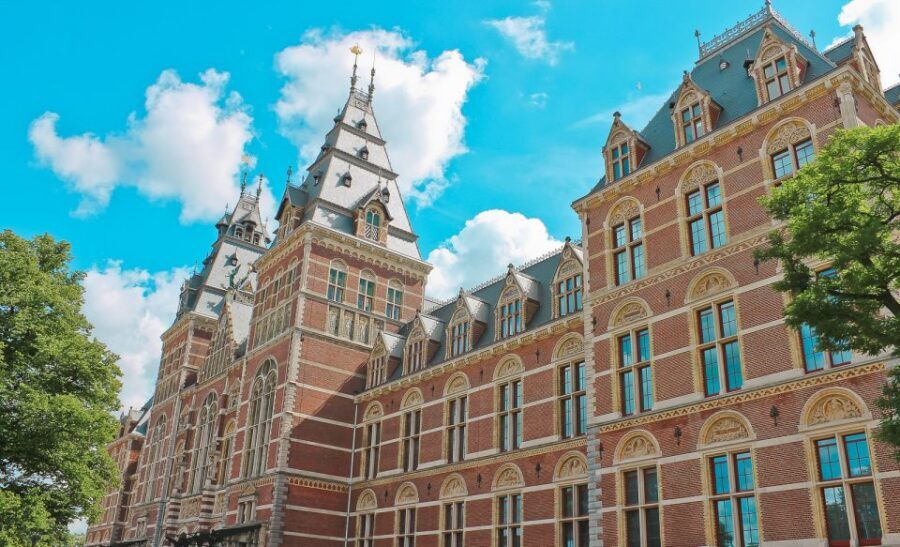
The Dutch Golden Age is special because the pictures feel close to real life. This isn’t medieval art where everything looks distant and symbolic in a different way. You’ll get the bigger picture behind the shift toward Flemish and Dutch Masters who pushed technique, realism, and storytelling—then made paintings that functioned like teaching tools.
That’s why this tour format helps. When someone explains how Rembrandt, Vermeer, and Hals painted, you start seeing decisions: where the light comes from, how faces are constructed, how movement is suggested, and why certain scenes were worth putting on your wall. Instead of feeling like you’re scanning names on labels, you learn how to read the painting as a message.
You can also read our reviews of more private tours in Amsterdam


The 2-hour plan: what you’ll actually do inside
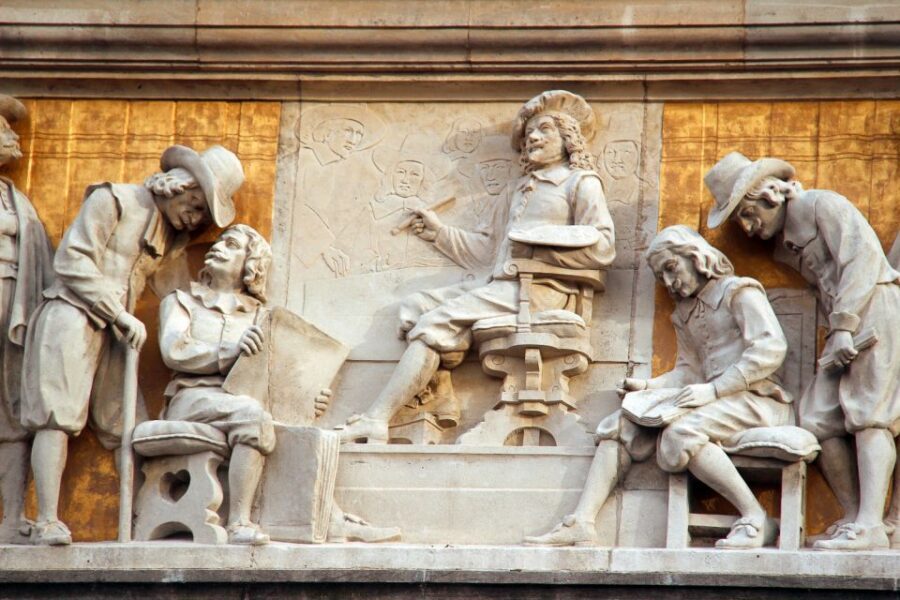
This tour is designed for a tight, high-impact visit. You’ll spend about two hours in the museum with a private guide, focusing on the kinds of works that give you a real foundation in Dutch painting.
Here’s the flow I’d expect based on how the tour is described and how guides run it:
1) Start with orientation, then go straight to the point
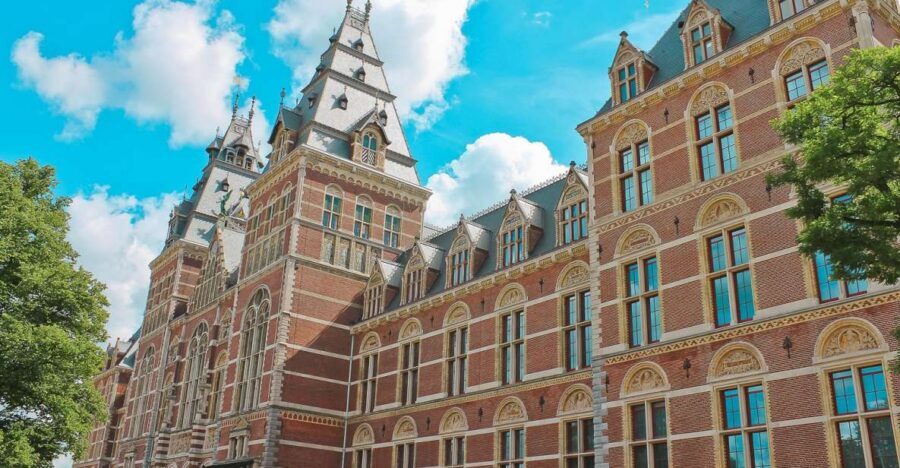
A strong guide usually begins with quick context—museum layout, what to notice, and how the Dutch Masters approach differs across artists. One guest noted their guide started with the Rijksmuseum’s architecture and history before turning to the art. That approach helps you understand why the galleries are arranged the way they are, and it reduces the feeling of wandering.
2) Learn how to compare painting styles on the spot
You’ll be encouraged to look closely and compare. That’s where the tour gets fun. The guide isn’t only explaining background facts; they help you notice differences in style and technique, so you can start answering questions like:
- How does one artist build depth?
- How does the painting handle light?
- Why does one work feel calmer while another feels full of motion?
3) Honorary Gallery and The Nightwatch
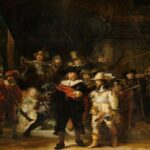
The big must-see stop is the Honorary Gallery for Rembrandt’s The Nightwatch. This is the moment most people come for, and the payoff is greater when someone helps you look beyond the obvious. Expect discussion of composition and visual storytelling—how the scene is staged and how Rembrandt’s choices make the work feel alive.




4) Highlights across Vermeer, Frans Hals, and more
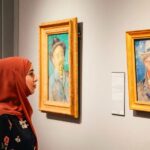
After The Nightwatch, the tour moves into other Dutch Masters highlights. You’ll see major works linked to Vermeer, Frans Hals, Rembrandt, and others, with explanations that connect subjects and style back to the culture of the time.
The guide makes it: technique talk you can use immediately
One thing that stands out in the strongest art tours is whether the guide can translate craft. This one is built around that. You’ll learn technical aspects of painting and how to spot them while you’re standing in front of the canvas.
From the way this tour is described, it sounds like the guide treats paintings like readable media. In the 1600s, a painting could be like a book or a cartoon—something people learned from, not just something to decorate with. The guide’s job is to help you catch that layer: how ordinary viewers might interpret a scene, what symbolism might be hiding in plain sight, and why certain subjects were popular.
What you’ll notice more after this tour
Even if you only do one art museum in Amsterdam, this can change how you see. You’re likely to leave with better “looking habits,” like:
- noticing the light source and how it shapes faces and fabric
- spotting how movement is constructed
- understanding why artists painted people closer to everyday life
Why the tour emphasizes everyday scenes (and what it means)
The Dutch Republic didn’t just worship kings and myth. Yes, grand themes like historical or mythological scenes still show up. But a big part of Dutch painting fame is the turn toward common life.
This tour’s framing helps you understand why: for many people, art wasn’t only status. It was part of education and identity. Daily scenes could carry meaning, and portraiture and community subjects let viewers see themselves in a bigger story.
If you’ve ever felt that museums are all “names and dates,” this is a different vibe. It’s more like learning a language—how the culture speaks through images.
Rembrandt’s The Nightwatch: the moment you’ll remember
Rembrandt’s The Nightwatch is one of those paintings that looks famous even before you get close. But up close, it can still feel like sensory overload if you don’t know what you’re supposed to look for.
That’s why the Honorary Gallery stop is the heart of the tour. Your guide will help you slow down and connect the visual choices to the storytelling. In a crowded museum, this kind of guidance matters. You’re not just trying to stand there and guess—someone shows you how to see.
Also, the guide’s energy seems to matter here. Several guests praised a lively, enthusiastic style. When the guide is confident, you’ll likely feel pulled in instead of pushed through.
The Vermeer and Hals contrast: spotting the different kinds of genius
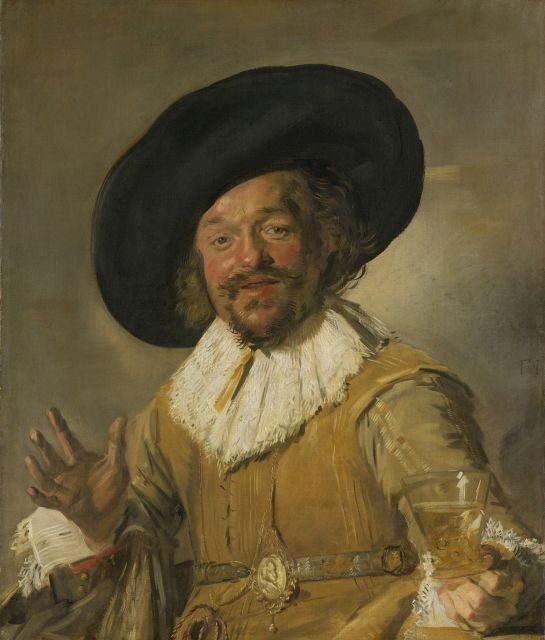
Vermeer and Frans Hals are a great pairing because they deliver different emotional effects. Vermeer often feels quieter and more controlled. Hals can feel more animated—faces and expressions with a different kind of snap.
With a private guide, you can compare without it becoming homework. You’ll likely get prompts and questions while you look, so you start paying attention to how each painter handles:
- expression
- texture and detail
- composition and emphasis
One guest specifically mentioned their guide asked interactive questions—what they noticed in a painting, how they compared one to another, and what they liked or didn’t like. That method makes the tour feel like a conversation, not a lecture.
“Medieval art” vs Dutch and Flemish Masters: the useful context
This tour doesn’t pretend medieval art is the same thing. It points out differences so you can place what you’re seeing in time and style.
Why that matters: the Rijksmuseum can be overwhelming because you’re moving between eras and schools. When someone gives you a simple framework—how medieval painting tends to feel different, and how Dutch and Flemish Masters changed the game—you stop treating the museum like random highlights and start building a mental map.
Meeting inside the museum: how to avoid the first stress
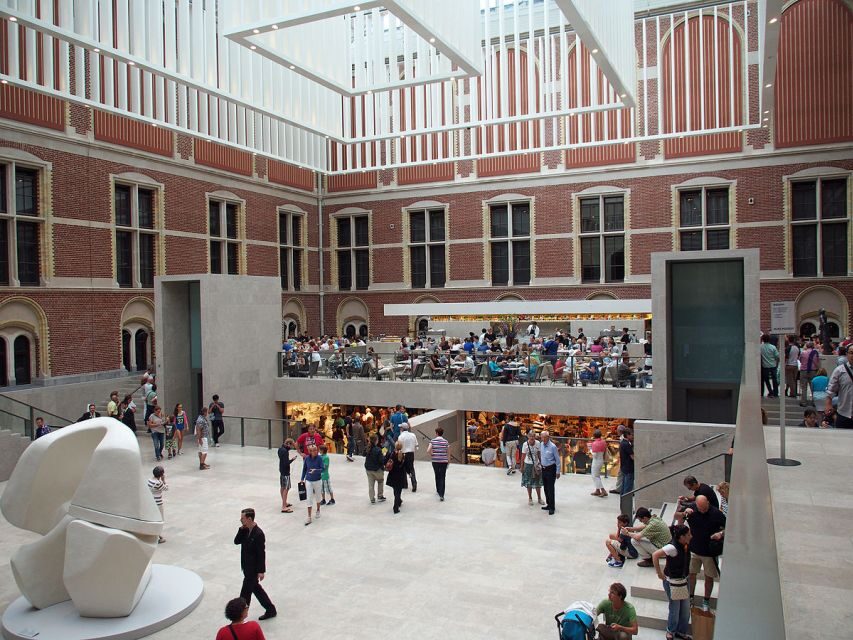
This is one place where a little planning saves time. Your guide meets you inside the museum, after you’ve entered. The meeting point is described like this:
- Look for the round info counter.
- Go about 10 meters to the right.
- You’ll see a little sign that reads meeting point.
If you’re arriving during a busy period, I’d give yourself a buffer to get through the museum entry calmly. Private tours are more enjoyable when you’re not sprinting to catch up.
Price and value: $235 for up to 2, plus your ticket
The price is $235 per group up to 2 people for a private tour. The entrance ticket is not included, so you’ll need to budget for museum admission separately.
Is it good value? For me, it usually is when one or more of these are true:
- You’re traveling as a couple or small group and can split the cost.
- You care about learning how to look, not just checking boxes.
- You want a guide who can keep the pace realistic in a crowded museum.
If you’re solo, it may still be worth it if you really want the focused attention. Just remember you’re paying for privacy as much as for content.
Also, the tour includes advice on skipping the line (or making the wait more bearable). That kind of practical help can be worth real money in a busy museum, because time lost to crowd frustration is time you can’t get back.
Amsterdam Card: a smart add-on if you’ll do more museums
There’s a specific suggestion here: consider getting an Amsterdam Card. It’s said to provide:
- unlimited museum access
- public transport, including train service from the airport into Amsterdam city centre
- trams within town
If you plan to stack multiple museums, this can reduce ticket headaches and make your days smoother. If you’re only doing the Rijksmuseum (or just one or two sites), you might still compare options based on your schedule.
Who should book this Rijksmuseum private tour?
I’d put this tour high on the list if you:
- love Dutch art and want a clearer grasp of Rembrandt, Vermeer, and Hals
- want an art explanation that’s technique-forward and human in tone
- are traveling with teens and want them engaged (some families said their teenage boys stayed interested)
- need a guide who can handle different ages and needs (one guest noted the guide arranged wheelchair support for a family member)
- prefer a private group instead of a large tour herd
If you’re the type who enjoys reading on your own and moving at your own speed, you might feel limited by a fixed two-hour window. Still, the private format keeps the visit from feeling rushed like a group tour.
Should you book it? My honest take
Book it if you want to leave the Rijksmuseum with more than a list of famous paintings. This tour is built to teach you how to look—how technique connects to meaning—so you don’t just see masterpieces. You understand them.
Skip booking only if you’re budget-tight and willing to trade depth for flexibility, or if you already feel confident reading Dutch Golden Age paintings without guidance. In a museum this popular, guided help can turn a crowded visit into something calmer and more rewarding.
If you do book, go in with a simple game plan: pick a few artists you care about most, and let your guide connect the dots as you walk. That’s when the two hours really pay off.
FAQ
How long is the Rijksmuseum private tour?
The tour is described as a 2-hour private tour of the Rijksmuseum.
What does it cost, and who is it for?
It’s listed at $235 per group up to 2 people.
Is the Rijksmuseum entrance ticket included?
No. Entrance tickets are not included.
Where do I meet the guide?
Meet your guide inside the museum after you enter. Find the round info counter, then go about 10 meters to the right where you’ll see a small sign that reads meeting point.
What languages does the guide speak?
The live guide is available in Dutch, English, and German.
Is the tour wheelchair accessible?
Yes. The activity is wheelchair accessible.
Is there free cancellation?
Yes. You can cancel up to 24 hours in advance for a full refund.