REVIEW · AMSTERDAM
Amsterdam: Waterland District Countryside Villages Bike Tour
Book on GetYourGuide →Operated by Yellow Bike Tours & Rental · Bookable on GetYourGuide
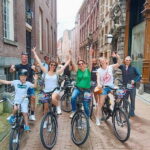
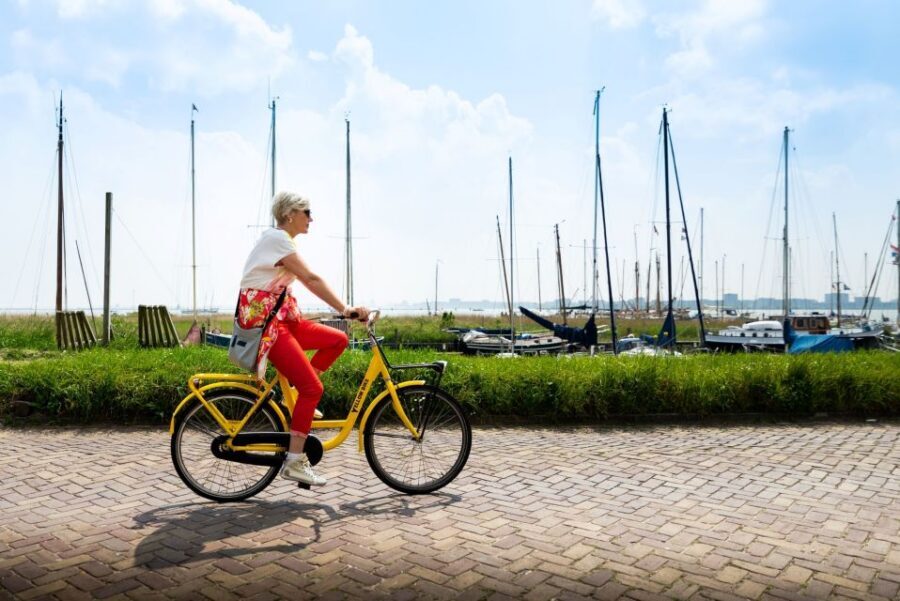
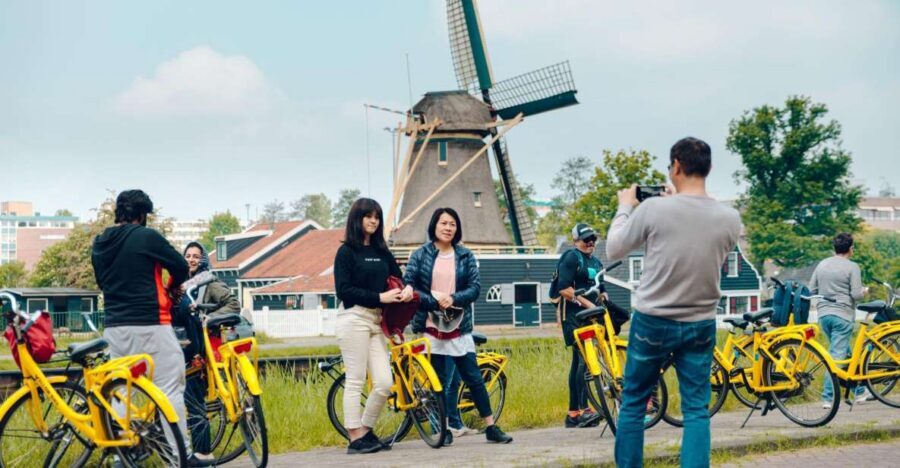
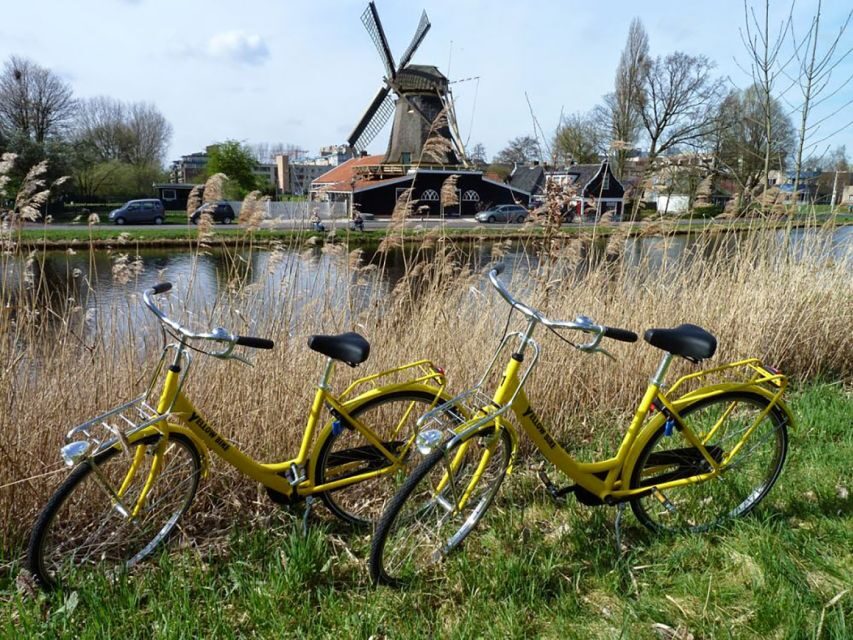
The countryside shows up fast. In about 15 minutes north of Amsterdam, you swap city noise for flat farmland, watery dikes, and small wooden houses in Waterland. You’ll ride with a guide who gives clear context as you pass landmarks like the D’Admiraal windmill.
I especially love how easy the route is to follow and how the flat terrain keeps the focus on scenery, not stress. I also like the human touch from the guide, with interactive storytelling and question-friendly pacing (a big plus if you’re traveling with kids or you just don’t want to feel rushed).
One heads-up: food and drinks aren’t included, even though you’ll stop at a Dutch café for about 30 minutes. Bring water, and expect to pay for whatever you choose to eat.
In This Review
- Key highlights you’ll feel right away
- From Central Station to Waterland’s villages: a fast switch from city to country
- How the 3.5 hours pans out on the bike (and what you should expect)
- D’Admiraal windmill, then hamlets and waterways: what each stop adds
- The ferry crossings: why a few minutes on water are worth it
- The Hotel-Cafe De Zwaan break: plan your lunch strategy
- The $57 value: what you pay for and what you get instead of crowds
- Who this tour suits best (and who should think twice)
- The guides: interaction and pacing are part of the experience
- Should you book this Waterland bike tour?
- FAQ
- How long is the Amsterdam Waterland District countryside bike tour?
- Where do I meet the guide?
- Is bike rental included in the price?
- Do I get food and drinks during the break?
- Does the route include ferry crossings?
- What language will the guide speak?
- Is the tour suitable for people with mobility impairments?
Key highlights you’ll feel right away
- A quick escape from central Amsterdam into Waterland’s villages and waterways
- Flat riding with frequent photo-friendly pauses and an adjustable pace
- Stops like D’Admiraal windmill and Durgerdam that make the countryside feel specific
- A guided history lesson focused on how the district was reclaimed from the sea
- A real break at Hotel-Cafe De Zwaan so you can reset, stretch, and refuel
- Ferry crossings that add variety without turning the tour into a whole production
From Central Station to Waterland’s villages: a fast switch from city to country
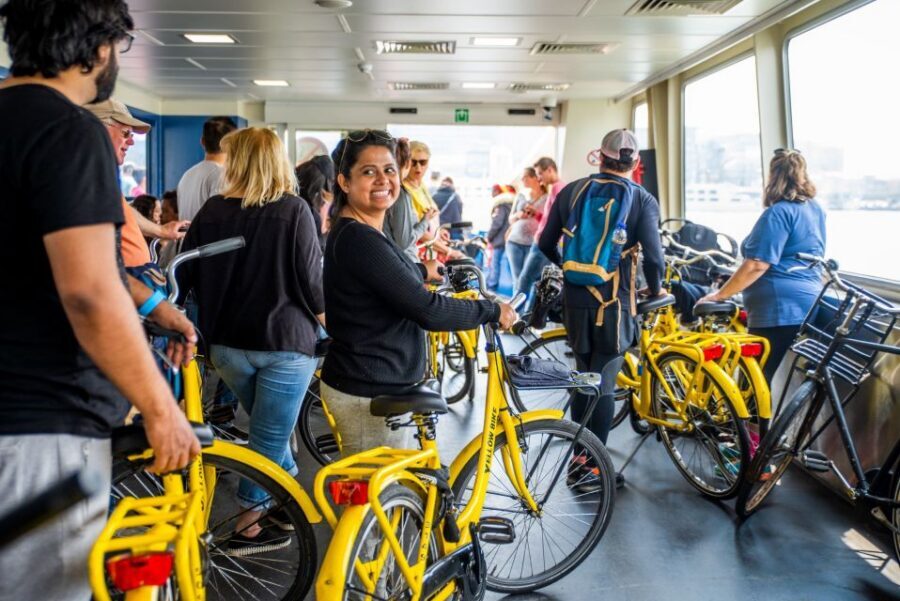
This tour is built for the feeling of stepping out of Amsterdam and into a different rhythm. You meet at Yellow Bike Tours & Rental, at Nieuwezijds Kolk 29, a short walk from Amsterdam Central Station. That location matters because it makes the start simple: you don’t need extra transit planning, and you can arrive close to the time you’re meant to depart.
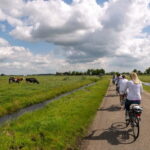
Then, you head north. The ride quickly trades canals and crowded streets for wide fields, gentle waterways, and the low, practical architecture you see in North Holland. Expect pancake-flat cycling most of the way, with the kind of scenery that’s made for a relaxed half-day outdoors.
The guide’s narration helps you connect what you’re seeing to why it’s there. Waterland isn’t just pretty. It’s about land, water, and the constant Dutch work of controlling both.
You can also read our reviews of more cycling tours in Amsterdam
How the 3.5 hours pans out on the bike (and what you should expect)
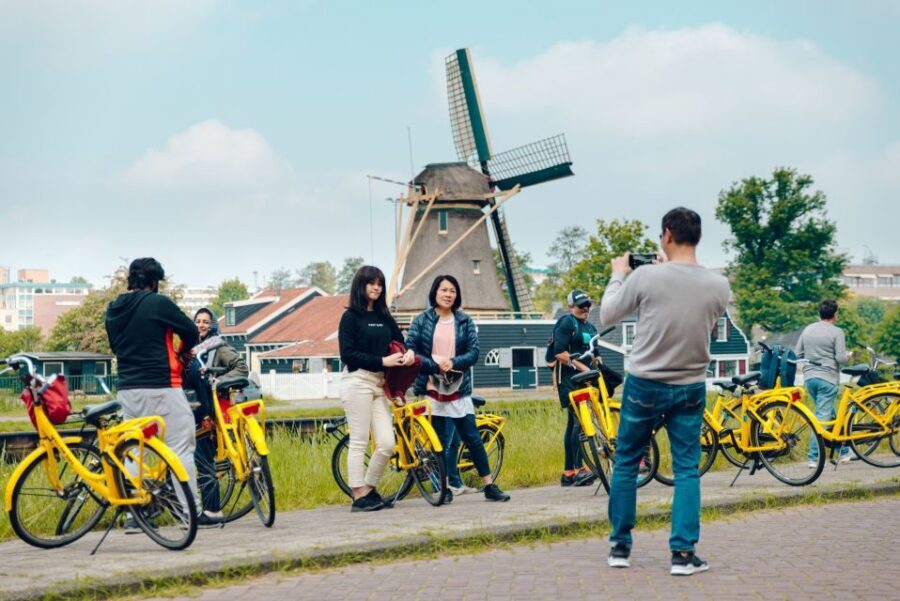
The full experience runs about 3.5 hours, including a 30-minute break. In practice, that means you’re not out all day grinding miles. It’s a good length for a first or second day in Amsterdam, when you want a “big” view change without committing to a full-day excursion.
Distance is often described around 20–23 km, and the pace is typically calm enough for a broad range of riders. Reviews also point out that guides keep the timing flexible for different comfort levels, which is a huge quality-of-life thing on a bike tour.
Still, read the fine print about effort. The terrain is flat, but some bikes used on this kind of tour are single-speed or more basic than you’d expect. If you’re used to geared road bikes, don’t assume you’ll coast on every stretch. You’ll likely pedal steadily the whole time, just without hills to deal with.
Practical tip: wear comfortable shoes and bring water. If the weather turns warm (it happens in the Netherlands), you’ll be glad you planned ahead. And if it’s windy, dress for it—you’ll notice it more when you’re riding next to open fields.
D’Admiraal windmill, then hamlets and waterways: what each stop adds
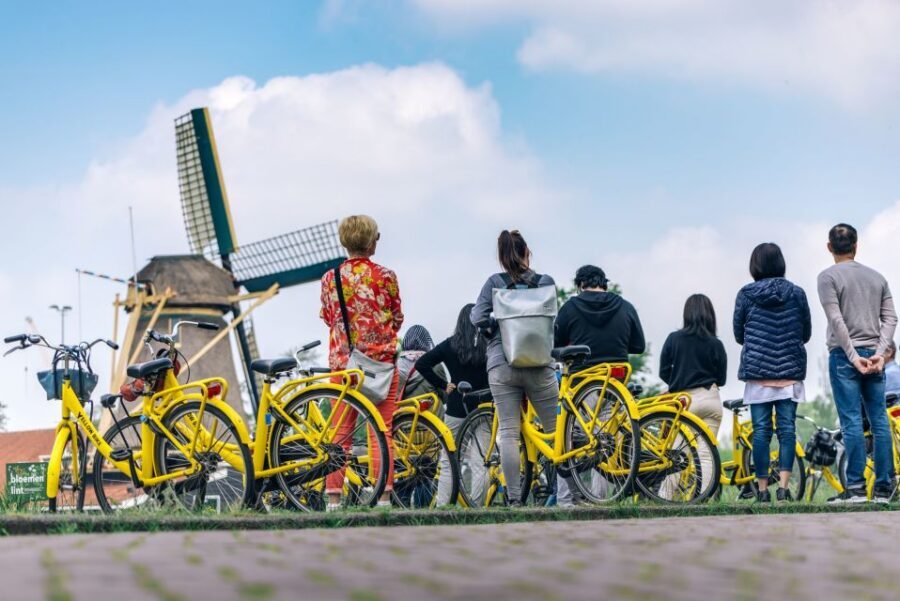
You don’t just ride past places—you pause at them. The sightseeing time is short at each stop (often about 10 minutes), but that’s intentional. It keeps the tour moving while still giving you context and time to look closely.
D’Admiraal Windmill
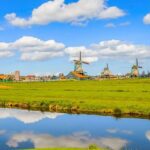
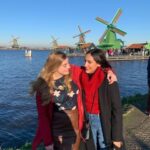
This is one of the early landmarks, with about 10 minutes to sightsee. Windmills are one of the most recognizable Dutch symbols, but on this tour they function like a story marker: you see how engineering and land management shaped everyday life in Waterland.
’t Nopeind and Zunderdorp
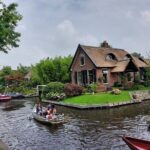
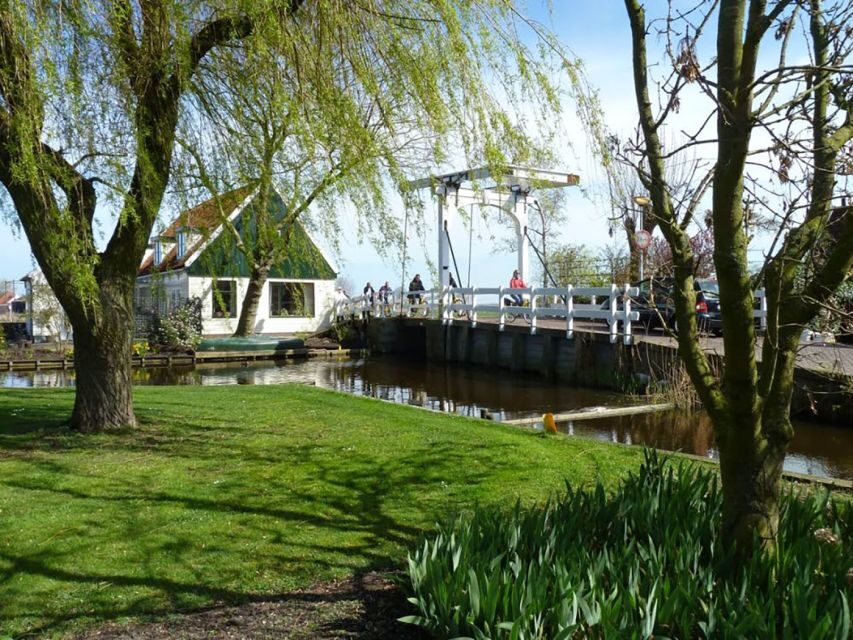
Next come small village stops, including ’t Nopeind and Zunderdorp, each with about 10 minutes. These aren’t big attractions with long museum lines. They’re more about slow observation—wooden houses, village-road layouts, and how the countryside looks when it’s lived in, not staged.
Molenslootpad
You’ll also ride along Molenslootpad for sightseeing time (about 10 minutes). Even if you’re not sure what the name means, the effect is clear: the route tracks the area’s relationship to water control. It’s a good moment to notice dikes and the way waterways shape travel and settlement.
Durgerdam
Later, you’ll reach Durgerdam for another 10 minutes of sightseeing. This helps keep the tour from feeling like a single loop of farmland. By this point, you’ve also gathered enough context to spot patterns: where the water runs, where land feels higher, and why certain roads and paths follow specific lines.
One drawback of this stop style: if you love long, lingering photo sessions, you might want more time at fewer points. The tour is structured for momentum.
The ferry crossings: why a few minutes on water are worth it
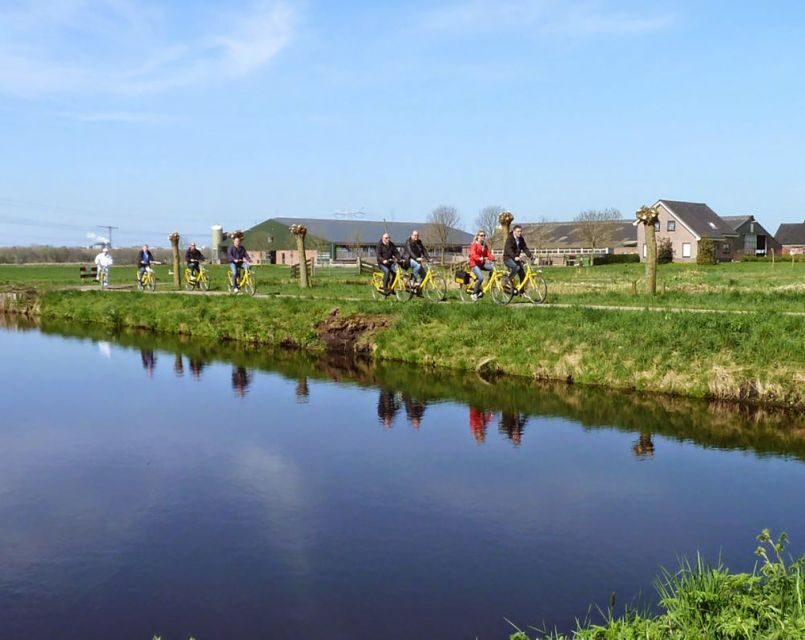
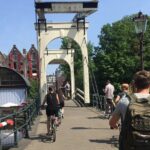
A bike tour can feel monotonous if it’s nothing but straight roads. Here, the route includes ferry segments that break up the cycling.
You’ll ride a short ferry segment of about 5 minutes early on, and then another ferry of about 10 minutes around the return. These short crossings do two things: they create variety, and they remind you that this region is defined by water management. Even when you’re only on the ferry briefly, you get a different perspective on the way the area is connected.
If you’re traveling with kids, the ferry moments usually add a little excitement without increasing difficulty. If you’re traveling solo, it’s also a mental reset—get off the bike, watch, breathe, and then rejoin the ride.
The Hotel-Cafe De Zwaan break: plan your lunch strategy
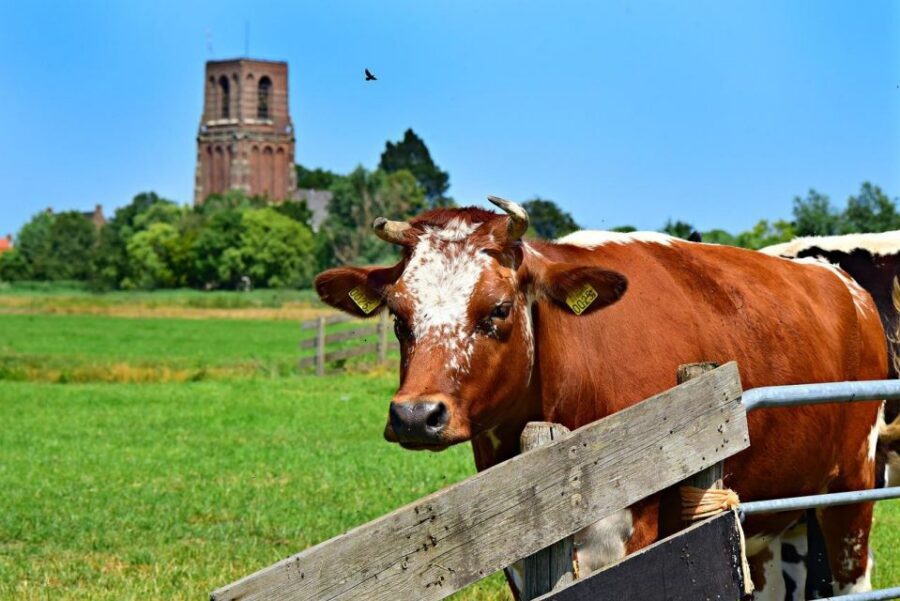
The midpoint stop is at Hotel-Cafe De Zwaan, with about 30 minutes to break. This matters because it’s not just a photo stop. It’s your chance to refuel and decide what kind of energy you want for the last stretch.
Food and drinks are not included, so treat this as a buying opportunity, not a provided meal. Many people choose something simple and Dutch—coffee, a quick bite, maybe a lunch item if you’re hungry. Bring cash or a card depending on what the café accepts, and do it with the Netherlands in mind: small decisions add up quickly if you’re not paying attention.
What I like about this structure is the timing. A 30-minute break is long enough to feel human again, but not so long that the tour drifts into the “we’re waiting around” zone.
Also, if you want to take photos, this is often the best moment. You can swap from riding-focus to viewing-focus.



The $57 value: what you pay for and what you get instead of crowds
At $57 per person for about 3.5 hours, the value comes from three things: a guide, bike rental, and a route that turns countryside into something understandable.
Without a guide, you can bike your own way across North Holland, sure. But you’d miss the reason Waterland feels the way it does. Here, you get storytelling about the district being reclaimed from the sea—land that exists because people engineered it to.
You’re also paying for convenience. Meeting near Amsterdam Central makes the tour easy to slot into your day. And bike rental is included, so you’re not wrestling with where to pick up a bike, how to size it, or what route to take.
One more value detail: the guides aim to keep a comfortable pace. Reviews mention guides who adjust rhythm for the group and stay interactive. That kind of “keep it comfortable” guidance is hard to replicate when you’re on your own bike route.
Price caution: since food and drinks aren’t included, budget a little extra for your café stop. If you’re the type who only drinks water and grabs a small snack, you’ll be fine. If you expect a full meal included, you’ll be disappointed.
Who this tour suits best (and who should think twice)
This is one of those Amsterdam activities that works for lots of travel styles.
You’ll probably love it if you want:
- A gentle countryside escape without planning a route
- Flat cycling that’s manageable for many ages and fitness levels
- Clear guidance so you know what you’re looking at—especially with water management and windmill context
- A small, human-feeling experience rather than a rush through major sights
It might not be ideal if:
- You dislike basic bikes or you strongly prefer gears. Some bikes described are single-speed or “standard,” meaning you may work more than you’d expect even on flat ground.
- You need mobility support. The tour isn’t listed as suitable for people with mobility impairments.
If you’re nervous about biking in a city, this is still a helpful choice because the route shifts quickly away from Amsterdam’s chaos and stays structured with a guide.
The guides: interaction and pacing are part of the experience
The biggest recurring theme is the guide. People praise guides for being interactive, answering questions, and keeping the pace aligned with the group. Names that have come up include David, Willem, Ties, Ryion, Frank, Arthur, Dorri, Bo, and Robert.
That matters because a bike tour can fail in a quiet way. If the guide is stiff, the route becomes just roads and motion. Here, the guide effort turns the ride into a coherent story—how Waterland developed, why dikes matter, and what the landscape tells you about Dutch ingenuity.
You also get a safety-minded approach. Reviews highlight guides who are conscientious about keeping things smooth and easy to follow. That gives you permission to enjoy the ride rather than constantly scanning for turns.
Should you book this Waterland bike tour?
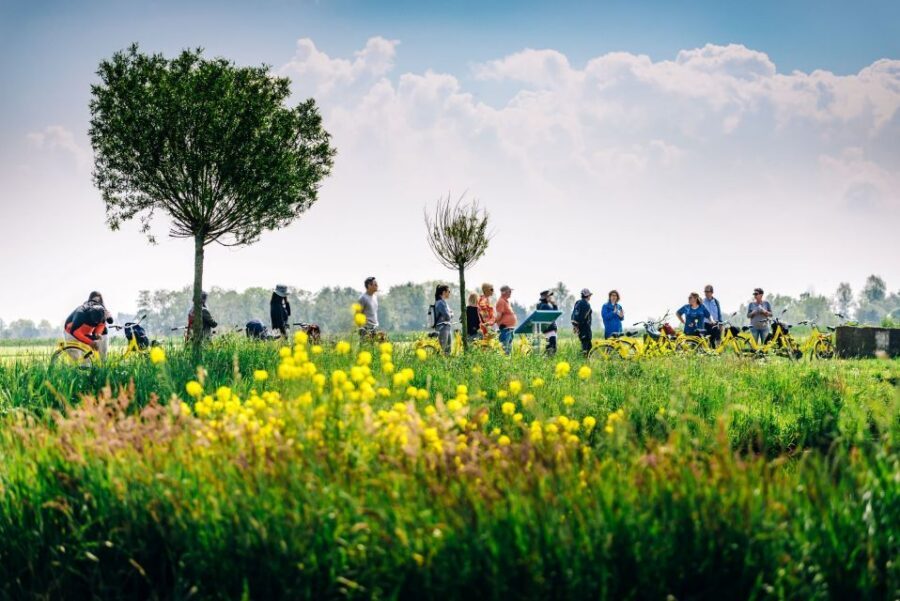
If you want a half-day that feels like a real reset from Amsterdam, I’d book it. For $57, you get bike rental, a guided route into North Holland’s Waterland villages, short sightseeing stops, ferry breaks, and a café pause to recharge. The flat riding keeps it accessible, and the guide’s history and Q&A make the experience feel more grounded than a simple scenery ride.
One decision point: bring budget for food at the café, since drinks and meals aren’t included. If you’re good with that, this is a strong choice for day-two energy, families, and anyone who likes the Dutch countryside but doesn’t want to figure it out alone.
FAQ
How long is the Amsterdam Waterland District countryside bike tour?
The tour lasts about 3.5 hours, and it includes an approximate 30-minute break.
Where do I meet the guide?
Meet at Yellow Bike headquarters at Nieuwezijds Kolk 29, near Amsterdam Central Station.
Is bike rental included in the price?
Yes. Bike tour and bike rental are included, along with a tour guide.
Do I get food and drinks during the break?
Food and drinks are not included. You’ll have about 30 minutes at a Dutch eatery to refuel on your own.
Does the route include ferry crossings?
Yes. The tour includes a short ferry ride of about 5 minutes and another ferry of about 10 minutes.
What language will the guide speak?
The live guide speaks Dutch and English.
Is the tour suitable for people with mobility impairments?
No, it is not suitable for people with mobility impairments.