REVIEW · AMSTERDAM
Amsterdam Ghost Hunt: Self-Guided Mystery Adventure
Book on Viator →Bookable on Viator
One good way to do Amsterdam is… with ghosts.
This self-guided mystery adventure turns a classic walking day into a phone-powered escape-game, with ghost-themed storyline and puzzle clues that guide you from spot to spot around the center. I like that it stays fully flexible (pause, resume, go at your pace) and I also like the idea of learning the darker side of famous landmarks while you’re actually moving through the streets. One thing to plan for: if a location is affected by construction or a closed clue, you may have to adjust on the fly.
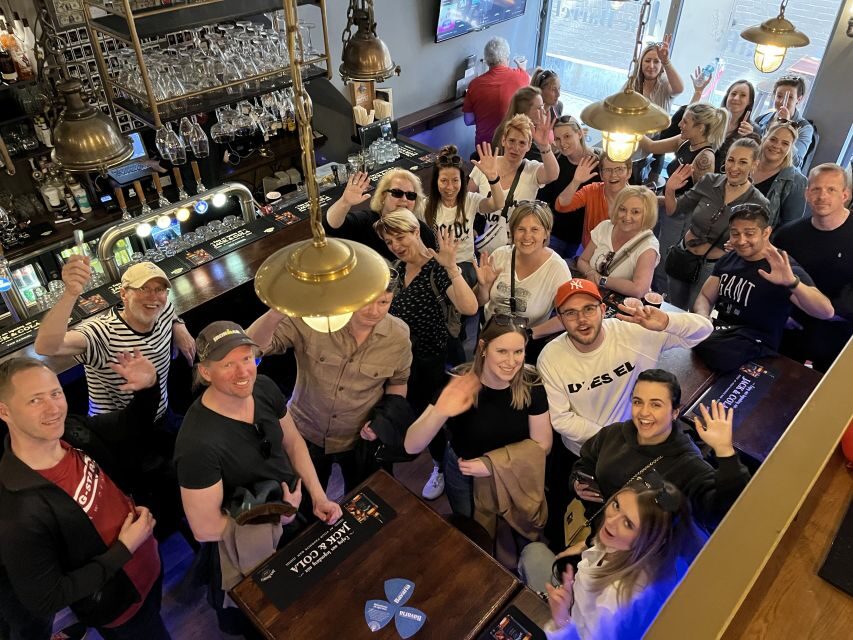
If you’re traveling in a group or with family, the vibe works because you can team up with friends or even play against each other. The format also keeps it private: your group is the only one doing the hunt. For the price point, it’s a smart use of time—just remember you’re doing it yourself, so you’ll want a smartphone that can last through a couple hours of maps and puzzles.
In This Review
- Key highlights I’d prioritize before you go
- How the Amsterdam ghost hunt app game actually plays
- Price and value: why $5.81 can make sense here
- Route overview: from Prins Hendrik to Westerkerk
- Starting at Hotel Prins Hendrik: your first clue and a good launch point
- Spooksteeg and Bloedstraat: alleys where the game starts feeling real
- Nieuwmarkt and Montelbaanstoren: switching from quick stops to longer context
- Zuiderkerk and Spinhuissteeg: famous names, puzzle-focused pacing
- Agnieten Chapel and Rasphuispoort: the “inside the story” stops
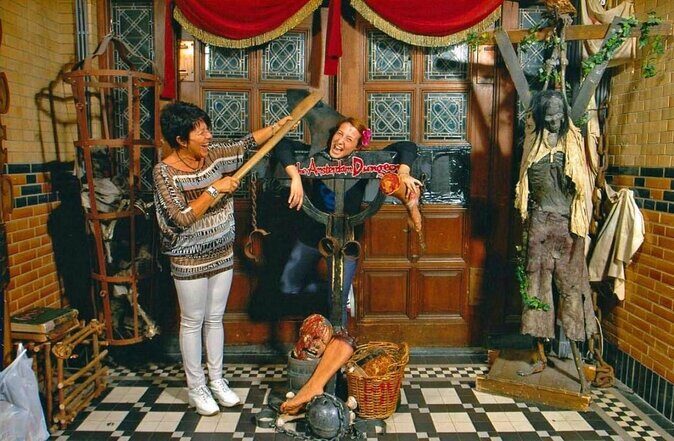
- The Amsterdam Dungeon stop: optional interior, game-first outside viewing
- Dam Square, Torensluis Bridge, and Homomonument: closing in on the finish
- Finishing at Westerkerk: when the story and puzzles wrap up
- What I think the puzzles are really doing for you
- Who should book this Amsterdam ghost hunt
- Tips to make your ghost hunt smoother
- Should you book the Amsterdam Ghost Hunt?
- FAQ
- How long does the Amsterdam Ghost Hunt take?
- What do I get when I book?
- Do I need a tour guide?
- Is this experience private?
- Where do I start and where does it end?
- Are attraction entrance tickets included?
- What if we get delayed and need to stop?
- What is the cancellation policy?
- Is it suitable for most travelers?
Key highlights I’d prioritize before you go
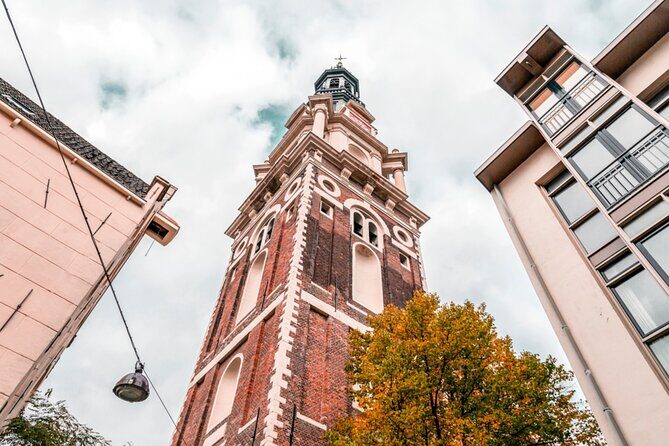
- Phone-based escape game with a ghost storyline that routes you between landmarks
- 15 puzzle challenges spread across multiple stops, so it doesn’t feel like one long scavenger hunt
- Private experience so your group plays without other teams joining
- Stop-and-stroll timing, including several stops that explicitly allow about 10 minutes on site (while still letting you linger)
- No tour guide required, which means you control pace and questions you do or don’t have
How the Amsterdam ghost hunt app game actually plays
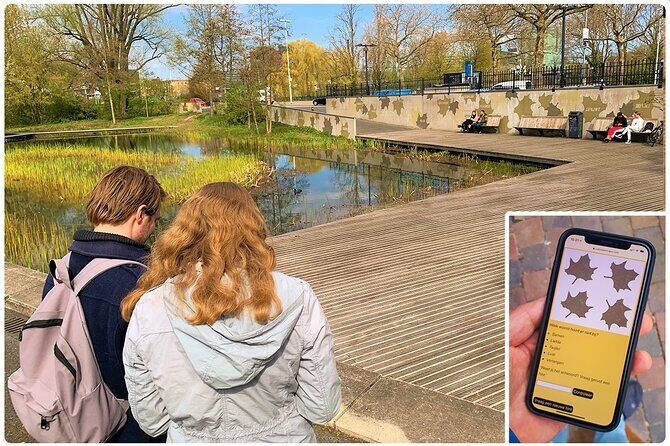
This is a self-guided city game you run on your smartphone. After you start at Hotel Prins Hendrik, you’re given a clue, solve it, and then the game directs you to the next location. The core structure is simple: find the next clue, solve the puzzle, and keep moving until you reach the finish at Westerkerk.
You’ll do about 15 puzzle challenges total. You’re not just clicking through trivia—you’re using the app to figure out what comes next, like you’re working a case. And since you can pause and resume anytime, you can handle bathroom stops, coffee breaks, or just taking a slower look at the street-level details without falling behind.
The best part for me is that the game turns famous Amsterdam addresses into a sequence. You’re not trying to remember where you are while also reading a guidebook. Instead, you’re walking with a purpose, and the next stop shows up when you’ve earned it.
You can also read our reviews of more guided tours in Amsterdam



Price and value: why $5.81 can make sense here
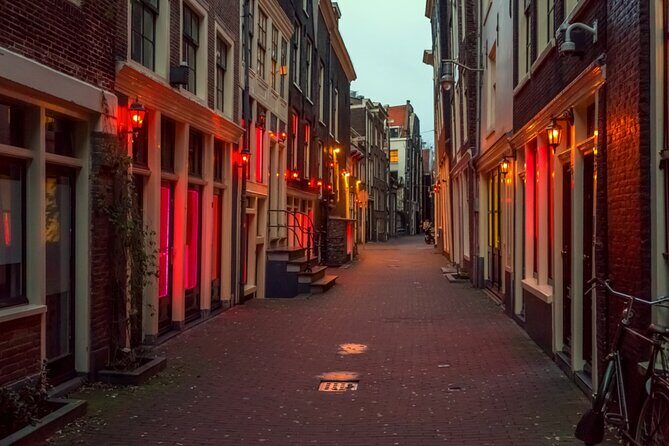
At $5.81 per person, this is priced like an activity, not a major attraction ticket. That matters because Amsterdam can get expensive fast once you add paid entry, guided tours, and time slots. Here, you’re mainly paying for the phone experience: the mobile access code, the ghost-themed storyline content, and the puzzle challenges that lead you through the city.
This also tends to be good value if you’re traveling as a group. There are group discounts, and the activity doesn’t require a paid guide for each hour. Your group gets to play together, and the game pacing doesn’t force you into someone else’s schedule.
A key value note: the game is structured around stops, but admission to attractions is not included. So if you want to go inside places like The Amsterdam Dungeon, you’d handle those entries separately (or skip interiors and keep it street-focused).
Route overview: from Prins Hendrik to Westerkerk
The walk is built around a clear start and finish. You begin at:
- Hotel Prins Hendrik, Prins Hendrikkade 52-58, 1012 AC Amsterdam
Then you work through a chain of named stops—Spooksteeg, Bloedstraat, Nieuwmarkt, Montelbaanstoren, Zuiderkerk, Spinhuissteeg, Agnieten Chapel, Rasphuispoort, The Amsterdam Dungeon, Dam Square, Torensluis Bridge, Homomonument (listed as the Gay Monument), and finally…
- Westerkerk, Prinsengracht 279, 1016 GW Amsterdam
This is where both the story and the game end.
The duration is listed at about 2 hours 30 minutes. Since several stops are labeled around 10 minutes each, you should think in terms of a steady walk plus puzzle time, with some wiggle room because you can stop as long as you like.
Starting at Hotel Prins Hendrik: your first clue and a good launch point

The experience kicks off at Hotel Prins Hendrik. That’s useful for a couple reasons: it anchors the game in a real, easy-to-navigate area and it gives you a starting point you can reach without stress.
When you arrive, you’ll get the first clue to solve the challenge. This matters because it sets the tone. You’re not just wandering—you’re learning how the app expects you to interact. Expect the early steps to be quick, then it settles into a rhythm: solve, move, solve, move.
Practical tip: if you want the least frustration, take 2 minutes at the start to make sure your phone can display the map and that your data or connection is working well enough for the app.
Spooksteeg and Bloedstraat: alleys where the game starts feeling real
Stop 1: Spooksteeg
Spooksteeg is where you get the next clue. It’s a short stop (listed at 10 minutes), and the game format makes it feel like a quick case file you can solve without getting bogged down.
Stop 2: Bloedstraat
You’ll do the same process at Bloedstraat: new clue, solve, then continue. This one is also labeled around 10 minutes.
Why I like this early phase: you’re still fresh, and you’re getting momentum while the route strings together the historic center. If you’re traveling with kids or a mixed-age group, these shorter segments can keep energy up. If your group likes challenges, early wins also help you stay in detective mode.
Possible drawback: because these clues depend on the physical surroundings, if a specific area is under construction or blocked, you might not be able to do the intended interaction in the exact way the clue expects.
You can also read our reviews of more tours and experiences in Amsterdam






Nieuwmarkt and Montelbaanstoren: switching from quick stops to longer context
After Bloedstraat, the game moves you toward Nieuwmarkt. From there, you’ll be routed to Montelbaanstoren.
Here’s what’s valuable about this middle section: it’s where the experience shifts from rapid-fire puzzle solving into a more “walk-and-read-the-city” style. The game provides ghost stories and history tied to the landmarks you pass. Even if you’re not a big museum person, that kind of short narrative content can give you something to look for when you’re standing outside a landmark.
You can stop for as long as you like at each clue point, so if you want to linger, this is a good place to do it. If your group prefers to keep pace, you can also breeze through because the app is designed to move you forward as you solve.
Zuiderkerk and Spinhuissteeg: famous names, puzzle-focused pacing

Next come Zuiderkerk and Spinhuissteeg. Again, the pattern stays the same: new clue appears, you solve it, and then you head to the next location on your map.
This section is a good example of the game’s best strength: it makes you pay attention to street-level details instead of zoning out while you walk. Even if you already know the landmark name from photos, the puzzle component pushes you to actually look in the right places.
If you’re a photographer, you’ll likely enjoy this stretch too. The route connects several well-known city features, and the game encourages you to pause at the right time instead of just scanning quickly as you walk past.
Agnieten Chapel and Rasphuispoort: the “inside the story” stops
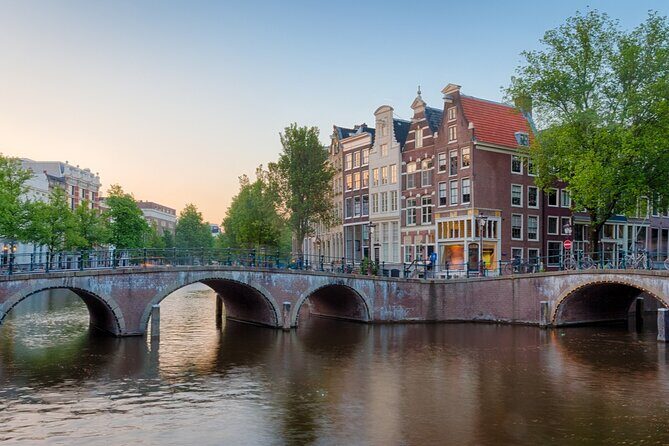
The route continues to Agnieten Chapel and Rasphuispoort. In a self-guided format, these kinds of stops often do two jobs:
1) they give you a named anchor in the city
2) they provide more story content tied to the clue
What you should expect is that the app’s ghost-themed narrative ties into the place in some way, and the puzzle expects you to use what you’re seeing and reading. The exact method depends on the clue format, but the consistent idea is: you’re connecting the story to the surroundings.
If you’re doing this with friends and want some friendly competition, this is also where your group’s different strengths can show. One person might read faster, another might spot visual details, and another might handle the app navigation. The experience is set up so you can team up—or play against each other—so the problem-solving style can feel social rather than solitary.
The Amsterdam Dungeon stop: optional interior, game-first outside viewing
One of the named stops is The Amsterdam Dungeon. The key point for planning is simple: entry tickets to attractions are not included. That means the game can still work as an outdoor clue hunt, but if you want to go inside, you should plan on buying that ticket separately.
Why this works well: even if you skip interiors (maybe you’re keeping the day light, or it’s a long line), you still get the city-walk benefit and the puzzle-driven story connection. If your group does want to go in, you can treat it as a bonus—and still keep the game as the main event.
Dam Square, Torensluis Bridge, and Homomonument: closing in on the finish
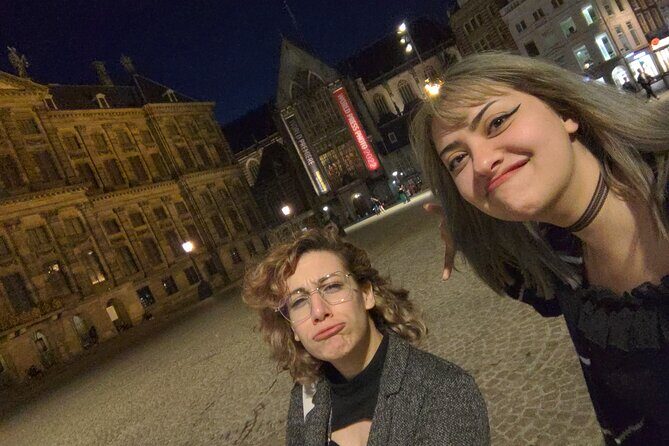
Stop 3: Dam Square
Dam Square is labeled around 10 minutes. It’s a natural “big open space” moment in the route, which makes it easier to regroup and check your bearings without breaking the flow of the game.
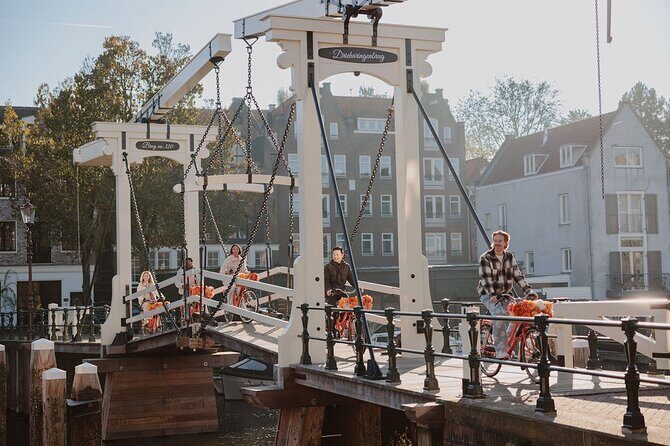
Then the hunt continues to Torensluis Bridge and the Gay Monument, listed as Homomonument. This part of the route adds variety: you shift from open-center energy back into a more focused walk through the historic core.
Homomonument is also a nice example of how the app uses real city landmarks rather than generic “mystery spots.” Even if you don’t know the background already, the game’s story content gives you a reason to slow down and pay attention.
Finishing at Westerkerk: when the story and puzzles wrap up
The final stop is Westerkerk. This is where the experience ends, and both the story and the game are finished here.
It’s a practical finish for a couple reasons:
- You’ve got a clear endpoint (less guessing)
- The walking circuit feels like a true loop through the center
- You can stop when you want, without needing to find another meeting point afterward
If you’re hungry after the game, this is where you can reward yourselves. Since you’ve been on foot and solving puzzles, you’ll probably feel ready to sit down somewhere nearby.
What I think the puzzles are really doing for you
The game isn’t just about being spooky. The value is that it mixes three things that are easy to separate when you travel:
- movement (you’re walking from place to place)
- attention (the puzzle makes you look and read carefully)
- context (the app provides ghost stories and history tied to the sites)
That combination is why this tends to work well for people who want a little education without committing to a long guided tour. It’s also why it’s a solid choice for families: the story and puzzles give kids a job to do while adults get the “why does this place matter” angle.
Also, the experience feels detective-like. You’re thinking like a sleuth: solve the clue, move to the next station, and keep going until the story ties together at the end.
Who should book this Amsterdam ghost hunt
This is a great fit if you:
- want a low-cost, self-guided way to see Amsterdam’s center on foot
- like puzzle games and want something more active than a standard walking tour
- are traveling in a group and want to team up (or compete)
- want a family-friendly “history with story” format
It’s less ideal if you:
- strongly prefer a guided explanation the whole way (there’s no tour guide included)
- need fully predictable outdoor access for every clue point, because construction or closures could affect a specific spot
If you’re doing Amsterdam for the first time and want something that feels different from the usual museum day, this checks that box.
Tips to make your ghost hunt smoother
A few practical moves help a lot:
- Charge your phone before you start. This is app-driven, and you’ll be walking and using the map.
- Keep an eye on time. The listed duration is about 2.5 hours, but breaks add up fast if your group gets caught up in photos.
- Assign roles. One person can focus on the clue, another on navigation, another on scanning the area where the clue points.
- Be flexible with locations. If a clue spot is inaccessible, keep calm and let the app guide you through what’s next.
- Decide early on interior visits. Since attraction entry tickets aren’t included, decide whether you want inside visits or keep it street-level.
Should you book the Amsterdam Ghost Hunt?
I’d book it if you want a fun, story-based way to explore Amsterdam without paying for a traditional guide, and you’re comfortable doing puzzles on your phone. The private setup means it stays focused on your group, and the walk through named landmarks gives the day structure.
I’d think twice only if you need guaranteed access to every single stop no matter what. One downside that can happen is that a clue or location may be affected by construction, so you’ll want a little patience if something is blocked.
Overall, for a few dollars, it’s a clever use of time: you get a walking route, ghost-flavored history, and a detective-style challenge that makes the center feel more personal than a checklist.
FAQ
How long does the Amsterdam Ghost Hunt take?
It takes about 2 hours 30 minutes (approx.).
What do I get when I book?
You get a mobile access code, 15 puzzle challenges, ghost-themed storyline content, and the ability to pause/resume anytime.
Do I need a tour guide?
No. This is a self-guided experience, so there’s no tour guide included.
Is this experience private?
Yes. It’s listed as private, meaning only your group participates.
Where do I start and where does it end?
You start at Hotel Prins Hendrik, Prins Hendrikkade 52-58, 1012 AC Amsterdam and you finish at Westerkerk, Prinsengracht 279, 1016 GW Amsterdam.
Are attraction entrance tickets included?
No. Entry tickets to attractions are not included. Visiting the inside of attractions is your choice.
What if we get delayed and need to stop?
The experience is designed so you can pause and resume anytime.
What is the cancellation policy?
You can cancel for free up to 24 hours in advance for a full refund. Cancellation within 24 hours isn’t refunded.
Is it suitable for most travelers?
The experience is listed as most travelers can participate, and service animals are allowed. It’s also near public transportation.