REVIEW · AMSTERDAM
Amsterdam Sightseeing Canal Cruise with Audio Guide
Book on Viator →Operated by Tours & Tickets · Bookable on Viator
A canal cruise that fits your schedule. This one-hour ride glides along Amsterdam’s UNESCO-listed waterways in a glass-topped boat, and I like how simple it is to get started with four departure points. I also like the audio guide approach: you pass major sights and still get context as you go, without needing to stand in a crowded walking group. The one drawback to plan for is that the covered setup can limit photos and views a bit, especially around the overhead windows.
If this is your first day in Amsterdam, this cruise helps you get your bearings fast. You’ll see the canal belt from the water and learn what you’re looking at—bridges, merchant houses, and church towers—so later you can explore on foot with more confidence. It’s also a good way to get a calm break when your legs are done, since the boat does the work for you.
The overall tone matches what you’re paying for: organized, easy, and usually relaxing. Just know that like any popular canal activity, it can run warm and crowded, and some onboard audio devices have had issues for a few people, so it’s smart to pick your seat and keep an eye on your headset.
In This Review
- Key things to know before you go
- Picking Lovers and your departure point so the day still works
- Inside the glass-topped boat: cozy warmth and the photo tradeoff
- What the audio guide actually does for you
- Canal belt names you’ll recognize after the cruise
- Bridges and big sights: Anne Frank House, Westerkerk, and Magere Brug
- De Wallen, the 9 Straatjes, and the Amsterdam you feel more than read
- From maritime warehouses to Renzo Piano’s NEMO and Cuypers at the Rijksmuseum
- Getting better audio and fewer headaches on a busy boat
- Price and value: what $16.74 buys you in real city time
- Who should book this cruise, and who should skip it
- Should you book Amsterdam Sightseeing Canal Cruise with Audio Guide?
- FAQ
- How long is the Amsterdam sightseeing canal cruise?
- Where do I meet the boat?
- Is there an audio guide, and is it in English?
- What’s included in the ticket?
- What should I bring or plan for?
- What happens if the weather is poor?
Key things to know before you go
- Four departure points make it easier to match the cruise with your day: Central Station, Anne Frank House, Rijksmuseum, or Leidse Square
- One hour is the sweet spot when you want a quick city overview without committing to a long outing
- Glass roof and enclosed sides keep things cozy, but they can reduce sightlines for photos
- Audio guide in several languages helps you follow along even if you’re not near a speaker
- Smallish group size (up to 60) keeps the pace manageable compared with mega-tours
- Headsets and onboard noise are the main risk for hearing the commentary clearly
Picking Lovers and your departure point so the day still works
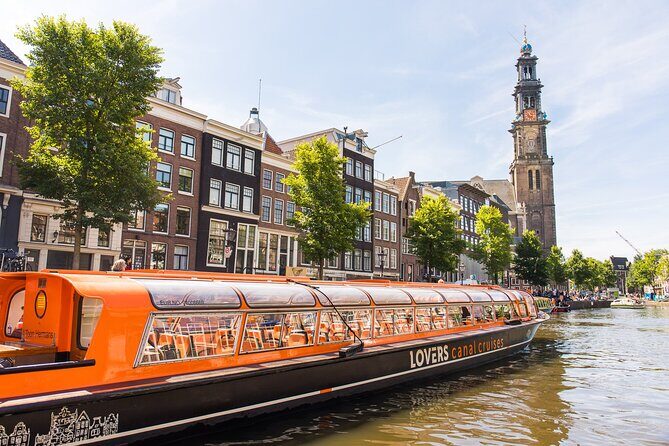
This cruise is designed for you to show up, board, and go. You make your own way to one of four departure areas—Central Station, Anne Frank House, Rijksmuseum, or Leidse Square—at your chosen time. It’s also easy to book for a busy itinerary because it runs about one hour and you get a mobile ticket.
Check-in happens at the Lovers location about 10 minutes before your reserved time. That timing matters. Boats can be popular, and getting there early is how you improve your odds for a better seat position near the windows.
Why the departure points matter: the canal belt isn’t one straight line. Starting near a museum area (Rijksmuseum, Leidse Square) can feel more like a scenic loop through what you already want to see. Starting nearer the Anne Frank House area helps if that’s your anchor sight. Starting at Central Station is often the most convenient if you’re arriving from elsewhere and want something that doesn’t require local navigation.
Also, since the company has operated boat tours since the 1950s, you’re not walking into an experimental setup. This is a long-running Amsterdam format: short ride, big sights, narration.
You can also read our reviews of more boat tours in Amsterdam

Inside the glass-topped boat: cozy warmth and the photo tradeoff
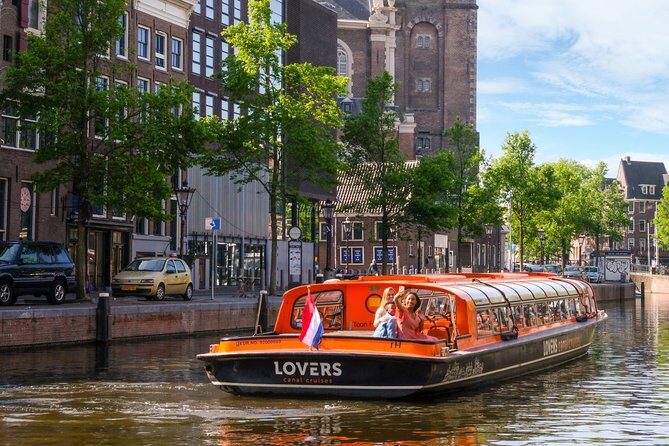
The boat experience is all about comfort and protection from the elements. The ride runs on a glass-topped vessel, so you get a clear ceiling view of the canal scenery. In cooler or rainy weather, that enclosed feeling can be a real win.
I like that the cruise is built for year-round use. Reviews you’ll read about this type of boat often mention it being warm inside, and some people report being able to open a window depending on the boat setup. That means you can have fresh air when you want it, without freezing.
Here’s the tradeoff: overhead windows and the boat framework can block part of your view, especially for skyline shots and anything you want to frame with a smartphone at an angle. If you’re trying to capture the best possible photos of bridges like Magere Brug, plan for some compromises. Your best move is to sit where the window framing is least obstructive for your angle—and expect that photos will be better from the sides than from directly above.
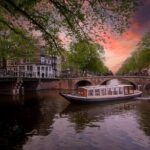
And yes, the time of day matters. Evening cruises tend to feel calmer and more scenic, because the canals reflect lights and bridges look extra dramatic.
What the audio guide actually does for you
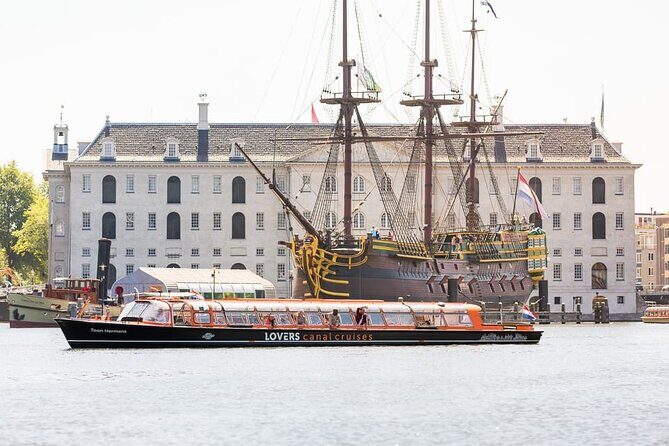
The audio guide is the core of the value here. You pass a long list of well-known places—churches, museums, merchant canals—and the narration helps you understand what you’re seeing and why it matters. It’s offered in English, and the cruise also supports several languages.
The smartest way to use the audio is to treat it like a soundtrack you can pause mentally. Look up, listen for a name, then glance around to locate it through the windows. That little loop makes the experience feel more like city understanding and less like you’re just riding past houses.
A caution from real-world experience: some people have reported that headsets didn’t work properly or that they missed parts of the narration because the audio devices weren’t functioning well. If your audio sounds wrong, don’t ignore it. Get attention quickly so staff can fix the connection or replace the headset if possible.
Another recurring issue is distraction. There are reports of onboard noise making it hard to hear the recorded commentary. If you notice the boat getting loud—kids crying, adults chatting—your best chance is to move toward a quieter corner and keep your headset as the main feed. If a captain is making announcements in addition to the recorded audio, it can turn into sensory overload. In those moments, reduce your reliance on extra announcements and stick with your headset.
Canal belt names you’ll recognize after the cruise
Even if you only remember a few canal names, this cruise helps you build a mental map of Amsterdam’s structure. You’ll glide through three big stars of the canal belt:
Keizersgracht
This canal is named after Emperor Maximilian I and was built in 1612 as the widest of Amsterdam’s main canals. From the water, you’ll notice the grand merchant houses that line it, tied to the city’s prosperity during that period.
Herengracht and the Golden Bend
Herengracht, also dug in 1612, has a status vibe. It was the most prestigious canal, lined with mansions associated with Amsterdam’s elite—often described as the Golden Bend. If you look carefully during this segment, you’ll start to see how Amsterdam uses water not just for transport, but for social display.
Prinsengracht
Prinsengracht came early in the 17th-century expansion known as the Grachtengordel project. It’s named after the Prince of Orange and became a desirable residential zone with elegant canal houses and cultural stops along the way.
Why this matters: once you learn these names from the narration, you’ll spot them later on street signs and canal-side plaques. That turns the canals from scenery into a navigational tool. And it makes walking around afterward feel less random.
Bridges and big sights: Anne Frank House, Westerkerk, and Magere Brug
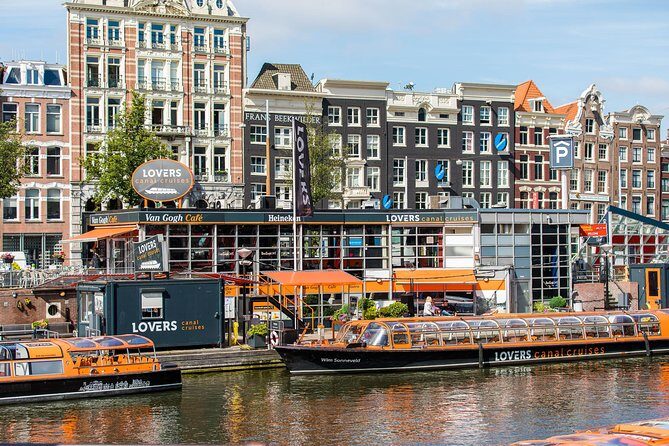
You’ll see some of Amsterdam’s most photographed places from the canal—especially around key historic waterways.
Anne Frank House (Anne Frank Huis)
This is one of the big reasons people book this cruise. The narration covers it as you pass nearby. That said, keep expectations flexible. A small number of experiences described inconsistencies, including not seeing the Anne Frank House as expected. If that specific stop is a top priority for you, consider using this as a view-from-water bonus rather than your only shot.
Westerkerk (Western Church)
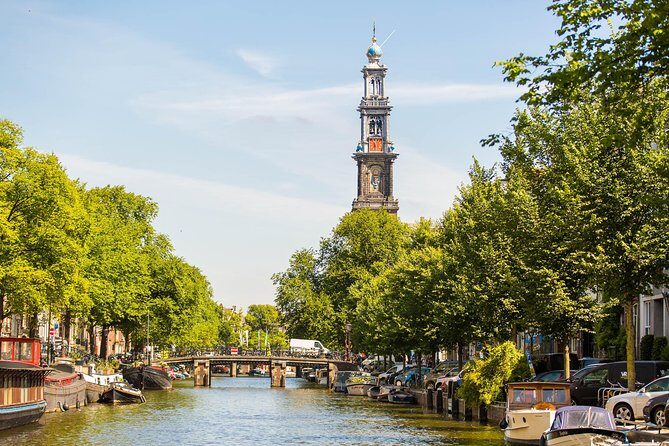
Westerkerk was completed in 1631 and it’s known for the tall ornate tower, the Westertoren. It’s also famously close to the Anne Frank House area, so it’s often part of the same mental cluster as you follow the audio.
Magere Brug (Skinny Bridge)
This is the bridge that tends to get people pointing at the window. Magere Brug is a historic wooden drawbridge originally built in 1691 and rebuilt in 1934 in a traditional style. It’s iconic partly because of its nightly illumination. If you’re cruising at dusk or evening, it’s one of the best segments for that classic Amsterdam glow.
One more practical note: bridges are narrow. When you’re stuck under overhead framework, you might miss the cleanest photo angle. If you care about bridge shots, hold your phone lower and aim sideways rather than trying to shoot straight up through glass.
You can also read our reviews of more guided tours in Amsterdam
De Wallen, the 9 Straatjes, and the Amsterdam you feel more than read
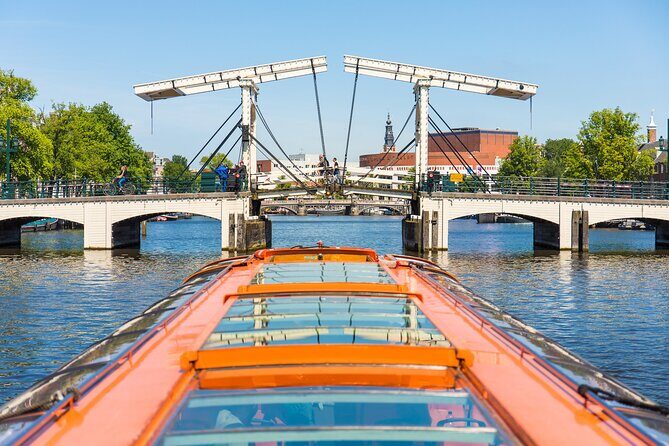
Not every canal cruise is about museums and grand architecture. This route also touches areas that feel distinctly Amsterdam.
De Wallen (Red Light District)
De Wallen is the city’s oldest neighborhood, with roots dating back to the 14th century when it served as a harbor area. Today it’s a regulated zone and a mix of historic buildings, legalized sex work, and nightlife and tourism. The audio helps frame it as more than just a photo stop, which is useful if you want context rather than shock value.
The 9 Straatjes (Nine Streets)
This is the kind of place you’d want to wander on foot afterward: nine narrow streets in the canal belt known for small boutiques, vintage shops, and cozy cafés. The neighborhood was developed in the 17th century, and it blends historic charm with modern culture. From the canal you’ll get a sense of the tight streets and canal-side character, even if the best experience requires stepping off the boat.
What to watch for here: canal-side neighborhoods can feel close and personal from water. If you’re the type who likes markets, shopping streets, and small-scale city life, these areas often stick in your mind more than a single museum facade.
From maritime warehouses to Renzo Piano’s NEMO and Cuypers at the Rijksmuseum
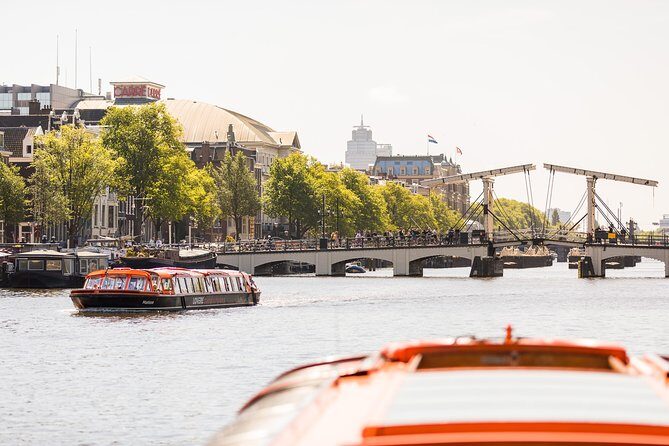
This cruise also mixes historic and modern Amsterdam so the story doesn’t feel stuck in the 1600s.
Scheepvaartmuseum
Housed in a historic 17th-century warehouse, this museum highlights Dutch maritime history with ships, maps, and nautical artifacts. It was renovated in 2011, and it’s closely tied to the Netherlands’ relationship to the sea.
NEMO Science Museum
Designed by architect Renzo Piano, NEMO opened in 1997. Its signature is the green ship-like structure above the Oosterdok. It’s especially aimed at interactive learning, with a strong appeal for children and families.
Rijksmuseum
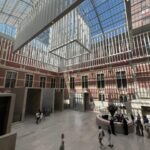
The Rijksmuseum opened in 1885 and was designed by Pierre Cuypers, combining Gothic and Renaissance elements. It’s the Netherlands’ national museum, with major works by artists like Rembrandt and Vermeer. Seeing it from the canal helps you understand how Amsterdam positions its cultural landmarks in everyday city movement.
Het IJ
You’ll also pass by Het IJ, a body of water and former bay that connected Amsterdam to the North Sea. Historically it mattered for maritime trade and development, and today it’s used for ferries and cultural and recreation spaces.
If you want one simple planning tip: decide whether you’ll treat the cruise as a museum teaser. If a museum catches your attention—especially Rijksmuseum or Scheepvaartmuseum—plan your next step as a focused visit rather than trying to do everything in one go.
Getting better audio and fewer headaches on a busy boat
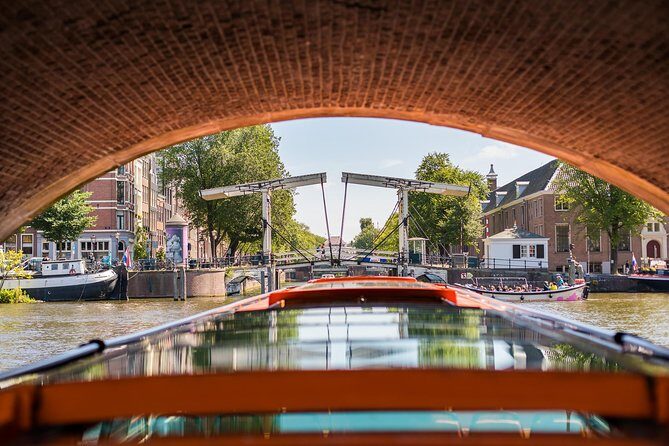
A short cruise can still be a letdown if you can’t hear the narration or if the boat is too loud. Here’s how I’d make it work for you based on common pain points.
First, arrive early and aim for better seating. People have recommended getting in early for good seats, and it tends to improve comfort and sightlines.
Second, be ready to troubleshoot your headset. If it cuts in and out or sounds distorted, ask staff for help right away. Don’t wait until the end. A headset issue can turn a guided ride into a quiet one.
Third, manage the soundscape. If the captain is using a tannoy and it’s competing with the recorded audio, focus on just one channel as much as possible. If you’re in a loud section of the boat, switch positions if there’s space.
Fourth, know what kind of views your boat gives you. The glass roof and enclosed design are great for weather and comfort, but if photography is your main goal, plan for some shots that look less clean than you imagined. Side windows and your position near them will matter more than reaching for the perfect overhead angle.
Price and value: what $16.74 buys you in real city time
At about $16.74 per person for roughly one hour, this cruise sits in the budget-friendly zone for Amsterdam activities. The best value isn’t the price tag by itself—it’s what the format gives you:
- You get an efficient overview of multiple districts and famous sights in one sitting.
- You get narration, so you’re not stuck guessing what you’re seeing.
- You avoid walking fatigue while still seeing a lot.
There’s no food included, so you’re paying for the boat time plus the audio storytelling. That means this tour works best as a structured segment in your day, not as a full-day plan.
Also, it’s booked in advance fairly often (about 10 days on average), which tells you the right strategy: grab a time slot that matches your energy level and weather expectations.
Who should book this cruise, and who should skip it
This cruise is a great match if you want:
- A quick first-day overview of Amsterdam
- Comfortable sightseeing without long walking
- Audio narration in English that helps you recognize what you’re seeing
- A relaxing option for evenings, when bridges and canal lighting look especially good
It might disappoint you if:
- Your priority is perfect photos. Covered boats can limit views.
- You’re very sensitive to noise and want silent commentary. Loud boats can make the audio hard to follow.
- You need a highly personal guided experience. This is more of a structured audio ride than a deep, talk-to-you guide moment.
If you’re traveling with a flexible schedule, I’d also pick this early in your trip. It helps you understand the city layout before you commit to a lot of walking or museum tickets.
Should you book Amsterdam Sightseeing Canal Cruise with Audio Guide?
I’d book it if you want an easy, budget-friendly way to see the canal belt and key sights in about an hour, especially on your first day. The glass-topped comfort and the audio guide format make it a low-stress city orientation tool. If you go in expecting a cozy, structured overview and you’re okay with some visibility limits from the covered windows, it’s a smart use of time.
Skip or reconsider if hearing the audio clearly is a must for you, or if your phone camera needs an open-air, no-window framing. In those cases, the enclosed setup can feel frustrating.
FAQ
How long is the Amsterdam sightseeing canal cruise?
The cruise lasts about 1 hour.
Where do I meet the boat?
You choose one of four departure points: Central Station, Anne Frank House, Rijksmuseum, or Leidse Square. Check-in is at the Lovers location about 10 minutes before your reserved time.
Is there an audio guide, and is it in English?
Yes. There is an audio guide available in several languages, including English.
What’s included in the ticket?
Your ticket includes the 1-hour canal cruise and the audio guide.
What should I bring or plan for?
You’ll need to make your own way to the departure point. Food and drinks are not included.
What happens if the weather is poor?
This experience requires good weather. If it’s canceled due to poor weather, you’ll be offered a different date or a full refund.