REVIEW · AMSTERDAM
Amsterdam: Museum of the Canals Ticket with Audio Guide
Book on GetYourGuide →Operated by Museum of the Canals / Grachtenmuseum · Bookable on GetYourGuide
Canals tell Amsterdam’s real story. This ticket lets you walk through a 17th-century canal house on the Herengracht, with classical period rooms that make the city feel physical, not just informational. I also like the way the museum turns the canals into a multimedia storyline, jumping from old Amsterdam to the present idea of why canals still matter.
My only caution: if you’re picky about presentation, you may find parts of the experience—especially the show/animation style—less current than you’d expect for the price. The upside is that the audio guide does a lot of the heavy lifting, with content in several languages and a clear focus on how canals shaped city life.
In This Review
- Key Points You’ll Care About
- Entering the 17th-Century Canal House on Herengracht
- Your Canal Story: 400 Years Presented Through Multimedia
- The Audiotour Advantage: Multilingual, Audio-First Learning
- Permanent Exhibition Rooms vs Temporary Exhibitions
- What’s the Real Value of a $22 Ticket?
- Timing Your Visit: Make It Feel Like One Coherent Experience
- Who This Is Best For (And Who Might Skip It)
- Should You Book the Museum of the Canals Ticket?
- FAQ
- FAQ
- How long is the Museum of the Canals ticket experience?
- Where is the Museum of the Canals located?
- What is included with the ticket?
- Are temporary exhibitions included, or only the permanent show?
- What languages are available for the audio guide?
- Is there staff available in English?
- Is the museum wheelchair accessible?
- Do I get to choose a specific time?
- Can I cancel and get a full refund?
Key Points You’ll Care About
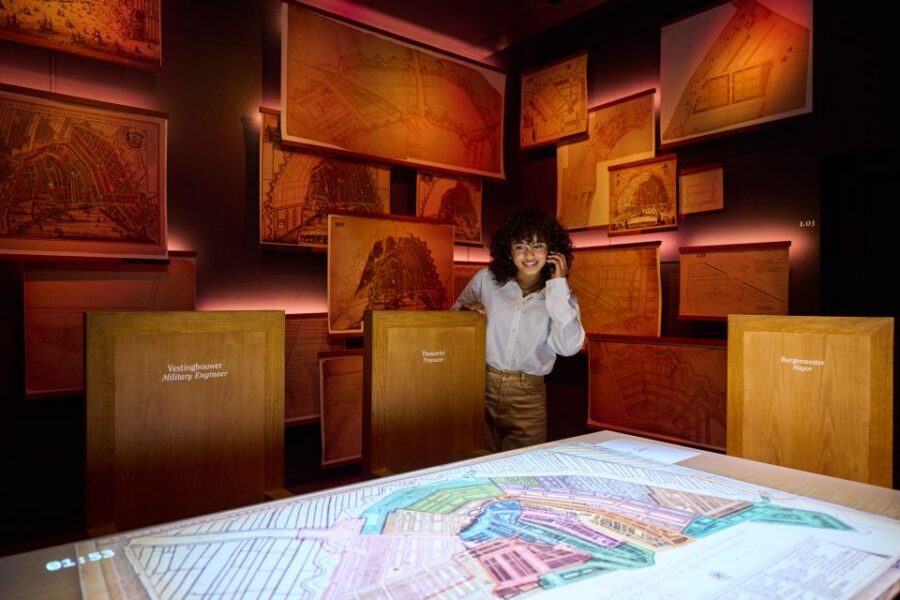
- Herengracht setting: a 17th-century canal house, right in Amsterdam’s city center
- 400 years of canals: the museum looks at how Amsterdam changed through its waterways
- Multimedia + audiotour: you’re not stuck reading labels the whole time
- Permanent and temporary exhibitions: a core canal story plus rotating add-ons
- Audio in many languages: Dutch, English, and more, so you can tailor your visit
- Wheelchair accessible: the museum is set up for wheelchair visitors
Entering the 17th-Century Canal House on Herengracht
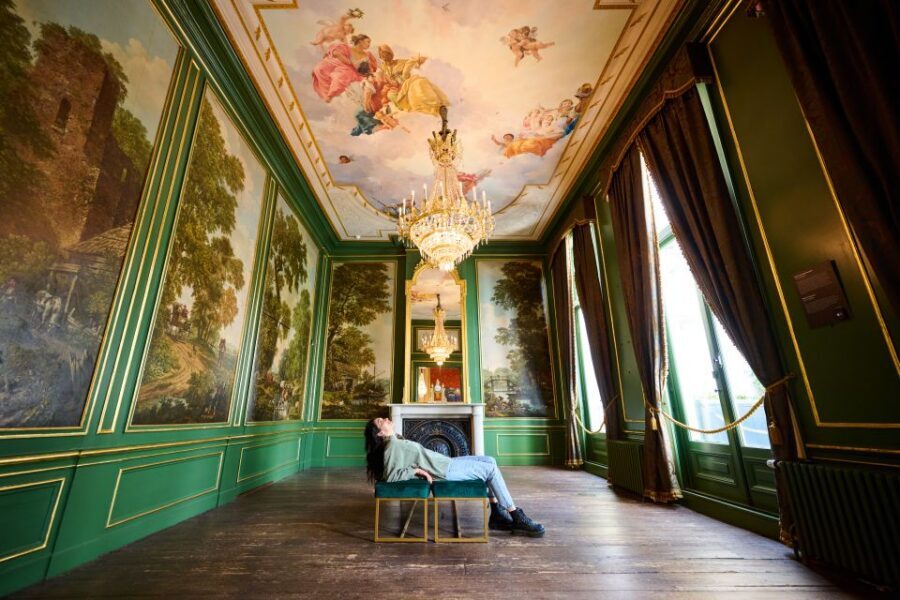
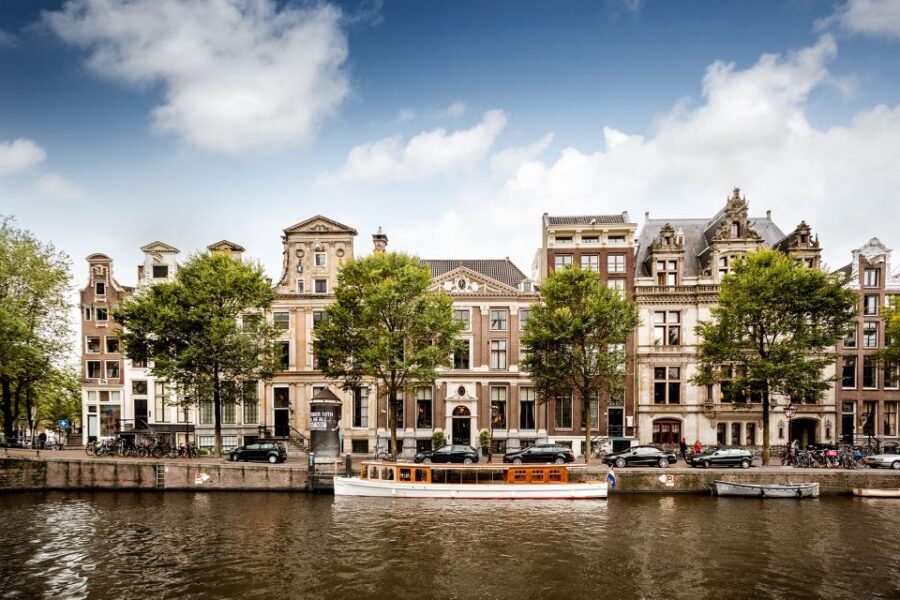
You start this experience in one of those places that immediately gives you context. The Museum of the Canals (Grachtenmuseum) sits in a 17th-century canal house on the Herengracht, in the city center. That matters because canals aren’t just a topic here. They’re the logic behind the building type, the space layout, and the feel of Amsterdam itself.
Inside, you’ll see classical period rooms. Even if you skip slowly staring at every detail (I know, there’s always another museum nearby), the rooms give you something modern attractions often forget: scale. You get a sense of how people used these spaces when the canal system was the city’s main urban “engine.”
I like that the museum doesn’t just point at canal history from a distance. It gives you a place where the city’s wealth, planning, and daily life themes can actually feel anchored. It’s a more believable way to learn the “why” behind Amsterdam than a flat slideshow.
You can also read our reviews of more tours and experiences in Amsterdam



Your Canal Story: 400 Years Presented Through Multimedia
The core of the visit is the museum’s canal-centered narrative. Expect a multimedia exhibition that traces the evolution of Amsterdam through its canals. The museum frames this as a journey back about 400 years, then brings you forward by connecting those historical roots to the canals’ role for the future.
The big idea you should walk in with: the canals are described as the heart of Amsterdam. In practical terms, that means the museum treats waterways as central to how the city moved and how inhabitants lived—past and future. That’s helpful because it guides your attention. You’re not hunting for random facts. You’re building a single through-line: why these canals exist, why they shaped the city, and why they keep shaping it.
A multimedia approach also makes pacing easier. If you’re the type who likes to keep momentum (I am), you’ll appreciate that you’re not stuck in “museum slow mode” for your whole visit. If you’re more of a reader, you’ll still find enough structure to follow without getting lost.
One more thing: the museum focuses on both past and present importance. That prevents the experience from feeling like pure heritage. You’ll leave with more of a working understanding of why canals remain relevant rather than treating them as decorative background.
The Audiotour Advantage: Multilingual, Audio-First Learning
The ticket includes an audiotour, and that’s a strong value point. You get spoken guidance in multiple languages, including Dutch, English, German, French, Spanish, Italian, Russian, Japanese, and Chinese. The host/greeter presence is Dutch and English as well.
Here’s how I suggest using the audio guide to get the most out of it:
- Don’t start listening the moment you enter. Take a quick look around first so the rooms and visuals have a reference point.
- Let the audio tell you where to look. In museums like this, the difference between good and great is whether you know what to notice next.
- Keep it flexible. If a section feels slow, move forward a bit and let the narration catch up.
The audio format is especially useful if you’re visiting as a mixed-language group. Even if you’re traveling solo, it helps you spend your attention on what matters instead of translating label text.
One caution, though: audio tours depend on your comfort level with a self-guided pace. If you’re the type who wants constant live interpretation, this isn’t that. The museum gives you tools to learn, but it’s still a “listen and walk” experience.
Also, one review note you should take seriously: one person felt parts of the presentation felt outdated and mentioned a mismatch between price and quality for the animation portion. That doesn’t mean the museum is bad. It just means your satisfaction may hinge on whether you enjoy multimedia show elements or prefer more traditional room-based interpretation.
Permanent Exhibition Rooms vs Temporary Exhibitions
You’re not only walking through one storyline. The ticket covers both the permanent exhibition and temporary exhibitions.
The permanent exhibition is the backbone: it’s built around the canals’ role and their changing significance through time, housed within this canal house setting. This is where you’ll get the museum’s “main message” about why canals define Amsterdam and why understanding their reason matters.
Then you can branch into temporary exhibitions, which means you can adjust your visit depending on what you enjoy. If you like seeing how a museum expands its themes with new angles, temporary exhibits help break up repetition. If your goal is a tight, single-topic visit, you can treat the temporary section as optional time—something to sample rather than something you must finish.
I like having that choice. A lot of single-ticket museum experiences feel rigid. Here, you get a fixed core and room for variation.
What’s the Real Value of a $22 Ticket?
Let’s talk money, because museums can add up fast in Amsterdam.
At about $22 per person, this isn’t the cheapest thing on your list—but it also isn’t priced like a mega-attraction with huge crowds and long lines. The value comes from three things you actually use:
- A dedicated canal museum concept, not just a general history stop
- A multimedia presentation that structures the timeline (so you’re not piecing it together yourself)
- An included audiotour with lots of language options
If you’re the kind of person who enjoys understanding how cities work, the $22 feels easier to justify. You’re not only looking at pretty interiors. You’re studying the canal system as an urban system—how it shaped movement in the city and why it remains important.
If you’re more interested in architecture as a visual hobby and less interested in context, you might decide you’d rather spend less time inside and more time walking by the canals outside. But because the museum is in a real canal house on Herengracht, even an architecture-leaning visit won’t feel wasted—you’re still getting the setting right.
My practical take: this ticket is best when you want a clear, guided understanding of the canals. If you want a quick selfie-and-go stop, it may feel too “learning-focused” for the time.
You can also read our reviews of more guided tours in Amsterdam






Timing Your Visit: Make It Feel Like One Coherent Experience
The ticket is valid for one day, and you’ll choose a start time based on availability. That matters because museums like this work better when you can spend your energy without rushing.
A simple rhythm I recommend:
- Start with the multimedia timeline early, so you understand the “story engine.”
- Use the audio guide to connect narration to what you’re seeing in the rooms.
- Then add the temporary exhibition as your flexible ending.
If you do it in the reverse order—temporary first—you might miss how the permanent exhibit frames the canals’ story. The permanent content is built to give the meaning. Temporary content is built to add angles.
Also, give yourself a little room for breaks. You’re moving between rooms in an older structure, and those details are part of the experience. If you pack this tightly right before another major museum, you’ll feel rushed. If you treat it as a main stop for the day, it lands better.
Who This Is Best For (And Who Might Skip It)
This ticket fits best if you want Amsterdam’s canals explained in a way that’s structured, room-based, and language-friendly.
You’ll likely enjoy it if:
- you care about how Amsterdam works, not only what it looks like
- you like museums that combine multimedia with narration
- you want a single-topic experience without planning a whole self-made route
- you’re visiting with someone who may need a multilingual audio option
You might reconsider if:
- you strongly dislike animation-style presentations and want mostly traditional displays
- you want a live guide telling you everything with real-time interaction
- you’re looking for a very short stop and nothing more
The wheelchair accessibility is a plus if you need barrier-aware planning, and it’s good to know that the museum is designed to welcome wheelchair visitors.
Should You Book the Museum of the Canals Ticket?
I’d book this if you want a clear, canal-centered understanding of Amsterdam and you’re okay spending real time inside a 17th-century canal house. The combination of multimedia storytelling plus an included audiotour in many languages makes it a practical value, especially compared with piecing together canal history on your own.
If you’re the type who hates any kind of show-style animation, take the review caution seriously and plan your expectations around the rooms and the audio guide. For me, that’s the key: treat the audio as your main instrument, and let the visuals support it.
One more reason to lean yes: when a museum sits in a historic canal house on Herengracht, you’re not just learning about the canals. You’re stepping into the kind of space Amsterdam’s canal life helped create.
FAQ
FAQ
How long is the Museum of the Canals ticket experience?
The ticket is listed for 1 day.
Where is the Museum of the Canals located?
It’s in Amsterdam’s city center on the Herengracht, in a 17th-century canal house.
What is included with the ticket?
You get entrance to the museum, including the permanent and temporary exhibitions, plus an audiotour.
Are temporary exhibitions included, or only the permanent show?
Both are included: the permanent exhibition and the temporary exhibitions on display.
What languages are available for the audio guide?
The audio guide is available in Dutch, English, German, French, Spanish, Italian, Russian, Japanese, and Chinese.
Is there staff available in English?
The host or greeter is listed for Dutch and English.
Is the museum wheelchair accessible?
Yes, the museum is wheelchair accessible.
Do I get to choose a specific time?
Your ticket is valid 1 day, and you can check availability to see starting times.
Can I cancel and get a full refund?
Yes. Free cancellation is available up to 24 hours in advance for a full refund.