REVIEW · AMSTERDAM
Amsterdam: Private Red Light District and Food Tour
Book on GetYourGuide →Operated by Trigger Tours · Bookable on GetYourGuide
Prostitution and food share one sidewalk.
I like how this Red Light District tour is handled with a steady, factual tone, linking what you see to Dutch law and the way coffee shops fit into everyday life. Guides such as Andrea, Catherine, Jay, and Aarre are known for turning street scenes into clear stories, so you come away with more than shock-value curiosity.
I also like the simple logic of the food part: three classic tastes that actually represent Dutch comfort eating. You’ll sample staples like kroket, Dutch cheese, and stroopwafel, then you’ll understand what makes them common, not just trendy. One drawback to keep in mind: if you expect a big sit-down meal, the tastings are still tastings, and portion size can feel light on a cold, gray evening.
In This Review
- Key things to know before you go
- What You’re Really Getting from This Amsterdam Private Tour
- Meeting Near Park Plaza Victoria and Starting with Easy Orientation
- Dam Square: the Landmark Anchor for the Rest of the Walk
- Oude Kerk and the Old-Amsterdam Feeling
- Chinatown and the Narrowest House in Europe: Amsterdam’s Side-Quests
- Grachtengordel Canals and Warmoesstraat: where daily life and regulation meet
- Coffee Shop Culture and the Law Behind What You See
- Food Stops: Kroket, Dutch Cheese, and Stroopwafel
- Kroket
- Dutch cheese
- Stroopwafel
- How to Get the Most Out of the Tastings (Without Expecting a Feast)
- Ending at Dam Square: a Clean Wrap-Up Loop
- Price and Value: Is $112 per Person Fair for What You Get?
- Language Options and the Private-Group Advantage
- Who This Tour Suits Best (and Who Might Want Something Else)
- Should You Book This Amsterdam Red Light District and Food Tour?
- FAQ
- How long is the Amsterdam private Red Light District and food tour?
- Where do I meet the guide?
- What foods will I taste on the tour?
- Is this tour private?
- What sights are included along the way?
- What languages are available for the guide?
- Where does the tour end?
Key things to know before you go
- Two-hour pace that focuses on quick orientation and multiple highlights without rushing you through everything
- Dutch law context for prostitution and the toleration of marijuana, explained in plain language
- Coffee shop culture tied to what’s nearby and why it’s part of Amsterdam’s modern system
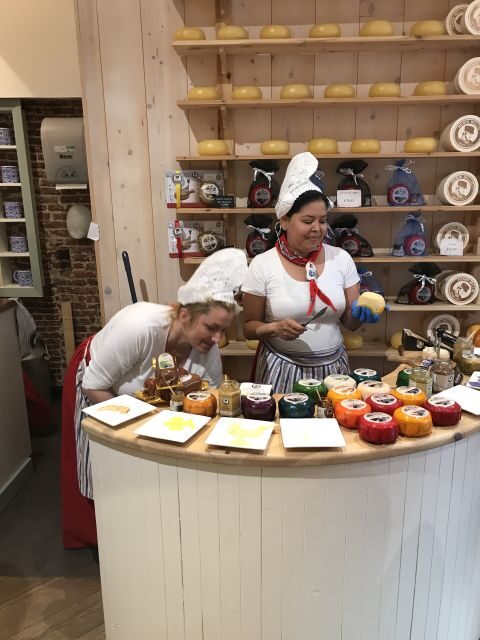
- Three specific Dutch snacks you can match later in bakeries and snack bars (kroket, Dutch cheese, stroopwafel)
- A private guide who can answer questions and adapt to your comfort level in a sensitive area
What You’re Really Getting from This Amsterdam Private Tour
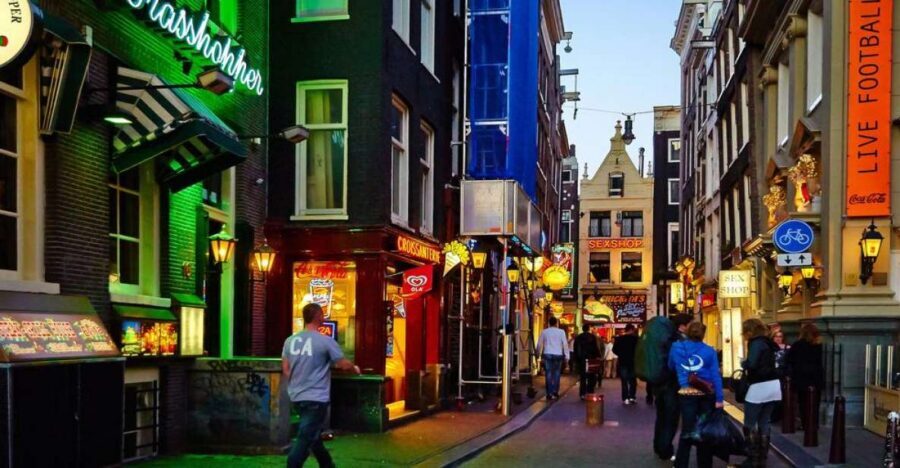
Amsterdam has plenty of tours that do one thing well. This one does two things that don’t sound like they belong together, but actually make sense once you’re walking.
First, you get the Red Light District explained in a way that’s less about gossip and more about how the city has chosen to regulate adult services. Dutch law treats prostitution differently than many countries, and Amsterdam’s approach can feel puzzling if you only know the headlines. Here, you’ll get the practical version: what’s legalized, what’s tolerated, and how the city keeps things functioning in the open.
Second, you get Dutch food culture as street-level reality. You’re not just handed a list of dishes. You’re shown how locals snack, what people grab when they want something filling, and how traditional items became everyday comfort food. The food stops are short, but they give you something useful: a sense of what to order next time, and how these items are meant to taste.
You also get a private setup. That matters. In a place like this, you want the guide to control the tone, answer questions, and help you process what you’re seeing without theatrics.
You can also read our reviews of more food & drink experiences in Amsterdam


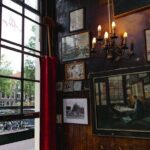
Meeting Near Park Plaza Victoria and Starting with Easy Orientation
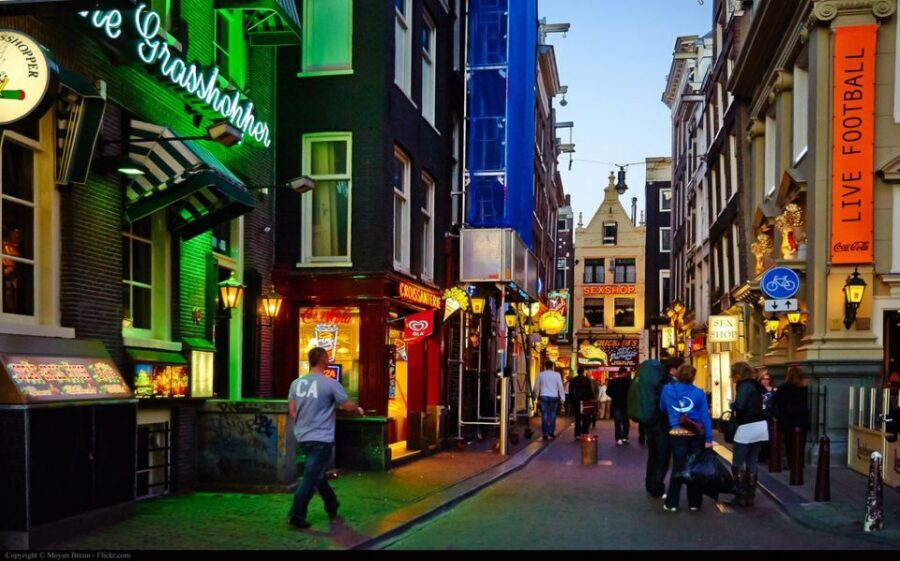
Your guide meets you at the main entrance of the Park Plaza Victoria Hotel. The start address is also listed as Prins Hendrikkade 47A, so it’s worth double-checking the exact pickup point if you arrive by tram or taxi.
From there, you’ll walk toward central landmarks and the Red Light District area. This is a 2-hour format, so the timing is tight in a good way: you won’t waste the whole day getting from one topic to the next.
A practical tip: wear shoes you can walk comfortably in. This route mixes main streets with narrower lanes, and Amsterdam’s cobbles can punish you if your footwear is wrong. Also, bring layers. Even in “nice” weather, evenings near the water can feel chilly fast.
Dam Square: the Landmark Anchor for the Rest of the Walk
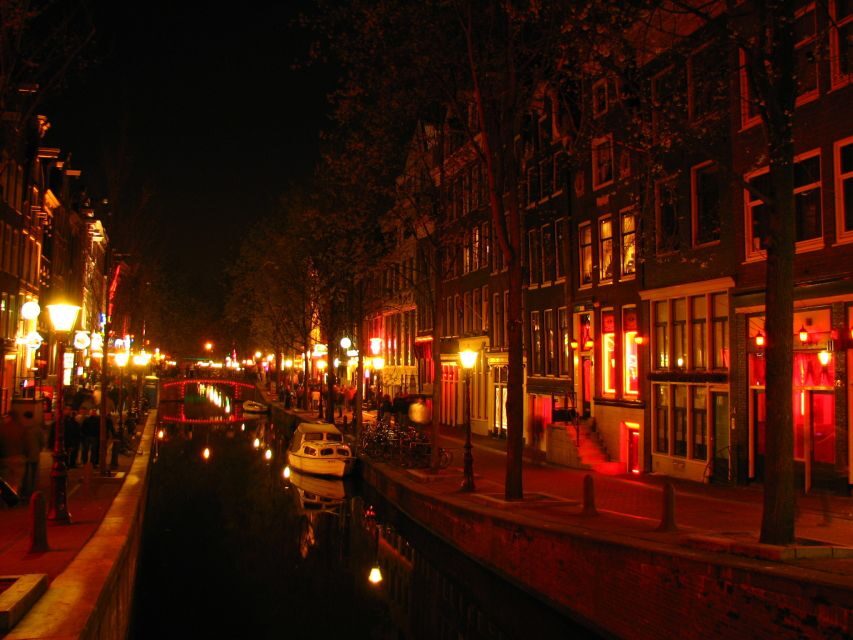
Dam Square is where the city’s big-name Amsterdam life starts showing up. It’s also a useful starting point because it gives you a reference before you slip into smaller, more specific neighborhoods.
During the walk, your guide uses Dam Square to set the framework: how Amsterdam thinks about public space, rules, and daily life. It’s not a lecture—more like you’re being handed context while the city keeps moving around you.
If you’re the type who likes to understand why things are laid out the way they are, Dam Square helps. You can feel the city’s center, then the route starts turning into the more specific streets that make the Red Light District what it is today.
Oude Kerk and the Old-Amsterdam Feeling
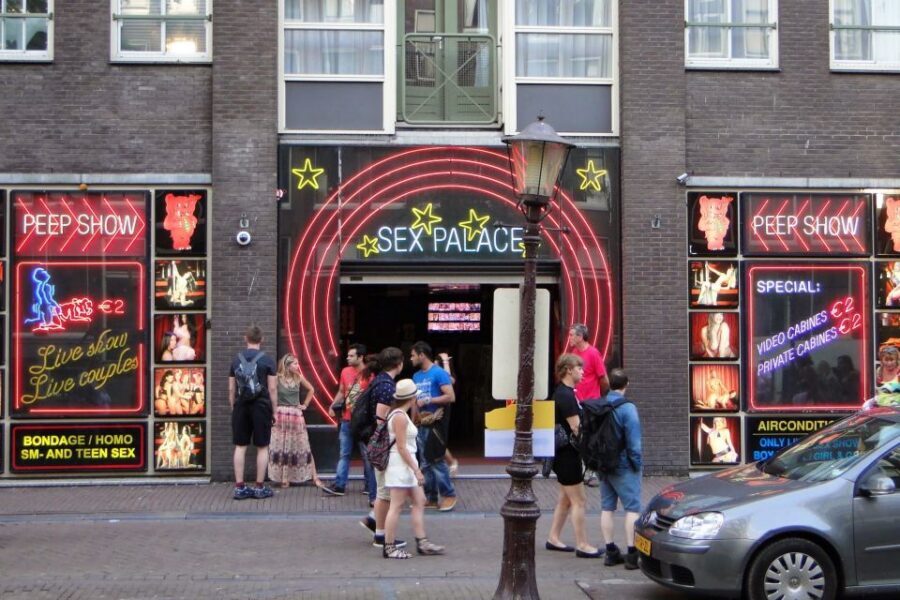
Next comes the Oude Kerk, or Old Church. You’ll see it as a real structure in the middle of the city’s evolution, not as a museum stop.
Why it matters on this tour: the Red Light District didn’t appear in a vacuum. Amsterdam’s older buildings and long-standing streets give the area its shape and constraints. Even when the topic is adult services, the city is still a city—brick by brick, century by century.
In a practical sense, the Oude Kerk stop also helps break up the walk. You’re not staring at one type of street scene the whole time. You get a quick reset and a better sense of how neighborhoods stack over time.
Chinatown and the Narrowest House in Europe: Amsterdam’s Side-Quests
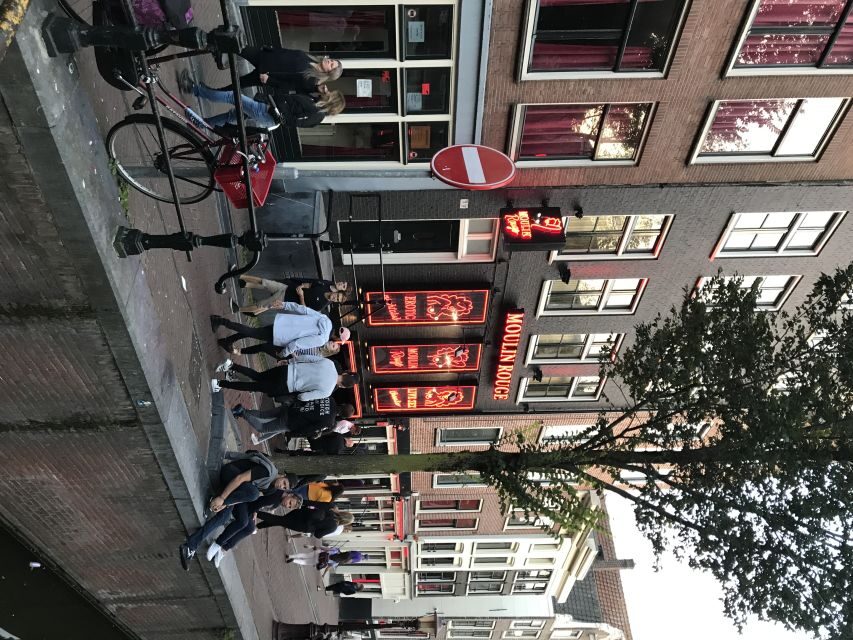
Then the route shifts into Amsterdam’s smaller surprises. You’ll pass through areas associated with Chinatown and you’ll see the narrowest house in Europe.
This is a smart choice for two reasons.
1) It widens your view. Amsterdam’s Red Light District can dominate your mental picture, but the city is bigger than that one image.
2) It shows the physical reality of the streets. Narrow buildings and odd corners are part of why certain businesses and services can function in specific spots.
The guide’s job here is to connect the dots without turning it into a scavenger hunt. You’ll learn to read the city like a map: streets, building layouts, and the way different cultures and commerce have coexisted.
You can also read our reviews of more tours and experiences in Amsterdam





Grachtengordel Canals and Warmoesstraat: where daily life and regulation meet
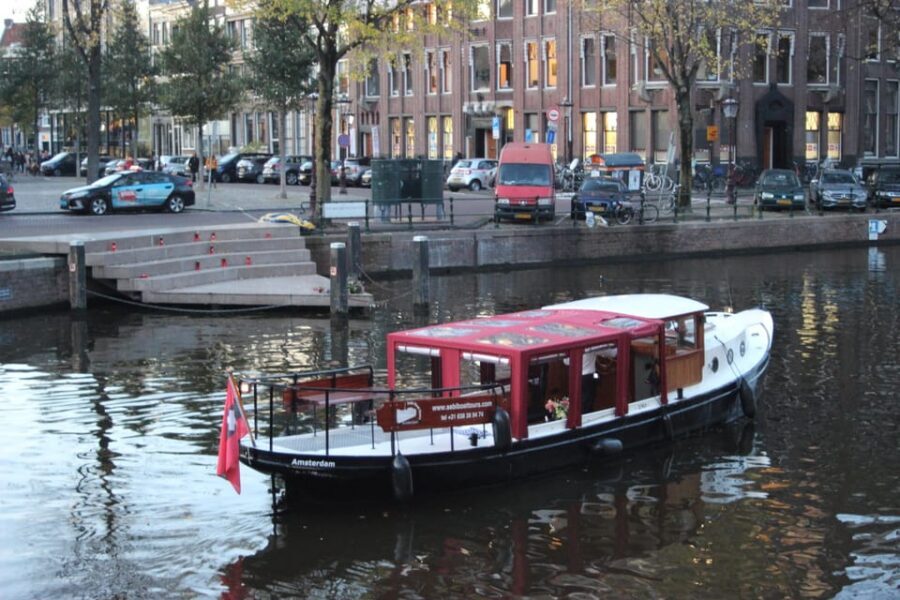
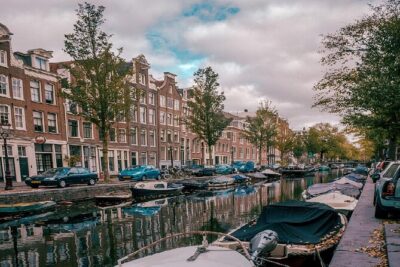
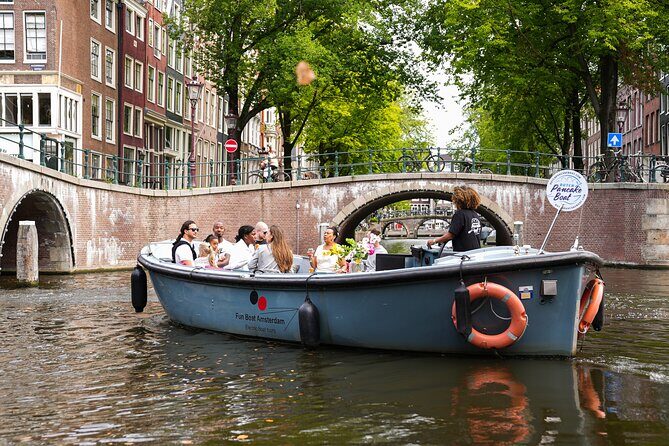
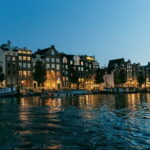
As you move toward the canal belt area (Grachtengordel) and through Warmoesstraat, you start getting that classic Amsterdam contrast: beautiful waterways and tight urban streets that still handle everyday crowds.
Warmoesstraat is one of those street names that pops up in Amsterdam conversations for a reason. On this tour, it’s where the guide can explain how the city’s approach to tolerance and regulation shows up on the ground—not as abstract policy, but as a lived system.
The key thing you’ll take away: Amsterdam didn’t remove adult services from view. Instead, it created rules that let them exist openly. That’s part of why the Red Light District can feel both matter-of-fact and ethically complicated all at once.
If you’re worried about getting uncomfortable, don’t be. A good guide keeps the tone human and practical. Guides like Katherine and Agapios are known for making people feel at ease while still giving clear explanations.
Coffee Shop Culture and the Law Behind What You See
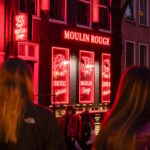
The tour’s adult-content focus is real. You’ll explore the Red Light District and hear about Dutch law and the legalization of prostitution plus the toleration of marijuana.
This is the part I think is most valuable, because it changes how you interpret what’s around you. If you come in with only stereotypes, you’ll see a blur. If you come in with basic context, you can notice patterns: how the city organizes the area, how laws and toleration work, and why this is treated as a managed part of urban life.
Your guide also talks about coffee shop culture. The tour description specifically mentions a city landmark connected to coffee shop history, and you’ll hear how the local approach differs from the stricter, more closed systems you may be used to.
The practical take: your guide helps you ask better questions. Instead of just What is happening here? you can ask How does Amsterdam allow it, and what are the rules that keep it orderly?
Food Stops: Kroket, Dutch Cheese, and Stroopwafel
Now for the part that makes this tour easier to enjoy: you’ll stop for three classic Dutch foods. The examples listed include kroket, Dutch cheese, and stroopwafel.
Here’s how these fit together, so you don’t just taste and move on.
Kroket
A kroket is one of the most “Amsterdam lunch” foods you can eat. It’s usually a crispy outer shell with a hot, savory filling. On this tour, you’re not just tasting a snack—you’re getting a feel for how Dutch comfort food works: hearty, fried, and built for real hunger, not just dessert cravings.
Dutch cheese
Dutch cheese is a whole world, and the tour keeps it simple. You’ll taste it as locals experience it: flavorful, approachable, and meant to be eaten with the normal rhythm of street life.
This is useful because it helps you stop thinking of cheese as one category. In the Netherlands, cheese is culture and identity. After the tour, you’ll be more likely to recognize what style you prefer when you see it at markets.
Stroopwafel
Stroopwafel is the sweet finale most people remember. It’s thin waffle layers with a caramel-like syrup filling. It’s not heavy in the way some pastries are. It’s more like a warm, sticky hug—perfect after a chilly walk.
If you’ve had stroopwafel before, you’ll still appreciate this stop because the guide frames it as a traditional snack, not a tourist souvenir.
How to Get the Most Out of the Tastings (Without Expecting a Feast)
This is where it helps to calibrate expectations.
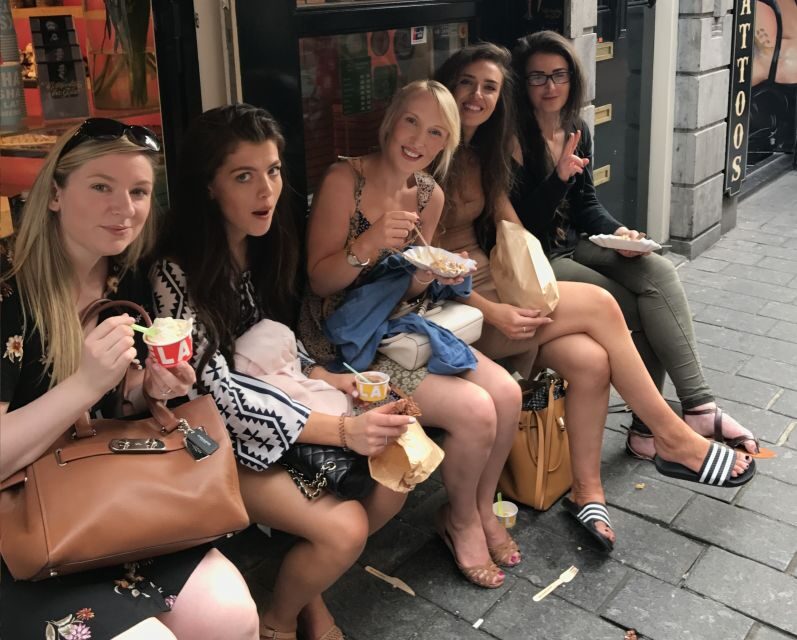
The tour includes tastings of three foods. That means you’ll taste, not necessarily eat a full meal. One account tied to this experience mentioned a mismatch in expectations around food quantity, where only two items were served. So if food portion size is a big deal for you, it’s worth checking what’s considered a standard tasting set when you book.
That said, tastings are often the best way to handle a walking tour. They keep the schedule moving and let you stay present for the sights. And because the guide explains what you’re eating and where it fits into local habits, even a small portion can feel meaningful.
Ending at Dam Square: a Clean Wrap-Up Loop
You’ll finish at Dam Square, which is a great ending point. It’s central, easy to reference, and it gives you a natural reset after the more intense, adult-themed streets.
By the time you reach the end, you should feel like you understand two sides of Amsterdam at once: the city’s open, managed system around adult services, and its normal daily-food culture that runs alongside it.
It’s also a convenient way to connect to your next stop—dinner, a museum, a canal stroll, or simply a warm drink somewhere nearby.
Price and Value: Is $112 per Person Fair for What You Get?
$112 per person for a 2-hour private walking tour with a guide and three food tastings is not bargain pricing, but it’s not outrageous for Amsterdam either.
Here’s why I think it can still feel good value:
- You’re paying for a private guide, which matters more when the topic is sensitive and you may have questions.
- You’re not just sightseeing; you’re getting context about Dutch law and toleration, plus coffee shop culture.
- You’re getting three specific Dutch foods, not vague food sampling.
Where it might not feel worth it:
- If you mainly want a food experience, a tasting-only format can feel short.
- If you’re uncomfortable with the Red Light District topic, you might end up spending mental energy on discomfort rather than curiosity.
So the value question becomes: do you want both the street-level food education and the factual context for a controversial area? If yes, the price makes sense.
Language Options and the Private-Group Advantage
The tour is offered with a live guide in Dutch, English, German, and Spanish. That’s practical if you want to avoid a language barrier while the guide is explaining legal and cultural details.
The private group format is also a big plus. You’re not forced to keep up with strangers or tune out a tour guide who isn’t tailored to your questions. In a topic like this, having control over the pace and tone matters.
Who This Tour Suits Best (and Who Might Want Something Else)
This is a good fit if you:
- Want real context about the Red Light District rather than just quick sightseeing
- Enjoy learning how everyday Dutch food culture works
- Like a guided walk that covers multiple city highlights in a short time
- Prefer a private format where you can ask questions and adjust your comfort level
It might be less ideal if you:
- Want only family-friendly sightseeing (this area is adult-themed)
- Expect a large meal instead of three tastings
- Are easily put off by subject matter involving legalized prostitution and nearby coffee shop culture
A small bit of humor helps here. Think of it like Dutch street life in two flavors: one part rules and public reality, one part snacks you’ll actually crave later.
Should You Book This Amsterdam Red Light District and Food Tour?
If you want to understand Amsterdam beyond the postcard basics, I think this is a smart booking. The best reason to choose it is the pairing: you get context for what you’re seeing, and you get traditional Dutch foods that make the city feel normal and human right away.
I’d book it if you’re curious, respectful, and okay with an adult-focused setting. I’d reconsider if you’re expecting a big meal or if you’d rather keep your sightseeing strictly daytime-and-family.
When in doubt, pick the tour because of the guide. Names like Catherine, Katherine, Jay, Andrea, Aarre, and Agapios are associated with strong storytelling and clear explanations—exactly what you want when the topic can be awkward without the right tone.
FAQ
How long is the Amsterdam private Red Light District and food tour?
It lasts 2 hours.
Where do I meet the guide?
Meet the guide in front of the main entrance of the Park Plaza Victoria Hotel. The start address is also listed as Prins Hendrikkade 47A.
What foods will I taste on the tour?
You’ll taste 3 traditional Dutch foods, such as a kroket, Dutch cheese, and stroopwafel.
Is this tour private?
Yes, it’s a private group walking tour.
What sights are included along the way?
The walk includes Dam Square, the Oude Kerk, Amsterdam Chinatown, the narrowest house in Europe, the Grachtengordel area, Warmoesstraat, Nieuwmarkt Square, and the Amsterdam Flower Market, plus time in the Red Light District.
What languages are available for the guide?
The guide is available in Dutch, English, German, and Spanish.
Where does the tour end?
It ends at Dam Square.