REVIEW · AMSTERDAM
Amsterdam: Private Pedicab Historical Sightseeing Tour
Book on GetYourGuide →Operated by Bram de Haan Events · Bookable on GetYourGuide
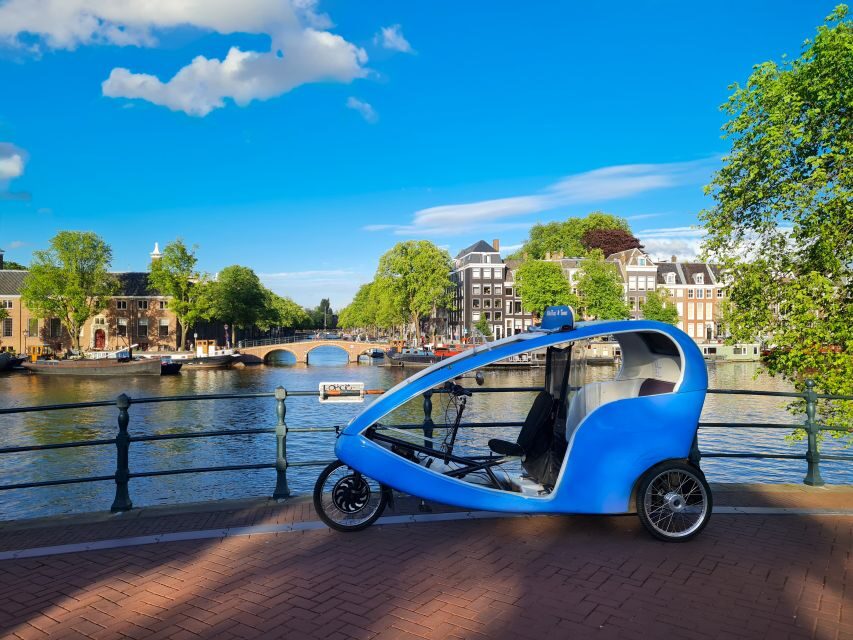
Pedaling through Amsterdam feels like time travel. This private pedicab tour rolls from Dam Square through the 17th-century canal district and on to the Jewish quarter and museum area, guided by Amsterdam local Bram de Haan. I love how you can spot canal-house details up close while zipping through streets that feel more human than car traffic. I also love the way the guide explains what you’re seeing with real context, including photo and map references. One consideration: it’s a focused 2-hour loop, so it’s best for touring, not for long museum wandering.
You’ll start with hotel pickup and drop-off, and the tour includes a blanket for cool or rainy weather. That matters in Amsterdam, where the weather can change fast and your pedicab ride is outdoors most of the way.
You’ll see the city’s big “now I get it” landmarks without it turning into a checklist blur. Expect Dam Square, Zeedijk, New Market Square, Montelbaanstoren, the Jewish quarter sites, the Hermitage area, the Skinny Bridge view over the Amstel, and a final stop at Museumsquare in front of the Rijksmuseum and Van Gogh Museum.
In This Review
- Key highlights to watch for
- Why a private pedicab beats hop-on tours in Amsterdam
- Dam Square: the birthplace moment and the civic core
- Zeedijk and New Market Square: dikes, markets, and a 15th-century gate
- Montelbaanstoren and the Oude Waal: defensive tower to canal-house panorama
- Jewish Quarter stops: synagogues, the name monument, and Sephardic canalhouses
- Hermitage and the Amstel viewpoints: widowhouse origins to museum presence
- The 17th-century canal district: the half-circle ring and merchant house logic
- Museumsquare and the Rijksmuseum tunnel moment
- Comfort, timing, and what the pedicab ride really feels like
- Price and value: $230 per group up to 2 people
- Who should book this Amsterdam pedicab tour
- Should you book the Amsterdam Private Pedicab Historical Sightseeing Tour?
- FAQ
- How much does the Amsterdam private pedicab historical sightseeing tour cost?
- How long is the tour?
- Where does the tour start?
- What’s included in the price?
- What languages is the tour guide available in?
- Are food and drinks included?
- Is there a cancellation policy?
- Can I reserve now and pay later?
- What should I bring?
- Are there weight limits?
Key highlights to watch for
- A local guide with photos and maps helps the history click fast
- 17th-century canal district views with wide angles over the Amstel
- Jewish Quarter stops with specific landmarks, including the name memorial
- Dam Square to Museumsquare in a smooth loop that saves walking time
- Hotel pickup and a blanket make the ride feel comfortable in real weather
Why a private pedicab beats hop-on tours in Amsterdam
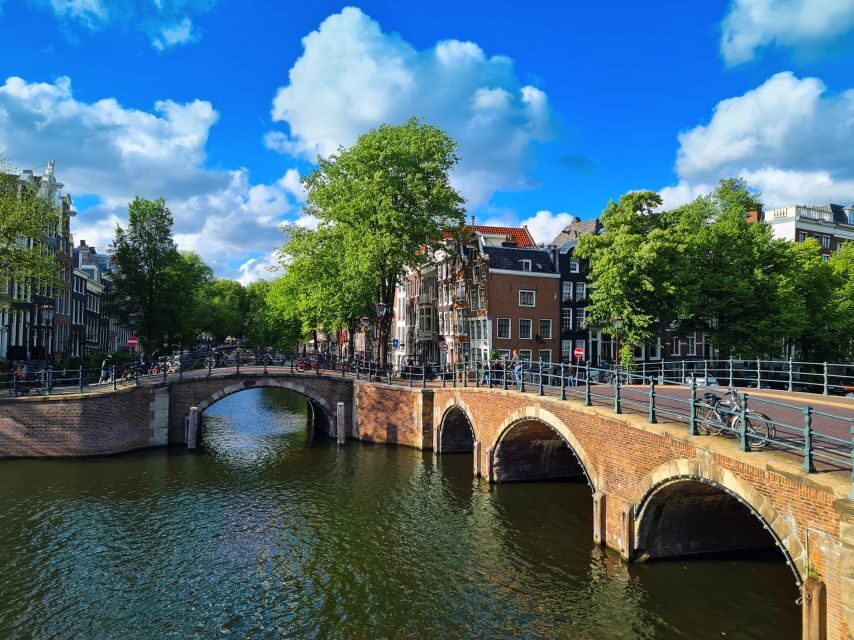
Amsterdam is small on a map and big on your feet. A pedicab solves that gap. Instead of doing the city at an awkward shuffle, you get a powered, low-key ride that still feels intimate. You can talk, ask questions, and get your bearings quickly.
This tour also has a smart angle: it ties major places together in a single story arc, from where the city began (Dam Square) to how it grew and organized itself around canals, neighborhoods, and institutions. I like that you’re not just looking at postcard icons. You’re learning what the neighborhoods meant when they were forming, and why they still look the way they do.
The private format matters too. Up to two people means you can move at your pace, get photo stops without a rushing herd feeling, and keep the focus on what you care about. You’re also riding with a guide who knows how to translate street-level details into city-level meaning.
You can also read our reviews of more private tours in Amsterdam


Dam Square: the birthplace moment and the civic core

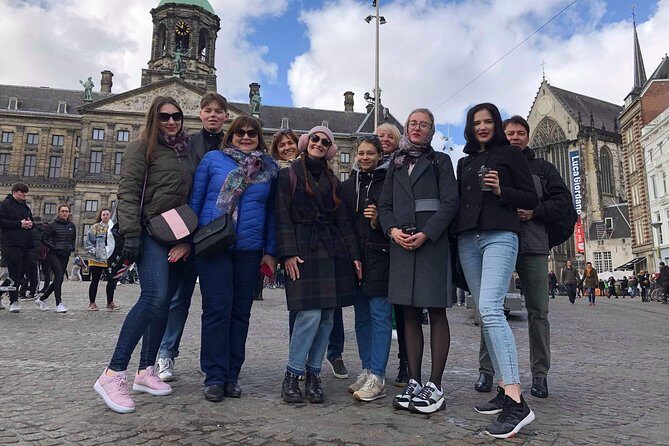
You start at Dam Square, the main square and emotional center of the old city. This is where Amsterdam’s story begins in practical terms: the place where the city started to evolve, and where you see the core of its civic identity.
From here, you’ll connect three big anchors:
- The Royal Palace area, tied to the city’s long relationship with power and state life
- The New Church, which signals how Amsterdam kept shaping its public spaces
- The National Monument, a reminder that this is not just architecture and water—it’s also memory
Even if you’ve seen Dam Square photos before, a pedicab makes the view feel different. You’re not stuck craning your neck around crowds. You’re positioned to take in the surrounding layout and understand why this square became the city’s default meeting point.
Zeedijk and New Market Square: dikes, markets, and a 15th-century gate

After Dam Square, the tour shifts to Zeedijk. Today it’s a street, but in earlier centuries it functioned as one of the dikes that protected the old city. Amsterdam’s relationship with water is constant, and this is one of the clearest ways to feel it: the ground-level urban line has a practical engineering past.
This stop also includes a quick sense of neighborhood contrast. You’ll get a glimpse down the way to the nearby Chinatown area. You’re not doing a food tour. But you’re seeing how Amsterdam layers communities close to the historic center.
Next comes New Market Square, built around one standout feature: the 15th-century city gate standing right in the middle of the square. That’s the kind of detail you might miss on foot, because it doesn’t behave like a museum exhibit. It’s part of daily space. The guide’s explanations here help you connect the gate to the city’s older defenses and access points, so it stops being just a cool structure and becomes a functional part of the city’s movement history.
Montelbaanstoren and the Oude Waal: defensive tower to canal-house panorama
A short stretch later you reach the Montelbaanstoren, an old watch and defense tower. This is tied to the city’s expanded defense line from the early 16th century, when Amsterdam needed stronger protection as it grew.
Here’s the practical value: the guide connects that defensive architecture to the city’s layout. Towers like this weren’t random. They were placed so people could watch, respond, and control key areas.
From this area, you also get a viewpoint over the Oude Waal, where houseboats line up against the background of 17th-century canal houses. This is the kind of photo moment you’ll appreciate because it’s a wide scene, not just a single building. And it’s a good reminder that Amsterdam’s “old” doesn’t sit behind ropes. Water life and living quarters still work alongside historic facades.
Jewish Quarter stops: synagogues, the name monument, and Sephardic canalhouses
The Jewish Quarter part of the ride is one of the tour’s most meaningful stretches. You’re guided through several connected sites, each with a clear role in the story of Jewish life in Western Europe.
You’ll see:
- The first synagogue that Jewish communities were allowed to build in Western Europe over 350 years ago, known here as the Big Synagogue
- The Portuguese Synagogue across the street
- The Holocaust name monument, where 102,000 bricks represent the names of Dutch Jewish victims of World War II
This is where a private guide earns their fee. The history isn’t vague. You get specifics about why these places mattered and how the neighborhood reflects both community structure and later tragedy.
Next, you’ll also notice the row of old 17th-century canal houses near the monument, where Jewish Sephardic immigrants lived. The tour connects the neighborhood to diamond business success, which helps the area feel more than solemn memorials—it becomes a place with economic and social roots too.
Even if you already know Amsterdam has deep Jewish history, this segment helps you read the neighborhood instead of just looking at it.
You can also read our reviews of more historical tours in Amsterdam






Hermitage and the Amstel viewpoints: widowhouse origins to museum presence
After the Jewish Quarter, the route moves toward the Hermitage area. You’ll hear how this building began as a large 17th-century widowhouse, and that today it houses the Hermitage museum.
That origin detail matters because it changes how you see the structure. You’re not only thinking about art exhibitions. You’re thinking about who lived here, how property was used, and what kinds of wealth and support systems shaped the city.
Then the tour lands on the Skinny Bridge, one of Amsterdam’s iconic bridges. There’s a practical beauty here: at night, it lights up with hundreds of bulbs, accentuating its slender design. Even if your tour isn’t timed for night, you’ll likely appreciate why people love this spot once you see how it frames the river.
From the Skinny Bridge area, you get a panoramic view over the Amstel river, which is Amsterdam’s main and widest canal. If you enjoy photos, this is a strong “aim your camera once and you’re done” stop.
The 17th-century canal district: the half-circle ring and merchant house logic
The route then enters the 17th-century canal district around the old center. The canal ring is shaped like half circles on most maps, and the tour’s pacing helps you mentally trace that structure as you move.
This is where your eyes start to connect patterns:
- Many canal houses were once homes of successful merchants
- Even when the buildings share familiar features, each canal house is slightly different
- Those differences help reveal the building era and local choices, instead of everything feeling copy-pasted
You’ll get more out of this section if you slow down your attention for a minute. Look at windows, door placement, and how the canal frontage is organized. The guide’s explanations make it easier to spot what matters, so the area becomes legible.
This part also has another practical benefit: while you’re moving through the ring, you’re avoiding a lot of straight-line walking. Amsterdam can turn tiring fast, especially if you’re doing it in tight streets and constant turns. The pedicab keeps you fresh for the later stops.
Museumsquare and the Rijksmuseum tunnel moment
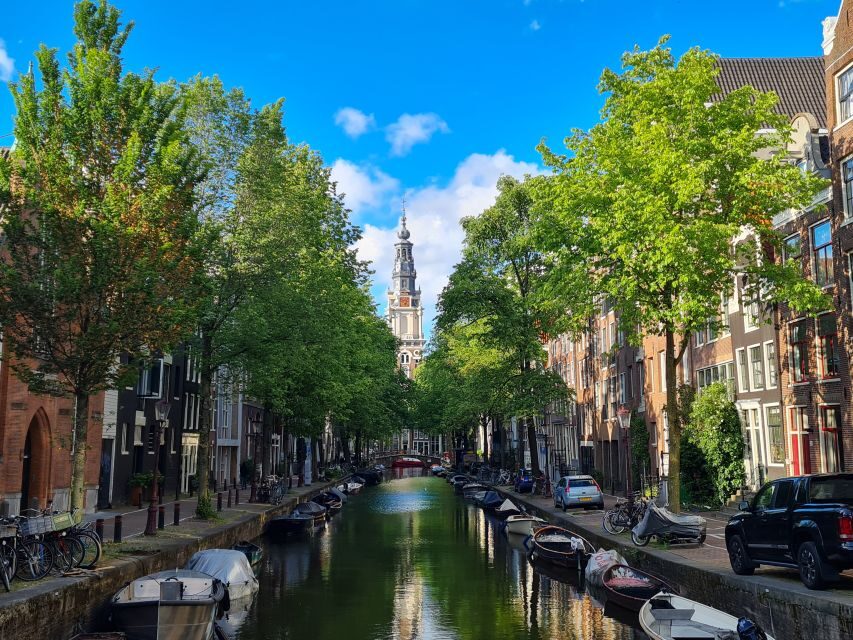
The tour’s final highlight is Museumsquare, a large open green space with major museums including the Rijksmuseum and Van Gogh Museum. Even from the road, Museumsquare feels like a breather after the dense old streets.
You’ll also ride through the tunnel area near the Rijksmuseum and make a stop in the middle of the square. That stop is useful because it gives you a clean viewpoint to orient yourself. You can then decide whether you want to add museum time afterward on your own.
This is also a smart ending point for first-time visitors. It’s central, it’s recognizable, and it sets you up to navigate the rest of your day without feeling lost.
Comfort, timing, and what the pedicab ride really feels like
The tour lasts 2 hours. That’s long enough to cover a cluster of neighborhoods—old center, canal district, Jewish quarter, and Museumsquare—without feeling rushed to the point of exhaustion. It’s still short enough that you should plan this as your main “orientation” experience rather than a full-day deep dive into one museum.
Cold weather is real in Amsterdam, and this tour includes a blanket. In practice, the blanket helps, but I’d still dress in layers. One booking mentioned they wished for the blanket to be positioned for lap warmth, so bring extra cold protection if you run chilly.
You’re also dealing with physical limits that matter for pedicab comfort and safety. The maximum combined passenger weight is 200 kg. It’s not suitable for people over 220 lbs (100 kg). If that applies to you, it’s worth checking before you book so you don’t show up on a great day and have to turn back.
Price and value: $230 per group up to 2 people
At $230 per group (up to 2 people), this isn’t a bargain-bin sightseeing option. But it can be good value, because you’re buying three things at once:
- A private guide who connects the stops with clear explanations
- Hotel pickup and drop-off, which saves time and reduces hassle
- A pedicab ride that reaches a lot of ground without the walking fatigue
If you’re traveling as a pair—especially if one person has limited walking ability—the cost per person becomes easier to justify. Several bookings highlight that it’s a good fit for seniors and people who want the sights without long stretches on foot.
It’s also a strong “first Amsterdam day” pick. When the city clicks early, the rest of your itinerary feels smoother. You spend the money once, and then you enjoy more of the city afterward because you understand what you’re seeing.
Who should book this Amsterdam pedicab tour
Book this if you want:
- A first-time Amsterdam orientation that covers the old center, canal district, and Museumsquare
- A private experience that works for limited walking
- A guide who connects famous places with neighborhood-level details (including Jewish Quarter landmarks)
- Easy picture points like the Skinny Bridge and Amstel views
It may not be the best fit if:
- You’re hoping for lots of museum time during the tour itself (this ride is built for touring the areas, not extended indoor visits)
- You need a route designed around specific accessibility needs beyond what the safety limits allow
Should you book the Amsterdam Private Pedicab Historical Sightseeing Tour?
I’d book it if you and your travel partner want to get the story of Amsterdam in a single, comfortable outing. The mix of Dam Square, the canal district, the Jewish Quarter sites (including the name memorial), and an ending at Museumsquare gives you a balanced snapshot that feels more meaningful than a standard highlight drive.
One more practical thought: if the weather looks iffy, the blanket and the private format make the experience feel sturdier. And if you’re someone who asks questions, you’ll likely enjoy the guide’s use of visual aids like photos and maps.
If you fit the weight and comfort requirements, this is a solid choice for a pair who wants history with movement and viewpoints without the walking tax.
FAQ
How much does the Amsterdam private pedicab historical sightseeing tour cost?
The price is $230 per group, up to 2 people.
How long is the tour?
The tour duration is 2 hours.
Where does the tour start?
It starts at Dam Square, and pickup is included from your hotel (you wait outside in front of the hotel).
What’s included in the price?
Included are hotel pickup and drop-off, a blanket for cold weather, and an in-depth explanation about the sights.
What languages is the tour guide available in?
The live guide offers English, Dutch, and German.
Are food and drinks included?
No. Food and drinks are not included.
Is there a cancellation policy?
Yes. Free cancellation is available up to 24 hours in advance for a full refund.
Can I reserve now and pay later?
Yes. You can reserve now & pay later.
What should I bring?
You should bring warm clothing.
Are there weight limits?
Yes. The maximum combined passenger weight is 200 kg, and it’s not suitable for people over 220 lbs (100 kg).