REVIEW · AMSTERDAM
Tour in Spanish: Van Gogh Museum Private Tour
Book on GetYourGuide →Operated by Amor Artium · Bookable on GetYourGuide
Van Gogh in Spanish. That is a smart combo. This 2-hour private visit uses a skip-the-line, priority ticket plus an art historian guide to connect the paintings and drawings to the moments in Vincent’s life that shaped them. I especially like having a guide who can tailor the pace to your questions, and I also like the skip-the-line part, because museum time disappears fast.
One thing to consider: a 2-hour private tour means you will not see every single work. You’ll get a strong story and selected highlights, plus access to temporary exhibitions, but it is still a focused sprint.
In a good tour like this, you don’t just look at brushstrokes—you learn what to look for. The route is built around Van Gogh’s development, from his first serious start at 27, through Theo’s support, his Brabant period, the experiments in Paris, and the intense Arles chapter, including the aftermath of the famous ear incident.
In This Review
- Key Things You’ll Enjoy on This Tour
- Where the Tour Starts: Mirror Cube Meets Real Timing
- Skip-the-Line Priority Tickets: The Value Is Time, Not Just Convenience
- A Spanish Private Tour That Stays Personal (Not Scripted)
- How the Two Hours Are Built: A Life Story You Can See
- From Age 27 Onward: The Moment Van Gogh Becomes Vincent the Painter
- Theo’s Support: The Brother Relationship Behind the Brush
- Brabant, Still Life, and Rembrandt’s Shadow
- Paris Experiments and Arles: The Yellow House Years
- Less-Talked-About Works: Seeing Beyond the Posters
- Getting the Most From a 2-Hour Tour: My Practical Advice
- Price and Value: $411 for Up to 4 People
- Who Should Book This Tour (And Who Might Not Need It)
- Should You Book This Van Gogh Museum Spanish Private Tour?
- FAQ
- Is this tour private?
- How long is the Van Gogh Museum private tour in Spanish?
- Is skip-the-line entry included?
- Where do we meet for the tour?
- What language is the tour?
- What is included in the ticket?
Key Things You’ll Enjoy on This Tour

- Spanish-speaking private guide who can explain art in a way that actually clicks
- Skip-the-line, priority entrance that helps you spend more time inside and less time waiting
- Art historian focus on Van Gogh’s life stages, not just a list of famous paintings
- Clear emphasis on lesser-known works and early influences that shaped his style
- Temporary exhibitions included so you can add context beyond the permanent collection
- Private group experience for up to 4, with room to ask questions
Where the Tour Starts: Mirror Cube Meets Real Timing
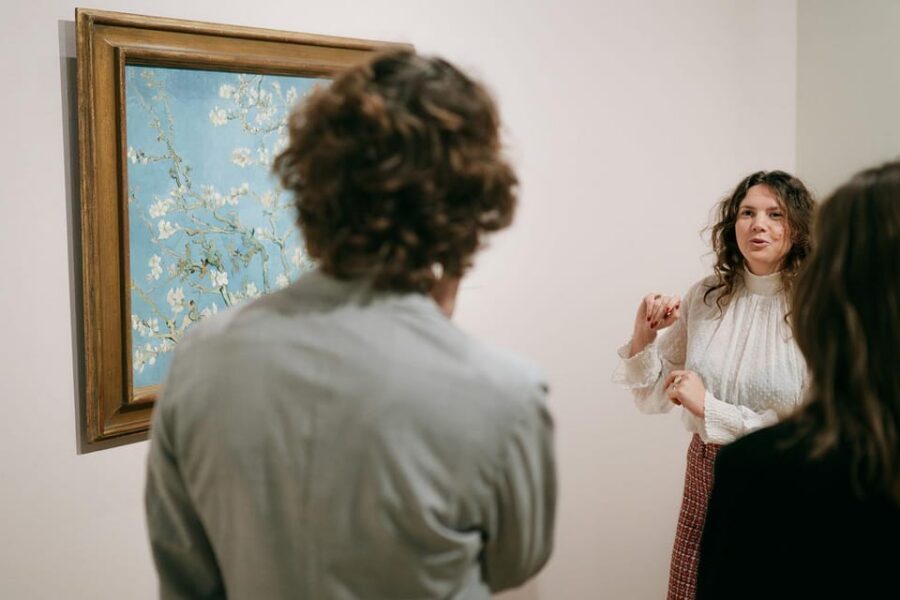
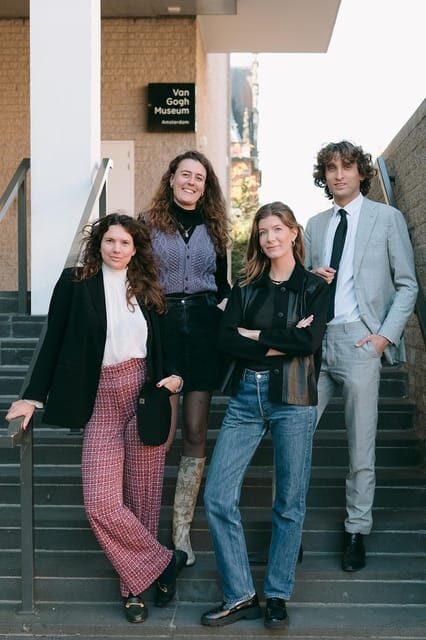
You meet outside the Van Gogh Museum at the mirror cube next to the entrance. The guide holds a Loving Vincent Tours sign, so you can spot them quickly instead of wandering around playing museum detective.
I like that start point because it’s easy to orient yourself right away. If you’re arriving by tram or walking from nearby areas, you’ll still be able to confirm where to go without fuss. Also, because the tour is private, you don’t have the awkward shuffle that comes with big groups lining up and trying to hear over other people’s voices.
If you have mobility needs, the tour is listed as wheelchair accessible, which matters because the museum experience becomes a lot more comfortable when your route isn’t constantly changing.
You can also read our reviews of more private tours in Amsterdam


Skip-the-Line Priority Tickets: The Value Is Time, Not Just Convenience
This is one of those purchases where the math is mostly about time. You get skip-the-line through a separate entrance with reserved entry, and the tour includes the priority ticket.
Why that matters: the Van Gogh Museum can be busy, and if you arrive at a peak hour, you can lose a surprising chunk of your day just standing still. Here, your 2 hours start closer to when you’re ready to look, not when you’re still waiting to get in.
For a private tour, that time advantage is even bigger. With a group of up to 4, waiting means wasted energy from everyone. With priority entry, your art historian can spend the limited tour time doing what you paid for: explaining what you’re seeing and why it matters.
A Spanish Private Tour That Stays Personal (Not Scripted)
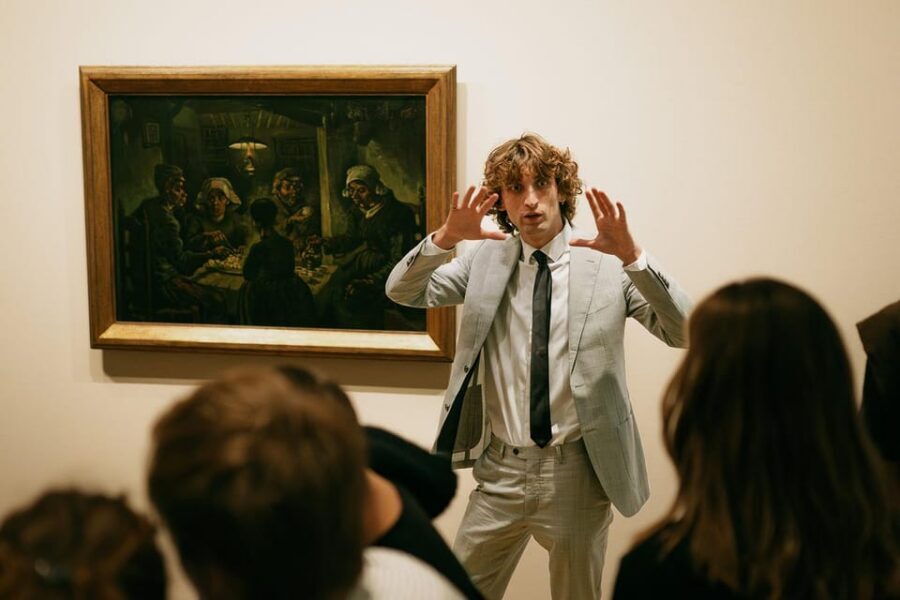
This tour runs in Spanish, and it’s led by an art historian specialized in Van Gogh. That combination is the difference between an okay museum chat and a genuinely useful one.
In my ideal museum tour, I can follow the explanation without translation overhead. You’ll also notice that Spanish spoken guidance can make the art feel more immediate, especially when the guide talks about human details—Vincent’s temperament, the mental strain reflected in his work, and the bond between him and Theo.
The private format also keeps the conversation from getting generic. If you pause on a painting and want context, the guide can steer the story around your interests. That’s a big deal in a museum where the wall labels often feel too short and too neutral.
How the Two Hours Are Built: A Life Story You Can See
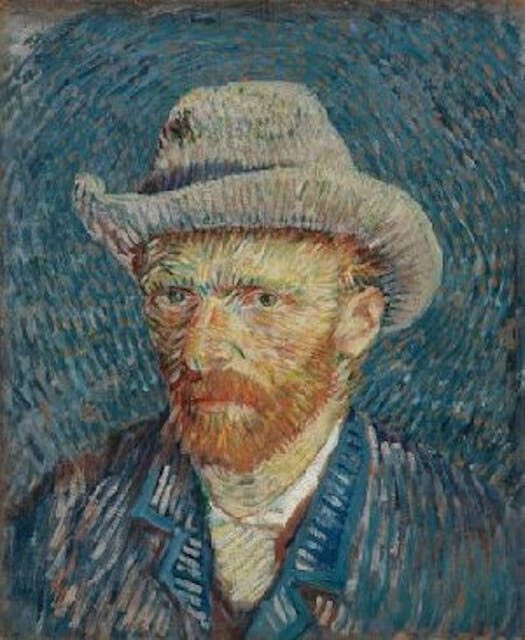
This tour is not just a sweep of famous works. It is organized around Van Gogh’s life arc and the changing sources behind his style.
You can expect the guide to cover key phases, including:
- Vincent’s early turning point when he first embraced painting seriously around age 27
- The emotional and practical support from Theo and how it shaped Vincent’s path
- The push-and-pull of inner turmoil, and how it shows up in what he painted
- The influences behind his development, including Dutch 17th-century still life traditions and Rembrandt’s legacy
- The shift into Paris experimentation
- The intense period in Arles, including the “yellow house” years and the lead-up to the famous ear incident
- The tragic final chapter at age 37
Because it’s only 2 hours, the guide won’t try to explain everything equally. Instead, you’ll get a coherent narrative, with the most relevant paintings and drawings used as evidence for the story the guide tells.
From Age 27 Onward: The Moment Van Gogh Becomes Vincent the Painter
One of the most interesting parts of this tour is the way it starts with the moment Van Gogh began painting in earnest, at age 27.
That matters because it corrects a common mental picture. Many people think of Van Gogh as an “always an artist” figure, but his real transformation into a painter is tied to a life moment, not a lifelong destiny. When your guide explains this stage, you’ll probably find yourself looking at early works with a different mindset: not as lesser versions, but as the beginning of a method, a search, and a way of seeing.
You also get context for what “becoming” looked like. The guide will connect Vincent’s choices to his sources of inspiration and his evolving technique, so the paintings stop feeling random and start feeling like steps.
You can also read our reviews of more museum experiences in Amsterdam






Theo’s Support: The Brother Relationship Behind the Brush
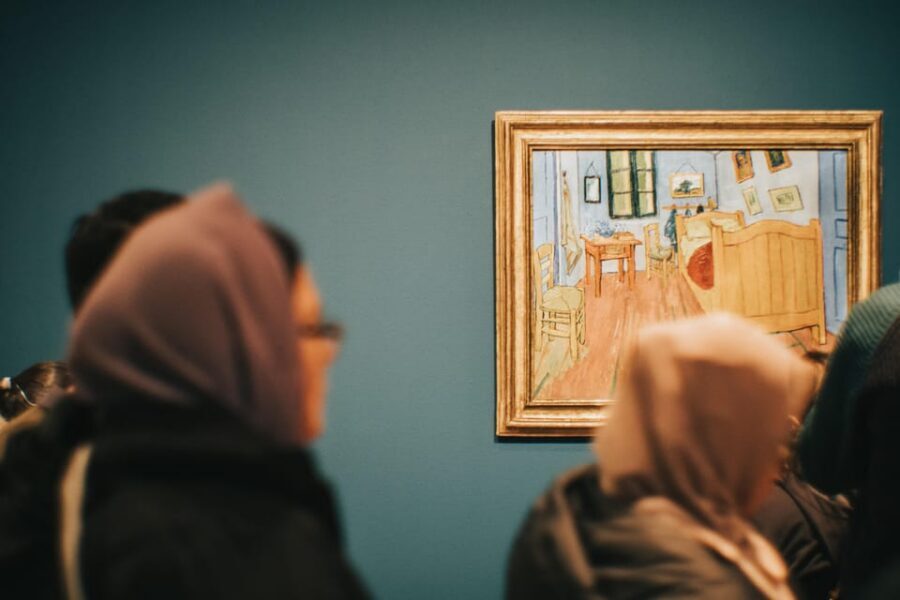
The bond between Vincent and his brother Theo is a major theme in this experience. The tour focuses on why Theo’s encouragement and support weren’t just family sentiment—they affected Vincent’s trajectory and personal life.
I like this angle because it adds a layer that wall texts don’t always deliver clearly. When you understand Theo as part of the story, Vincent’s productivity, risk-taking, and emotional intensity make more sense. You’re not just watching an artist work—you’re seeing the pressure of genius plus the reality of dependency and support.
As the tour moves through different periods, you’ll likely notice how the guide uses Theo’s role to explain shifts in mood and ambition. That can help you connect the emotional tone of what you’re seeing to the human situation behind it.
Brabant, Still Life, and Rembrandt’s Shadow
The tour doesn’t rush past the early influences. You’ll hear about formative years in Brabant, and how Dutch 17th-century still life paintings shaped Vincent’s approach.
This is where I’d expect you to start doing a new kind of looking. Instead of treating still life as “stuff on a table,” you’ll see it as training: composition habits, the weight of realism, and the way artists used light and detail to express meaning.
The guide also points to Rembrandt’s legacy, and that’s useful because it provides a bridge between earlier Dutch art traditions and Van Gogh’s later intensity. You may find yourself paying attention to contrast, texture, and how Vincent arranged visual elements to create emotional force.
If you’ve ever wondered why Van Gogh’s work can feel both grounded and psychologically charged, this part of the tour is where the answer starts to show up.
Paris Experiments and Arles: The Yellow House Years

The story then moves into the experimental fervor of Van Gogh’s time in Paris. This is often where people start expecting the tour to become more about style than life, but here it stays linked to life.
You’ll get context for how Paris changes Vincent’s visual decisions, and how that sets up what comes next. When your guide explains this transition, you’re better prepared to see Arles not as a detour, but as a high-stakes experiment.
Then comes the Arles chapter, including the period described with the yellow house. This is one of the most dramatic sections of Van Gogh’s timeline, and the tour ties it to how his inner state shows up on the canvas. You’ll also see why the guide spends time on the lead-up to the famous ear incident: it’s part of the larger story of temperament, mental anguish, and the limits of stability.
Even if you already know the headline, the tour framing helps you notice the steps, not only the event.
Less-Talked-About Works: Seeing Beyond the Posters
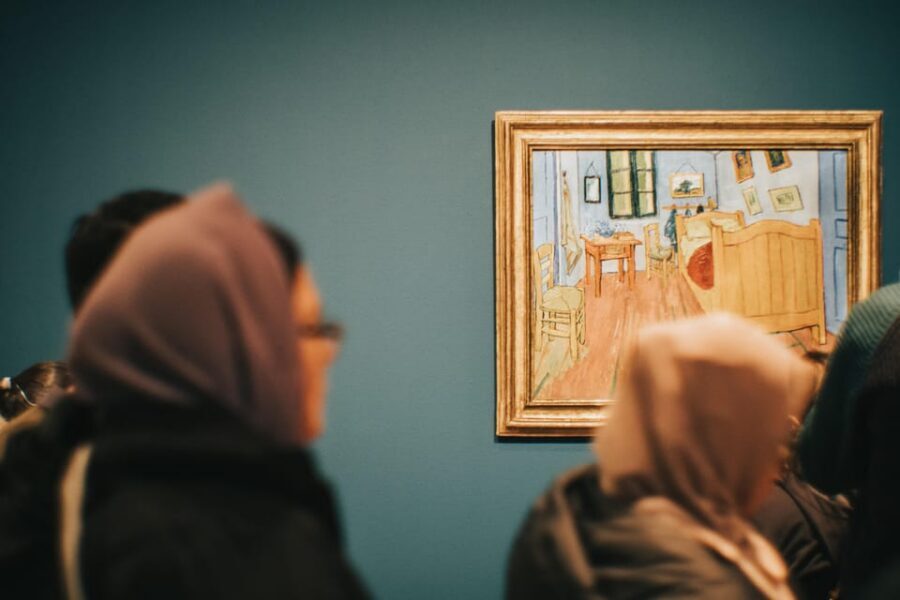
A private guide is where your museum experience stops being a checklist. This tour specifically aims to cover not just the most famous paintings and drawings, but also “lesser-known” works and formative pieces.
That’s valuable because posters only show the results. Here, you get more of the trail: early paintings, the formative Brabant influences, and the stage-by-stage evolution that helps you understand why later works look the way they do.
You also get access to temporary exhibitions as part of the experience. That’s a practical plus. It lets you connect Van Gogh to the present moment of museum interpretation, without needing to plan an extra visit on another day.
Getting the Most From a 2-Hour Tour: My Practical Advice
To make the most of a short private tour, come with one or two goals. Don’t try to memorize everything. Instead, pick a lane.
Here are two good approaches:
- If you’re newer to Van Gogh, focus on the life-stage story: age 27 start, Theo connection, Brabant influences, Paris experiments, Arles intensity, final tragedy.
- If you’re already a fan, focus on technique signals: how the guide points out emotional reflection in brushwork and composition.
Also, bring patience for emotional topics. This tour touches inner turmoil and mental anguish, and it covers the tragic end at age 37. The guide’s job is to connect these themes to what you see on the walls, and you’ll get more out of it if you let the explanation be human, not just technical.
For photo lovers: the tour listing references photographs by @DohaaStevens. If you plan to take pictures, do it thoughtfully and quickly, especially in busy exhibition rooms.
Price and Value: $411 for Up to 4 People
The price is $411 per group up to 4, for a 2-hour private tour with skip-the-line priority entry and an art historian guide.
Here’s how I’d judge value:
- If you’re traveling solo, you’re paying for quality and time-savings. You get a guided story in Spanish and you avoid the wait.
- If you’re traveling as a couple or a small group, the per-person cost becomes much more reasonable. You also get the benefit of questions that don’t get drowned out—private means each of you can steer the discussion.
- The skip-the-line priority ticket is part of the value, not a bonus. In a timed museum experience, the money is buying entrance time plus guided interpretation.
If you’re the kind of person who reads museum labels and then still wonders what you’re missing, this tour is probably worth it. If you’re perfectly happy with an audio guide and wandering slowly, you might feel it’s more guided than you need. But for Spanish speakers who want a life-and-art narrative, it’s a solid deal.
Who Should Book This Tour (And Who Might Not Need It)
This fits best if:
- You want Van Gogh in Spanish with an art historian guide
- You like a structured story you can follow in the rooms
- You’re visiting with up to 4 people and want a private format
- You care about context: Theo, Brabant influences, Paris change, Arles intensity, and the meaning behind major works
You might not need this if:
- You prefer independent wandering without a scheduled flow
- You want to spend a long time sampling everything with no guidance
- You’re okay with general museum interpretation and don’t need the life-stage connections
One more note: if you can, try to choose a time when you’ll still have energy after the tour. You’ll get more out of the story when you’re not rushing straight from the museum door.
Should You Book This Van Gogh Museum Spanish Private Tour?
I’d book it if you want Van Gogh with structure, emotional context, and expert guidance in Spanish, and especially if you’re arriving at a busy time and want to trade lines for looking.
The best reason to say yes is simple: this is a private, two-hour art history experience that connects life events to what you’re seeing—early beginnings, Theo’s support, Dutch influences, Paris experiments, Arles, and the final tragic chapter. And because you get priority entry, you start earlier and spend your paid time where it counts: inside the museum.
If Spanish is important for you, and you want an art historian guide rather than a quick label scan, this is a very sensible choice.
FAQ
Is this tour private?
Yes. It’s a private group tour.
How long is the Van Gogh Museum private tour in Spanish?
The duration is 2 hours.
Is skip-the-line entry included?
Yes. Skip the line with a priority ticket and separate entrance is included.
Where do we meet for the tour?
You meet in front of the mirror cube next to the museum entrance, and the guide is holding a Loving Vincent Tours sign.
What language is the tour?
The live tour guide speaks Spanish.
What is included in the ticket?
It includes the skip-the-line & reserved entry ticket and access to temporary exhibitions.