REVIEW · THE HAGUE
The Hague: Beginner’s Surf Lesson
Book on GetYourGuide →Operated by Hart Beach Quiksilver Surfschool · Bookable on GetYourGuide
First waves, no experience required. This 2-hour beginner surf lesson in Scheveningen (The Hague, South Holland) is a simple, structured way to try surfing on the North Sea—without feeling thrown in at the deep end. You start on the beach, get safety guidance in Dutch and English, then move into the water to learn how to control the board and time your takeoff.
I really like the small-group setup (6 participants max). That limit matters because you get coaching when you need it, not just a quick demo and a long wait. I also like that the instruction is flexible for language comfort—Dutch and English are both covered—and the teaching style seems to click with different ages, including instructors such as Connor, plus friendly staff members like Ayoub and Gijs who get singled out for being kind and helpful.
The main consideration is time: 2 hours is mainly about fundamentals (safety, stance, paddling basics, and catching early waves). If your goal is mastering long rides and advanced maneuvers, this lesson will feel more like the start than the whole journey.
In This Review
- Key takeaways before you go
- A 2-hour surf start in Scheveningen’s seaside playground
- Where you start (and why it’s helpful)
- What you learn on the beach: safety, board control, and wave timing
- The pacing that builds confidence
- Gear matters: soft-top board, warm wetsuit, and changing comfort
- What you need to bring (plan this early)
- From shoreline to first wave: how the lesson works in real time
- Small-group coaching in the water
- Instructors and teaching style: kind, professional, and inclusive
- Price and value: what you’re really paying for at $45
- How the €15 credit changes the math
- Post-lesson comfort: showers, lockers, and a clean exit
- Who should book this beginner surf lesson (and who might skip)
- Should you book? My practical take for first-timers
- FAQ
- Where does the beginner surf lesson meet?
- How long is the surf lesson?
- How much does it cost?
- Is the lesson offered in more than one language?
- How many people are in the group?
- What age do you need to be to take the lesson?
- What surf gear is included?
- What should I bring with me?
- Is anything included that can be used later?
- What is the cancellation policy?
Key takeaways before you go
- 6-student max coaching means less waiting and more feedback while you’re learning.
- Dutch + English instructors keep the safety rules clear and the technique easier to follow.
- Soft-top board + warm wetsuit are built for beginners and comfort in cool North Sea conditions.
- You’ll work on wave reading and takeoff timing, not just standing on the board.
- Locker + hot showers make it easy to get clean and comfortable after the water.
A 2-hour surf start in Scheveningen’s seaside playground
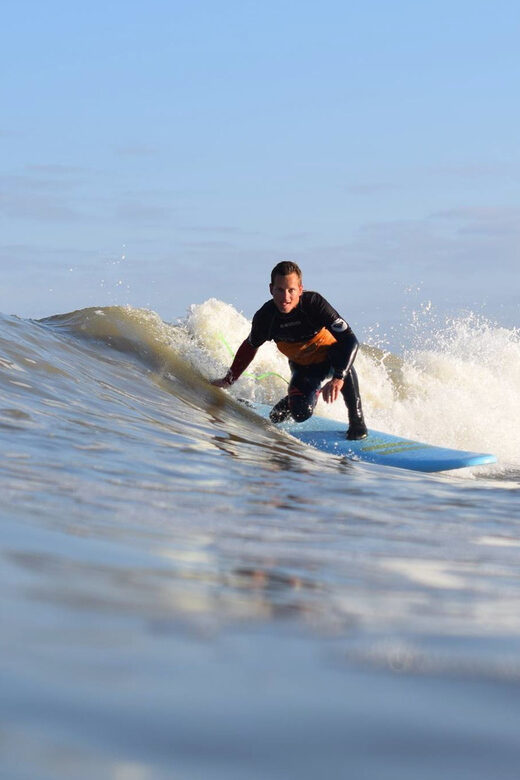
If you’re looking for a The Hague surf lesson that feels practical, this one hits the right note. You’re in Scheveningen, one of the most straightforward coastal areas in The Hague for a beginner experience. The setting is classic North Sea: cool air, salty wind, and that moment when the water looks calmer from shore than it does once you’re paddling out.
The lesson runs for 2 hours, starting and ending at the same meeting point at Strandweg 3, 2586JK Scheveningen. That matters because you’re not piecing together transport or guessing how long you’ll be away from your hotel. It’s built to be easy to fit into a day you’ve already planned.
And because this is a beginner lesson, the vibe is not about showing off. It’s about learning a few key moves the right way. The format is a small group of 6 students or less, so you’re not lost in a crowd while you figure out how to handle a surfboard.
You can also read our reviews of more tours and experiences in The Hague
Where you start (and why it’s helpful)
You meet on the beach area, where the instructor can talk you through what matters most. Starting on land helps you understand the big picture fast: how to keep your board under control, what to do before you enter the water, and what safety looks like when the sea is involved.
What you learn on the beach: safety, board control, and wave timing
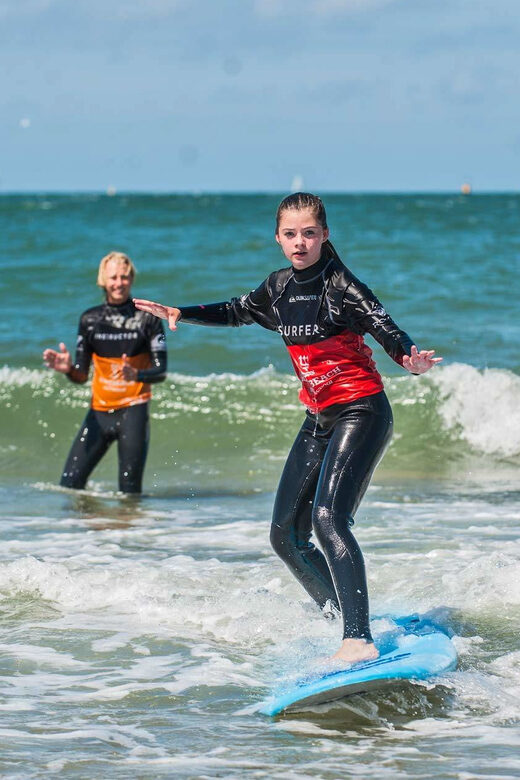
The best part of this lesson isn’t only that you’ll catch waves. It’s that you’ll learn the why behind what you’re doing.
First, you get a safety briefing from a qualified instructor. They explain how to stay safe in the water, and they cover how to go out safely—not just once, but in a way that makes sense for beginners. You’ll hear this in both Dutch and English, so you can relax if your Dutch is still a work-in-progress.
Then the lesson shifts into technique. You’ll go through multiple surfing basics, including:
- how to keep the surfboard controlled
- how to read the waves
- how to time your takeoff
- how to catch your first wave with the right movements
That wave-reading part is the difference between luck and progress. You start noticing patterns: where waves build, how they break, and what angle you’ll likely need to stand a chance. You’re not expected to master everything in one session. But you do leave with a simple mental checklist that helps you try again after.
The pacing that builds confidence
For a first-timer, the biggest risk is frustration. You’re learning at least three things at once: paddling, balance, and timing. The lesson structure is designed to break this up. You hear the technique, then you practice it. And because the group is small, the instructor can correct the most common beginner mistakes before they turn into habits.
Gear matters: soft-top board, warm wetsuit, and changing comfort
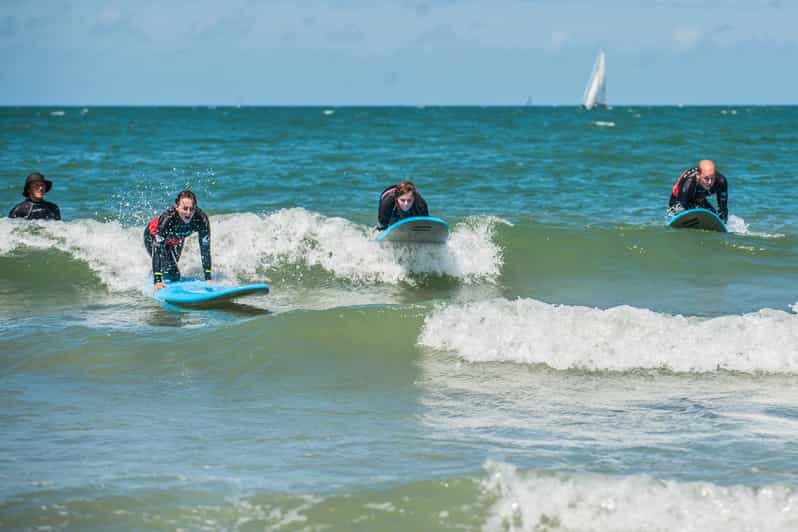
Surfing in the Netherlands can be surprisingly demanding—not because you need extreme fitness, but because the water can be cold and wind can make everything feel sharper. That’s why I like that the lesson includes the right gear for beginners, not just a board rental.
You’re provided with:
- Soft-top surf board
- Warm wetsuit
- Cap
- Gloves and boots if needed, only in the winter months
- Separate changing rooms
- Hot showers
- Lockers for your belongings
That soft-top board is a big deal. It’s much more forgiving for first attempts, and it reduces the sting when you’re still learning where your weight should be. The warm wetsuit and cap help you focus on technique instead of constantly battling the cold.





What you need to bring (plan this early)
You only need to bring a few personal items:
- Swimwear
- Towel
No towel is provided, so if you show up planning to dry off at a nearby shop, you might waste time. The simplest move is to pack your towel in your bag before you leave wherever you’re staying.
From shoreline to first wave: how the lesson works in real time
You’ll start with instruction on land, then move to the water with the group. During this transition, the instructor’s job is to keep things safe and manageable, especially when conditions shift a bit. Even in a sheltered area, waves can change quickly, so beginner technique needs to be simple and repeatable.
Once you’re on the board, you’ll practice the steps that lead to catching a wave:
- get comfortable controlling the surfboard
- learn how to position yourself as waves approach
- work on timing your takeoff
- try to stand and ride your first wave
You may not get it perfect right away, and that’s normal. The lesson aims for steady progress: every attempt teaches you something—how you should angle the board, when to commit to the pop-up, and what to do when the wave doesn’t break exactly how you expected.
Small-group coaching in the water
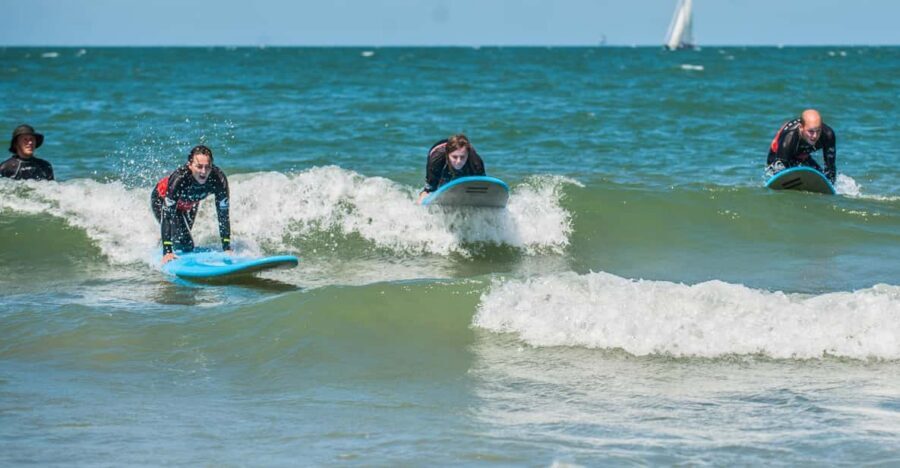
With 6 participants or less, you’re more likely to get hands-on corrections when you’re actively trying. In bigger groups, instructors can end up giving general advice while you’re waiting for your turn. Here, you’re more likely to get feedback at the moment it helps.
The result is that catching your first wave feels less like chance and more like a skill you’re building.
Instructors and teaching style: kind, professional, and inclusive
A good surf lesson has two parts: technical instruction and emotional support. This one seems to nail both.
People consistently praise staff members like Ayoub and Gijs for being kind and helpful. That matters because surfing can be intimidating at first. If the instructor’s tone is supportive, you’re more likely to relax enough to learn quickly.
Connor also comes up as an instructor who teaches with fun energy while staying professional. That balance is exactly what you want as a beginner. You’re not there for a drill; you’re there for a clear path to your first wave.
There’s also a strong signal that the lesson works for more than one age group. One review highlighted that an older participant felt treated the same as everyone else—no attitude, no “you’re too old” vibe. That’s a good sign if you want a welcoming environment that focuses on ability, not appearance.
Price and value: what you’re really paying for at $45
At $45 per person for a 2-hour beginner lesson, the value depends on what you’d otherwise pay for separately. Here’s what you’re getting that usually costs money on its own:
- a soft-top board
- warm wetsuit setup (including cap)
- a structured lesson with safety guidance
- lockers, separate changing rooms, and hot showers
Then there’s the extra perk: an included €15 rental credit that you can use after your lesson, when it suits you.
How the €15 credit changes the math
Even if you don’t plan a second surf day immediately, that credit is practical. It lowers the barrier to trying again while you still remember what you learned. If you end up catching the surfing bug (it happens), you’ve already reduced the next cost.
If you compare this to piecing together your own board rental plus a lesson, the “pay once” structure becomes easier to justify. You’re paying for guidance and gear access in one package, which is exactly what beginners want.
Post-lesson comfort: showers, lockers, and a clean exit
Surf lessons can leave you sticky, salty, and cold. This one helps you handle the aftermath.
You get:
- separate changing rooms
- lockers for personal belongings
- hot showers
That means you can enjoy the rest of your day in The Hague without feeling gross or scrambling for a place to rinse off. It also makes the lesson easier to fit into normal travel plans, whether you’re heading to dinner or sightseeing afterward.
Who should book this beginner surf lesson (and who might skip)
This lesson is ideal if you:
- want a first surf experience in Scheveningen with clear instruction
- prefer small-group coaching
- want lessons available in Dutch and English
- like the idea of gear provided for a low-stress start
It may be less ideal if your goal is advanced surfing. Since the lesson is only 2 hours, it focuses on safety and first-wave basics. You’ll likely leave proud and motivated, not fully trained for bigger waves.
Also note the age requirement: you must be at least 16 to take part. If you’re planning as a family, this is one of the first constraints to check.
Should you book? My practical take for first-timers
Yes, you should book this beginner surf lesson if you want a structured first attempt with real coaching and warm gear. The combination of a 6-person max group, Dutch/English instruction, and facilities like hot showers makes it a smooth intro to surfing in The Hague.
If you’re the type who learns best with someone correcting your form as you try, this format fits. And if you’re concerned about the lesson feeling too intimidating, the consistent praise for kindness and professionalism (including instructors like Connor, plus staff such as Ayoub and Gijs) is a strong green flag.
One last thought: if you’re picky about how you book or want to keep things simple with the local surf shop, you might decide to book directly with the surf school for fewer steps. But the lesson itself is the key draw here.
If you’re ready to trade “I’ve always wanted to try surfing” for a real attempt, this is a solid, beginner-friendly way to do it in Scheveningen.
FAQ
Where does the beginner surf lesson meet?
You meet at Strandweg 3, 2586JK Scheveningen, The Hague, and the activity ends back at the meeting point.
How long is the surf lesson?
The duration is 2 hours. Starting times depend on availability.
How much does it cost?
The price is $45 per person.
Is the lesson offered in more than one language?
Yes. The instruction is provided in Dutch and English.
How many people are in the group?
The group is small, limited to 6 participants.
What age do you need to be to take the lesson?
You must be at least 16 years old.
What surf gear is included?
You get a soft-top surf board, warm wetsuits and cap, and separate changing rooms, hot showers, and lockers. Gloves and boots are provided if needed in winter months.
What should I bring with me?
Bring swimwear and a towel.
Is anything included that can be used later?
Yes. The lesson includes a €15 rental credit that you can use after your lesson, when it suits you.
What is the cancellation policy?
Free cancellation is available up to 24 hours in advance for a full refund.