REVIEW · AMSTERDAM
Small Group LGBTQ+ History Tour in Amsterdam
Book on Viator →Operated by Badass Tours · Bookable on Viator
Secrets hide in plain sight. In just about two hours, this small-group walk links LGBTQIA stories to the streets you already see in Amsterdam, from nightlife squares to canal bridges. You’ll get a guided thread that makes the city feel personal, not like a list of plaques, with a local storyteller at the front.
I love how intimate it is, with a maximum of eight people. I also like the way the guides bring it alive, with examples like Guus and Elyzabeth showing how this tour can feel more like a conversation than a lecture.
One possible drawback: it’s mostly an outdoor walk, and the experience requires good weather, so pack for wind and rain just in case.
In This Review
- Key Things That Make This Tour Worth Your Time
- Where Your Walk Begins and Ends (Utrechtsestraat 4 to Torensluis)
- 2 Hours of LGBTQIA Storytelling (Small Group, Tight Route)
- Rembrandtplein: Nightlife, Affairs, and a Gay Marriage Story
- Munt Tower (Munttoren): A Shopkeeper vs. State Violence
- Koningsplein: The Church Tried to Keep an LGBTQIA Name Hidden
- Emperor’s Canal (Keizersgracht): The Pope of the Gays and Lesbian Legal Loops
- Gay Monument + Herengracht: Celebration, Mourning, and Resistance
- Torensluis: A Trans Soldier in the 18th-Century Militia
- Price at $47.34 and What You Actually Get
- Practicalities: Weather, English, Mobile Tickets, and Getting There
- Who This Tour Is Best For
- Should You Book This Tour or Skip It?
- FAQ
- How long is the Small Group LGBTQ+ History Tour in Amsterdam?
- Where is the tour located?
- Is the tour offered in English?
- How large is the group?
- Where do I meet the guide?
- Where does the tour end?
- Are there admission tickets required for the stops?
- What ticket type do I need?
- Is the tour suitable for most travelers?
- What if the weather is bad?
Key Things That Make This Tour Worth Your Time
- Max 8 people means you’re not lost in a crowd and questions land better.
- Free admission at every stop keeps the focus on the stories, not ticket math.
- Seven story stops plus a satisfying finish on Torensluis bridge by the Multatuli sculpture.
- A timeline across centuries ties club life, resistance, and legal battles together.
- English + mobile ticket makes it easier to fit into a busy Amsterdam day.
Where Your Walk Begins and Ends (Utrechtsestraat 4 to Torensluis)
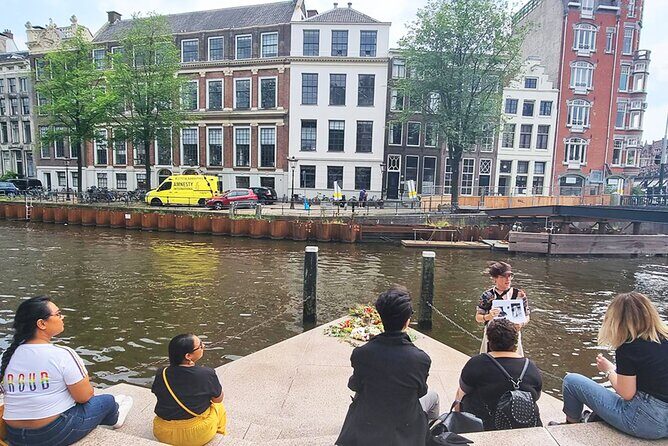
You meet at Utrechtsestraat 4, 1017 VN Amsterdam. That location is handy because it sets you up near the center of things, so you’re not starting the day halfway across town.
The tour ends on Torensluis, 1012 VK Amsterdam, on the bridge by the Multatuli sculpture. I like this kind of finish. Instead of circling back to the start, you get to step out somewhere different and keep your momentum. It also means you can plan your next stop around that area.
Because the route is built around specific squares and canals, you should expect some standing, some walking, and plenty of stops where you’ll be listening more than sprinting. If you’re the type who gets cold easily, this matters even more, since the tour runs outdoors for the majority of the experience.
You can also read our reviews of more historical tours in Amsterdam


2 Hours of LGBTQIA Storytelling (Small Group, Tight Route)
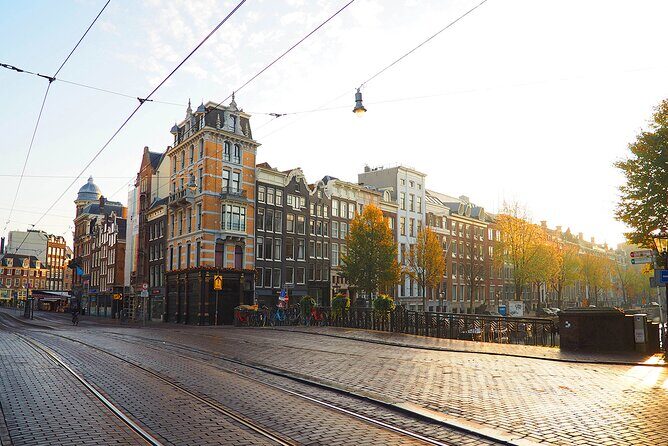
This is an approx. 2-hour tour designed for an intimate group of no more than eight people. That group size changes the feel fast. You’ll likely get more back-and-forth, and the guide can pace the group instead of rushing everyone along.
The tour is offered in English, and you’ll receive a mobile ticket. Practically, that means less time hunting for paper confirmation and more time looking up at buildings, canal views, and monuments as you move.
What makes the format work is that it’s short enough to stay sharp, but long enough to give you a real arc. You start with the Rembrandtplein stop, where you hear a mix of club stories, affairs, and the idea of the world’s first legal gay marriage. Then you move into towers, plazas, canals, and memorials—each one turning a normal Amsterdam spot into a place where people lived, resisted, mourned, celebrated, and fought for recognition.
Rembrandtplein: Nightlife, Affairs, and a Gay Marriage Story
Stop 1 is Rembrandtplein, and you get about 20 minutes here. It’s a strong opening, because Rembrandtplein is exactly the kind of central nightlife area where most visitors only pass through. This tour asks you to slow down and look at it as a stage for LGBTQIA life and stories.
At this stop, you’ll hear a flying overview of Amsterdam, then shift into specific LGBTQIA-related themes: clubgoers, a married king who had affairs with men, and the world’s first legal gay marriage. Even if you don’t know much about Amsterdam’s LGBTQIA past going in, this is a good entry point because it mixes personal human stories with big-picture milestones.
The main value of this first stop is perspective. It helps you realize that these aren’t separate islands of history. They connect to daily life: who felt safe, who was targeted, and how public acceptance can change over time. You also get your bearings fast for the rest of the route.
A small consideration: since this is the first stop, expect a bit of setup and context. If you love to jump straight into details, you might want to mentally switch modes early and stay patient for the groundwork.
Munt Tower (Munttoren): A Shopkeeper vs. State Violence
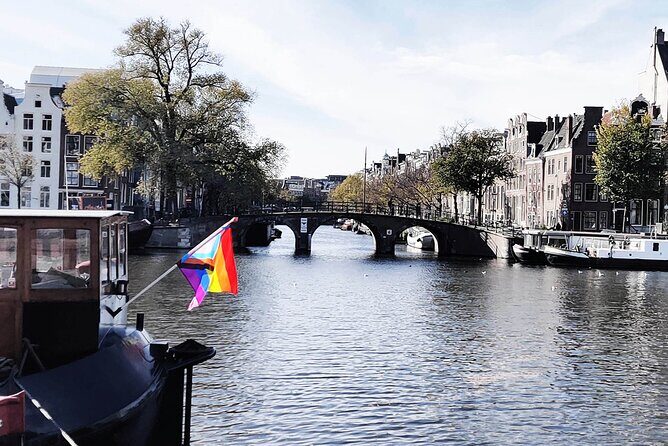
Stop 2 is Munt Tower, or Munttoren, with about 15 minutes. This is one of the quieter stops on the walk, which is part of the point. You’re learning that LGBTQIA history isn’t only about bright, loud moments. It’s also about everyday people trying to protect their friends when the state was watching and punishing.
The story focus here is a shopkeeper who tried to protect friends in the face of state violence. That framing matters because it shifts the angle from famous names to ordinary risk-taking. In a city where a lot of tourist attention goes to architecture and big landmarks, this stop puts moral action back into the spotlight.
Drawback to keep in mind: because the theme is serious, the tone here can feel heavier than at the canal and monument stops. If you prefer humor or lighter pacing, you’ll still get value, but you may want to take a breath and reset so the later celebration moments land harder.
Koningsplein: The Church Tried to Keep an LGBTQIA Name Hidden
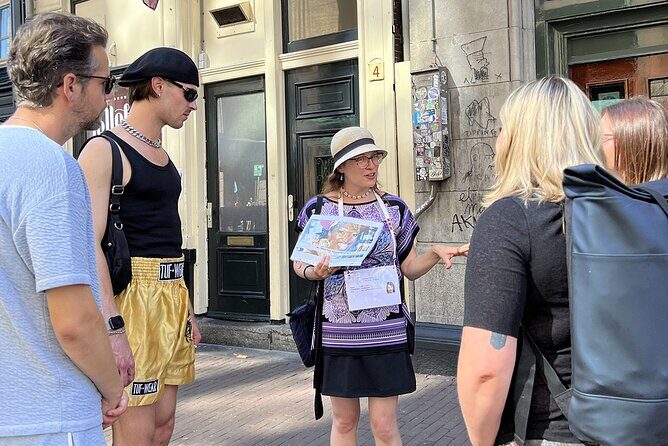
Stop 3 is Koningsplein, again around 15 minutes. This stop focuses on a familiar name tied to LGBTQIA history—and on the role of the Catholic church trying to keep it hidden.
I like this stop because it addresses something you may already sense in Amsterdam: history isn’t always public, even when it’s right there. This story helps you read the city differently. You start noticing how buildings and names can carry meaning, and also how institutions can shape what becomes visible.
Practical tip: this stop is short, so be ready to listen closely the first time. If you zone out for a minute, you can miss the connection between the name and the hidden story thread. The guide’s pacing helps, but your attention still counts.
You can also read our reviews of more tours and experiences in Amsterdam

Emperor’s Canal (Keizersgracht): The Pope of the Gays and Lesbian Legal Loops
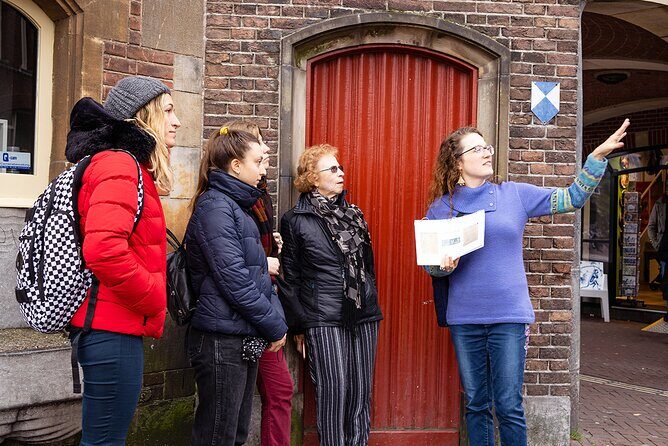
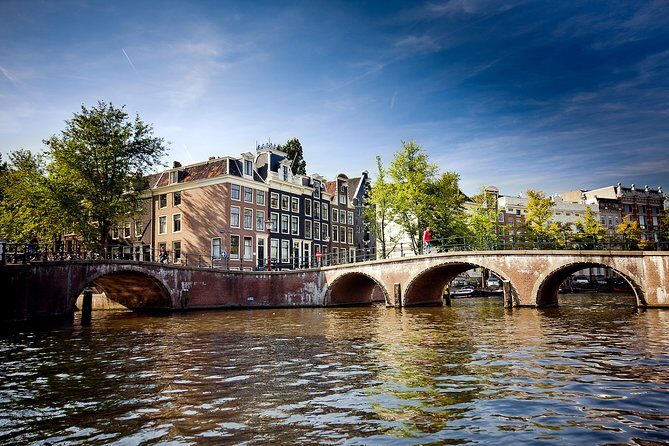
Stop 4 is the Emperor’s Canal—Keizersgracht—with about 20 minutes. This is one of the stops where the Amsterdam you know (canals, bridges, elegant facades) meets the Amsterdam you might not know: stories that sound strange until they become painfully human.
You’ll hear wild tales, including the Pope of the Gays. You’ll also get a 17th-century literary lesbian love triangle and a story involving a pompous doctor who may have accidentally given lesbians legal cover. Even with the word may in the framing, it’s a useful lesson. Legal protection often doesn’t arrive as a clean victory march. Sometimes it’s tied to unexpected routes, misunderstandings, and power structures.
The value here isn’t just the drama. It’s that you’re learning how culture, literature, and institutions can intersect. A canal stop also helps you connect emotional memory to place. After this, the next time you see a canal in Amsterdam, you’re more likely to picture people rather than just water.
Possible drawback: because this part leans into “wild stories,” you might feel like you’re hearing a lot at once. If you’re the kind of traveler who likes to take notes, bring a small notebook or keep your phone ready for quick reminders so it doesn’t all blur together.
Gay Monument + Herengracht: Celebration, Mourning, and Resistance

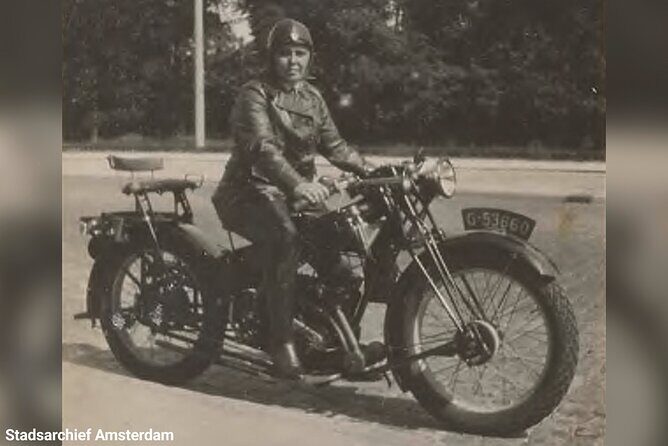
Stop 5 is the Gay Monument, with about 15 minutes. Since it was unveiled, it has become both a place of celebration and mourning for Amsterdam’s LGBTQIA community. The tour uses this stop to celebrate a badass lesbian hero.
That combo—public art + community memory—is a big reason this stop works. It’s not just history as facts. It’s history as feeling. You can stand in front of something and understand that recognition can be both joyful and heavy at the same time.
Stop 6 is Herengracht, again 15 minutes. Here, the story focus shifts to queer Resistance fighters working in an inconspicuous canal house. I like the word inconspicuous in the way the story is framed. It pushes you to rethink what “visibility” means. Sometimes bravery happens away from spotlight, and survival depends on people who know how to stay ordinary on the outside.
If you’re wondering how this tour avoids feeling like a random set of stops, this is where it clicks. You see how the route moves from public celebration (monument) to covert action (Resistance story). Then you carry that emotional contrast into the final stop.
Torensluis: A Trans Soldier in the 18th-Century Militia
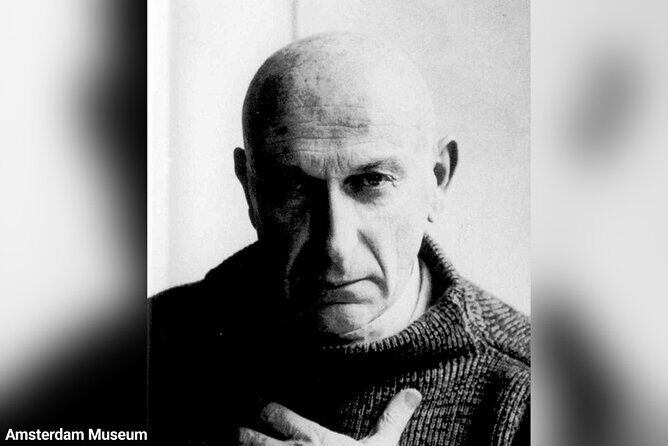
Stop 7 is Torensluis, with about 20 minutes. The ending story centers on a trans soldier who served in 18th-century Amsterdam’s militia, with a surprising message built into the tale.
Ending here matters. It’s a different kind of closure than ending at a museum door. You finish on a bridge, in the open air, in a spot that feels like a real crossing point rather than a final exhibit wall.
This stop also broadens the lens. You’re not only following stories of love or legal milestones. You’re seeing LGBTQIA presence tied to survival and civic life. That can be a meaningful payoff if you came for history but also wanted something human and grounded.
One practical note: since Torensluis is a bridge area, your best bet is to stand where the guide can talk clearly. If you’re with someone taller or you’re in a windy moment, try to pick a spot that doesn’t force you to strain your neck or lose the story thread.
Price at $47.34 and What You Actually Get
The price is $47.34 per person for an approx. 2-hour small-group tour. On paper, that might look like a lot or like a bargain depending on your travel style. Here’s how I think about value for this one:
You’re paying for a local guide who’s a storyteller and a history fanatic, not just for a route. And you’re not paying extra for entry tickets at the stops. Each stop is listed as admission ticket free, which matters because it keeps your total cost predictable and avoids the feeling that the tour is a shopping list.
You’re also paying for a format that costs more to run: max eight people, guided walking, and a tight itinerary that moves you through multiple themed stops without making you spend half the day commuting between far-flung attractions.
If you care about LGBTQIA history in a way that feels personal—told through place, not just pages—this is the kind of tour that can earn its price quickly. If you only want broad, general background and hate walking outdoors, you might feel the time compressed by the storytelling pace.
Practicalities: Weather, English, Mobile Tickets, and Getting There
This experience requires good weather. If conditions are poor, the tour can be canceled and you’ll be offered a different date or a full refund. That means you should plan your day with a bit of flexibility, especially if you’re traveling in colder or wetter months.
It’s offered in English, and you’ll use a mobile ticket. Near public transportation, which helps if you’re bouncing between museums and canal walks. Also, service animals are allowed, and most travelers can participate.
Group size stays under control (maximum eight), so even if the weather gets a little rough, you’re less likely to feel stuck in a giant crowd. Still, wear something wind-friendly and pack for damp air if you’re going outside the usual postcard weather window.
Who This Tour Is Best For
This is a great fit if you’re a history buff, an LGBTQ+ traveler, or simply curious about the LGBTQIA threads that run through Amsterdam beyond the usual tourist route.
It’s also a solid choice if you like learning from a guide who connects stories rather than reading facts off a sign. The stop themes—nightlife, state power, church influence, canal culture, memorial art, Resistance action, and even militia service—mean you get variety without switching tours every 15 minutes.
I’d particularly recommend it if you want Amsterdam to feel like a living place. The tour’s strength is that it teaches you how to notice the city differently: how a square, tower, church-hidden name, canal, monument, and bridge can all hold memory.
Should You Book This Tour or Skip It?
Book it if you want an organized, small-group way to see Amsterdam through LGBTQIA history, with free admissions, a tight route, and storytelling that aims to make the past feel close to the present. The small group size is a big part of the value, and it’s the difference between hearing a story and being part of a shared attention moment.
Skip it if you hate outdoor walking in variable weather, or if you only want general, high-level context with minimal standing. Also consider your pace: because it’s approx. two hours and stops are time-boxed, you’ll need to accept that you’re learning quickly, not lingering for photos at every corner.
If you’re deciding last-minute, this is an easy “yes” for most people who enjoy guided walks and meaningful stories. It’s the kind of tour that makes you look up from your phone and notice how much a city can remember.
FAQ
How long is the Small Group LGBTQ+ History Tour in Amsterdam?
The tour lasts about 2 hours.
Where is the tour located?
The tour takes place in Amsterdam, Netherlands.
Is the tour offered in English?
Yes, it is offered in English.
How large is the group?
The tour has a maximum of 8 travelers.
Where do I meet the guide?
You meet at Utrechtsestraat 4, 1017 VN Amsterdam, Netherlands.
Where does the tour end?
The tour ends on Torensluis bridge, by the Multatuli sculpture.
Are there admission tickets required for the stops?
No. The itinerary lists admission ticket free at each stop.
What ticket type do I need?
You’ll receive a mobile ticket.
Is the tour suitable for most travelers?
Most travelers can participate.
What if the weather is bad?
This experience requires good weather. If it’s canceled due to poor weather, you’ll be offered a different date or a full refund.