REVIEW · AMSTERDAM
Secret Food Tours Amsterdam
Book on GetYourGuide →Operated by Essor · Bookable on GetYourGuide
Food on canals beats a regular sightseeing loop.
Secret Food Tours Amsterdam turns the Jordaan into a living menu, with small, family-run stops tucked along narrow streets and canal corners. I love the small group setup, because the guide can actually keep pace with your questions and your appetite.
This tour makes Dutch food make sense fast. You start with classic poffertjes and then taste your way through cheese, fish, and stamppot, with stories that connect Dutch everyday life to 17th-century Amsterdam and maritime trade. I like how the mix stays balanced, so you don’t end up with only sweet bites or only one type of dish.
One heads-up: comfortable shoes matter here. And if you have dietary needs, tell the operator when you book, since the tastings have to match what the kitchens can safely do.
In This Review
- Key points to know before you go
- Why the Jordaan makes this food tour feel local
- Anne Frank statue start and the orange-umbrella welcome
- Poffertjes first: a sweet start that sets the tone
- Jordaan canals and 17th-century stories you can taste
- A hidden garden courtyard stop (and why it’s more than a photo spot)
- Cheese, markets, and the Dutch way of making simple things memorable
- Fishmonger time: herring and kibbeling in proper Dutch style
- Stamppot and jenever: the comfort-food finish that feels Dutch
- The Secret Dish: why you should save room for the wildcard
- Price and value: is $115 worth it?
- Tips for getting the most from this Amsterdam food walk
- Should you book Secret Food Tours Amsterdam?
- FAQ
- Where do we meet for Secret Food Tours Amsterdam?
- How long is the tour?
- What’s included in the tastings?
- What drinks are included?
- Is the tour group small?
- What language is the tour guide?
- Are transportation costs included?
- What should I bring?
- Is there a cancellation option?
Key points to know before you go
- Jordaan canal walk near Anne Frank House with most time spent in one still-authentic neighborhood
- Start with hot poffertjes, a classic Dutch batter treat
- A hidden garden courtyard stop that gives you a breather from the street
- Dutch cheese tasting plus fresh market sweets like stroopwafel
- Fishmonger time with fresh herring and kibbeling (battered codfish)
- A mystery Secret Dish at the end, built for people who like a surprise
Why the Jordaan makes this food tour feel local
Amsterdam is famous for canals, but the Jordaan is where you feel the city’s everyday rhythm. This is the neighborhood that still looks and feels like the kind of place early residents would have recognized, with tight lanes and canal views that pull you forward block by block.
What makes the area especially useful for a food tour is that you can connect the streets to the ingredients. The guide weaves in how 17th-century Amsterdam shaped what people ate and how they lived—then links that to the food you’re tasting right in front of you. You’ll also hear how early French immigration influenced parts of Dutch baking, which helps explain why some Dutch pastries and sweets feel familiar if you’ve tasted French-style desserts elsewhere.
Also, Jordaan is where you’ll naturally slow down. Even if you’re not the type to stand still and people-watch, you’ll find it easier to focus when the route stays in one compact area instead of bouncing across the whole city.
You can also read our reviews of more food & drink experiences in Amsterdam


Anne Frank statue start and the orange-umbrella welcome
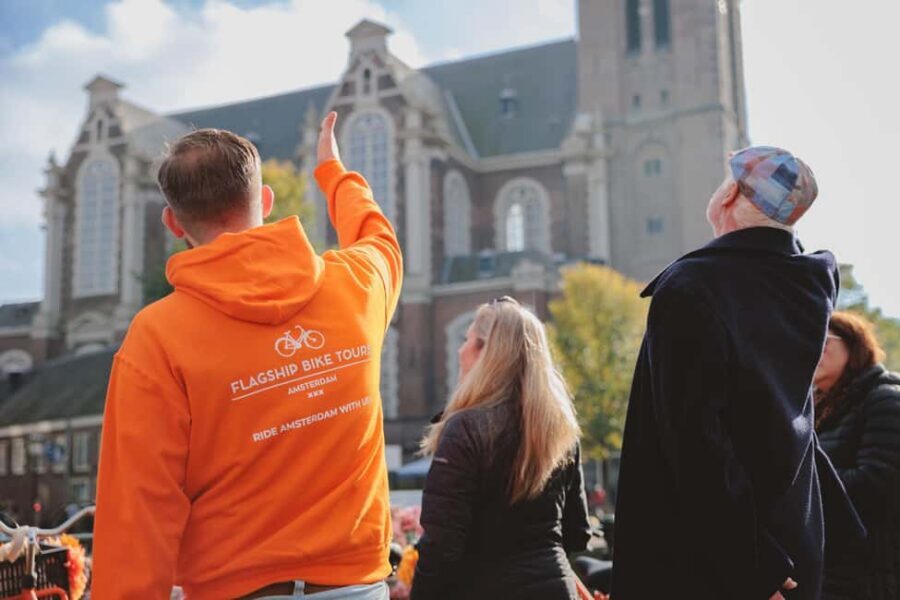
Your tour starts by meeting in front of the Anne Frank statue near Westerkerk church. You’ll spot your guide by an orange umbrella and a big smile—an easy, human landmark when you’re trying to arrive on time without stressing.
The walking portion runs about 3 to 3.5 hours, and the group size stays small, with a maximum of 12 people. That matters more than it sounds. Small groups mean shorter waiting times at each tasting stop, and it’s easier to get answers instead of just listening while everyone shuffles forward.
The tour ends back at the same meeting point, so you don’t have to plan a separate transport puzzle at the finish. If you’re pairing this with museums or a late lunch, this “home base” style ending is just practical.
Poffertjes first: a sweet start that sets the tone
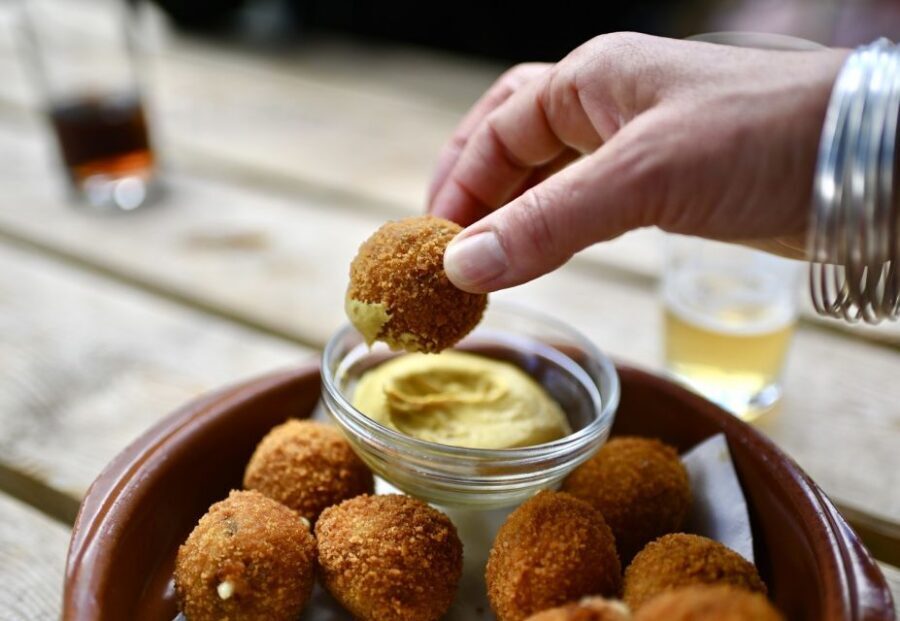
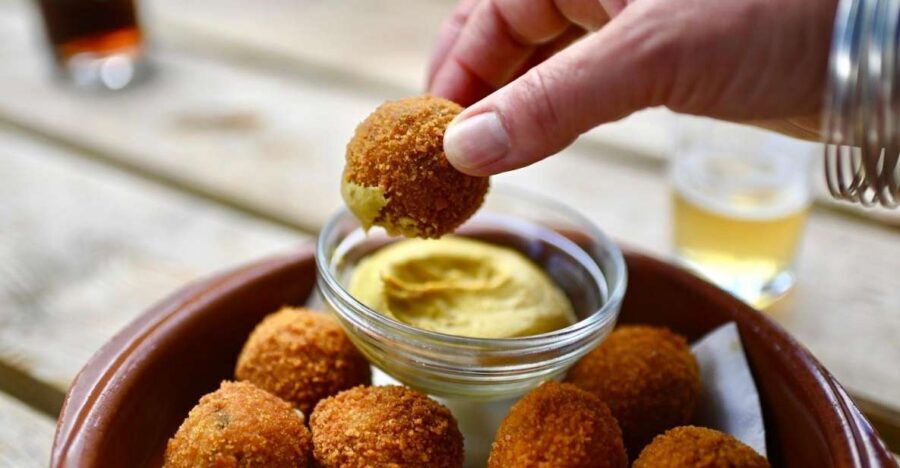
You begin with traditional homemade pancakes called Poffertjes. This is a great choice for the first stop because it’s warm, comforting, and unmistakably Dutch in vibe. You’ll taste the food alongside the story of how everyday Dutch treats became part of daily life, not just tourist snacks.
From there, you move into the sweet side in a way that feels purposeful, not random. Fresh stroopwafel from the market is part of the lineup, and it’s the kind of treat you’ll appreciate more when you can taste it soon after arriving—before your morning habits turn into a coffee-only routine.
You’ll also get French-influenced pastries during the walk. That detail isn’t just trivia. It helps you understand why Dutch sweets can feel both local and cosmopolitan, especially in a city that drew people and ideas from elsewhere.
If you like the idea of a tour where the first taste nudges your senses awake, this opening works. And if you don’t love sweets, the good news is the tour doesn’t linger there—you’ll switch to cheese and savory items soon after.
Jordaan canals and 17th-century stories you can taste
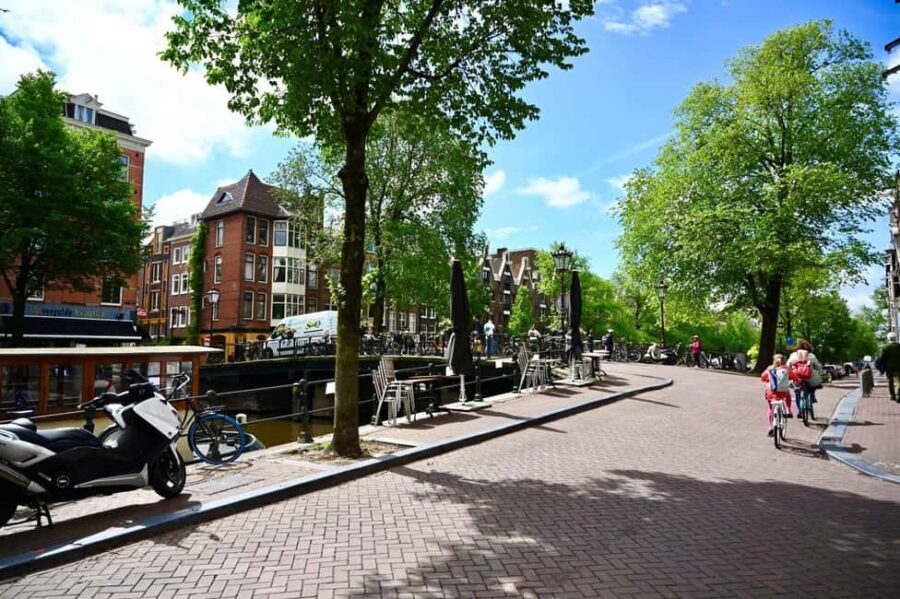
As you walk through the Jordaan, you’re not just taking pretty photos. The guide connects what you see—canal-side corners, narrow lanes, and old neighborhood textures—to what the Netherlands ate and why.
You’ll hear why certain fish dishes became a pride-and-joy for Holland. Cod and herring come up as big examples, and the maritime angle matters because it explains the logic behind seasonal comfort foods. The Netherlands is a country shaped by water, and winter meals make that obvious: food that keeps you going through colder months, with flavors that reflect practical histories.
You’ll also get links between the neighborhood and famous Amsterdam life—like why Rembrandt chose to spend his remaining years in this kind of enclave. Even if you don’t memorize dates, this kind of storytelling makes the walking route feel like more than a transit line.
One more thing I appreciate: the tour stays focused on intersections of food and daily life. Instead of turning every stop into a lecture, the stories connect directly to what’s next in your tasting plan.
A hidden garden courtyard stop (and why it’s more than a photo spot)
You’ll visit a beautiful hidden garden courtyard during the experience. This is the kind of stop that changes the pace. Streets can feel fast, even when you’re enjoying them, but a courtyard gives you a small pause where you can taste more slowly and reset your senses.
Courtyard stops also make a food tour feel like Amsterdam beyond the main sights. You’re seeing how people carve out quiet spaces inside dense neighborhoods. That quiet contrast pairs nicely with the tastings, because it gives your brain a moment to register flavors instead of only processing movement and street noise.
If you tend to power-walk through cities, this break is an easy win. It also makes the route feel thoughtfully planned rather than just a sequence of storefront bites.
You can also read our reviews of more tours and experiences in Amsterdam





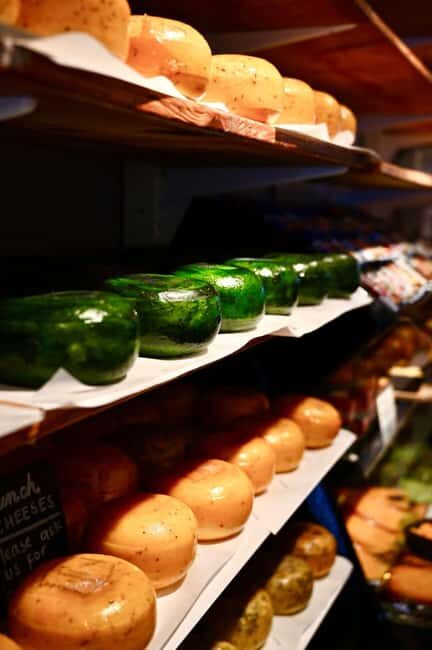
Cheese, markets, and the Dutch way of making simple things memorable
Dutch cheese is one of those food topics where a guide can make the difference between tastings that feel like sampling and tastings that feel like learning. In this tour, you’ll enjoy an assortment of Dutch cheeses at a dedicated stop.
The value here isn’t that you’ll learn a chemistry lesson about cheese aging. It’s that you’ll understand how a cheese plate fits into Dutch food culture—easy to share, easy to pair, and deeply tied to local food identity.
Pair that with a stop where market sweets are fresh and close to where they’re sold. Stroopwafel stands out here because it’s not a bagged souvenir. It’s the real deal, and the freshness helps you notice texture and flavor that can disappear when sweets sit too long in packaging.
As you move between sweet and savory, you’ll start to feel the structure of the tour. It’s not random sampling. It’s a rhythm: warm start, sweet market hit, cheese interlude, then savory transitions.
Fishmonger time: herring and kibbeling in proper Dutch style
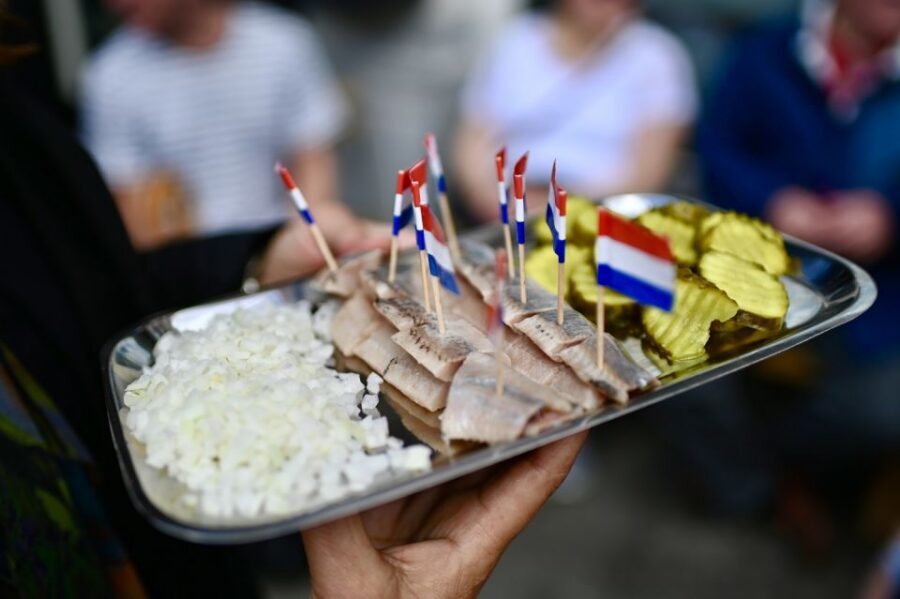
If you like seafood, the fishmonger stop is a highlight for a reason. You’ll visit a local fishmonger and taste fresh herring plus kibbeling—battered chunks of fish fried until crisp.
This part of the route brings together the maritime story the guide has been setting up. When you taste herring and kibbeling, you’re tasting the Netherlands’ connection to water in a very practical way: food shaped by what was available, what traveled well, and what people wanted during colder seasons.
One practical note: fish is a strong flavor category. Even if you’re curious, decide in advance whether you’re truly comfortable with herring. If you’re not, you can still enjoy the walking, the courtyard break, the cheese, and the winter-leaning comfort food later—but it helps to know this section may be a major portion of your tasting focus.
For people who do enjoy fish, this stop is the kind you remember later because it’s specific. It’s not generic seafood. It’s Dutch seafood comfort, with the fried crispness of kibbeling and the briny bite of fresh herring.
Stamppot and jenever: the comfort-food finish that feels Dutch
After fish, the tour heads toward stamppot, a local favorite. Stamppot is the kind of dish that sounds simple until you taste it and realize it’s exactly what comfort food should be: filling, warm, and built for everyday life.
The guide also ties this section to the maritime connection—how the Dutch winter food story is shaped by the sea and by seasonal need. It’s a useful way to understand why “winter stew” type dishes show up again and again in Dutch food culture.
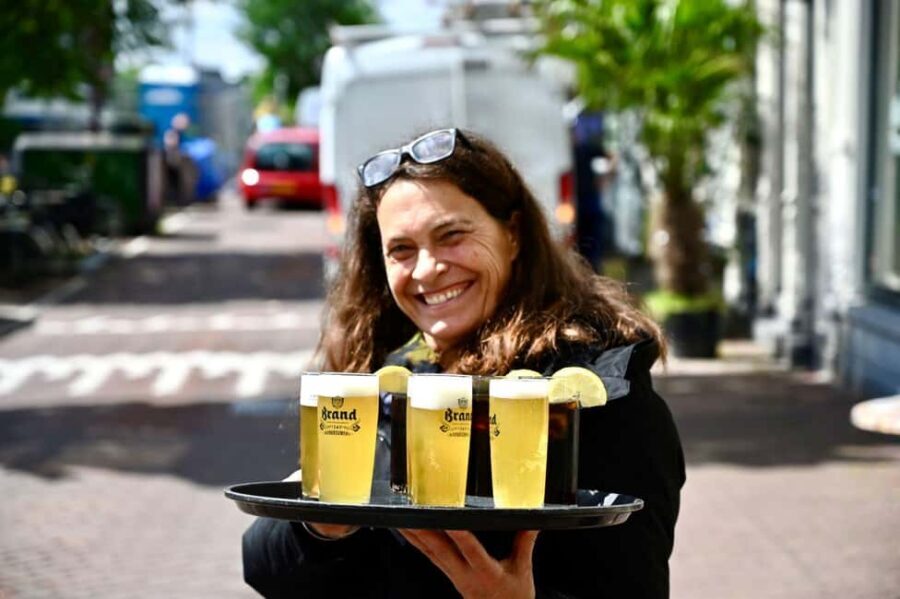
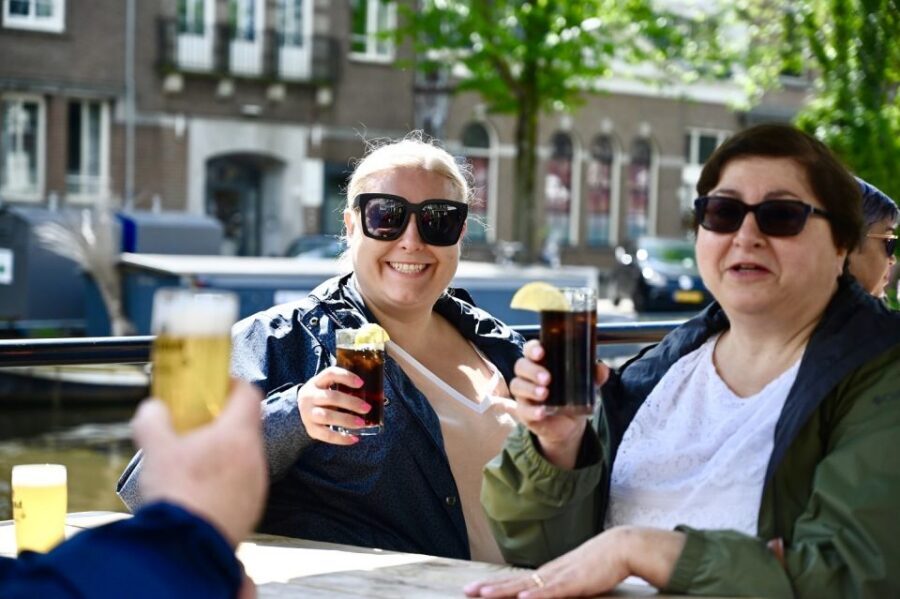
Now add the drinks. Along the way, you’ll be offered coffee or tea, a glass of local beer (with non-alcoholic options), and jenever (Dutch gin), plus water. The drink lineup matters for value because it means you’re not paying extra at every stop just to keep the tour comfortable.
If you’re curious about Dutch spirits, jenever is a strong introduction. And if you’d rather keep it light, you can still enjoy the pace with coffee or tea and water while others sample the drinks.
The Secret Dish: why you should save room for the wildcard
Every Secret Food Tours Amsterdam experience includes a delicious Secret Dish at the end. That’s the fun part. It keeps the tour from feeling like a checklist and adds a real sense of payoff after you’ve already tasted through cheese, fish, and comfort food.
This is also the moment where dietary needs become extra important. You’ll be asked to advise dietary requirements when you book, and the experience is designed so the guide can help you enjoy what’s offered. In prior experiences shared with the operator, guides like Holly have gone above and beyond for dietary restrictions such as celiac, so it’s worth communicating your needs early and clearly.
My practical advice: don’t over-stuff yourself at a nearby café before the tour. The secret dish is part of the overall flow, and leaving space makes the last stop feel like a proper finish instead of an afterthought.
Price and value: is $115 worth it?
At about $115 per person for roughly 3 hours (3 to 3.5 with tasting pace), this is not a budget activity. But it also isn’t a vague “walk and snack” situation.
Here’s what you get that justifies the price:
- Small group touring (maximum 12 people) with an English-speaking local guide
- 6 tasting stops with food and drink built in
- Drinks include coffee or tea, local beer (or non-alcoholic options), jenever, and water
- The tour experience stays concentrated in one area, near Anne Frank House, which saves time and mental effort
If you compare it to paying for multiple separate bites plus drinks across several places, the math starts to look more reasonable. Also, you’re not just consuming food—you’re getting context: why cod and herring dishes became Dutch pride, how French immigration shaped some sweets, and how maritime history shows up in winter comfort meals.
The real value is the combination. You’d spend money on food either way. This tour adds the guided connections that make the meals feel like a story instead of isolated snacks.
Tips for getting the most from this Amsterdam food walk
A few small habits will make this tour smoother and more fun.
First, wear comfortable shoes. The route includes narrow streets and canal-area walking, and the experience is long enough that you’ll feel every pause if your feet aren’t happy.
Second, check your appetite. You’ll taste multiple items, including poffertjes, stroopwafel, cheese, herring, kibbeling, stamppot, and the Secret Dish, plus drinks. If you start too full, you’ll rush. If you start hungry enough, you’ll enjoy each stop.
Third, communicate dietary requirements at booking. The tour is built around multiple tastings, so last-minute changes can be harder. If you have celiac or other strict needs, be direct so the guide can help you plan around what’s being served.
Finally, bring curiosity. If you ask about why certain foods matter in Dutch life, the stories land better. This tour works best when you treat it like a guided conversation with the neighborhood.
Should you book Secret Food Tours Amsterdam?
I think this is a strong choice if you want Amsterdam through the lens of food culture, not just landmarks. The Jordaan focus, canal-and-street walking, and the specific tastings (poffertjes, Dutch cheese, fishmonger herring and kibbeling, stamppot, and the Secret Dish) make it feel like you’re getting a real slice of how people eat.
Book it if you:
- Want a first-time-friendly Jordaan route near Anne Frank House
- Like guided storytelling that connects food to place
- Appreciate small groups and a guide who can keep up
- Plan your schedule around a 3-hour tasting
Skip it or think twice if you:
- Don’t want to eat fish, since herring and kibbeling are part of the experience
- Have dietary restrictions and don’t plan to communicate them in advance
- Prefer short, low-walking activities rather than a sustained neighborhood walk
If you fit the sweet spot, this tour is a practical way to spend your morning or early afternoon with good food, local flavor, and a route you can actually remember.
FAQ
Where do we meet for Secret Food Tours Amsterdam?
You meet in front of the Anne Frank statue near Westerkerk church. The guide will be easy to spot with an orange umbrella.
How long is the tour?
The tour runs about 3 hours, and some tours may run up to 3.5 hours.
What’s included in the tastings?
You’ll sample poffertjes, fresh stroopwafel, an assortment of Dutch cheeses, kibbeling, fresh herring, traditional stamppot, and a mystery Secret Dish.
What drinks are included?
Coffee or tea, a glass of local beer (or non-alcoholic options), Jenever (Dutch gin), and water are included.
Is the tour group small?
Yes. The group is small and has a maximum of 12 people.
What language is the tour guide?
The tour guide speaks English.
Are transportation costs included?
No. Transportation is not included, and there’s no pick-up or drop-off service.
What should I bring?
Comfortable shoes are recommended, since you’ll be walking through the Jordaan area.
Is there a cancellation option?
Yes, there is free cancellation up to 24 hours in advance for a full refund.