REVIEW · AMSTERDAM
Rembrandt & Van Gogh Amsterdam walking experience
Book on Viator →Operated by Guidance Travel · Bookable on Viator
Amsterdam looks different when art guides you.
This 2-hour small-group walking experience turns famous Dutch painters into a route you can actually follow on foot. You get built-in photo time, tight storytelling, and city views that make the art feel less like a textbook and more like a place you can stand in.
I especially love the art-to-street connections (it explains why specific corners mattered to painters), and how the guide keeps things approachable even if you are not an art expert. One possible drawback: the tour ends with momentum toward the Rijksmuseum, but the Rijksmuseum ticket is not included.
In This Review
- Key highlights worth knowing
- A 2-hour art walk that stitches painters to real Amsterdam corners
- Meeting at Prins Hendrikkade and finishing at Blauwbrug
- Stop-by-stop: Weeping Tower and Nieuwmarkt viewpoints that frame the stories
- Trippenhuis and South Church: Rembrandt’s links and Italy’s influence
- Museum Het Rembrandthuis: the home site and why the art market mattered
- Oudemanhuispoort to Staalstraat: Vermeer and a French influence on Amsterdam industry
- Tivoli Doelen Amsterdam Hotel and Blauwbrug: the Frans Hals painting and a final vista
- The guide makes the difference: Manouk’s clear, image-led storytelling
- Why the free stops are smart (and when the Rijksmuseum ticket matters)
- Practical tips to get the best experience
- Who this tour is best for
- Should you book this Rembrandt & Van Gogh Amsterdam walking experience?
- FAQ
- How long is the Rembrandt & Van Gogh Amsterdam walking tour?
- Is the tour offered in English?
- How big is the group?
- Where does the tour start?
- Where does the tour end?
- Is the Rijksmuseum ticket included?
- Are the stops admission-free?
- Do I get a mobile ticket?
- Can I bring a service animal?
Key highlights worth knowing
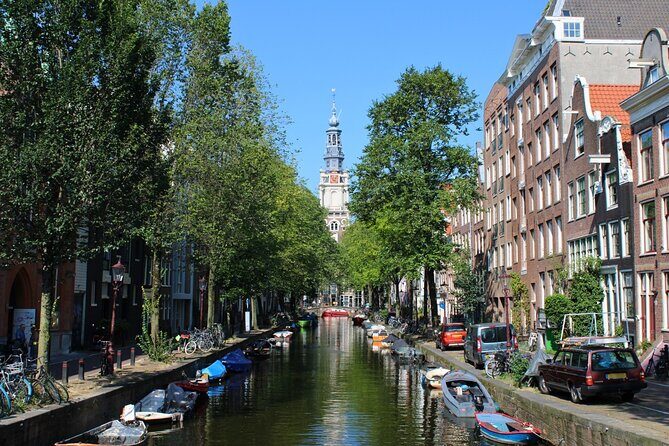
- Maximum group size of 15 keeps the pace personal and question-friendly
- Mobile ticket in English makes check-in easy and straightforward
- Free admission stops mean you can focus on the walking and the stories
- Many quick photo opportunities thanks to viewpoints and landmark moments
- Guide support that’s practical, including clear speaking for hearing comfort
A 2-hour art walk that stitches painters to real Amsterdam corners
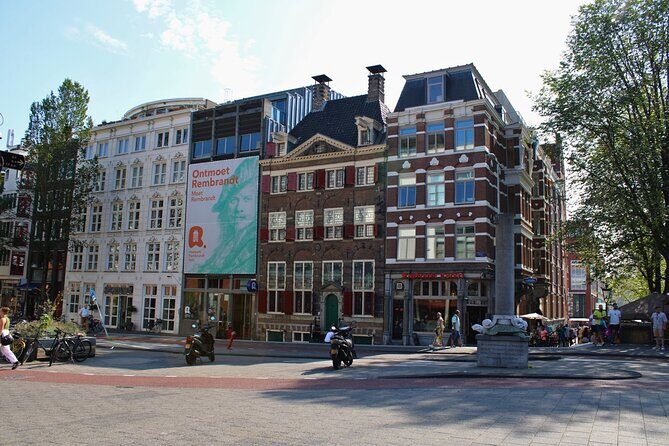
If you want a fast way to understand Amsterdam’s art scene, this is one of the smartest formats. A walking route forces you to slow down just enough to notice what makes a place feel right for a painting: angles, sightlines, and the atmosphere around historic buildings.
The concept is simple and very effective. You do not just hear names. You connect artists like Rembrandt and Van Gogh to the actual streets and buildings that shaped their world. The route also gives you your bearings in a central, walkable area, so the rest of your trip feels easier.
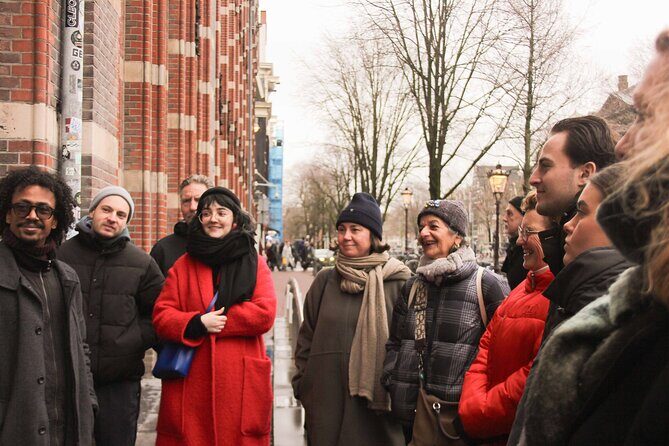
You also get a real small-group vibe. With a maximum of 15 people, you are not fighting for attention at the sidewalk edge. It feels more like an informed city stroll than a lecture.
You can also read our reviews of more walking tours in Amsterdam

Meeting at Prins Hendrikkade and finishing at Blauwbrug
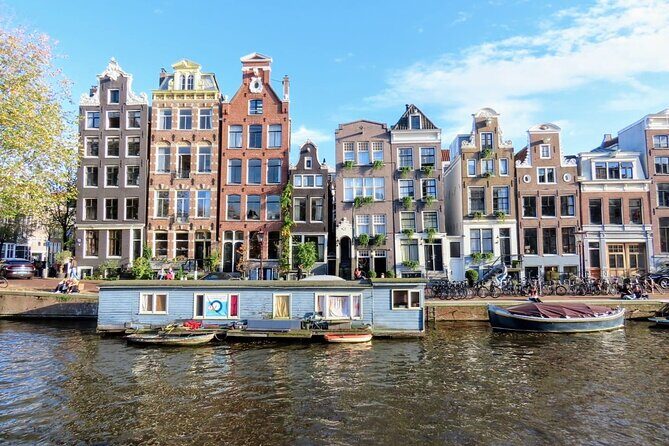
The tour starts at Prins Hendrikkade 95, 1012 AE Amsterdam. That location is convenient for getting there by public transportation, and it helps the tour avoid the common problem of starting somewhere hard to find.
You end at Blauwbrug (1011 PT Amsterdam), in the center between Rembrandtplein and Waterlooplein. Ending here matters. It drops you back in a lively pocket of the city, so you can keep exploring without needing a long transit plan right after.
This is also the kind of tour where you should plan your afternoon around it. The entire point is to build curiosity—especially about what you will want to see next.
Stop-by-stop: Weeping Tower and Nieuwmarkt viewpoints that frame the stories
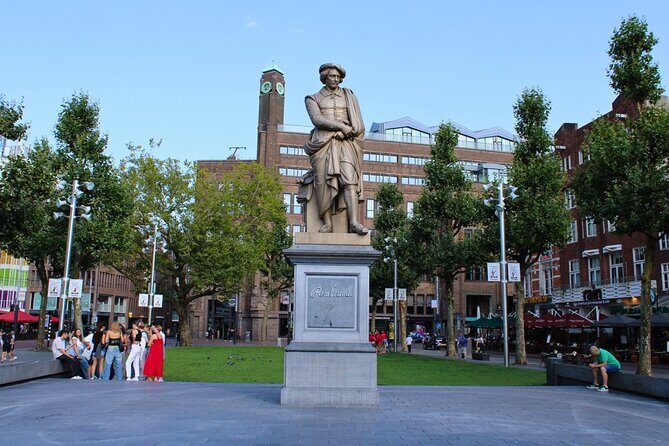
The early stops are about setting tone: recognizable Amsterdam landmarks plus viewpoints that give you that cinematic feeling.
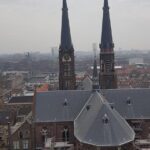
At Weeping Tower, you are told what scenes captivated famous painters and you get one of the city’s striking views. The stop is about 15 minutes, which is long enough for the story and for a few photos without dragging the group to a standstill.
Then you move to Nieuwmarkt for another round of artistic inspiration and a second set of vantage moments. Expect it to feel like a rhythm: listen, look around, take a picture, and then walk on before the light changes too much.
A quick note on pacing. These are short stops, so if you like to linger for photos, stand where the group can still move and rotate quickly through angles. You will get more value that way.
Trippenhuis and South Church: Rembrandt’s links and Italy’s influence
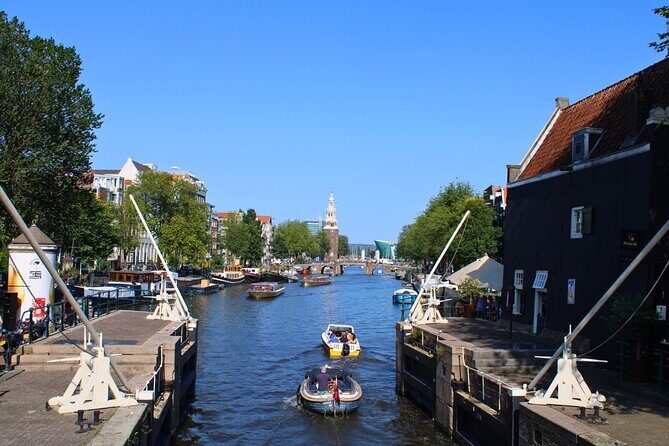
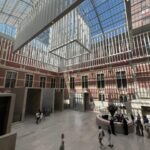
Next comes Trippenhuis, a stop built around Rembrandt. You learn who he painted there, and you also hear about the Rijksmuseum’s captivating past—plus the notable figures who once walked its halls. The stop is about 15 minutes, so it lands right in the sweet spot between overview and detail.
Why this part works: it explains how Dutch art did not grow in isolation. Even without going inside a museum, you start seeing the networks—patrons, buildings, and the way art institutions evolved over time.
Then you head to South Church, where the theme shifts to Italy’s influence on 17th-century Dutch painting. You also get a look at a technique described as groundbreaking in its day—something that helped artists gain fame.
If you are the kind of traveler who worries art tours will be too abstract, this stop should reassure you. The focus stays on how styles spread and why certain approaches mattered, rather than only reciting names.
Museum Het Rembrandthuis: the home site and why the art market mattered
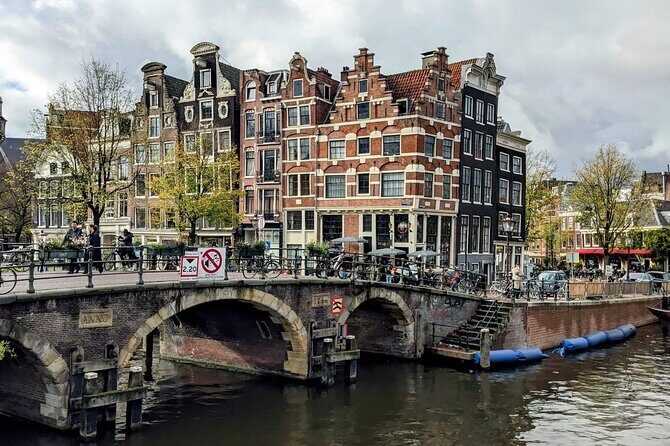
At Museum Het Rembrandthuis, you focus on Rembrandt’s world in a practical, grounded way. You explore the former site of his 17th-century home and learn how the rise of the Dutch art market fueled his success.
This is a strong stop because it shifts attention from paintings alone to the ecosystem around them. It helps you understand why certain artists flourished: not only talent, but also demand, collectors, and the business side of art.
The stop runs around 15 minutes, and you should use it to reset your expectations for what you want at the Rijksmuseum later. After this, museum time will feel less like random highlights and more like continuity.


Oudemanhuispoort to Staalstraat: Vermeer and a French influence on Amsterdam industry
After the Rembrandt focus, the route widens the lens.
At Oudemanhuispoort, the guide talks about the world of Vermeer and connects it to a collection now on display at the Rijksmuseum. This one is shorter, about 10 minutes, but it is valuable if you are planning a museum visit. You leave with names and connections that make the paintings inside feel less like surprises and more like follow-ups.
Then you head to Staalstraat for another creative link—this time to a French painter who drew inspiration from the artistic giants you just discussed. The stop also touches on one of Amsterdam’s thriving industries, giving you a sense that art and work were not separate worlds.
These two stops are brief, but they help you avoid the common problem of art tours feeling too narrow. By the time you reach the next landmark, you have a broader view of influence.
Tivoli Doelen Amsterdam Hotel and Blauwbrug: the Frans Hals painting and a final vista
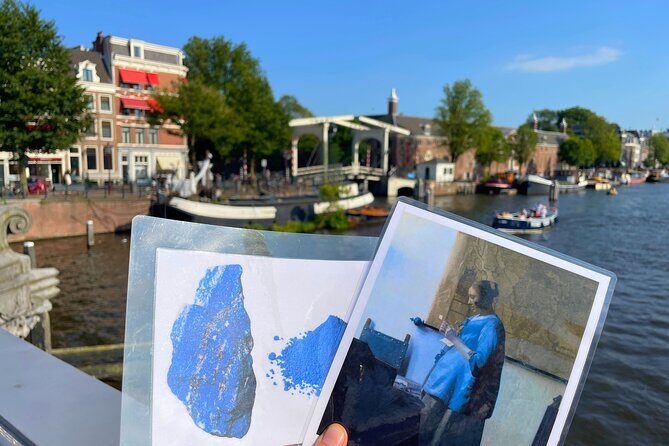
One of the most memorable segments is at Tivoli Doelen Amsterdam Hotel. Here, the story connects to a masterpiece tied to the building’s former headquarters, including the fact that it is the only painting Frans Hals created in Amsterdam. The stop is about 10 minutes, but it is packed with clear, story-driven context.
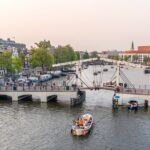
Then the tour finishes at Blauwbrug. This is another viewpoint stop, and it’s framed around a painter who used to paint here. The tour ends with one more “look around” moment, which is ideal after 2 hours of listening.
If you like photos, Blauwbrug is a good time to grab your final shots because the route ends right in a central area. You are not wandering off into an awkward gap where you have no plan.
The guide makes the difference: Manouk’s clear, image-led storytelling
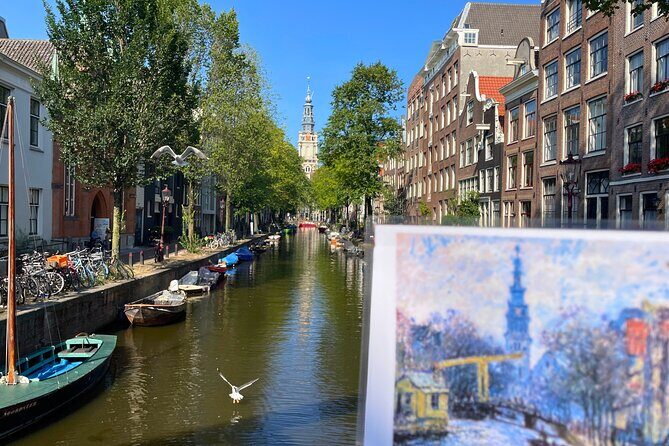
A big reason this tour consistently lands well is the guide’s style. In particular, Manouk stands out from the reviews for being well prepared with pictures of the art used in the explanations.
That matters more than you might think. When the paintings are referenced with visuals, you can match the story to what you are looking for. It also helps if you are not fluent in art terminology. You do not need to decode jargon when you can see what the guide is pointing to.
There’s also a real human element here. Manouk’s approach includes natural back-and-forth conversation, not just one-way teaching. One review specifically highlighted that she paid careful attention to speak clearly toward a hearing-impaired guest so they could follow along comfortably.
That kind of care is the difference between an experience you tolerate and one you actually enjoy.
Why the free stops are smart (and when the Rijksmuseum ticket matters)
All the listed stops have admission free noted for the experience, and that keeps the walking tour focused on storytelling and viewpoints. This is great value because you can spend your money where it counts later.
The one cost you should plan for is the Rijksmuseum ticket: €22.50 per person. The tour does not include it, but the themes you hear on the walk are designed to support what you will see if you go.
Here is the value logic. If you only want a two-hour walk, you can do that without extra museum spending. But if you are the type who plans to see Dutch masters, the tour helps you enter the Rijksmuseum with a map in your head, so you get more from the time and money you put into the museum.
Practical tips to get the best experience
This is a city-center walk, so dress for sidewalks and weather. In Amsterdam, conditions can change fast. If you bring a light layer and comfortable shoes, the route stays fun instead of tiring.
Also, keep your expectations aligned with the format. Stops are typically 10–15 minutes, so you will get the main story beats rather than a long, slow deep dive inside each location. If you want museum-grade time at one site, plan to return later.
Finally, show up a few minutes early at Prins Hendrikkade 95. One review mentioned a small start-point confusion that got resolved quickly after the group found the guide. Arriving early reduces that risk and keeps your first stop stress-free.
Who this tour is best for
This is ideal if you:
- want a first-time-friendly way to get your bearings in central Amsterdam
- enjoy art but do not want only museum time
- like short, high-impact stops with photo opportunities
- plan to follow up with the Rijksmuseum and want better context going in
It is also a good fit for groups that want a calm, guided pace. With English language and a maximum of 15 travelers, the tour works well for people who appreciate conversation and questions without crowds taking over.
If you are traveling only for museums and hate walking, you might find 2 hours of strolling too light. But if you want Amsterdam to feel like a living art book, this route hits the sweet spot.
Should you book this Rembrandt & Van Gogh Amsterdam walking experience?
Yes, if you want a guided art connection that also works as a practical Amsterdam orientation. The stop sequence is built to keep you moving through central landmarks, with enough time at each one to read the story and grab a few photos.
Book it especially if you are going to the Rijksmuseum anyway. The tour’s themes set you up to notice what you came for, instead of feeling lost in a sea of masterpieces.
Skip it if you prefer long museum stays or if you want zero walking. This is not a sit-down museum day. It’s a short, smart route that turns streets into art lessons.
FAQ
How long is the Rembrandt & Van Gogh Amsterdam walking tour?
The tour runs about 2 hours.
Is the tour offered in English?
Yes, it is offered in English.
How big is the group?
The tour has a maximum of 15 travelers.
Where does the tour start?
The meeting point is Prins Hendrikkade 95, 1012 AE Amsterdam.
Where does the tour end?
The tour ends at Blauwbrug, 1011 PT Amsterdam, in the center between Rembrandtplein and Waterloo square.
Is the Rijksmuseum ticket included?
No. The Rijksmuseum ticket costs €22.50 per person and is not included.
Are the stops admission-free?
Admission is listed as free for the stops included on the route.
Do I get a mobile ticket?
Yes, the tour uses a mobile ticket.
Can I bring a service animal?
Yes, service animals are allowed.