REVIEW · AMSTERDAM
LGBTQI+ History Tour of Amsterdam
Book on Viator →Operated by Special Amsterdam Tours · Bookable on Viator
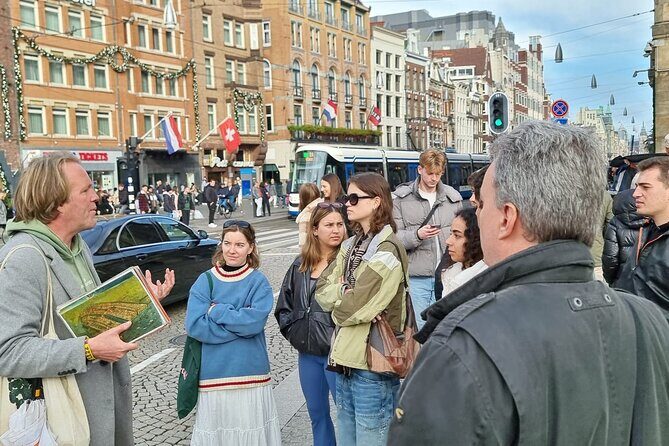
Amsterdam’s LGBTQ history starts with real names. This walking tour is led by Henk, a guide who lived through the early gay movement in Amsterdam, so the stories land with weight, not just dates. I love the small group setup (max 15), and I love that straight allies are warmly welcomed and treated as part of the learning.
The one catch: it is about 2 hours total, and you do not go inside the Royal Palace on Dam Square. You’ll still hear the connection to 17th-century gay life, but if you want palace interiors, you’ll need to add that separately.
In This Review
- Key things I’d circle on your map
- Entering Amsterdam’s LGBTQ history with Henk
- Gay Monument stop: how the Netherlands earned a first
- Canal walk toward Dam Square and 17th-century city planning
- Dam Square: the center of power, crowds, and LGBTQ life
- The Royal Palace area: why you hear it instead of touring it
- Through the red light district: leather street and sharper WWII context
- Chinatown streets and the end at Bet van Beeren
- Price, duration, and small-group value at $42.33
- What to bring, wear, and plan for on Zeedijk
- Who should book this LGBTQI+ history walk
- Should you book the LGBTQI+ History Tour with Henk?
- FAQ
- How long is the LGBTQI+ History Tour of Amsterdam?
- What language is the tour offered in?
- How many people are in the group?
- What’s included, and what isn’t?
- Where do I meet and where does the tour end?
- Is there free cancellation?
Key things I’d circle on your map
- Henk’s firsthand perspective on how the movement began in Amsterdam
- Max 15 people, which keeps questions flowing and attention focused
- Gay Monument + Dam Square with included admission, so you’re not hunting tickets
- Red light district context, including details about the leather street and WWII stories
- Finish at Bet van Beeren, a well-known long-running LGBTQ bar at the end of the walk
Entering Amsterdam’s LGBTQ history with Henk

Amsterdam can feel famous for modern tolerance, but it did not get there by accident. This tour starts by grounding you in people and place, then moves into how the city learned to make space for LGBTQ life over time.
Henk sets the tone right away. His approach blends guided explanation with personal memory, and he keeps the pacing workable for a walking route through the center. That matters because most people come with a mix of curiosity and some nerves. If you want a respectful way in, this tour gives you one.
Also, the vibe is intentionally welcoming. You’ll see that in the way the tour is framed for allies as well as LGBTQ travelers: it’s not a debate club. It’s an education with room for questions and a human tone.
You can also read our reviews of more historical tours in Amsterdam



Gay Monument stop: how the Netherlands earned a first
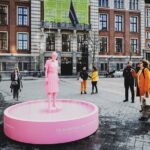
You start at the Gay Monument, focused on gay victims past, present, and future. Henk explains how the Netherlands ended up having the first monument of its kind in the world. That theme hits fast: this is not just celebrating pride. It’s recognizing what came before, including the parts of history people would rather skip.
This stop lasts around 30 minutes, and admission is included. Practically, that’s a solid chunk of time to settle your brain before you move into the busier center. You’ll also get the sense that this tour is built around connection—linking history to today, so you’re not just collecting facts.
If you’re the type who likes a clear starting point, you’ll appreciate that the tour’s first stop is dedicated and direct. There’s less wandering at the beginning and more meaning per minute.
Canal walk toward Dam Square and 17th-century city planning
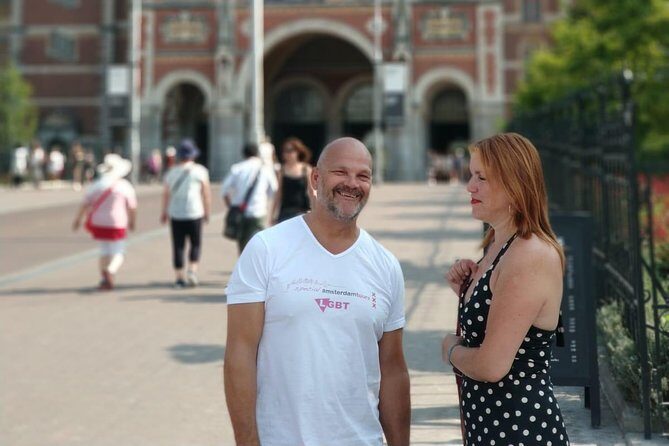
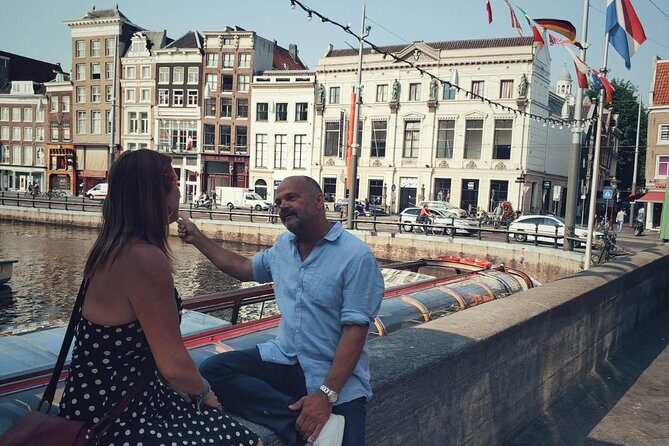
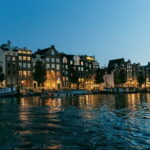
After the monument, you head along canals toward Dam Square. Along the way, you’ll look at 17th-century houses and hear how Amsterdam’s urban planning became an early, influential model.
This stretch matters because it helps you read the city. When you understand how the center was laid out, the later stops make more sense. Even if you’ve seen Amsterdam canals before, this walk gives you a different way to interpret what you’re seeing: the city design shapes how people gather, where communities grow, and how public life works.
You should expect more walking than standing here. Wear comfortable shoes and keep your water handy. The tour includes guidance, but it does not include bottled drinks.
Dam Square: the center of power, crowds, and LGBTQ life
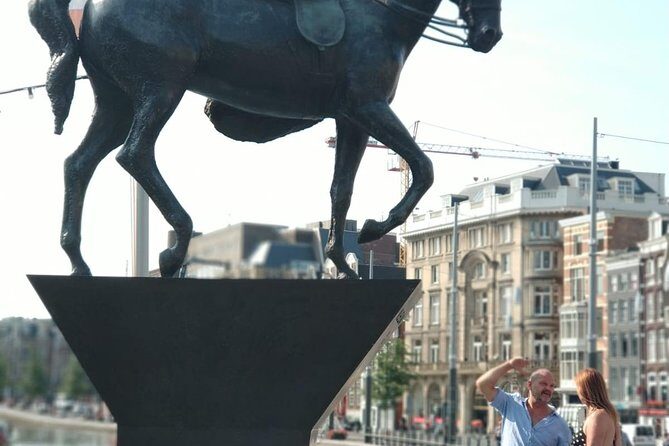
Dam Square is Amsterdam’s main stage. You’ll learn why it became central, what historically happened there, and how the square connects to LGBTQ life. Admission is included for this stop too, so you’re not paying extra just to understand the location.
This is also where the tour tightens its focus. Early on, you’re learning the story of recognition and memory. Here, you start seeing how recognition plays out in a place where people actually move through daily life.
And it’s a good mental shift. Instead of thinking only about the past, you get pulled toward how a landmark square accumulates meaning over centuries—layers of politics, commerce, and social life.
The Royal Palace area: why you hear it instead of touring it
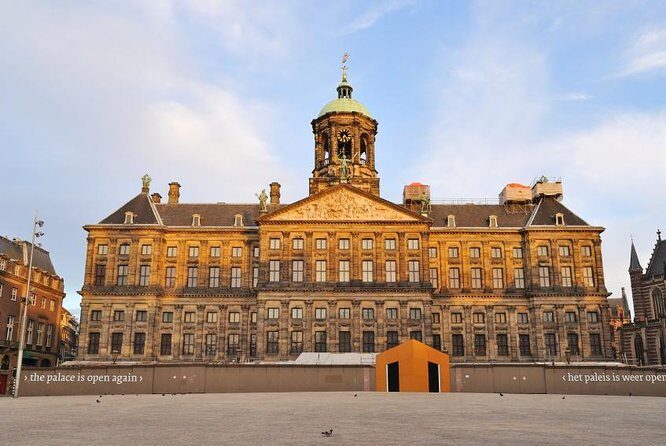
Right around Dam Square, the tour ties the Royal Palace to 17th-century gay life. You’ll see and hear the origin of the palace on the square and how that connects to the broader story.
But here’s the key detail: there is no palace visit. Admission is not included, and you won’t go inside. The value is in the explanation and context from the outside, not in checking a museum box.
If you love architecture and you were hoping for an interior walkthrough, plan to visit the palace separately on another day. If your priority is understanding how LGBTQ history intersects with major city institutions, this approach is still useful because it keeps the tour on track and focused.



Through the red light district: leather street and sharper WWII context
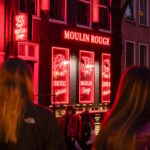
From Dam Square, you move into the red light district. You’ll get explanations along the way, including details about what Amsterdam’s leather street is and what role the area played historically.
This part of the tour can feel intense, but it’s framed in a historical lens. You’ll also hear about WWII: why German soldiers were not allowed in this part of the city. That story alone gives you a clearer view of how local communities and city boundaries mattered during the war years.
The practical reality: this is still a walking tour in a lively, sometimes crowded area. You’ll want to keep close to the group and listen for the guide’s context, because the street scene can distract fast.
If you’re worried about discomfort, here’s my straight advice: go with curiosity, not expectations of a smooth, light stroll. The tour treats the area seriously, and it uses location-specific details to do it.
Chinatown streets and the end at Bet van Beeren

Next up is the area referred to as Chinatown, described as once one of the roughest streets in Amsterdam. You’ll hear how that context connects to LGBTQ life, including a note about the oldest gay bar in Amsterdam.
Then the walk ends at Bet van Beeren, where the tour finishes at a bar. That ending point is smart for two reasons. First, it gives you a natural place to decompress and compare notes. Second, it lets the tour connect history with living culture, right where people still go.
If you’re planning the rest of your evening, you’re already set up. Your feet might be tired, but you’re close enough to keep exploring without a long transfer.
Price, duration, and small-group value at $42.33
The price is $42.33 per person for about 2 hours. On paper, that seems like a lot until you look at what’s actually included and how it’s structured.
You’re getting:
- A tour escort/host
- Included admission at the Gay Monument (about 30 minutes there)
- Included admission at Dam Square (about 10 minutes)
- A small group capped at 15 people
That small group detail is the real value lever. With fewer people, you’re more likely to get direct answers, and Henk’s style—personal anecdotes, humor, and layered context—lands better when he isn’t racing to cover a bigger crowd.
Also, this is an English tour, and it’s set up with a mobile ticket. So you’re not spending vacation time figuring out logistics.
At a 5/5 rating with 123 reviews and a high recommendation rate, the biggest takeaway is consistency: people come for the topic and leave feeling the guide made it understandable and human.
What to bring, wear, and plan for on Zeedijk
This tour is simple to prep for, but don’t overthink it.
You should bring:
- Walking shoes
- Your own water
Also, plan for weather. The experience requires good weather, and if it’s canceled due to poor weather you’ll be offered another date or a full refund.
Timing matters too. It starts at 11:00 am and finishes on the Zeedijk. The endpoint is near Central Station, and the walking distance makes it easier to keep your day flowing. If you schedule another activity later, aim for something that lets you slow down after the tour—especially because you’re covering multiple central areas.
Finally, if you’re traveling with a service animal, service animals are allowed. The route is described as suitable for most travelers, and it’s near public transportation, so you’re not stranded at the start.
Who should book this LGBTQI+ history walk
You’ll love this if you:
- Want LGBTQ history in Amsterdam explained through real places
- Prefer walking tours with a smaller group size
- Like guides who can connect politics, culture, and daily city life
- Appreciate tours that include more than just celebrations
You might reconsider if:
- You only want entertainment or easy sightseeing
- You’re specifically looking to enter the Royal Palace on this day
- You want a long, museum-style deep dive (this is about key stops and clear connections, not hours inside buildings)
It also works well early in your trip. When you get context first, the city’s neighborhoods and street scenes feel less random afterward.
Should you book the LGBTQI+ History Tour with Henk?
If you want a meaningful Amsterdam experience that feels personal and specific, I’d book it. The combination of Henk’s lived perspective, the small group size, and the included admission at the Gay Monument and Dam Square makes it strong value for a 2-hour walk.
Just go in with realistic expectations: you’re not touring the Royal Palace interior, and you will walk. If that fits your day, this is one of the best ways to understand how Amsterdam learned to recognize LGBTQ life—by starting at memory and ending at where people still meet.
FAQ
How long is the LGBTQI+ History Tour of Amsterdam?
The tour runs for about 2 hours.
What language is the tour offered in?
It is offered in English.
How many people are in the group?
The group size is capped at a maximum of 15 travelers.
What’s included, and what isn’t?
The tour includes a tour escort/host. Admission is included for the Gay Monument and Dam Square stops, while the Royal Palace is not included. You should bring your own water and walking shoes.
Where do I meet and where does the tour end?
You meet at Westermarkt 2L, 1016 DW Amsterdam, and the tour ends at Café ’t Mandje, Zeedijk 63, near Central Station.
Is there free cancellation?
Yes. You can cancel for a full refund if you cancel up to 24 hours before the experience’s start time, and it requires good weather for the tour to run.