REVIEW · AMSTERDAM
Amsterdam Small-Group Walking Tour
Book on GetYourGuide →Operated by Guides and Tours · Bookable on GetYourGuide
Amsterdam never tells just one story.
This small-group walk strings together the city’s big landmarks and the human side of its past, with guides who keep it moving and easy to follow. I especially like the small-group size (max 10), which makes it more conversational, and the way the tour balances upbeat context with serious moments, from Amsterdam’s trading boom to the Nazi occupation and the Anne Frank story.
One thing to plan for: it’s a 2.5-hour walk, and even though the pace is manageable, you’ll still want comfortable shoes and you’ll spend a lot of time on streets and in public squares.
If it’s your first day in Amsterdam, this tour is a strong way to get your bearings fast and understand why the city feels contradictory—in a good, memorable way.
In This Review
- What stands out on this Amsterdam Small-Group Walking Tour
- Beursplein 1 start: how you’ll find the guide and why it’s a good beginning
- The walk itself: 2.5 hours that move, but don’t crush your day
- The tour’s big idea: why Amsterdam feels contradictory (and how the guide explains it)
- Beursplein to Dam Square: trading power meets civic space
- Nieuwe Kerk and the Royal Palace: quick photo stops with real meaning
- Zeedijk Street and Nieuwmarkt Square: where daily life shows up fast
- Jewish Cultural District and the story of occupation
- Zuiderkerk and Begijnhof: the quieter Amsterdam that tourists often miss
- Amsterdam Flower Market: an easy win for both photos and people-watching
- Muntplein and the final orientation boost
- Price check: why $20 can feel like good value
- Guide style matters: humor, pacing, and real Q&A
- Stop-by-stop: what to watch for as you walk
- Who should book this tour (and who might want a different option)
- Should you book this Amsterdam Small-Group Walking Tour?
- FAQ
- How long is the Amsterdam Small-Group Walking Tour?
- How much does the tour cost?
- Where does the tour meet?
- Which sights are included on the route?
- What languages are the guides?
- How big is the group?
- Is food or drinks included?
- Are museum entrance fees included?
- What should I bring?
- Is there free cancellation?
What stands out on this Amsterdam Small-Group Walking Tour
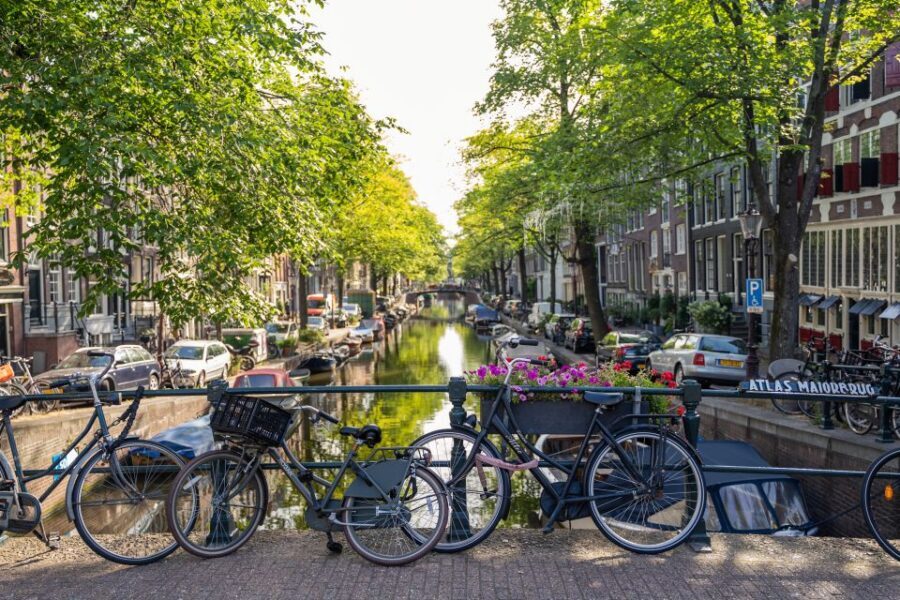
- A clear story arc from the Amstel-era settlement to the Dutch Golden Age, then into the Red Light District and drug policy history.
- Most stops are short but purposeful, so you see the icons without turning the walk into a museum marathon.
- Frequent photo breaks at major sights like Nieuwe Kerk, the Royal Palace area, and Zuiderkerk.
- Time inside a quieter pocket like Begijnhof, so the loud center doesn’t drown out the details.
- A practical local rhythm that includes time to look around (and sometimes even a warm-up stop when it’s windy or cold).
Beursplein 1 start: how you’ll find the guide and why it’s a good beginning
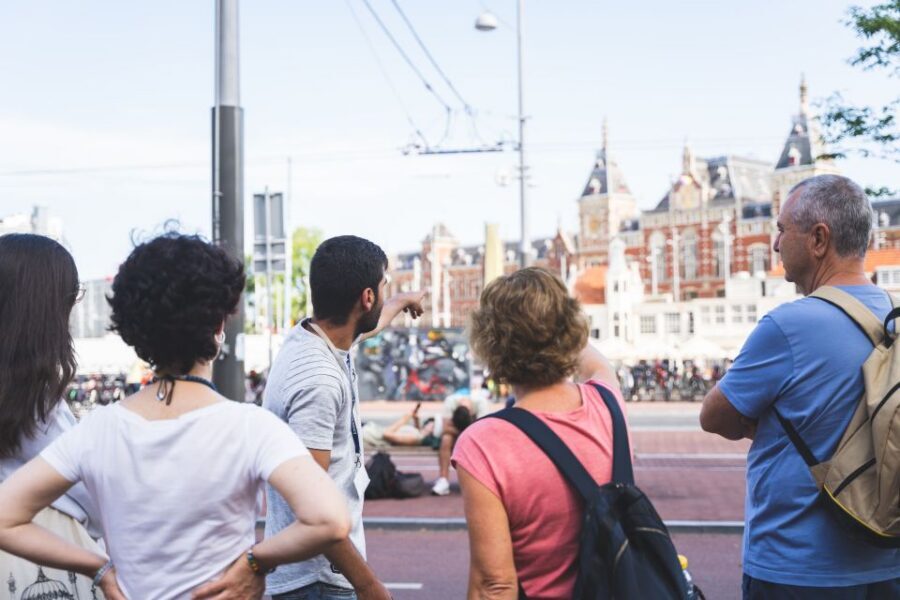
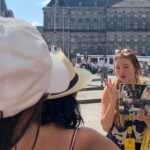
You start at Beursplein 1, right by the city’s central pulse. Your guide waits in front of Cafe Bistro, next to the bull figure, with a blue umbrella or an Amsterdam Guides & Tours logo tag. It’s a simple meeting spot, and that matters on a city where you can lose time just trying to locate the correct street.
This is also a smart start location because it puts you close to the “greatest hits” zone: Dam Square, the historic core, and the canal-city streets you’ll likely want to revisit later.
You can also read our reviews of more walking tours in Amsterdam


The walk itself: 2.5 hours that move, but don’t crush your day

The tour runs for about 2.5 hours (approximate), and the route is designed to give you orientation without burning all your energy before dinner plans. Expect a steady pace plus built-in pauses—some stops are guided for 10–20 minutes, and others are quick photo moments.
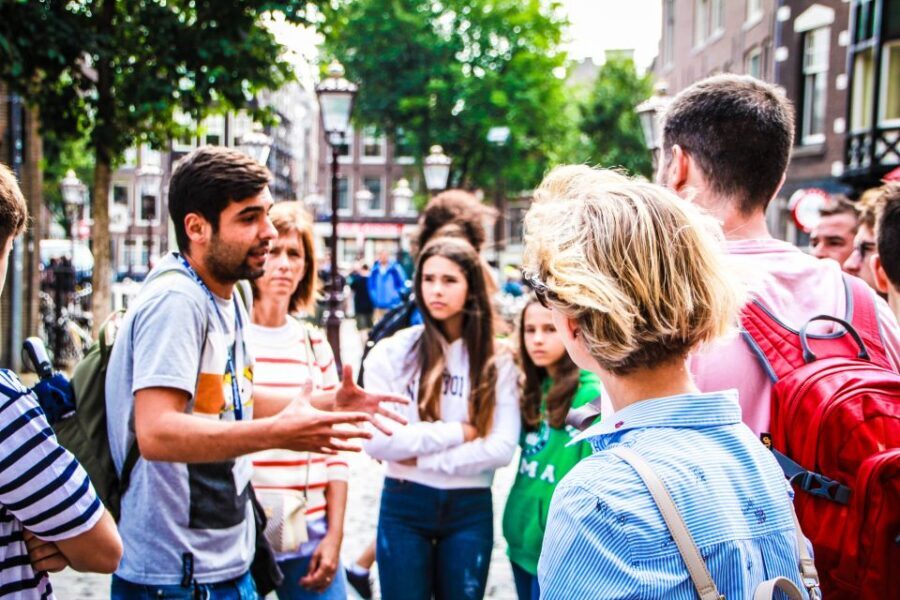
Small group is the big quality-of-life factor here. With a limit of 10 participants, it’s easier to hear the guide and ask follow-up questions without shouting over a crowd.
Bring comfortable shoes and drinks. If you’re visiting in colder months, plan for wind and damp pavement; several guides have been praised for making the experience feel easier during winter conditions, including thoughtful timing breaks.
The tour’s big idea: why Amsterdam feels contradictory (and how the guide explains it)
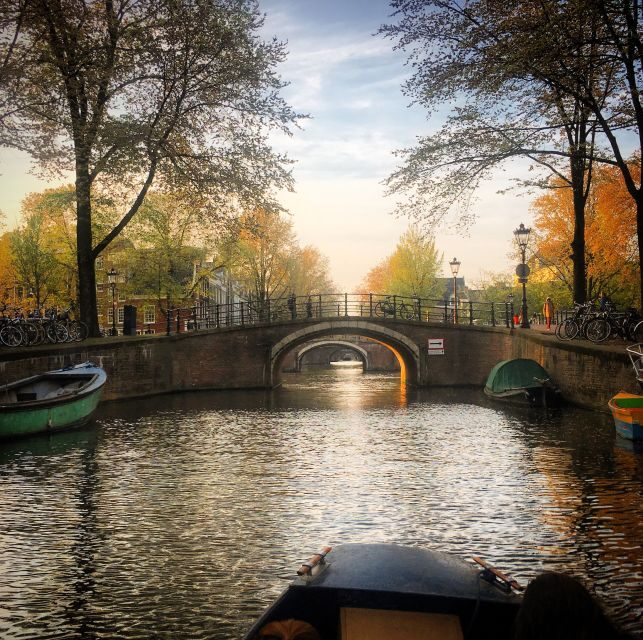
What I like about this experience is that it doesn’t treat Amsterdam as only pretty canals. You’re shown how the city grew from a small, muddy riverside settlement into a major trading hub during the Dutch Golden Age, pulling in merchants, artists, and adventurous outsiders.
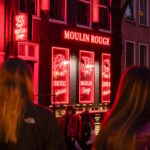
Then the story shifts to what makes Amsterdam complicated. You’ll hear about the evolution of the Red Light District, the city’s historically liberal approach to prostitution, and the pioneering policy direction on drug decriminalization. The goal isn’t shock. It’s context—so the city’s reputation makes sense when you see it in real streets around you.
And it doesn’t skip the darkest chapter. The tour includes the Nazi occupation and the moving story connected to Anne Frank, tied into the Jewish Cultural District portion of the walk. That mix—glory and grief—is what gives this tour its punch.
Beursplein to Dam Square: trading power meets civic space
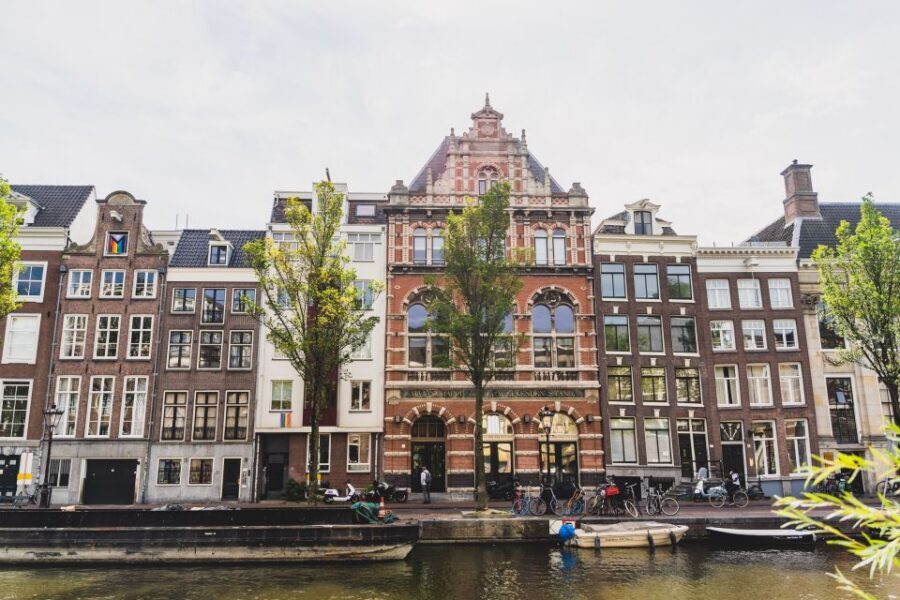
You begin with a guided segment at Beursplein (about 20 minutes). This opening sets the tone: the guide frames Amsterdam’s rise and helps you understand what you’re looking at before you’re buried in names and dates.
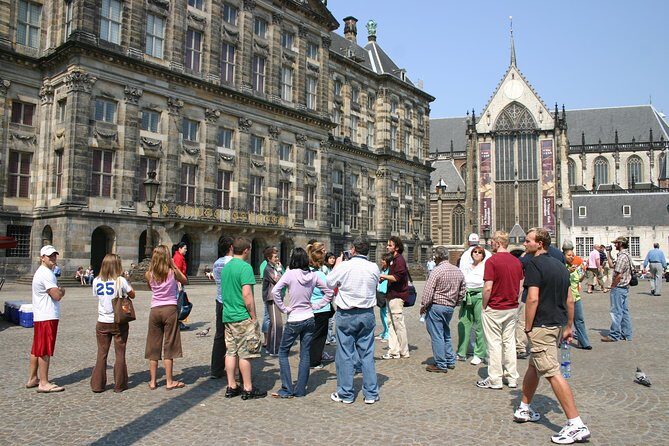
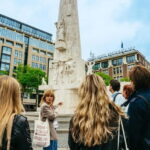
Then you head to Dam Square for around 10 minutes. Dam Square is the city’s central stage—part political center, part tourist magnet, part meeting point for everyone. The value here is not just the “big square” view. The guide uses the location to explain how Amsterdam’s power and public life became tied together over time.
Nieuwe Kerk and the Royal Palace: quick photo stops with real meaning

You’ll pause at Nieuwe Kerk (New Church) for a short photo stop (about 5 minutes). This is the kind of stop that could feel rushed on paper, but on a guided walk it works because the guide typically gives you context while you’re standing in the right spot. You get a landmark moment without wasting half your day.
Next is a photo stop at the Royal Palace (also around 5 minutes). These quick breaks are useful because they reduce the “Where do I go next?” stress. You can take the classic images, but you also leave with a basic story you can connect to later when you’re walking on your own.



Zeedijk Street and Nieuwmarkt Square: where daily life shows up fast
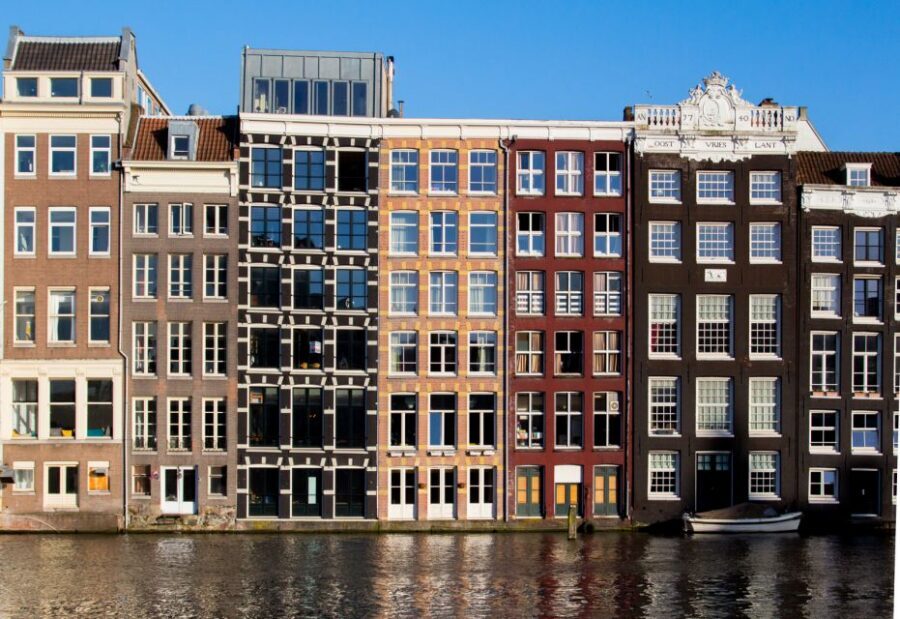
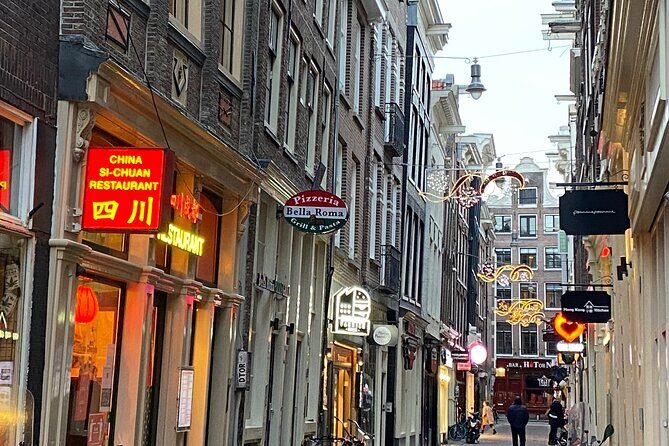
A guided walk through Zeedijk Street (about 10 minutes) shifts the energy from big monuments to streets where the city’s everyday character comes through. If you’re trying to understand Amsterdam beyond postcards, this is the bridge from iconic to lived-in.
Then you move to Nieuwmarkt Square (about 15 minutes). Nieuwmarkt is one of those areas where the city’s layers show up quickly. It’s not only about the architecture or the vibe. It’s about how Amsterdam’s different communities and eras overlap in one walkable area.
This section is also where the tour’s “contradictions” theme starts to feel personal: you see how a place can be both tolerant and tense, both public and private, both historic and current.
Jewish Cultural District and the story of occupation
You’ll get time in the Jewish Cultural District (around 10 minutes) with guided commentary. This portion matters because it grounds Amsterdam’s history in specific communities, not just generic national narratives.
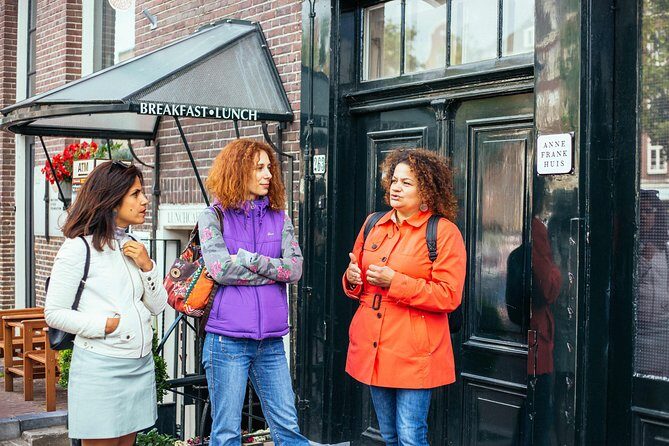
The tour includes the darker 20th-century chapter, including the Nazi occupation, and the story tied to Anne Frank. Even if you already know the basics, having a guide connect the history to what you’re seeing nearby makes the message harder to forget.
If you’re a first-timer, I’d treat this part as your “slow down” moment. Take a breath, look around, and let the guide’s pacing do its job. It’s one of the best ways to keep a walking tour from becoming only sightseeing.
Zuiderkerk and Begijnhof: the quieter Amsterdam that tourists often miss
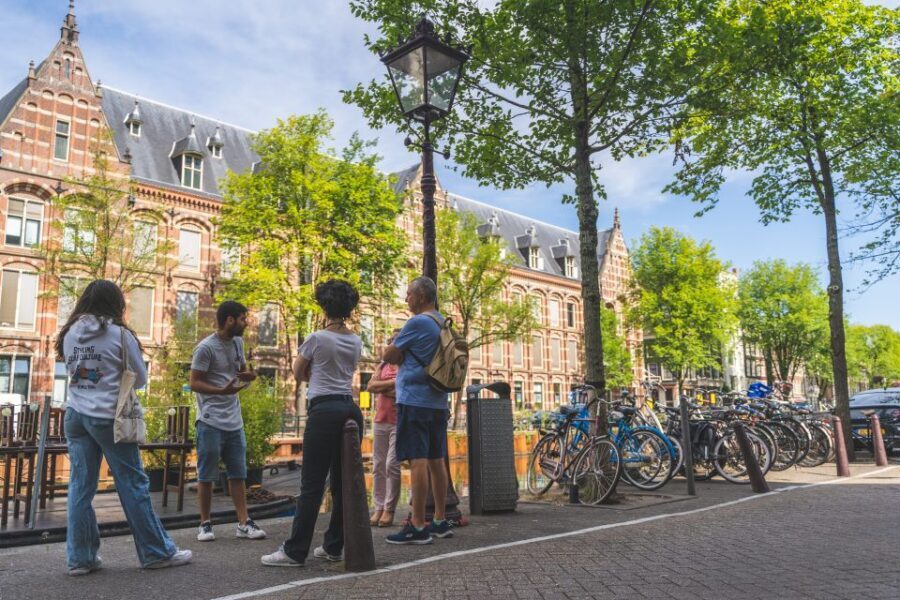
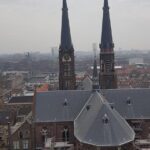
After the Jewish Cultural District, there’s another photo stop at Zuiderkerk (about 5 minutes). This gives you a landmark snapshot and a sense of how Amsterdam’s church architecture fits into the city’s street geometry.
Then you hit Begijnhof (about 20 minutes) for guided time. This is where the tour really changes pace. Begijnhof is calmer, more enclosed, and more reflective than the wide squares and busy streets. That contrast is exactly why it’s valuable: it lets the story breathe before you jump back into motion.
Begijnhof also works as a “reset” stop. You’ll likely leave the noisy center a little surprised by how quickly the city can shift into something intimate.
Amsterdam Flower Market: an easy win for both photos and people-watching
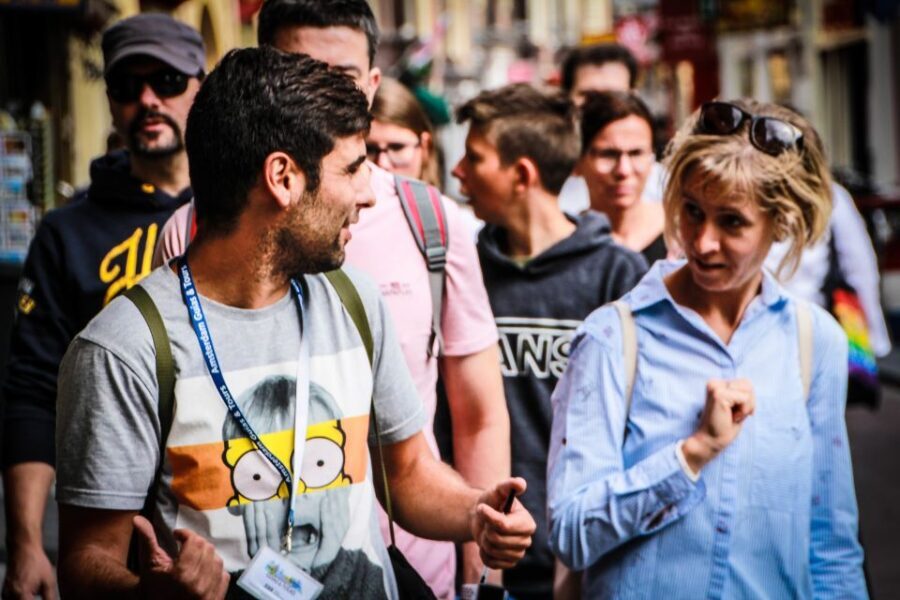
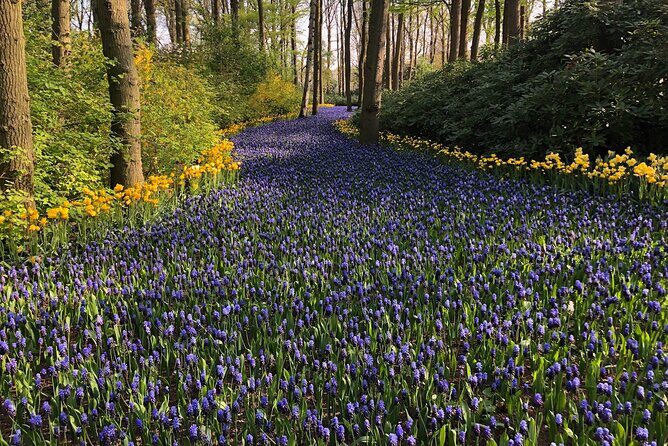
The Amsterdam Flower Market visit is about 20 minutes. This isn’t framed as a formal shopping trip. It’s a chance to see another side of Amsterdam—one where commerce, tradition, and street-level color hit at the same time.
Expect a lively scene. The practical advantage: you get your sensory Amsterdam moment before the final photo stop, when your legs are still okay and your brain still wants to look at details.
Muntplein and the final orientation boost
You end with a photo stop at Muntplein (about 5 minutes) before returning to Beursplein 1.
Even though it’s a quick finish, this last stop has value because it gives you one more reference point for “future you.” After the tour, you can look at the map and connect districts more easily, instead of just having a list of sights.
This tour is built for that: by the end, you should feel more confident moving around on your own, whether that means aiming for museums, wandering through neighborhoods like the Jordaan area, or simply following the canal lines until you find a quiet corner.
Price check: why $20 can feel like good value
At $20 per person for about 2.5 hours and a small-group format, this is the kind of price that works best when you treat the tour as an orientation tool, not a box-checking sightseeing pass.
What you’re paying for is (1) a guide who stitches the city’s story into something you can remember and (2) a route that takes you through key parts of the center efficiently. If you’re only in Amsterdam for a short visit, saving time on figuring out what matters is worth a lot.
If you’re a deeper-history type, you’ll still get value because the tour covers major themes: Golden Age trade, Red Light District evolution, drug decriminalization policy history, and the serious 20th-century events tied to the Jewish community and Anne Frank. It’s not only “what happened,” but how it shaped the streets you’re walking on.
Guide style matters: humor, pacing, and real Q&A
This tour’s quality often comes down to the guide’s delivery. Across different departures, you’ll see praise for guides who mix history with humor, including dry humor and light foreshadowing that keeps the walk from turning into lectures.
You’ll also notice a pattern: guides who handle questions well. Multiple guides have been commended for answering curiosities without making the group feel rushed, and for keeping the tour relaxed even when conditions are cold.
One more practical detail shows up in feedback: guides who help with timing so you still have time for coffee afterward, not just time for more walking.
Stop-by-stop: what to watch for as you walk
Use this quick guide while you’re on the route, so you know what to look for beyond the “name on the sign.”
- Beursplein: how Amsterdam’s trade power sets up the rest of the story.
- Dam Square: Amsterdam as a civic stage, not just a photo stop.
- Nieuwe Kerk and Royal Palace: landmark views paired with context, not random sightseeing.
- Zeedijk and Nieuwmarkt: streets where the city’s everyday character shows up quickly.
- Jewish Cultural District: history grounded in place, including the Nazi occupation and Anne Frank.
- Zuiderkerk: an architectural anchor that helps you picture the city’s layout.
- Begijnhof: the calm pocket—use it to slow down and actually notice.
- Flower Market: color, commerce, and people-watching in one stop.
- Muntplein: final reference point to help you navigate after the tour.
Who should book this tour (and who might want a different option)
I’d point you to this tour if:
- It’s your first day in Amsterdam and you want orientation fast.
- You want the city’s big themes—Golden Age, Red Light District history, and Jewish WWII story—without needing a stack of guidebooks.
- You like small groups where you can ask questions and get straight answers.
I’d be cautious if:
- You have limited mobility or don’t do well with extended walking. The activity information says wheelchair accessible, but it also lists that it’s not suitable for people with mobility impairments—so you’ll want to confirm what that means for your situation before booking.
Should you book this Amsterdam Small-Group Walking Tour?
Yes, if you want a first-day Amsterdam reset: a route through the center that links major landmarks with the stories behind them, including the parts that don’t fit neatly into a postcard.
I’d book it early in your trip. You’ll get more out of every later neighborhood walk if you already understand how the city’s Golden Age wealth, social policies, and WWII history shaped what you’re seeing today.
If you only want calm, light sightseeing with zero heavy topics, you might find the history-heavy sections a bit intense. But if you’re okay with a balanced Amsterdam—beauty plus reality—this is a very solid use of a few hours.
FAQ
How long is the Amsterdam Small-Group Walking Tour?
The tour is approximately 2.5 hours.
How much does the tour cost?
It costs $20 per person.
Where does the tour meet?
You meet at Beursplein 1, in front of Cafe Bistro next to the bull figure, with a blue umbrella or an Amsterdam Guides & Tours logo tag.
Which sights are included on the route?
You’ll cover stops including Beursplein, Dam Square, Nieuwe Kerk, the Royal Palace photo stop, Zeedijk Street, Nieuwmarkt Square, the Jewish Cultural District, Zuiderkerk photo stop, Begijnhof, the Amsterdam Flower Market visit, and Muntplein.
What languages are the guides?
The live tour guide speaks Spanish and English.
How big is the group?
The small group is limited to 10 participants.
Is food or drinks included?
No. Food and drinks aren’t included, though your guide can recommend places to eat.
Are museum entrance fees included?
No. Entrance fees to museums or other attractions are not included.
What should I bring?
Wear comfortable shoes and bring drinks.
Is there free cancellation?
Yes. Free cancellation is offered up to 24 hours in advance for a full refund.