REVIEW · AMSTERDAM
Amsterdam: Sex, Drugs, and Freedom Walking Tour
Book on GetYourGuide →Operated by Trigger Tours · Bookable on GetYourGuide
Amsterdam’s most talked-about streets come with context.
This 2-hour walking tour is built for your first days in the city, when you want more than photos. You’ll walk with a local guide through the alleyways and squares tied to Amsterdam’s permissive reputation, learning the difference between myths and what the rules actually look like in real life. I like that it treats tough topics with structure, not shock value, and that you get local stories instead of a generic script.
Two things I especially like: you get a clear explanation of how Dutch attitudes around drugs and sex evolved, and you’re encouraged to ask questions as you go. One thing to consider: this tour focuses on adult themes and the Red-light District, so if you want a purely light, family-friendly route, this is probably not your match.
In This Review
- Key moments worth your time
- Why This Tour Feels Like a Real Orientation, Not a Lecture
- Dutch Drug Rules and Coffeeshops, Explained Without the Smoke
- Red-Light District Reality: Legalization, Limits, and Human Stories
- Equality and Sexual Liberty: The City’s Attitude in Context
- Your Walking Route: Old Church, Condomerie, Dam Square, and Royal Palace
- Old Church: History Without the Heavy Tone
- Condomerie: Sex as a Visible Product, Not a Secret
- Royal Palace and Dam Square: The Civic Center Meets the Fringe
- Guides Matter: Engaging Storytelling and Room for Questions
- Pacing, Comfort, and What to Bring
- Who This Tour Is Best For
- Price and Value: Is $31 Worth It?
- Should You Book This Tour or Skip It?
- FAQ
- How long is the Amsterdam Sex, Drugs, and Freedom walking tour?
- How much does the tour cost?
- Where is the meeting point?
- What’s included in the price?
- What’s not included?
- What languages are available for the live guide?
- Is the tour private?
- Can I cancel for a refund?
- Is there a reserve-and-pay-later option?
- Is this tour suitable for people with mobility impairments?
Key moments worth your time
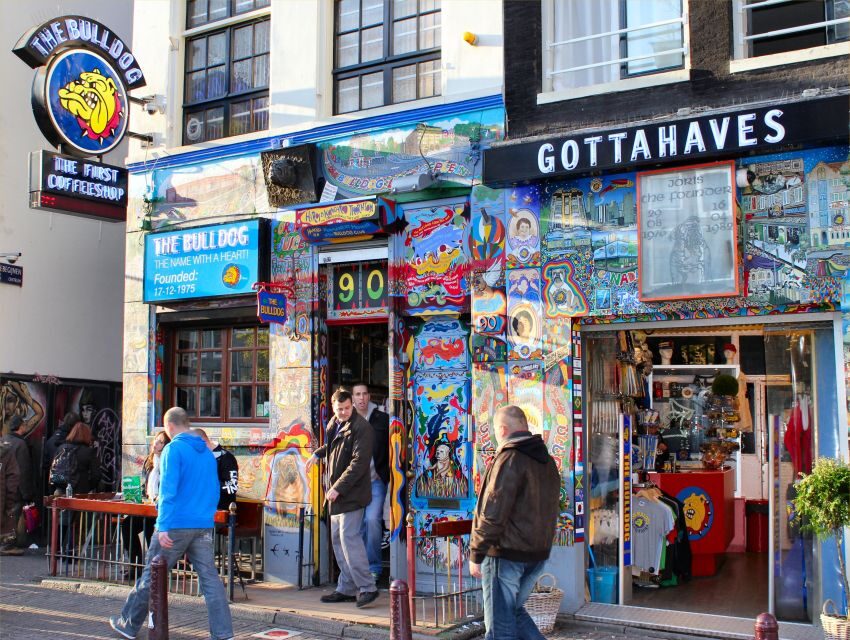
- Coffeeshop origins and soft-drug rules put the city’s reputation into plain context
- Prostitution legalization and how it shaped the Red-light District for better and worse
- Stops like Dam Square and the Royal Palace anchor the walk in real civic Amsterdam
- Sex-themed landmarks such as the Condomerie show the city’s frank approach to sexuality
- Guides who answer questions and keep the group together (even when plans get a little messy)
Why This Tour Feels Like a Real Orientation, Not a Lecture
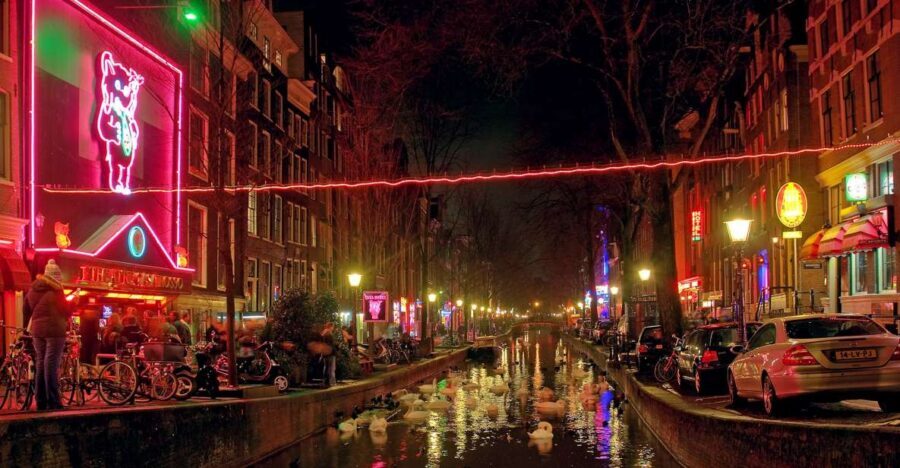
Amsterdam can be confusing on your own. One block you’re at a classic postcard square, and the next you’re near a street scene that feels like a different city. What I like about this tour is that it connects the dots. It doesn’t just point at the Red-light District and move on; it explains the policy and culture behind what you’re seeing.
You’ll also be walking with a guide who knows how to translate messy subjects into something you can actually process in two hours. The experience is described as an easy-to-digest introduction, which matters if you’re arriving from a long flight and still want to “get your bearings fast.” It’s also a good reminder that Amsterdam’s reputation is built on decisions—laws, trade-offs, and public debate—not just vibes.
At $31 for two hours, I’d call it solid value because you’re paying for context and street-level storytelling. If you only want landmarks, you can DIY. If you want a guided explanation of how the city runs differently around drugs, sex work, and equality, a live guide is the efficient route.
You can also read our reviews of more walking tours in Amsterdam



Dutch Drug Rules and Coffeeshops, Explained Without the Smoke
Amsterdam’s drug reputation is famous, but what you need is clarity. This tour focuses on Amsterdam’s peculiar drug regulations and the history behind the coffeeshops. You’ll hear where the idea came from and how the rules evolved, including the way soft drugs are treated in public life.
The key for you is how the guide frames it: not as a slogan, and not as a moral sermon. You’ll learn about the origins of coffeeshops and the role they play in the broader approach to public health and harm reduction. The tour also mentions the use and manufacturing of soft drugs, which signals that you’ll get more than a surface-level “it’s allowed” explanation.
Practical takeaway: if you’re the type who’s heard half-true stories—either doom-and-gloom or totally pro—this tour can help you calibrate. You’ll understand why Amsterdam draws global attention and also why the reality is more complicated than a simple yes-or-no.
Red-Light District Reality: Legalization, Limits, and Human Stories
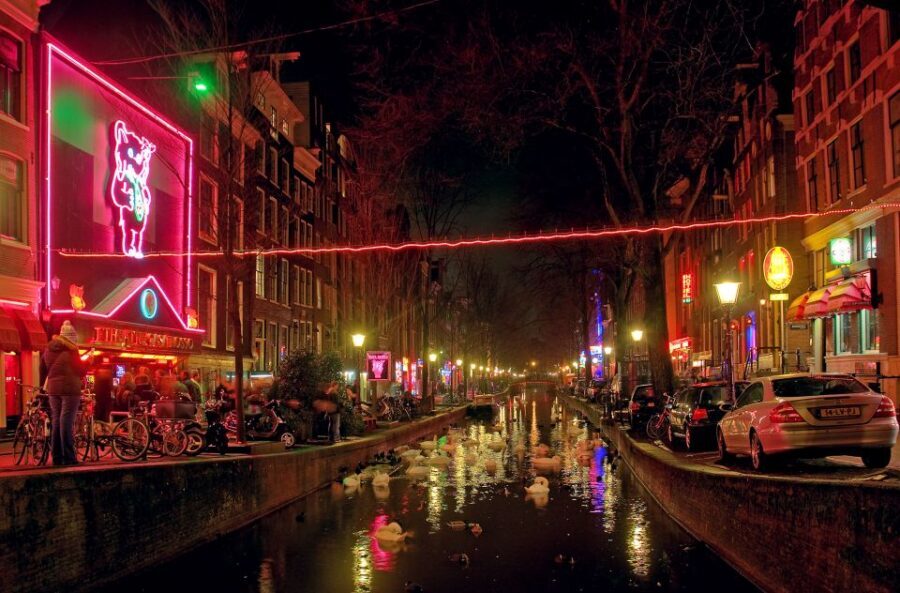
The Red-light District can feel like a mix of spectacle and controversy from the outside. On this tour, the focus is on how legalization of prostitution in the Netherlands shaped the district over time, and what the streets are like when policy turns into daily life.
You’ll cover the history of the Red-light District and how it operates now, with a clear emphasis on the complex issues involved. The guide explains the reality behind a permissive reputation and answers questions about the sex industry in Amsterdam. That’s important, because the Red-light District isn’t just an attraction—it’s a workplace shaped by rules, enforcement, and social debates.
This is also where you’ll hear human-scale anecdotes. One example that stands out in the tone of the tour is the kind of story your guide may share, like the idea of sleeping in the monkey—the sort of detail that helps you picture daily life rather than just reading headlines. It’s not there to shock you; it’s there to explain how people interpret a system and make it work.
A balanced note: the tour doesn’t ask you to agree. It helps you understand the incentives and pressures that people face, so you can form your own judgment with better information.
Equality and Sexual Liberty: The City’s Attitude in Context
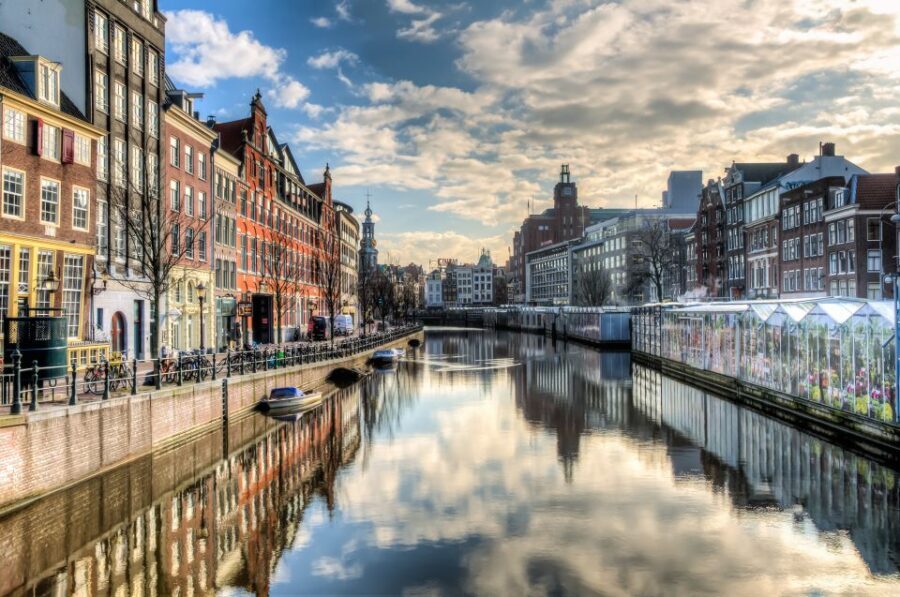
This isn’t only about sex and drugs. It also connects Amsterdam’s reputation to equality and social awareness. The tour covers how the Netherlands was a pioneer in the fight for equality, and how that shows up in the city’s attitude toward sexual liberty and gay rights.
In practice, this matters because the Red-light District and the coffeeshop system didn’t grow in a vacuum. The guide ties these themes to a broader Dutch approach to inclusion—one that tries to manage differences through law and social rules rather than simply excluding them.
You’ll also learn how the tour frames Amsterdam as an inclusive city that welcomes everyone. That doesn’t mean every outcome is perfect. But it gives you a lens for understanding why Amsterdam has always been a magnet for people who don’t fit the mainstream mold—and why the city spends real energy negotiating public norms.
Your Walking Route: Old Church, Condomerie, Dam Square, and Royal Palace
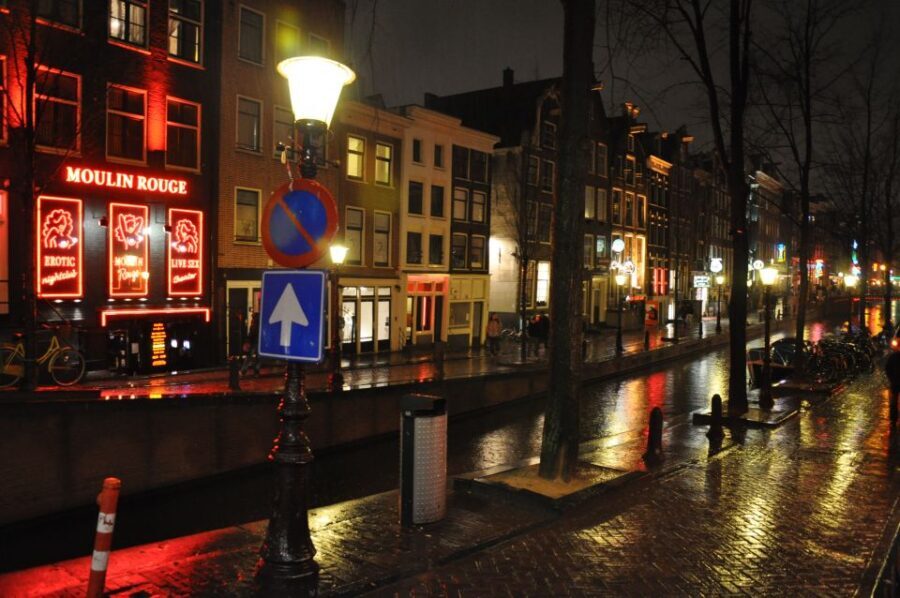
The route gives you a useful contrast: ceremonial Amsterdam next to the alternative scenes you came to understand. Even when you’re walking in streets with adult associations, the tour still keeps you anchored in recognizable city landmarks.





Old Church: History Without the Heavy Tone
You’ll visit the Old Church, which helps set the stage. I like this stop because it gives you a sense of Amsterdam as a city with long continuity, not just a modern playground for reputations. You get a more grounded sense of where these neighborhoods sit in the wider historic core.
Condomerie: Sex as a Visible Product, Not a Secret
Then comes the Condomerie. This stop signals Amsterdam’s frankness about sexuality. It’s a reminder that the city’s attitudes aren’t only political; they show up in storefront culture and everyday language around sex.
Just keep expectations practical: this isn’t a shopping stop or a lecture about consumer behavior. It’s a symbol in your walk, helping you understand how sexuality is treated openly compared with many other European cities.
Royal Palace and Dam Square: The Civic Center Meets the Fringe
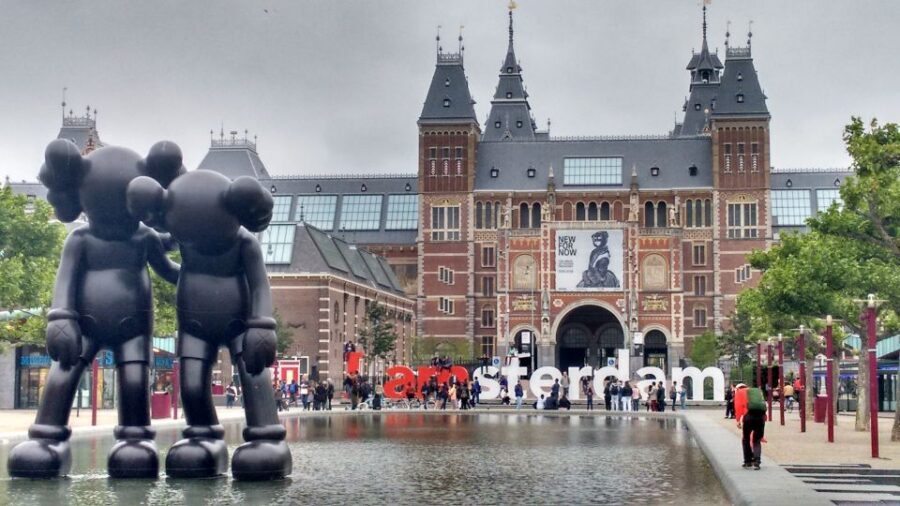
The route includes Dam Square and the Royal Palace. These are central, political, and public—exactly the kind of places that make the Red-light District feel like part of the same city rather than a sealed-off zone.
Walking from these civic anchors toward the alternative scene helps you understand something important: Amsterdam’s freedoms aren’t confined to one neighborhood. They’re a citywide conversation, played out in different streets and different institutions.
If you’re worried the tour will be all narrow alleys and adult signage, this route design is a relief. You get contrast, and you keep your mental map clean.
Guides Matter: Engaging Storytelling and Room for Questions
This tour lives or dies with the guide. The good news: multiple guides associated with this experience have been praised for staying engaging and answering questions clearly.
You might meet guides like Martin, who’s noted for being informative and awesome, or David, who brings highlights plus a personal angle through family history. Some guides named in feedback include Jesse and Stan, with praise for being patient, friendly, and calm when the group energy shifts.
One detail I really value from the way the tour is described: the guide can handle group dynamics. There’s an example of a situation where some people got tipsy and drifted behind, and the guide stayed calm, motivated the group back together, and kept pacing steady. That’s the difference between a tour that’s fun and a tour that falls apart.
Expect conversation. Expect explanations. And if you ask a question and get a thoughtful answer, it’s not just trivia—it helps you see the city’s logic.
Pacing, Comfort, and What to Bring
This is a 2-hour walking tour, so your comfort matters. Bring comfortable shoes and water, and dress for real walking in city weather. The tour also notes comfortable clothes, which sounds basic, but on a windy canal-side city, it makes a difference.
Because the tour focuses on narrow streets and stops on foot, it is not suitable for people with mobility impairments. If you need assistance, you’ll want to choose a different format.
Timing-wise, you can select start times based on availability. If you’re planning your first full day in Amsterdam, this is a strong choice because it gives you context before you wander off on your own. It’s also a good option if you want to keep your evening open—two hours is enough time to learn without turning the day into a long slog.
Who This Tour Is Best For
If you’re interested in how Amsterdam works—really works—this tour is a great fit. It’s especially good for:
- First-timers who want an introduction to the city’s alternative scenes
- People curious about how laws shape everyday life
- Anyone who likes asking questions and learning through walking discussions
It’s also a good choice if you prefer your history and culture explained in plain language. The tour is repeatedly described as easy to digest and well paced, which you’ll appreciate if you don’t want to feel like you’re sitting through a classroom lecture.
If you’re squeamish about adult topics, you may find parts of the route uncomfortable. The tour is honest about the sex industry and the reality of work in the district. You should go into it with a respectful mindset and the understanding that this is an adult-focused cultural walk.
Price and Value: Is $31 Worth It?
For $31 per person, you’re buying three things: guidance, context, and time saved. Two hours with a local guide can cost more in tourist-heavy cities, and here the value comes from how targeted the explanations are—drug regulations, coffeeshop history, legalization and its impacts, plus the equality lens.
If your goal is simply to see famous sites, it might be cheaper to DIY with a map. But if your goal is to understand the why—why Amsterdam’s policies became what they are—this price makes sense. You’re not paying for a photo stop. You’re paying for interpretation.
Should You Book This Tour or Skip It?
Book it if you want a guided, respectful look at Amsterdam’s sex and drug reputation with real context, and you like tours where questions are welcome. It’s a smart first-step tour because it helps you interpret what you’ll see afterward.
Skip it if you’re uncomfortable with adult themes, or if you need mobility-friendly access that a walking-focused route can’t provide. Also skip it if you want a purely sightseeing-heavy day without discussion of sensitive social topics.
If you do book, plan to treat it like a conversation walk: wear good shoes, bring water, and go in ready to learn. That’s how you’ll get the most value out of the two hours.
FAQ
How long is the Amsterdam Sex, Drugs, and Freedom walking tour?
The tour lasts 2 hours.
How much does the tour cost?
It costs $31 per person.
Where is the meeting point?
The meeting point may vary depending on the option you booked.
What’s included in the price?
The price includes a 2-hour expert-guided walking tour.
What’s not included?
Food and drinks are not included.
What languages are available for the live guide?
The live tour guide is available in Spanish, Dutch, English, and German.
Is the tour private?
Yes, private group options are available.
Can I cancel for a refund?
Yes. You can cancel up to 24 hours in advance for a full refund.
Is there a reserve-and-pay-later option?
Yes. You can reserve now and pay later.
Is this tour suitable for people with mobility impairments?
No, it’s not suitable for people with mobility impairments.