REVIEW · AMSTERDAM
Amsterdam: Rembrandt & Van Gogh walking tour
Book on GetYourGuide →Operated by Guidance Travel · Bookable on GetYourGuide
Street art lessons beat museum lectures.
This 2-hour walk turns famous Dutch Masters into real people by taking you to the neighborhoods and landmarks tied to their paintings, including the area connected with Rembrandt’s Night Watch. I especially like the way it makes Rembrandt feel less like a school-name and more like someone shaped by specific places in Amsterdam.
I also like that the storytelling stays clear, even if you do not know much about art going in. One highlight from a guide named Manouk is how he explains why these painters became famous and how to look at the works you’ll see later with sharper eyes. One possible drawback: the tour is mostly on the street and you get no museum entrance tickets, so inside looking is up to what you do after.
In This Review
- Key takeaways before you go
- Why Rembrandt, Van Gogh, and Monet in One 2-Hour Walk
- Starting at Prins Hendrikkade 95: Easy to Find, Easy to Follow
- Nieuwmarkt Square and Het Trippenhuis: Where Amsterdam’s Layers Show Up
- Zuiderkerk: Big City Faith, Big City Stories
- Museum Rembrandthuis Stop: The Rembrandt Thread Gets Real
- Staalmeestersbrug and the Monet Connection: The Bridge That Connects Eras
- Oudemanhuispoort and Tivoli Doelen: Finishing the Art Story Around Old Streets
- What You’ll Learn, Beyond Names on a List
- Price and Value: Is $19 Worth It for a 2-Hour Walk?
- Practical tips to make the most of the walk
- Who should book this Amsterdam Rembrandt and Van Gogh walking tour?
- Should you book it?
- FAQ
- How long is the Amsterdam Rembrandt & Van Gogh walking tour?
- Where does the tour start?
- What is the tour end location?
- How much does it cost?
- Is the tour offered in English?
- Are museum entrance tickets included?
- Is the tour wheelchair accessible?
- Is there a cancellation option and can I pay later?
Key takeaways before you go
- Rembrandt’s Night Watch connections you’ll understand through on-street context
- Monet’s Amsterdam bridge stop at Staalmeestersbrug
- Beginner-friendly explanations that help you read paintings at the Rijksmuseum later
- Major Amsterdam sights, not just art talk from Nieuwmarkt Square to Zuiderkerk
- Great value for $19: a local art guide plus a compact 2-hour route
Why Rembrandt, Van Gogh, and Monet in One 2-Hour Walk
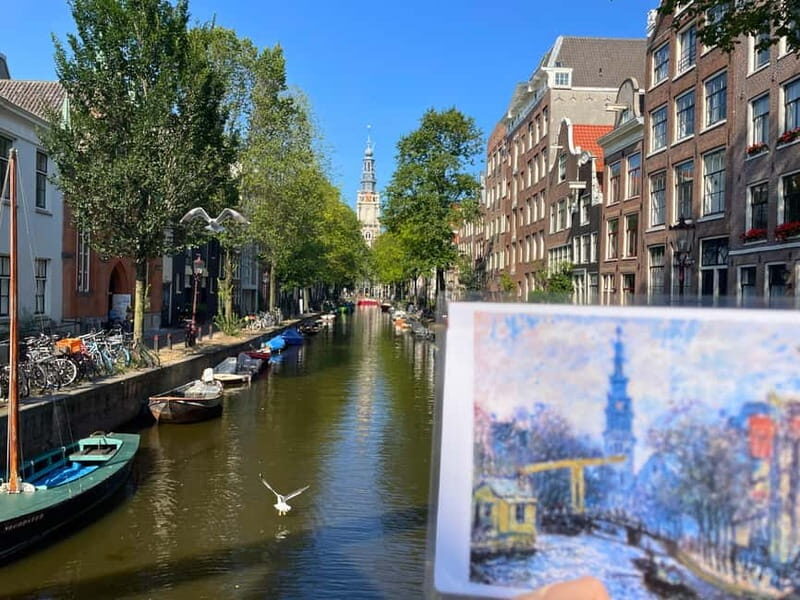
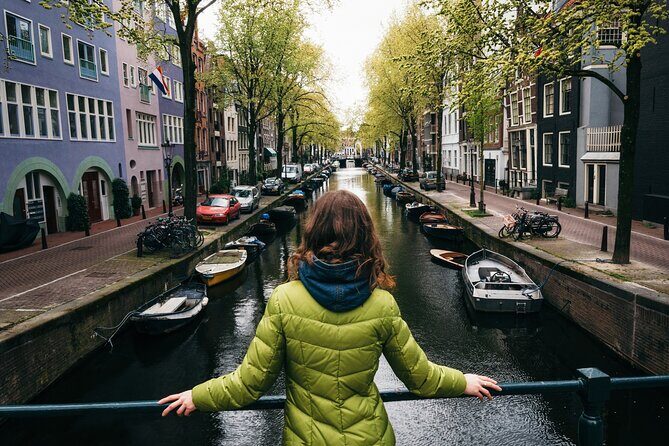
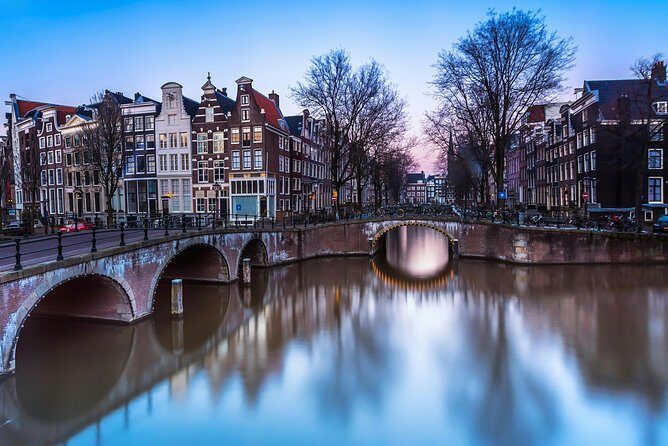
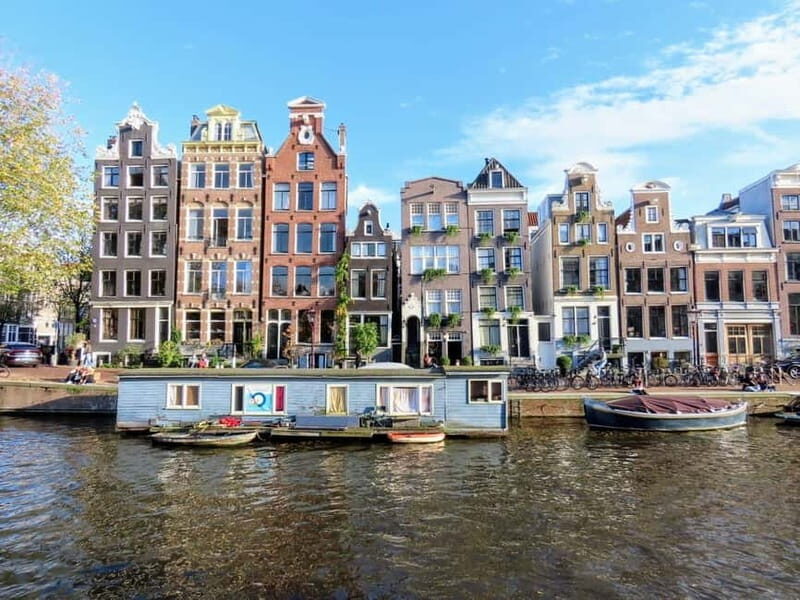
Amsterdam has world-class museums. But this is different. You’re not just staring at art behind glass. You’re walking through the city that fed the Dutch Masters—places where the guide explains what inspired the artists and how their ideas took shape in Amsterdam.
This tour is built around a simple promise: if you understand the background, you’ll enjoy the paintings more later. You’ll hear about Rembrandt, Vermeer, Frans Hals, and Van Gogh, and the guide ties them to real locations as you move across town. You also get a link to French art history through the Monet connection, which helps you see how ideas can travel and evolve.
You can also read our reviews of more walking tours in Amsterdam



Starting at Prins Hendrikkade 95: Easy to Find, Easy to Follow
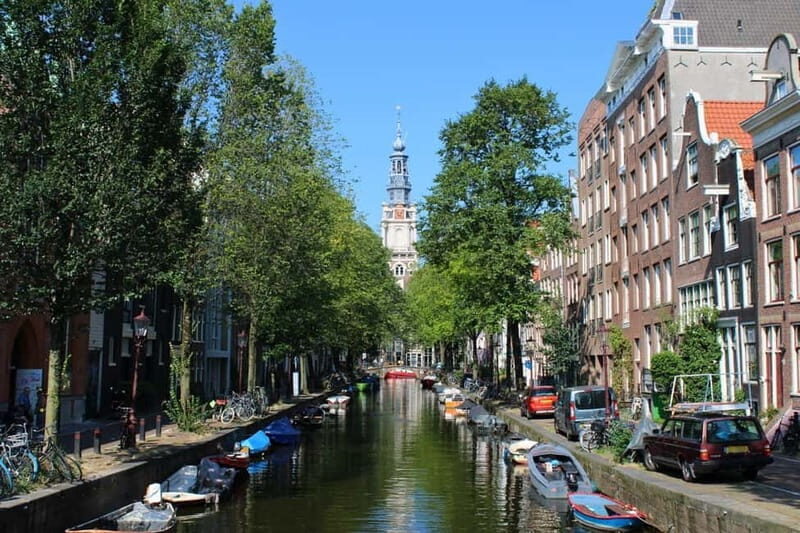
Your meeting point is Prins Hendrikkade 95, on the left side of Schreierstoren when you’re facing Central Station with your back. The guide holds a sign with Guidance on it, so it’s built for quick matching.
Why this matters: Amsterdam tours can be chaotic if the meetup is vague. Here, the directions are specific enough that you can get your bearings fast and focus on the walk instead of hunting.
Expect a true walking pace. This isn’t a long sit-down lecture. You’ll be outside, looking up at facades, bridges, and squares, then hearing how those surroundings connect to the art.
Nieuwmarkt Square and Het Trippenhuis: Where Amsterdam’s Layers Show Up
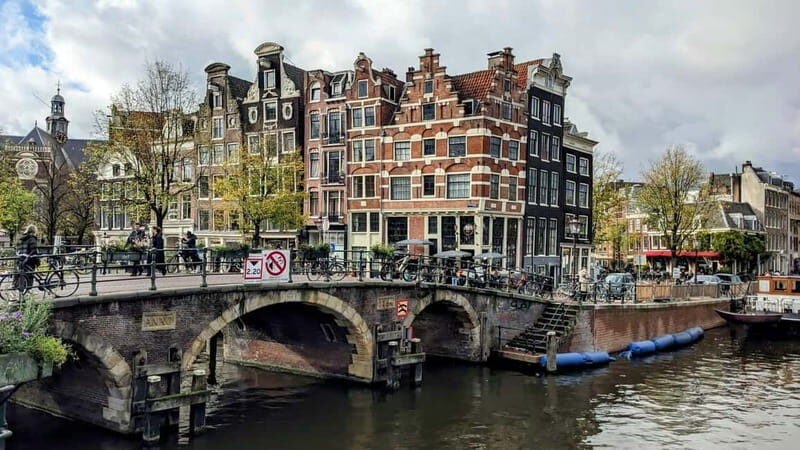
The route begins moving into the heart of the city with a stop at Nieuwmarkt Square. This is one of those places where you can feel the city’s long timeline just by looking around. The guide uses the setting as a springboard for art-based storytelling, so the square isn’t treated like a random landmark.
Next comes Het Trippenhuis. Even if you know little about Dutch painting, this stop helps you understand how Amsterdam’s wealthy, civic-minded culture supported artists. The guide frames the Dutch Masters not as isolated geniuses, but as people working inside a city with strong tastes and patrons.
A practical benefit: these early stops help you train your eye. By the time you reach Rembrandt territory, you’re already thinking in terms of context—what an artist might have seen, valued, and responded to.
Zuiderkerk: Big City Faith, Big City Stories
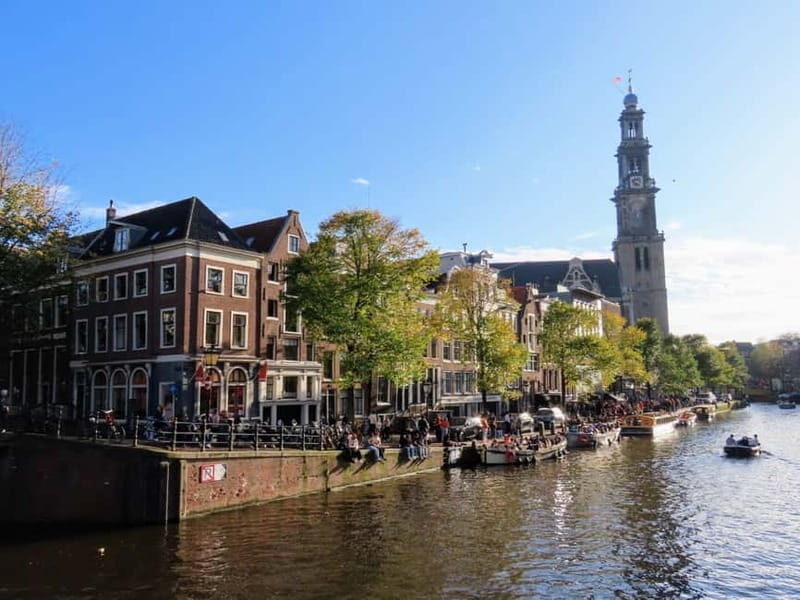
At Zuiderkerk, the tour keeps the focus on sightseeing, but with an art-history lens. Churches like this helped shape the look of the city’s public spaces, and the guide uses that backdrop to explain why the Netherlands produced so many master painters during the Dutch Golden Age.
Here’s what you’ll likely appreciate: the guide doesn’t require you to memorize art facts. Instead, you’ll hear why art mattered in that era and how audiences and institutions shaped what artists made.
Drawback to consider: if you’re expecting a tour that only talks paintings with zero sidetracks, you may find the city-sight portion too important to skip. Still, that’s the whole point—art history becomes clearer when it’s tied to architecture and public space.
Museum Rembrandthuis Stop: The Rembrandt Thread Gets Real
The route includes museum Rembrandthuis. Even though you do not get museum entrance tickets as part of this tour, the stop is valuable because it anchors the Rembrandt stories to a real Amsterdam place connected with him.
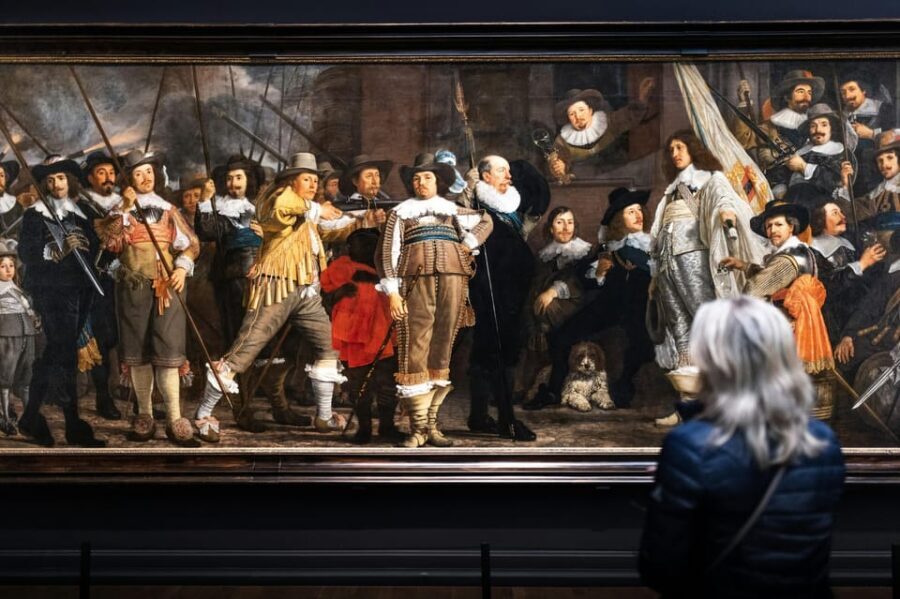
This is where you’ll also hear more about the location tied to where Rembrandt’s iconic Night Watch was created. The guide uses the area to explain origins and meaning, so when you later see The Night Watch, you’re not just recognizing a title—you have a mental map of how Amsterdam fed that work.
If you’re the kind of person who likes learning a trick for future visits, you’ll benefit here. By the end of the Rembrandt-centered segment, you should feel better prepared for the next step: going to the Rijksmuseum and placing masterpieces into a larger picture.





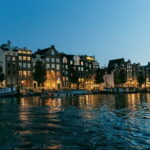
Staalmeestersbrug and the Monet Connection: The Bridge That Connects Eras
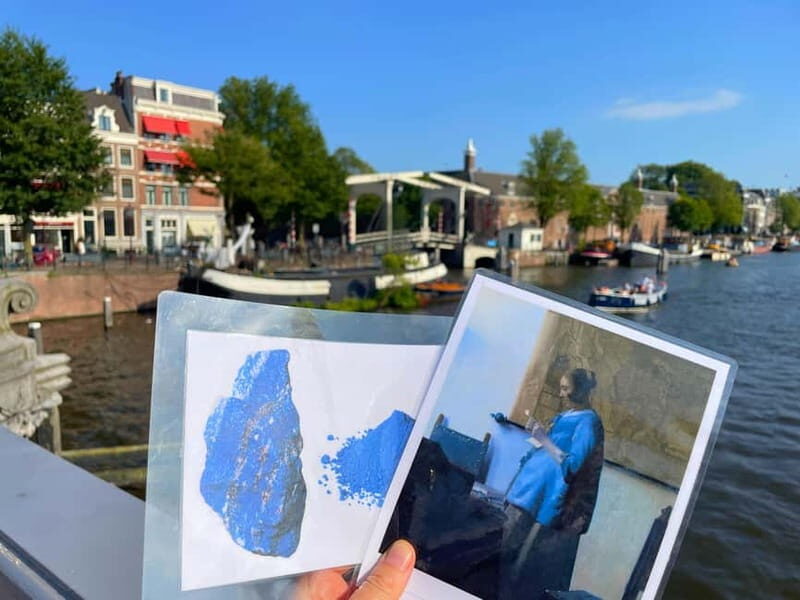
Stop 6 is Staalmeestersbrug, and this is one of the tour’s signature highlights: you’ll see the bridge where Monet painted his famous Amsterdam artwork.
This part is smart because it gives you a time bridge. You start with Dutch Masters rooted in 17th-century Amsterdam, then you look at how later artists like Monet found the city visually compelling. Even if you don’t know Impressionism deeply, standing on a real bridge tied to Monet’s work makes the art feel less like history trivia.
What I’d watch for: take photos here and spend a moment just looking before you turn your full attention back to the guide. Bridges and canals can look similar if you rush. The best photos tend to come when you give your eyes one minute to lock onto perspective, then listen for what the guide points out.
Oudemanhuispoort and Tivoli Doelen: Finishing the Art Story Around Old Streets
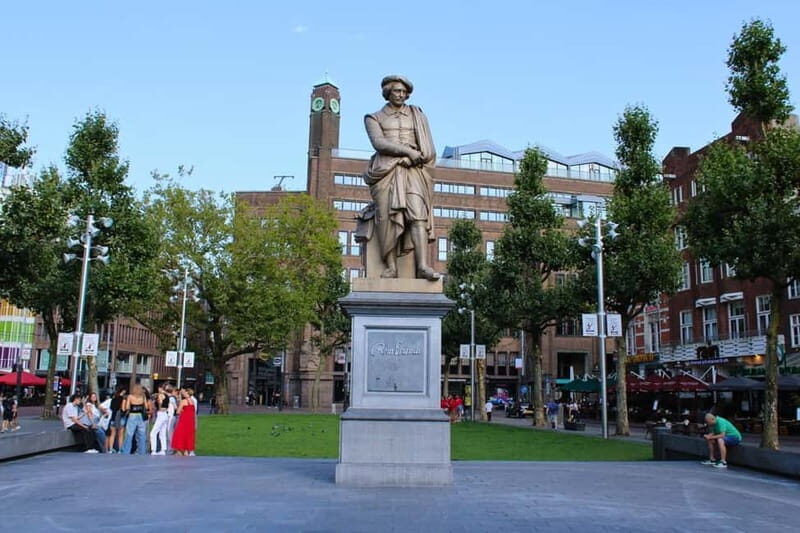
After the bridge, the tour moves into Oudemanhuispoort. This stop leans into guided context. Think of it like a final tightening of the story: the guide helps you connect how the city’s layout and everyday spaces fit into the broader theme of why Dutch artists were so productive and influential.
Then you reach Tivoli Doelen Amsterdam Hotel. This sounds like a modern waypoint, but on a tour like this, it acts as a geographic punctuation mark. The city isn’t frozen in the 1600s. The point is to show how Amsterdam still carries the visual DNA that artists responded to centuries ago.
The walking tour finishes at Blauwbrug. Depending on the route flow, the ending may feel like a natural loop back toward your starting area around Prins Hendrikkade.
What You’ll Learn, Beyond Names on a List
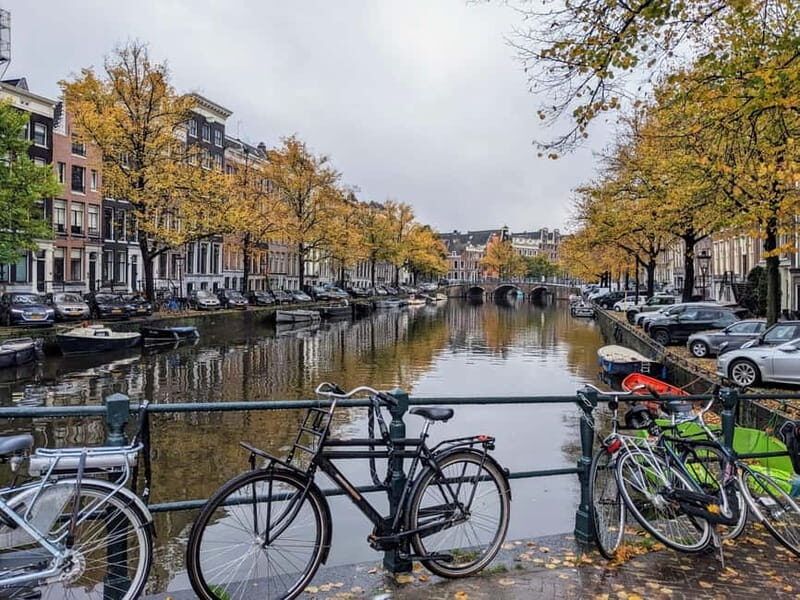
The biggest value here is interpretation. The guide focuses on:
- Why Dutch Masters became famous in the first place
- How well-known masterpieces connect to specific origins
- How 17th-century masters led toward later art movements, including the bridge to French Impressionists
You don’t need to be an art expert to get something out of this. One reason this tour has strong reviews is how the guide makes it easy to understand. If your guide is someone like Manouk, you’ll probably notice a teaching style that stays patient and organized, which makes even big, intimidating paintings feel more approachable.
The guide also keeps reminding you that Amsterdam itself is part of the artwork. You’re not only learning who painted what—you’re learning how the city’s look, institutions, and public spaces shaped what artists did.
Price and Value: Is $19 Worth It for a 2-Hour Walk?
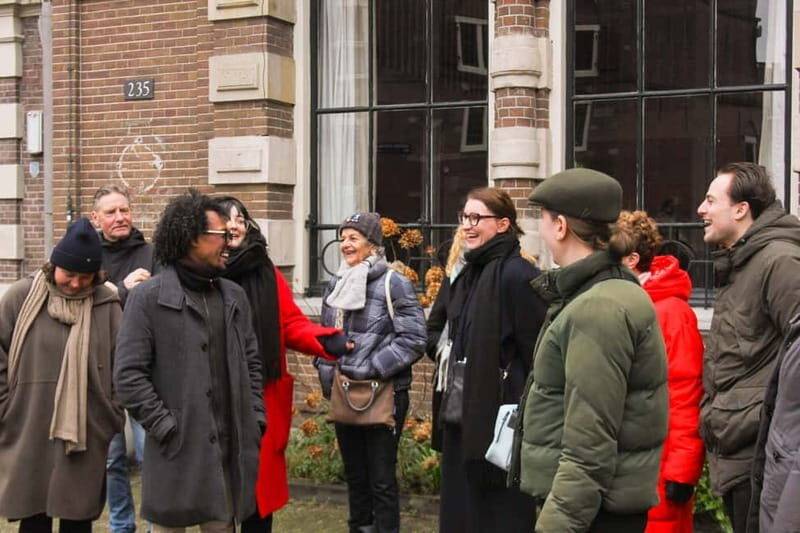
At $19 per person for a 2-hour guided walk, the price is low enough that you can treat it as a smart add-on—even if you’re museum-heavy for the rest of the day.
You are not buying museum entrances (not included), so what you’re really paying for is:
- guided context you can reuse later
- a route that focuses on relevant city locations
- an art guide who helps you connect paintings to real surroundings
That’s the “value math.” If you plan to visit the Rijksmuseum anyway, this tour can act like pre-hearing the story so the paintings land harder when you see them. If you do not plan to visit a museum afterward, you can still enjoy it, but your payoff will be more about improved appreciation than about ticket-to-ticket comparison.
Practical tips to make the most of the walk
- Wear shoes that handle steady pavement and frequent turning. Two hours goes fast when you’re outside.
- Have your camera ready, but don’t film through the important stops. Pause first, then listen.
- If you’re museum-bound later, take a quick note on your phone after stops that interest you most. You’ll remember less than you think once you’re back in a museum gallery.
- If art history feels intimidating, lean into it. This tour is designed to help you look at paintings with more interest after hearing the highlights and origins.
Who should book this Amsterdam Rembrandt and Van Gogh walking tour?
This tour is a great match if:
- you want a strong art introduction without committing to a full museum day
- you like walking and seeing Amsterdam’s core landmarks
- you’re planning to visit the Rijksmuseum and want help understanding what you’ll see
- you enjoy city history when it’s tied to something visual
You might want something else if:
- you expect mostly inside museum time (entrance tickets are not part of this tour)
- you strongly dislike guided walking tours and prefer audio guides or self-paced museum visits
Should you book it?
Yes, if you want a fast, affordable way to turn Amsterdam into a living canvas. For $19, you get a guided route tied to major artists—Rembrandt, Vermeer, Van Gogh, and a Monet link—plus explanations that help you understand what to look for later.
Book it especially if you’re the type who normally walks through museum galleries and thinks, I know the name, but I don’t get the story. This tour gives you the story, then sends you back into the city with a better eye.
FAQ
How long is the Amsterdam Rembrandt & Van Gogh walking tour?
It lasts 2 hours.
Where does the tour start?
Meet the guide at Prins Hendrikkade 95, on the left side of Schreierstoren facing Central Station with your back. The guide holds a sign with Guidance.
What is the tour end location?
It finishes at Blauwbrug.
How much does it cost?
The price is listed as $19 per person.
Is the tour offered in English?
Yes, the live guide speaks English.
Are museum entrance tickets included?
No. Entrance tickets for museums are not included, and the tour does not visit museums during the experience.
Is the tour wheelchair accessible?
Yes, it is wheelchair accessible.
Is there a cancellation option and can I pay later?
Free cancellation is available up to 24 hours in advance for a full refund, and you can reserve and pay later.