REVIEW · AMSTERDAM
Amsterdam Architecture Tour
Book on Viator →Operated by Historical Amsterdam Tours · Bookable on Viator
Amsterdam’s buildings talk back. If you like your city history with real street-level context, this private architecture walk is a smart way to see the canal ring as more than pretty postcards. You’ll get explanations that connect design choices to what people needed at the time, and why Amsterdam’s skyline ended up the way it does.
I especially like that it’s private (your group only), so you can ask questions and keep the pace comfortable. I also like the stop that includes an interior visit at Huis Bartolotti, because canal houses are one thing from the street and something else entirely when you see the details up close.
One thing to consider: this is a walking tour with a moderate fitness level, so you’ll want comfortable shoes and a willingness to keep moving for about 2.5 hours.
In This Review
- Key points to know before you go
- Amsterdam’s canal ring: how the city got its look
- Private guidance beats group chaos (especially for architecture questions)
- The late 1600s stop: architecture made to fit strict limits
- Huis Bartolotti: the interior and the canal-ring garden secret
- Westerkerk and early 1600s architecture you can actually spot
- House with the Heads: Dutch Renaissance style with a UNESCO twist
- Timing, walking pace, and how to plan the rest of your day
- Price and value: $384.63 per group is either fair or painful
- Who should book this architecture tour?
- Should you book? My practical take
- FAQ
- FAQ
- How long is the Amsterdam Architecture Tour?
- What’s the price?
- Is this tour private?
- Is the tour offered in English?
- Where do I meet the guide?
- What’s included with the tour?
- What can I expect to see during the walk?
- What’s the activity fitness level?
- How do I choose a start time?
- Can I get a refund if I cancel?
Key points to know before you go
- Private, small-group feel: up to 8 people, with a personal guide and room for questions
- Canal-ring architecture explained clearly: from overall layout to specific building features along the water
- Huis Bartolotti includes admission: about 15 minutes inside, plus you learn the canal-ring garden connection
- Westerkerk and early 1600s design logic: why the skyline looks the way it does
- House with the Heads + UNESCO-listed library: Dutch Renaissance flair with a real reason to care
Amsterdam’s canal ring: how the city got its look
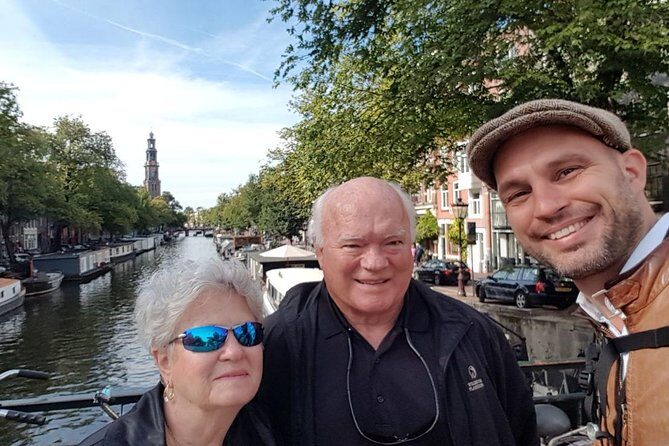
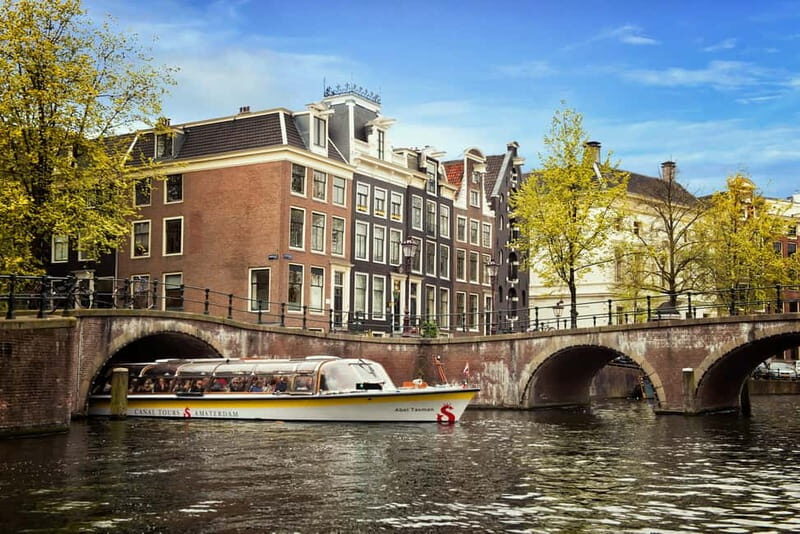
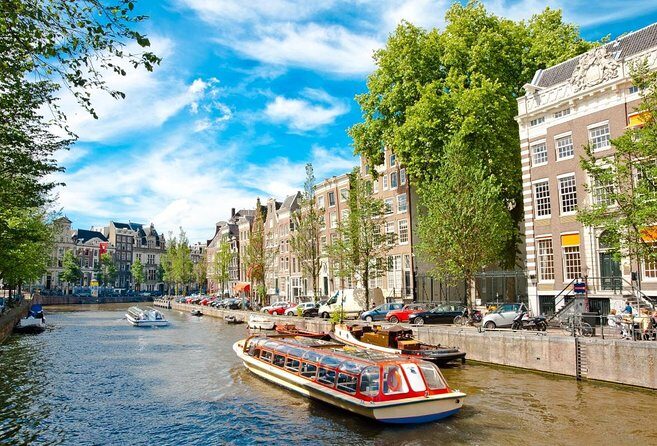
Amsterdam’s canal ring isn’t just a scenic backdrop. It’s a design system. On this tour, I love how the guide helps you read the structures along the water like clues: building shape, rooflines, and how canal-side buildings were planned to fit a dense city that had to grow fast.
You start by getting a handle on the structure of the canal ring and the types of architecture you’ll keep seeing as you walk. That makes later stops much easier to enjoy, because you’re no longer guessing what you’re looking at. You’re understanding the why behind it—trade-driven growth, changing tastes, and the way builders worked within a tightly packed waterfront.
A big practical win here: you’ll leave with a mental map of the skyline. One guide example from past tours included explanations of why Amsterdam’s skyline looks the way it does, and why canal fortifications mattered for maintaining the city. Even if you’ve visited Amsterdam before, this kind of framing can turn familiar streets into something fresh.
You can also read our reviews of more tours and experiences in Amsterdam.



Private guidance beats group chaos (especially for architecture questions)
This is a private tour/activity, meaning only your group participates. That one detail changes the whole experience. Instead of hearing your own voice over a big pack, you can ask direct questions, follow the guide’s explanations at a pace that works for you, and spend more time on the parts that actually interest you.
It’s also offered in English, which matters if you want to understand the details without leaning on translation apps. Plus, you can choose from a section of start times to match your day.
The meeting point is Design Amsterdam on Brouwersgracht (Brouwersgracht 64, 1013 GX). The location is near public transportation, which makes it easier to plug into your wider Amsterdam itinerary. You’ll also finish back at the meeting point, so you’re not left figuring out your next move in an unfamiliar spot.
The late 1600s stop: architecture made to fit strict limits
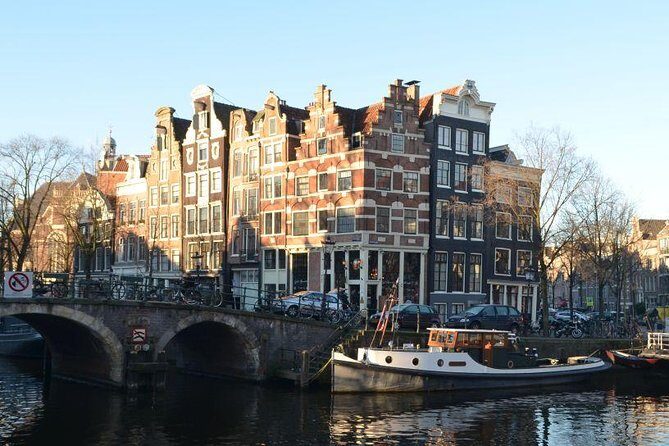
One of the most interesting parts of this tour is the stop focused on a late 17th-century solution for physical restrictions faced by religious minorities. The point isn’t just that the building looks clever—it’s that it shows how architecture can be an answer to real constraints.
This is where the tour shifts from “look at cool buildings” to “understand choices people had to make.” In a city like Amsterdam, you can’t separate architecture from social rules, legal realities, and the practical limits of where people could build and what they could display. That lens makes the canal-ring buildings feel less like random styles and more like decisions shaped by life.
If you like stories that connect politics, religion, and design, this stop is a strong one. It also sets you up for what comes next: the guide starts connecting big themes to specific addresses and building features, not just general timelines.
Huis Bartolotti: the interior and the canal-ring garden secret
Then you get the highlight that’s easiest to remember later: Huis Bartolotti. This is described as the most beautiful canal house in Amsterdam, and the tour includes admission. Expect about 15 minutes at the stop—enough time to see the interior design without turning it into a long, slow museum shuffle.
What I like about this visit is the way it reinforces a “secret” idea: the canal ring isn’t only about façades facing the water. The guide explains how the canal-ring layout connects to gardens—so the architecture works both as a public statement and as something livable behind the scenes.
From a practical point of view, an interior stop like this is also great value. You’re not paying for a walk-by. You’re getting access, and you’re learning what to notice once you’re inside: design details, how rooms relate to the house’s structure, and why the house’s reputation makes sense.
If you want one reason to book, this is it. Interior time turns a “nice architecture tour” into a “now I understand Amsterdam” experience.
Westerkerk and early 1600s architecture you can actually spot
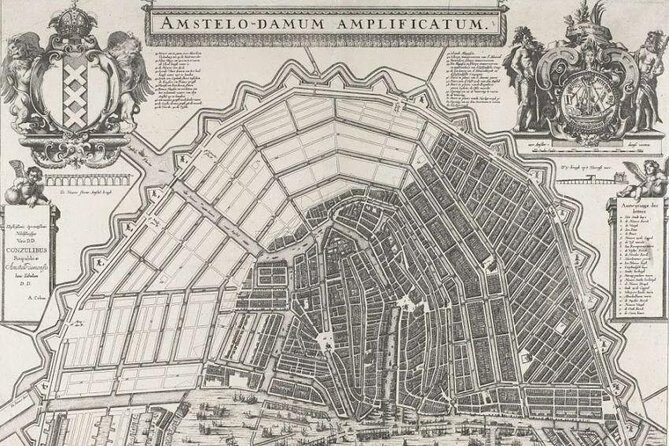
After Huis Bartolotti, the tour shifts into early 17th-century architecture in general, and then zooms in on the Westerkerk in particular. This part helps you connect what you learned about the canal ring’s structure to major landmarks and their place in the skyline.
The Westerkerk stop is valuable because it gives you a reference point. Once you can picture where it sits and why it matters, you start noticing similar design patterns elsewhere. One past tour experience also mentioned the swan on top of a Protestant domed church, which is the kind of detail that sticks because it makes the landmark feel specific, not generic.
This section is also useful if you’re the type of person who wants to understand what you’re seeing from across the water. The guide’s job here is to explain early 17th-century choices and how they fit the city’s growth—why some buildings look the way they do, and how that helped shape Amsterdam as it expanded from medieval times onward.



House with the Heads: Dutch Renaissance style with a UNESCO twist
The final stretch is a showpiece: an extravagant early 17th-century canal house in Dutch Renaissance style, known as the House with the Heads. It once had influential residents, and it’s now home to a special UNESCO-listed library.
This is a great stop for two reasons. First, it adds drama and character to the architectural story you’ve been building. Canal houses can feel similar from a distance until someone points out why this one is different—its style, its details, and why people cared enough to live there.
Second, UNESCO-listed spaces give you a built-in “why it matters.” Even if you don’t go deep into the rules of heritage listings, it helps you understand that this building is protected for a reason. You’re seeing architecture that’s valued not only for aesthetics, but for cultural importance.
By the time you reach this stop, you’ll also be better at reading the canal houses along your walk. That’s the real payoff: the architecture becomes easier to interpret in your own future wandering.
Timing, walking pace, and how to plan the rest of your day
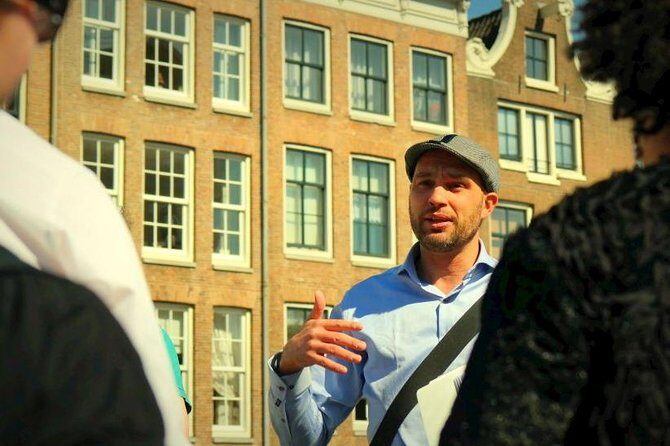
The tour runs about 2 hours 30 minutes. That length is a sweet spot for a canal architecture walk: long enough to cover meaningful ground and include a house visit, but short enough that you’re not exhausted afterward.
You’ll want moderate fitness. In plain terms, you should be comfortable walking for stretches and standing when the guide explains building features. If you’re traveling with mobility limitations, you may find that challenging—this tour doesn’t list wheelchair-specific details, only a moderate fitness level.
Because you meet near public transportation and return to the meeting point, it’s easier to plan dinner or another nearby activity right after. If you like to pack your schedule, this is a tour that fits without swallowing the whole day.
Price and value: $384.63 per group is either fair or painful
The price is listed as $384.63 per group, up to 8 people, for about 2.5 hours, in English. Private tours can feel steep if you’re solo. The value improves when you’re splitting costs with family or friends, because the price scales by group size rather than per person.
Think of it like this: if you’re 2 people, you’ll feel the private-tour price. If you’re 4 to 8 people, the math becomes much more reasonable for what you get—private guidance, multiple architecture-focused stops, and an admission-included interior visit at Huis Bartolotti.
Also, the content isn’t random. You’re paying for interpretation: how the canal ring structure works, how late 1600s architecture responded to restrictions, what early 17th-century landmarks signal, and why specific canal houses matter (including the UNESCO-listed library).
Who should book this architecture tour?
This is a strong match if you:
- want a private, question-friendly walk instead of a large-group march
- care about architecture details and how they connect to real city history
- enjoy canal houses enough to want at least one interior stop (Huis Bartolotti)
- want a guide who can translate what you see into clear context
It’s especially great for couples, families, and small groups who can share the group price. If you love landmarks, skyline views, and the logic behind building styles, you’ll likely find the experience satisfying from start to finish.
Should you book? My practical take
Book this tour if you want the canal ring explained in a way that sticks. The private format is a real advantage, and the Huis Bartolotti visit is the kind of stop that justifies the time and cost. You’re not only looking at buildings—you’re learning the reasons they look the way they do.
Skip it or rethink it if you’re mainly after casual sightseeing and you don’t want to walk for about 2.5 hours. Also, if your group is small and you’re paying solo/private by yourself, the price may feel high compared to standard group tours.
FAQ
FAQ
How long is the Amsterdam Architecture Tour?
It’s about 2 hours 30 minutes.
What’s the price?
The price is $384.63 per group, up to 8 people.
Is this tour private?
Yes. It’s a private tour/activity, so only your group participates.
Is the tour offered in English?
Yes, the tour is offered in English.
Where do I meet the guide?
The meeting point is Design Amsterdam, Brouwersgracht 64, 1013 GX Amsterdam, Netherlands.
What’s included with the tour?
Huis Bartolotti admission is included, and you’ll receive a mobile ticket.
What can I expect to see during the walk?
You’ll learn about the canal ring and architecture along the water, see examples including late 17th-century and early 17th-century architecture, and visit Huis Bartolotti. You’ll also cover major canal houses and the Westerkerk area.
What’s the activity fitness level?
It requires moderate physical fitness.
How do I choose a start time?
You can choose from a section of start times that work with your vacation plans.
Can I get a refund if I cancel?
You can cancel for a full refund up to 24 hours in advance of the experience’s start time. If you cancel less than 24 hours before, the amount paid won’t be refunded.