REVIEW · AMSTERDAM
Amsterdam: Van Gogh Museum Private Tour
Book on GetYourGuide →Operated by Amor Artium · Bookable on GetYourGuide
Van Gogh hits different with a plan. This private 2-hour tour comes with skip-the-line entry and an art historian guide who connects paintings to Vincent’s life in a clear, chronological way.
Two things I really like: you get reserved entry plus a separate entrance to avoid the slow shuffle, and the tour is paced around questions—so you do not feel rushed through the museum’s biggest canvases. One possible drawback: at $224 per person, it’s a splurge, and the museum is so big (and so tempting) that 2 hours can feel short if you love hanging around in front of one work.
You’ll meet in front of Cobra Café, look for the Amor Artium sign, and your guide will be in touch before you arrive. Also worth noting: free lockers are included, which is a small thing that makes your visit feel smoother from the first minute.
In This Review
- Key reasons this tour works so well
- Van Gogh Museum, but with a human guide who actually connects the dots
- Meeting point at Cobra Café and the smooth skip-line entry
- How your guide sets up the story before you start staring at paintings
- Vincent takes up painting at 27: the starting point that changes everything
- The dark period in Brabant: how mood shows up on canvas
- Paris years: experimentation, brighter decisions, and the rhythm of change
- Arles and the Yellow House: why Gauguin mattered
- The end of Vincent’s life: 37, Theo’s loss, and the legacy moment
- Temporary exhibitions: getting extra value beyond the permanent collection
- Pacing, questions, and your comfort: why this tour doesn’t feel like a race
- Price and value: what $224 per person includes (and what it saves you)
- Who should book this Van Gogh Museum private tour?
- Should you book this Van Gogh Museum private tour?
- FAQ
- How long is the Amsterdam Van Gogh Museum private tour?
- Where do we meet for the tour?
- Is this a skip-the-line tour?
- What language is the tour in?
- Are temporary exhibitions included?
- Is cancellation refundable?
Key reasons this tour works so well
- Skip-the-line via separate entrance saves real time, especially when the museum lines get long.
- A Van Gogh-focused art historian ties each period to specific life changes and relationships.
- A tight 2-hour structure helps you see more without getting lost in the museum maze.
- Free lockers mean you can store bags and stay focused on the art.
- Temporary exhibitions included, so you do not miss special displays while you’re here.
- Private group pace lets your guide slow down when questions, photos, or accessibility needs come up.
Van Gogh Museum, but with a human guide who actually connects the dots

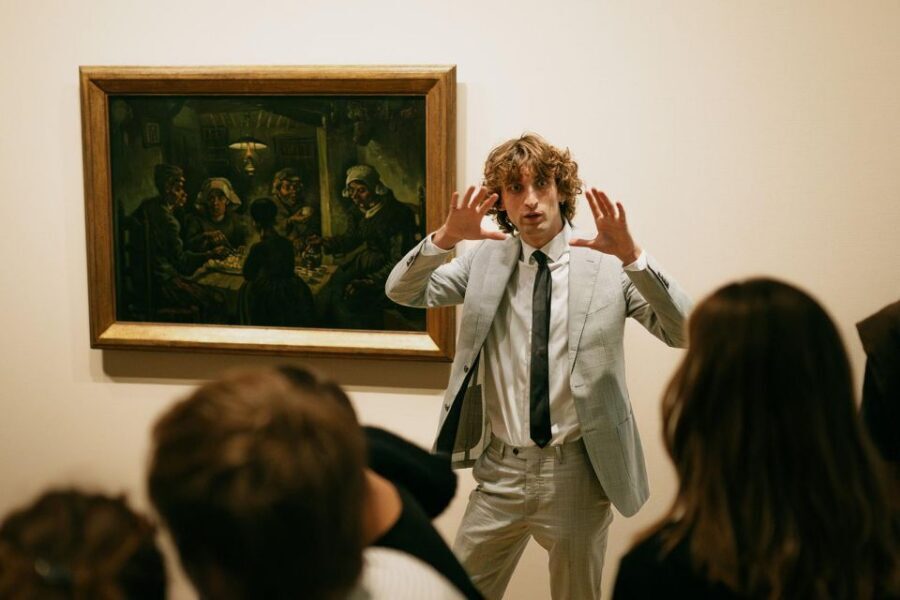
The Van Gogh Museum can feel like a lot—200+ paintings and 500+ drawings is the kind of number that makes your brain go numb. This tour avoids that problem by turning the museum into a story you can follow. You’re not just looking at artwork. You’re learning how Vincent’s choices changed as his life changed.
What makes this experience worth the money is the guiding style. The museum labels can be helpful, but they rarely explain why Vincent stopped doing one thing and started doing another. Here, your art historian guide focuses on the big turning points: why he took up painting at 27, how Theo’s support shaped his world, and how relationships affected his art. You leave with a mental map, not just a few strong impressions.
And yes, the private format matters. Even within 2 hours, you get room to ask questions without worrying about slowing down a big group. In past tours, guides such as Lucy, Flor, Geneviève, Celine, Florentina, and Chiel have been noted for patient pacing and strong, Vincent-specific storytelling. That kind of “you can go at your speed” energy makes a museum visit feel personal instead of mechanical.
You can also read our reviews of more private tours in Amsterdam


Meeting point at Cobra Café and the smooth skip-line entry

Here’s the practical part that often decides whether the morning feels calm or chaotic.
You meet in front of Cobra Café and you’ll recognize your guide by the Amor Artium sign. Your guide will also be in touch before the tour, so you can confirm where to stand and what time to be ready.
The tour includes reserved entry tickets and skip-the-line access through a separate entrance. That means you spend less time waiting and more time looking. I like this setup because the Van Gogh Museum is popular, and waiting in a line is not how you want to start a concentrated art experience.
If you’re carrying a day bag or shopping, use the free lockers. You’ll be able to move through the galleries without constantly adjusting straps or worrying about where to put things.
How your guide sets up the story before you start staring at paintings
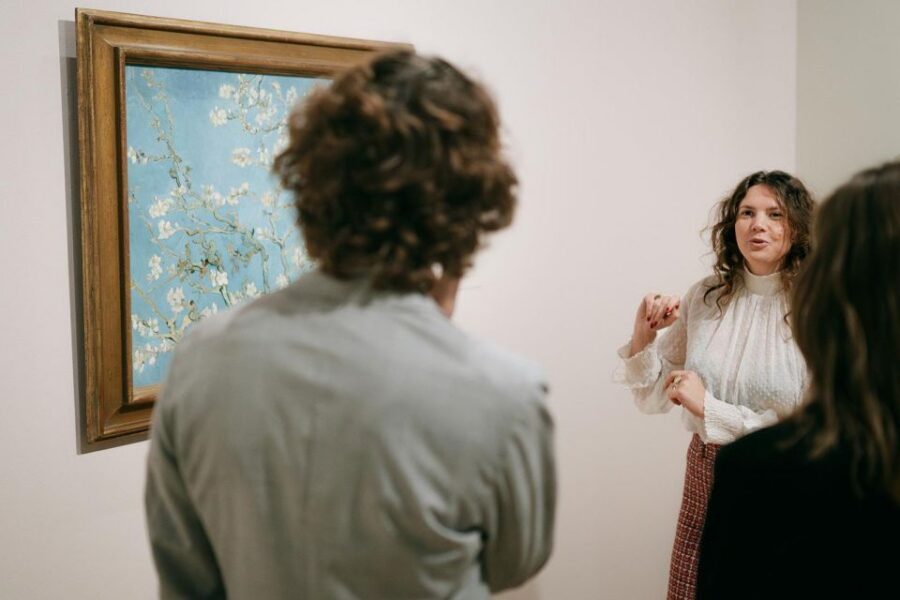
The best museum guides do something subtle: they give you a frame before you hit the first artwork.
On this tour, you typically begin with the arc of Vincent van Gogh’s life and the idea that his art isn’t random. It evolves. Even when you’re only seeing a small slice of the collection, your guide helps you place what you’re looking at in time—so the museum does not feel like disconnected rooms.
You’ll likely hear a quick explanation of what you will focus on during the tour: the different artistic periods and how each one ties to the emotional and practical conditions around Vincent. That matters because the museum’s collection is vast. Without a guide, it’s easy to bounce from one famous piece to another without seeing the pattern.
Then comes the real payoff: as you move through the museum, the guide connects what’s on the wall to what was happening in Vincent’s life. It’s a simple idea, but it changes everything about how you see the brushwork, the color, and the mood.
Vincent takes up painting at 27: the starting point that changes everything
One of the core storylines your guide works through is why Vincent took up painting at at age 27. This point is more than trivia. It reframes the whole museum.
If you know he started later than you might assume, then you pay closer attention to urgency. His choices look less like a slow hobby phase and more like a long sprint toward a personal vision. Your guide uses that context to help you understand why certain themes appear with conviction and why his training curve feels intense.
This is also where you start to see Theo’s role. Theo wasn’t just a supporting character in the background. The story of their relationship helps you understand Vincent’s motivation—how he pushed forward even when life got rough. The guide’s explanations aim to make the art feel like communication, not just decoration.
The dark period in Brabant: how mood shows up on canvas
During the tour, your guide walks you through the somber tones of Vincent’s dark period in Brabant. This is a key stop because it shows how Vincent worked with restraint before he became famous for color and intensity.
When you’re guided to look for mood, you start seeing things you might otherwise miss: how the palette changes, how the compositions feel heavy, and how the subject matter carries emotional weight. The “dark period” isn’t just about color being muted. It’s also about how Vincent’s perspective narrowed while he was processing life in a difficult chapter.
A good guide will also help you notice what did not change. Even when the tone is low, you can still see his commitment to real observation—how he looks at people, work, and the world around him.
You can also read our reviews of more museum experiences in Amsterdam






Paris years: experimentation, brighter decisions, and the rhythm of change
Then the tour turns to Vincent’s Paris years, described as a time of vibrant experimentation. This section is where many people finally understand why Vincent’s style seems to swing from one emotional weather system to another.
Paris is not just a location here—it’s an idea: exposure to new approaches, new artistic conversations, and new ways of seeing. Your guide helps you connect the artwork’s shifts to that environment. Instead of thinking, Vincent randomly changed styles, you see it as Vincent responding.
This is often the moment when guests start asking more questions, because it feels like the story got faster. Your guide can usually slow things down again if you want to pause in front of a specific work.
Arles and the Yellow House: why Gauguin mattered
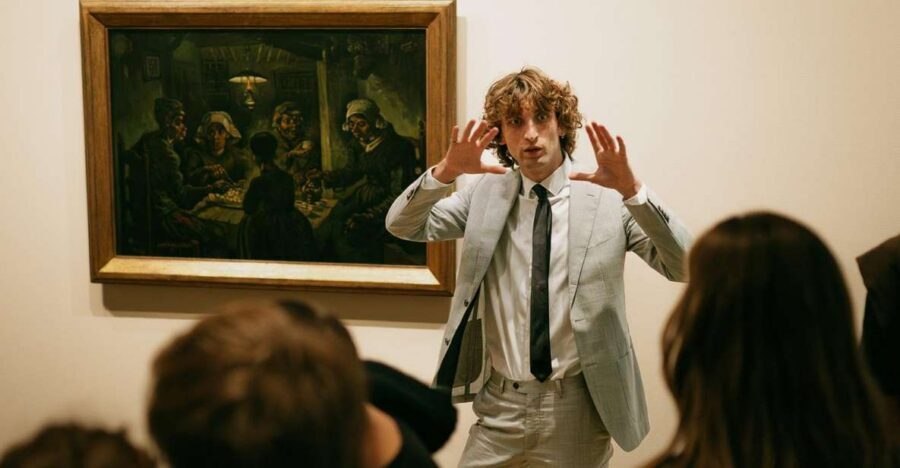
One of the most emotionally charged chapters in the tour is the Yellow House period in Arles, including the tumultuous time with Gauguin.
This part works because it turns a famous artistic collaboration into something more human. You’re not just told that two artists met. You’re guided to understand why the partnership was complicated and how tension affects creative output. When your guide connects personal strain to the energy of the art, you start reading the paintings differently.
It also helps you understand why some works feel like stepping stones between Vincent’s moods. Even if you love only one period, this stop is useful because it shows how quickly Vincent’s inner life could change—and how that change showed up visually.
The end of Vincent’s life: 37, Theo’s loss, and the legacy moment
The tour doesn’t stop at the masterpieces in the middle. It also covers the poignant end: Vincent’s death at 37, followed by Theo passing just months later.
This is delicate material, but the tour treats it as part of the story behind the art rather than as a dramatic sidebar. Your guide also explores the remarkable woman who played a crucial role in cementing Van Gogh’s legacy, which adds an important perspective: Vincent’s story didn’t end with his death. Something happened after, and that’s why the museum exists in the way it does today.
If you’ve ever wondered how Vincent became a legend, this section helps you understand that the legacy was built through love, persistence, and care—not just through talent.
Temporary exhibitions: getting extra value beyond the permanent collection
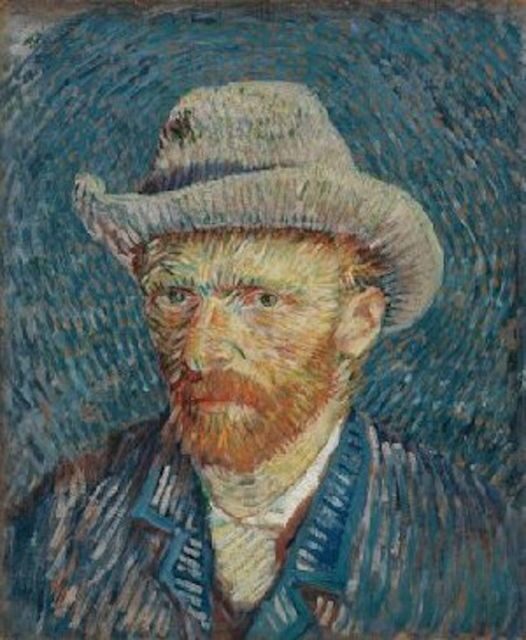
The museum includes temporary exhibitions, and this tour includes access to them. That can add serious value because it gives you a reason to check dates and special displays instead of treating the museum as only the permanent galleries.
One example from a past visit described a temporary exhibition focused on Van Gogh’s final years. When that kind of display aligns with your visit, your guide can connect it back to the life events you’re already hearing about on the main tour.
Even if you do not know what’s currently on, having your guide with you is still useful. You’ll see more meaning in what you’re looking at because the guide has already built the life timeline for you. You’re less likely to walk through a special exhibit thinking, I guess that’s interesting.
Pacing, questions, and your comfort: why this tour doesn’t feel like a race
A 2-hour private tour has one risk: it can turn into a sprint. The good news is that the guides here have a reputation for adjusting.
In multiple experiences, guides were described as patient with questions, with one guide making sure pacing worked for a knee injury. That tells you the tour can flex—useful if you have mobility needs, fatigue issues, or you just want time in front of a specific work.
You’ll also likely notice that the tour timing feels intentional. When pacing is right, the visit does not feel like ticking boxes. One tour experience even noted that the time passed quickly, with the experience running close to the end before it felt like it was over.
If you’re the type who likes to ask why a painting looks the way it does—about brushwork, color choices, or mood—this tour rewards that instinct. It’s also a smart pick for first-timers who still want the visit to feel like more than a photo stop.
Price and value: what $224 per person includes (and what it saves you)
At $224 per person, this is not a budget activity. So the real question is: what do you get for that money?
You get:
- Reserved entry tickets
- Skip-the-line access via a separate entrance
- A live art historian guide in English
- Access to temporary exhibitions
- A private group format for your 2-hour window
- Free lockers
The hidden value here is time and focus. Skip-the-line matters because waiting does not teach you anything. And the private guide matters because the museum is hard to navigate emotionally without guidance. You’re paying for interpretation.
This can also be a strong option when you want Van Gogh Museum access but regular tickets are hard to line up. One past experience highlighted that this felt worth it when museum tickets otherwise were unavailable. Even if that is not your situation, the logic holds: if your main goal is understanding and not just checking a box, the private format gets you closer to that goal.
Who should book this Van Gogh Museum private tour?
This tour fits best if you:
- Love Van Gogh and want a structured understanding of his periods
- Prefer a guide to help translate the art into life context
- Want a question-friendly visit instead of a one-way lecture
- Are visiting Amsterdam for a short time and want maximum meaning in limited time
- Appreciate temporary exhibitions and want them folded into the main narrative
It may be less ideal if you:
- Want to roam entirely at your own speed without any structure
- Expect a long, slow museum day (2 hours can only go so far)
- Are mostly there for quick photos and a few famous works
Should you book this Van Gogh Museum private tour?
If you care about why these paintings and drawings matter, book it. The museum is full of artwork, but this tour adds the missing ingredient: a clear life timeline and an art historian’s way of connecting periods—Brabant’s darker mood, the Paris experimentation, the Arles tension in the Yellow House, and the final years.
The only real reason to skip is if you want a free-form visit with unlimited lingering. Otherwise, the combination of skip-the-line, private format, expert storytelling, and temporary exhibition access makes the $224 feel like a focused investment rather than an add-on.
FAQ
How long is the Amsterdam Van Gogh Museum private tour?
It runs for 2 hours.
Where do we meet for the tour?
You meet in front of Cobra Café. Look for the guide with an Amor Artium sign.
Is this a skip-the-line tour?
Yes. It includes reserved entry tickets and skip-the-line access through a separate entrance.
What language is the tour in?
The live tour guide is English.
Are temporary exhibitions included?
Yes. The tour includes access to temporary exhibitions.
Is cancellation refundable?
Yes. There is free cancellation up to 24 hours in advance for a full refund.