REVIEW · AMSTERDAM
Amsterdam: Red Light District & City Tour (Private tour)
Book on Viator →Operated by Amsterdamliebe · Bookable on Viator
Red lights, old stones, real questions.
This private walk stitches together big Amsterdam landmarks and the Red Light District in one smooth loop, so you come away with a clearer story of how the city got here. I like that it starts where Amsterdam’s center of gravity is—Dam Square—and then keeps building context stop by stop.
I also like the way the guide handles hard questions in plain language, not moralizing. You’ll pass through the LGBTQ+ stretch around Warmoesstraat and then get to the practical stuff on sex work, including what’s legal and how the window system works. One drawback to plan for: this isn’t a casual photo-only stroll. If you want mostly street-level spectacle with minimal talk, the explanations may feel like homework—just the useful kind.
In This Review
- Key highlights I think are worth your attention
- From Dam Square to the Royal Palace: grounding yourself before the windows
- Oude Kerk and Warmoesstraat: when old church walls meet modern nightlife
- Beurs van Berlage and Damrak: the trade-era streets behind the district
- Amsterdam Centraal: photo time, plus a reality check
- Chinatown at the city’s edge: culture, time, and how Amsterdam keeps stacking identities
- Jolly Joker and the coffee-shop political story: history with a current-events edge
- Nieuwmarkt and de Waag: history, insider tips, and a ’70s peep show look
- Price and what you’re actually buying with a $264.35 private group tour
- Timing matters: choose later if you want more to see
- Who this tour suits best (and who might want a different option)
- Should you book Amsterdam: Red Light District & City Tour (Private tour)?
- FAQ
- How long is the Amsterdam Red Light District & City Tour?
- Is this tour private?
- What languages is the tour offered in?
- What does the tour price include?
- Where does the tour start and end?
- Are admissions included for the stops?
Key highlights I think are worth your attention
- Dam Square to Royal Palace right at the start, so you’re not guessing what you’re looking at
- Oude Kerk + Red Light origins connected to the city’s oldest church
- Warmoesstraat and LGBTQ+ bars as part of the district’s real geography, not a side note
- Damrak questions answered on the spot about legality, regulation, and costs
- Amsterdam Centraal photo stop with a critical lens on the district
- Jolly Joker and the coffee-shop story, plus a chance to see a ’70s peep show
From Dam Square to the Royal Palace: grounding yourself before the windows
Your tour starts on Dam Square at the National Monument. It’s the kind of place you could rush through on your own, but here it’s used like a starter map. You’ll get the origin-story angle of Amsterdam right where the city’s civic center sits, which helps everything that follows feel less random.
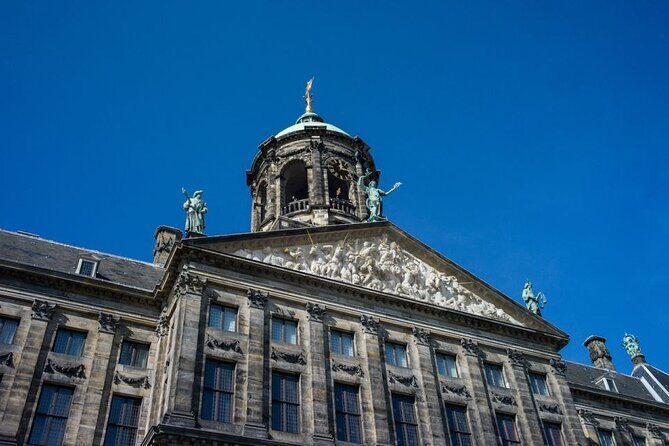
Next up is the Royal Palace Amsterdam. Even if you’re not a monarchy superfan, this stop gives you the political and historical framing that you’ll keep bumping into across the city. You’ll understand how power, institutions, and public space have shaped modern Amsterdam’s personality—and why the Red Light District can’t be separated from the rest of the city.
I like this pacing because it protects you from one common mistake: treating the Red Light District as a standalone attraction. It’s not. It’s woven into the same urban fabric as palaces, churches, and trade streets.
You can also read our reviews of more city tours in Amsterdam


Oude Kerk and Warmoesstraat: when old church walls meet modern nightlife
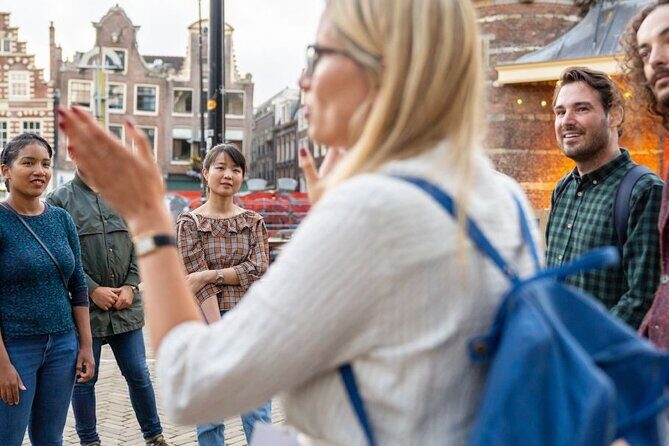
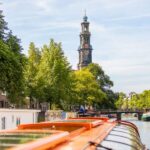
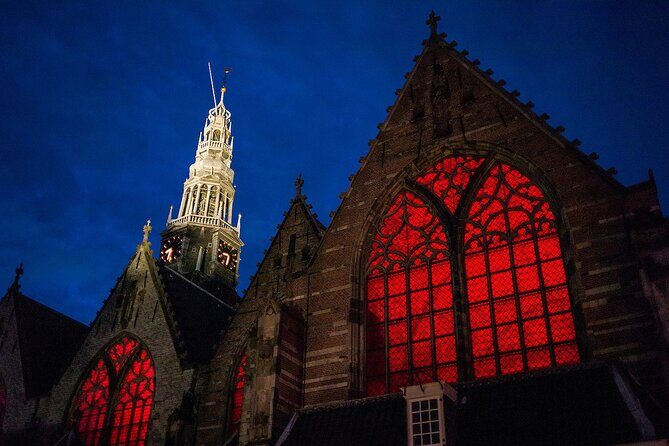
A short walk brings you to Oude Kerk. The key idea here is connection: you’ll learn how Amsterdam’s famous Red Light District ties back to the establishment of the area—and how this story connects to the city’s oldest church. That’s a big deal because it shifts the conversation from shock value to origins and evolution.
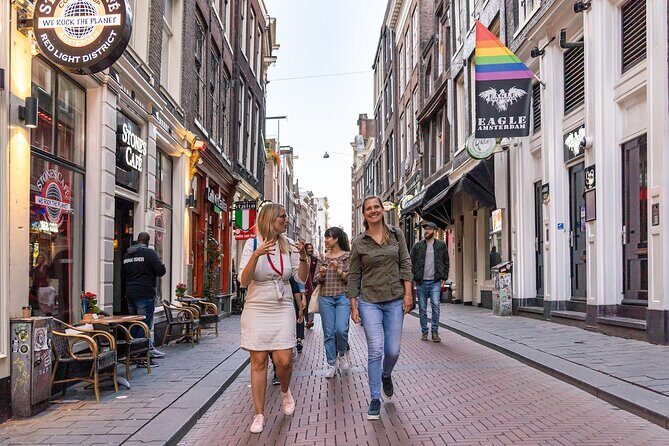
Then you move into Warmoesstraat. This stretch is where the tour points out the LGBTQ+ part of the Red Light District as you pass some of the most infamous gay bars. For me, that matters because it corrects a common assumption that the district is only one thing. It’s a set of overlapping communities, economies, and identities, all packed into a small radius.
If you’re sensitive to the topic, this is still handled thoughtfully in this format. You’re not just thrown into streets and told to figure it out. The stops are arranged so you can hold context while your brain is adjusting.
Practical tip: keep an eye on how the atmosphere changes block to block. The tour’s job is to help you interpret what you see, but you still get to walk at your own pace in between the points the guide marks for you.
Beurs van Berlage and Damrak: the trade-era streets behind the district
Next you’ll reach Beurs van Berlage. This is one of those spots where you can feel the weight of Amsterdam’s commercial past. You’ll hear how trade helped the city become one of the richest cities in the world during the Golden Age. It’s a reminder that money, migration, and commerce shaped the urban layout long before modern entertainment districts had their current forms.
After that, you’ll head toward Damrak, which is tied to the old harbour area. This is where the tour gets its most practical, question-heavy moment. You’ll get answers about sex work in Amsterdam: whether it’s legal, how costs can vary by different services, and how the window system is regulated—including what those windows cost.
This is the part where a private guide earns their keep. You can ask follow-ups, and you’ll hear the kind of specific detail that’s hard to find quickly on your own without accidentally wandering into misinformation. The tour is designed to let you leave with real understanding, not just impressions.
One caution: the topic is real-world and political, not just historical trivia. If you’re expecting a purely lighthearted city tour, adjust your mindset before you get to Damrak. I’d treat it like a guided Q&A with street-side context.
Amsterdam Centraal: photo time, plus a reality check
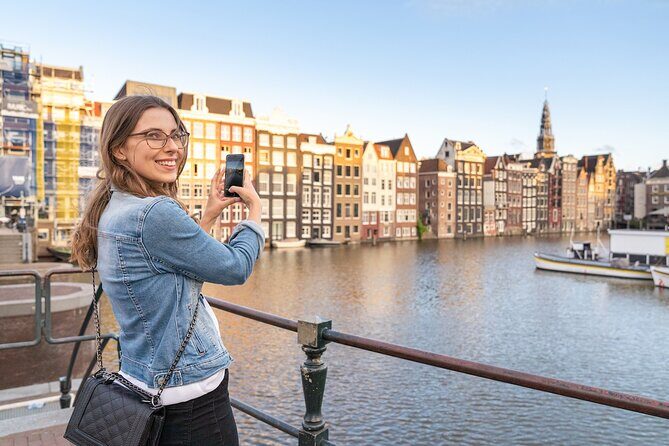
At Amsterdam Centraal, you’ll get a classic photo moment—one of the most picturesque spots in the city. But the tour doesn’t let you stop at the postcard level. You’ll take a critical perspective on the Red Light District and learn about the dark sides of sex work and Amsterdam’s special situation.
That word special is doing a lot of work. The tour doesn’t present Amsterdam as either a saint or a sinner. It frames the district as something managed inside a unique system, which means you get complexity instead of easy slogans. You should come away thinking more carefully about harm, regulation, and what a city chooses to tolerate—or structure—rather than just what it advertises.
If you like your sightseeing with a moral backbone, you’ll appreciate this part. If you’d rather keep everything comfortable, bring a little tolerance for uncomfortable context.
Chinatown at the city’s edge: culture, time, and how Amsterdam keeps stacking identities
Then you shift away from the heaviest topic for a moment by heading into Chinatown. This area is described as the oldest Chinatown of Europe, which gives you a useful anchor: you’re not just walking through themed streets. You’re moving through an established community layer inside Amsterdam.
This stop adds balance. After walking through high-stakes policy questions, you get something lighter but still meaningful: multicultural presence, language, and identity in street form. It also helps you understand Amsterdam as a place where neighborhoods layer over time—rather than being one big uniform theme park.
If you’re traveling with people who want different vibes, Chinatown helps. Someone can enjoy the sights and snacks while you keep tracking the guide’s broader story about what makes the city tick.
You can also read our reviews of more private tours in Amsterdam




Jolly Joker and the coffee-shop political story: history with a current-events edge
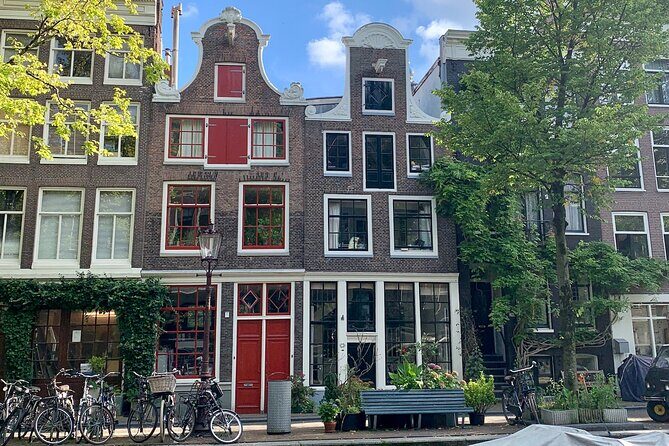
Jolly Joker is next, and it’s a strong pivot. Here you’ll learn the history and politics of coffee shops in Amsterdam. The focus is on how that culture evolved and, importantly, how to take a critical perspective on mass tourism in Amsterdam.
This matters because coffee shops are one of those topics that can get reduced to stereotypes. The tour instead treats the phenomenon as a social system with rules, debate, and consequences. You’ll likely leave with better instincts for what you’re seeing—and why Amsterdam’s rules are written the way they are.
For practical value, I recommend using this section to ask yourself what you actually want from coffee-shop culture. Is it a tradition you want to observe respectfully, or is it just another checkbox? The tour nudges you to think about that distinction, which makes your later choices feel less impulsive and more intentional.
Nieuwmarkt and de Waag: history, insider tips, and a ’70s peep show look
Your final main segment is around Nieuwmarkt, including de Waag. You’ll get a look at one of Amsterdam’s most historical and important buildings, de Waag, and you’ll hear insider information and personal tips from your guide to make the most of the Red Light District experience after the tour.
Then there’s the part that stands out: you’ll visit a ’70s peep show. That’s not included as a random add-on. It’s presented as a way to understand how the district has been packaged and experienced over time.
A quick mind-set note: if you’re uncomfortable with sex-related venues, this stop will feel intense. But the tour frames it as part of the district’s broader story rather than a gimmick. You’ll also get time afterward to enjoy the area at your own pace.
I like that the ending point is the Restaurant-Café In de Waag on Nieuwmarkt 4, which puts you somewhere you can realistically continue exploring without feeling stranded.
Price and what you’re actually buying with a $264.35 private group tour
The price is listed as $264.35 per group (up to 4), for about 2 hours. That’s not “cheap,” but for a private walk it’s also not outrageous—especially if your group includes someone who likes structured explanations. You’re paying for guidance, pacing, and the ability to ask specific questions about sex work legality, regulation, and costs.
Also, the stops are marked with free admission tickets. That means you’re not stacking entry fees on top of the tour price. In addition, there’s a 1.50€ tourist tax included, so you’re not hit with surprise city fees at the last second.
Value-wise, this works best if you want more than wandering. If you’re comfortable reading and researching on your own, you might not need a guide. But if you’d rather have a person answer the tricky questions while you stand in the exact places the answers refer to, a private tour is the efficient way to do it.
One more practical angle: the tour is booked on average 53 days in advance. That’s often a sign it’s popular for people who want a timed private slot, not just a casual add-to-the-day plan.
Timing matters: choose later if you want more to see
One useful lesson from real-world experience is that timing changes what you notice. If you go early (the tour can run in the late day window), you may get less street energy. If your goal is to see more of the district’s activity level, going later can help. The tour format still works either way, but your eyes will catch different things depending on daylight and foot traffic.
Who this tour suits best (and who might want a different option)
This tour fits you if you want Amsterdam context with honest street-level questions. It’s especially good for:
- couples or small groups who want privacy and Q&A time
- travelers who prefer interpretation over guesswork
- people who want a balanced view—history, policy, and human reality
It might feel less suitable if you want:
- a mostly photo-focused Red Light District walk with minimal discussion
- a purely light entertainment experience without policy or ethics talk
- a tour with lots of long museum time (this is built as a short, guided route with quick stops)
Should you book Amsterdam: Red Light District & City Tour (Private tour)?
Yes, I’d book it if you want a smarter way to see this part of Amsterdam. The big win is the structure: you start with major city landmarks, then you move through church and neighborhood context, and you finish with street-side details and a small history-driven peek show experience.
I’d think twice only if you’re hoping for a carefree party vibe or you strongly dislike sex-related venues and discussion. But if you can handle real talk and want to leave with clear answers instead of impressions, this private format is a solid value—and a rare one that pairs famous sights with the questions most people tiptoe around.
FAQ
How long is the Amsterdam Red Light District & City Tour?
The tour lasts about 2 hours.
Is this tour private?
Yes. It’s a private tour/activity, and only your group participates.
What languages is the tour offered in?
The tour is offered in English.
What does the tour price include?
The price includes a 1.50€ tourist tax. It also uses a mobile ticket.
Where does the tour start and end?
It starts at National Monument, Dam, 1012 JS Amsterdam, and ends at Restaurant-Café In de Waag, Nieuwmarkt 4, 1012 CR Amsterdam.
Are admissions included for the stops?
The listed stops have admission tickets marked as free, and the tour itself is set up to visit these points along the route.