REVIEW · AMSTERDAM
Amsterdam: Red Light District and Coffeeshop tour
Book on GetYourGuide →Operated by Your Amsterdam's Red Light District guide · Bookable on GetYourGuide
Amsterdam’s lights have a story. This Red Light District walking tour turns a quick look at neon windows into a guided, street-level lesson on how the area grew, how it’s regulated, and why it still feels so different from the rest of the city. You’ll also pass historic buildings and monuments, plus canals and classic wooden houses that make the neighborhood more than just nightlife.
I especially like the way the tour connects prostitution history and street culture to the practical reality of Amsterdam’s rules. The stop mix around coffeeshop culture and well-known spots like Bulldogg helps you understand the laws and what they mean on the street, not just in theory.
One thing to consider: this is an adult neighborhood, and you’ll see sex-related storefronts and hear discussions about prostitution and drug policies. If you prefer a purely family-friendly Amsterdam walk, you might want a different tour.
In This Review
- Key takeaways before you go
- Walking the Red Light District with real-world context
- What you’ll see: red windows, canals, and the oldest-building feel
- Amsterdam rules on red windows and drugs, explained in plain language
- Chinatown on Zeedijk Street and older pubs with a new lens
- Coffeeshop culture stops: Bulldogg, smartshops, and the “street rules” vibe
- Condomerie and sex-shop storefronts: useful context, not just shock value
- The route flow: how a 2-hour walk stays organized
- Price and value: $40 for guided street context
- Who should book this Red Light District and coffeeshop tour
- Should you book it?
- FAQ
- How long is the Amsterdam Red Light District and coffeeshop tour?
- What’s included in the tour price?
- Is food or drinks included?
- What language is the tour guide?
- Where does the tour start and end?
- What is the cancellation policy?
Key takeaways before you go
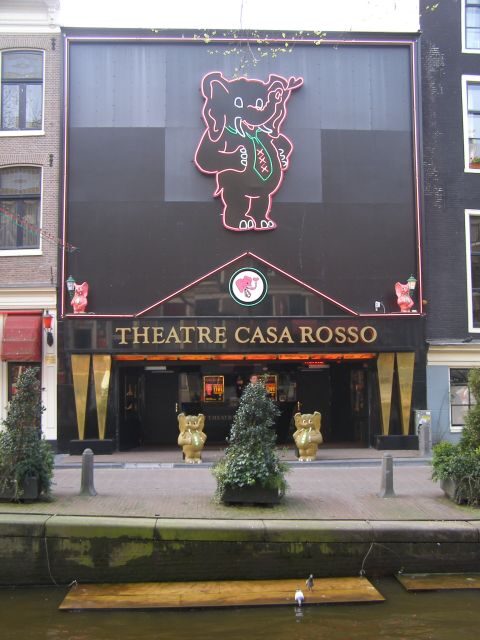
- Guides explain the rules, not just the scenery. You’ll hear about laws and policies tied to the red windows and marijuana culture.
- A clear history thread through the streets. The tour ties the neighborhood’s past to what you see today.
- You’ll hit more than the red windows. Expect historic sights, canals, and wooden houses along the route.
- Chinatown stop on Zeedijk Street. You’ll see the area’s older pub scene and learn about its history.
- Coffee shop culture sights, including Bulldogg. You’ll also encounter references to smartshops and sexshops as part of the story.
- The guide matters. The guide Aarre is singled out for being friendly, engaging, and good at answering questions.
Walking the Red Light District with real-world context
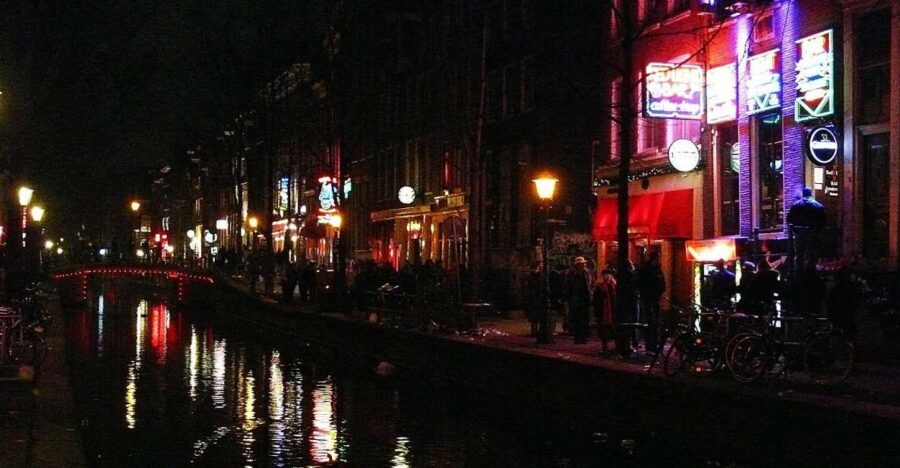
The Red Light District can feel like two things at once: shocking on the surface, and strangely organized once you know what to look for. A good tour is what turns that mix into something you can actually process without getting lost in the noise.
This one is built around a simple idea: you’ll walk, you’ll look, and your guide will connect the visuals to local culture and history. That makes it useful even if you’ve seen photos, because the tour focuses on how Amsterdam developed its reputation for progressive attitudes toward prostitution, marijuana, and drug policy.
I also like that the tour stays on the ground level. You’re not just standing in one spot for sensational views. You move through the neighborhood and pick up context as you go, which helps you understand why the district looks the way it does.
You can also read our reviews of more tours and experiences in Amsterdam.
What you’ll see: red windows, canals, and the oldest-building feel
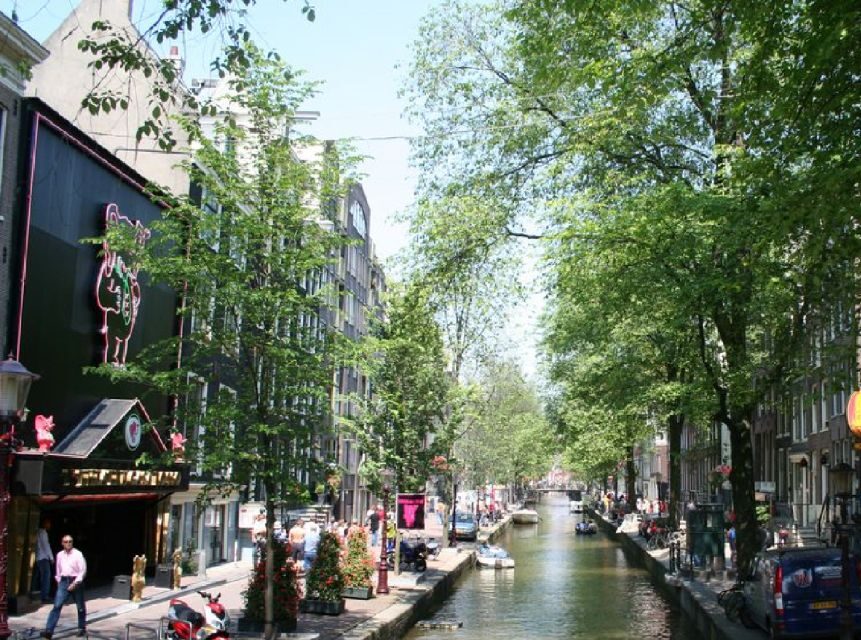
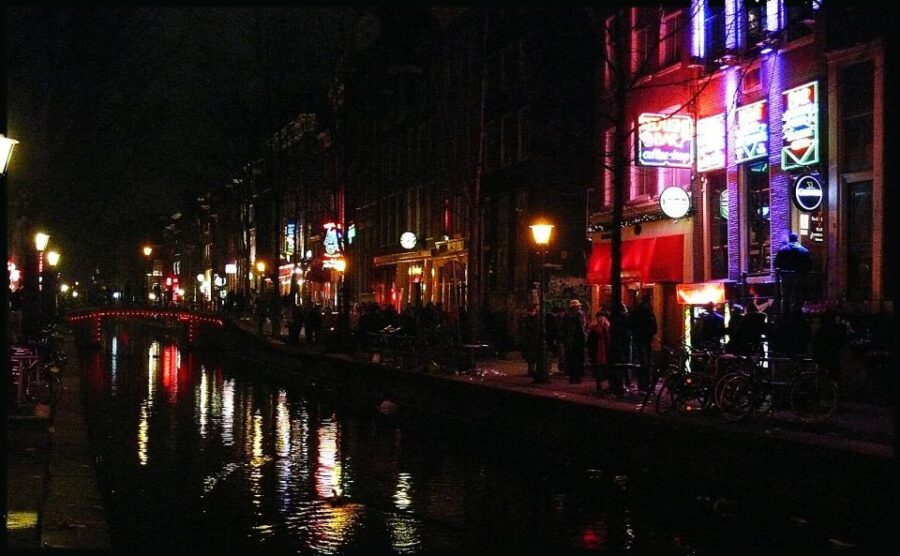
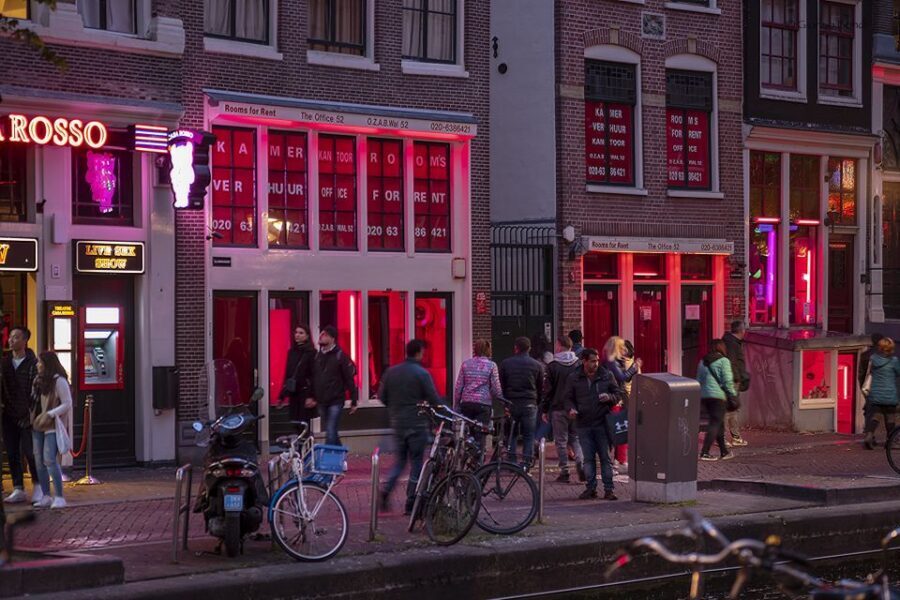
You’ll spend your time walking through streets known for the red-lit windows, plus the surrounding nightlife spots like bars and nightclubs. You’ll hear about the culture of the area and how prostitution fits into the neighborhood’s long timeline.
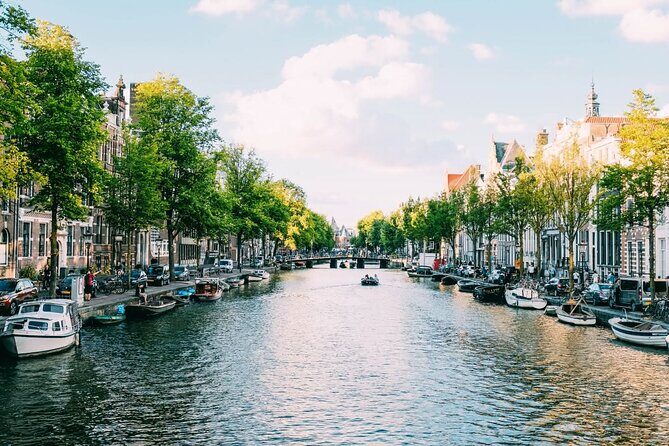
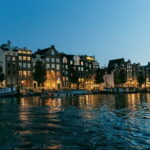
The tour also helps you notice the parts many people miss. Amsterdam’s layout shows up here: canals nearby, historic structures, and those narrow, old wooden houses that make the district feel older than the modern reputation. It’s a reminder that this is also one of the oldest parts of the city.
A standout detail is the inclusion of a local sense of scale. You’ll pass by notable sights like the oldest building in Amsterdam, and you’ll get a clearer sense of how old infrastructure sits next to adult nightlife.
That’s where a guide really earns their pay. Instead of treating the district like a single attraction, the tour helps you read it as a layered neighborhood with rules, history, and everyday street life.
Amsterdam rules on red windows and drugs, explained in plain language
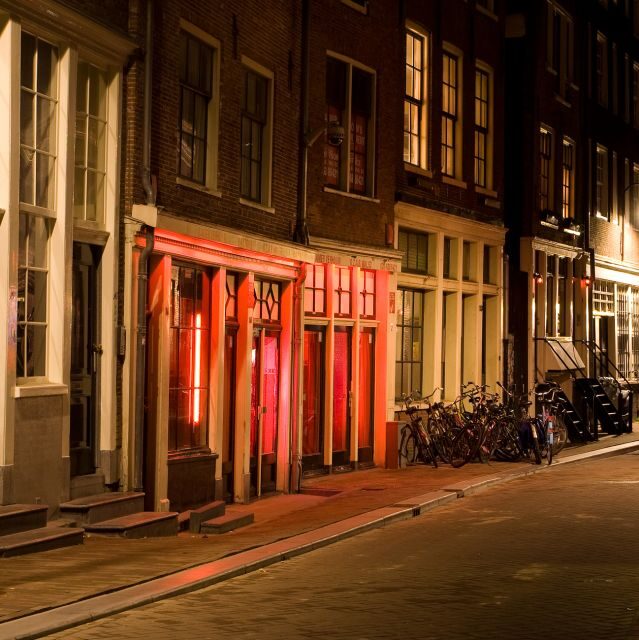
This tour doesn’t pretend the neighborhood is simple. It does something more helpful: it explains the laws and policies surrounding the red windows and marijuana culture, so you’re not left guessing.
For you, the value is clarity. Drug policy and prostitution policy are often misunderstood when people only hear headlines. With a guide on your side, you can connect what you see on the street to how Amsterdam regulates behavior in this area.
You’ll also learn about coffeeshop laws and regulations, including the production process in the broader sense of how the system is supposed to work. The goal isn’t to turn you into an expert, but to give you enough context to understand why Amsterdam’s coffeeshops operate the way they do.
And in the best moments, the tour humanizes the profession without turning it into a tabloid moment. The tone is reported as respectful and grounded, which matters when a topic is sensitive.
Chinatown on Zeedijk Street and older pubs with a new lens
A lot of people only think of Amsterdam as one culture. This tour nudges you to notice the city’s mix, especially with the Chinatown stop.
You’ll visit Chinatown located on Zeedijk Street, and the guide shares the history of that area. You’ll also see some of the oldest pubs in the city in this part of town, which gives you a contrast to the Red Light District vibe you’ve been walking through.
For me, this stop is about balance. It prevents the tour from becoming only one kind of Amsterdam. Chinatown brings a different rhythm—more layered, older, and less about nightlife spectacle.
If you like cities where different cultures sit close together, you’ll appreciate this pivot. You’re still in the same walk, but you’re seeing how Amsterdam’s neighborhoods overlap instead of separating into neat boxes.
Coffeeshop culture stops: Bulldogg, smartshops, and the “street rules” vibe
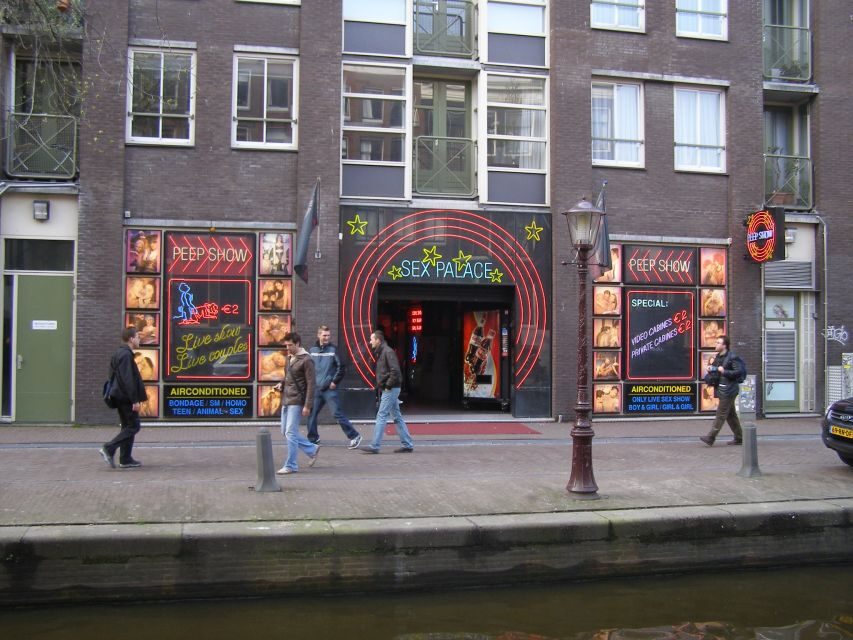
The tour includes a look at Amsterdam’s coffeeshop culture through well-known sights. You’ll see references and stops such as Bulldogg, plus other related shops you’ll recognize from the area.
You’ll also learn about how coffeeshop rules show up in everyday life. That matters because the coffeeshop reputation can be confusing abroad. A guide helps you understand the difference between what’s widely talked about and what local rules are actually trying to manage.
The tour also points you toward places like smartshops and sexshops. These don’t just function as landmarks; they show how the neighborhood’s businesses evolved around tourism, regulation, and adult-themed commerce.
And yes, you’ll notice the narrow streets and tight urban design. Amsterdam’s building style makes everything feel close, which can make the area seem louder than it is. Having a route and commentary helps you navigate that quickly.

Condomerie and sex-shop storefronts: useful context, not just shock value
One of the specific stops mentioned is the Condomerie, along with sexshops and smartshops. These storefronts can feel like pure shock factor if you’re unprepared, but the tour uses them as part of the bigger story.
The best way to think about it: these shops are indicators of how Amsterdam treats adult industry as a visible, managed part of city life. Your guide’s job is to explain the why behind the what.
You’ll also learn about the district’s current situation and how it’s being handled now. That gives you a sense of ongoing change rather than a frozen, postcard idea of the Red Light District.
If you’re hoping to reduce the awkwardness, go with the attitude of learning how a city regulates a difficult subject. That mindset turns the storefronts into information sources instead of just spectacle.
The route flow: how a 2-hour walk stays organized
This is a 2-hour walking tour, so it moves. That’s the point: you’ll cover enough ground to see the Red Light District identity, the coffeeshop culture context, and the Chinatown stop without ending up exhausted or mentally overloaded.
Because the meeting point can vary depending on the option booked, you’ll want to arrive early enough to find your group and get oriented. You’ll also end back at the starting area, which makes logistics simple.
Groups are walking-based, so you’ll be on your feet for the full time. What helps is that the guide keeps the story moving as you walk, so you aren’t standing around waiting for the next landmark.
Also, note that food and drinks aren’t included. If you’re planning this as part of a longer day, it’s smart to eat beforehand. The tour focuses on streets, sights, and explanations, not breaks.
Price and value: $40 for guided street context
At $40 per person for about two hours, the value comes from the guide’s interpretation. This isn’t just a stroll where you figure everything out through your own internet research.
You get a professional guide plus a local guide, and the tour is live in English. That combination matters because the district’s rules and history are the hard part to understand. The streets are easy to see. The context is what makes the experience worth your time.
You also get a structured focus: red windows, drug policy context, coffeeshop culture references, and the Chinatown stop on Zeedijk Street. For a short, efficient visit to Amsterdam, that’s a lot of meaningful coverage.
If you’re the type who likes asking questions, you’ll likely appreciate the guide format. The guide Aarre is described as friendly, knowledgeable, and engaging, with good energy for answering group questions.
So the price isn’t just for walking. It’s for interpretation, clarity, and staying grounded in what Amsterdam is doing—socially and legally—in one of its most controversial neighborhoods.
Who should book this Red Light District and coffeeshop tour
This tour fits you best if you want real context more than surface sightseeing. If you’re curious about how Amsterdam handles sensitive topics through policy and social norms, you’ll get a lot out of the rule-focused storytelling.
It’s also a strong pick if you like street history that includes everyday city details like canals, wooden houses, and older buildings alongside modern nightlife.
That said, keep your expectations realistic. This is an adult neighborhood with adult-themed commerce and discussions. If you get uncomfortable with that kind of content, you may prefer another Amsterdam tour.
Should you book it?
Yes, you should book this Amsterdam Red Light District and coffeeshop culture tour if you want a guided, respectful explanation of what you’re seeing. The tour’s strength is connecting streets to history and policy, especially through a guide like Aarre who’s described as friendly and strong at answering questions.
If you’re looking for an all-ages photo walk, or if you’d rather avoid anything related to prostitution or drug-policy discussion, skip it and choose a different route through the city. But if you’re coming to Amsterdam to understand how it works as well as how it looks, this one gives you a clear, organized way to do that in just two hours.
FAQ
How long is the Amsterdam Red Light District and coffeeshop tour?
The tour lasts 2 hours.
What’s included in the tour price?
It includes a guided tour of the Red Light District with a professional guide and a local guide.
Is food or drinks included?
No, food and drinks are not included.
What language is the tour guide?
The tour is available with a live tour guide in English.
Where does the tour start and end?
The meeting point may vary depending on the option booked, and the tour ends back at the meeting point.
What is the cancellation policy?
You can cancel up to 24 hours in advance for a full refund.