REVIEW · AMSTERDAM
Amsterdam: Private Red Light District Tour in Spanish
Book on GetYourGuide →Operated by Trigger Tours · Bookable on GetYourGuide
Two hours is enough to change your perspective. This private Spanish-speaking walk through Amsterdam’s Red Light District doesn’t just show sights; it explains how the area works, from the street layout to the culture behind it. I really liked the way the route threads through places that feel close together but are totally different in mood, and the fact that you cover some of the city’s tightest, oldest streets with a local guide.
My favorite part was getting the background in plain language, including how the city’s liberal approach ties into the words and rules people keep repeating. The only real drawback is that this tour covers adult topics and sex work-related street life, so it may not be a fit if you prefer a totally kid-friendly walking tour.
In This Review
- Key things you’ll notice on this Red Light District tour
- A Spanish private guide makes the Red Light District feel readable
- Meeting point near Prins Hendrikkade: simple start, good orientation
- Zeedijk Street and Chinatown: where the story starts
- Old Church and the narrowest lanes: where details matter
- Coffeeshops, legalization, and how Amsterdam uses words
- Dam Square wrap-up: Condomerie and Royal Palace for the exit
- Price and value: $94 for a Spanish private guide is reasonable
- Who should book this tour, and who should consider another option
- Should you book Amsterdam: Private Red Light District Tour in Spanish?
- FAQ
- FAQ
- What language is the tour guide?
- How long is the walking tour?
- Is it a private tour?
- What is the meeting point address?
- Where does the tour go during the 2 hours?
- What major sights are included on the route?
- Does the tour cover coffeeshop culture and prostitution legalization?
- Is the tour wheelchair accessible?
- What’s the cancellation policy?
Key things you’ll notice on this Red Light District tour
- Spanish-speaking guide so the context lands without translation stress
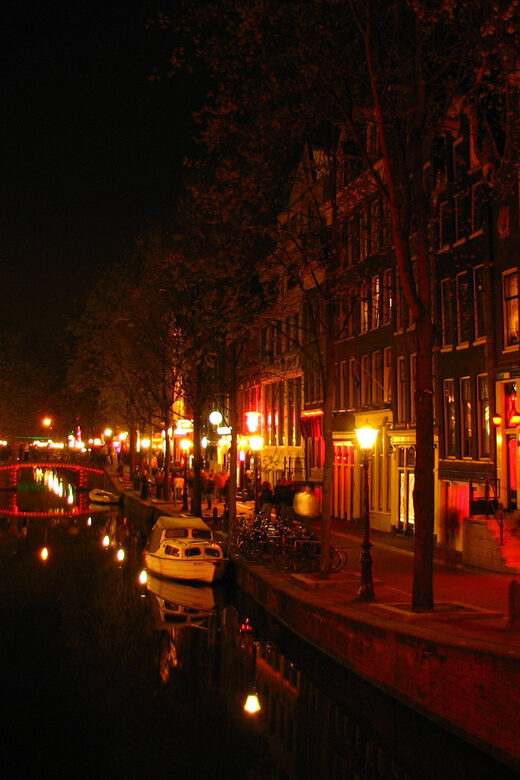
- Zeedijk Street + Chinatown mix, including landmarks like the Waag and a Buddhist Temple
- Old Church area with some of Amsterdam’s tightest lanes and major historic landmarks
- A local explanation of coffeeshop culture and why the name came to be
- Stops near Dam Square, with photos waiting at the Condomerie and Royal Palace area
A Spanish private guide makes the Red Light District feel readable
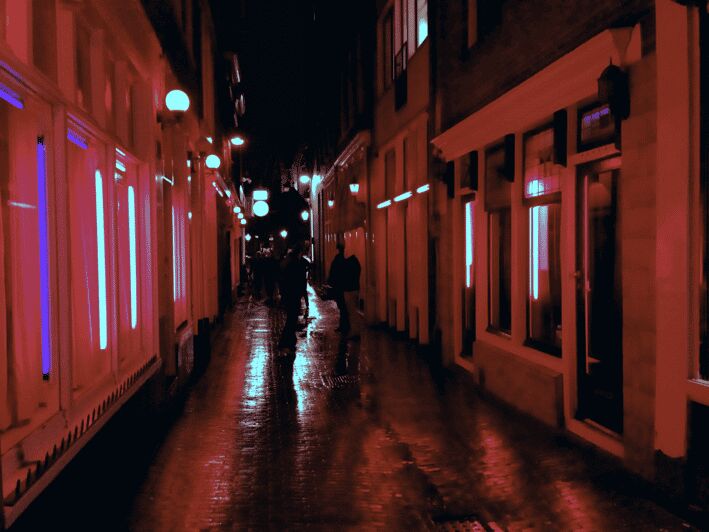
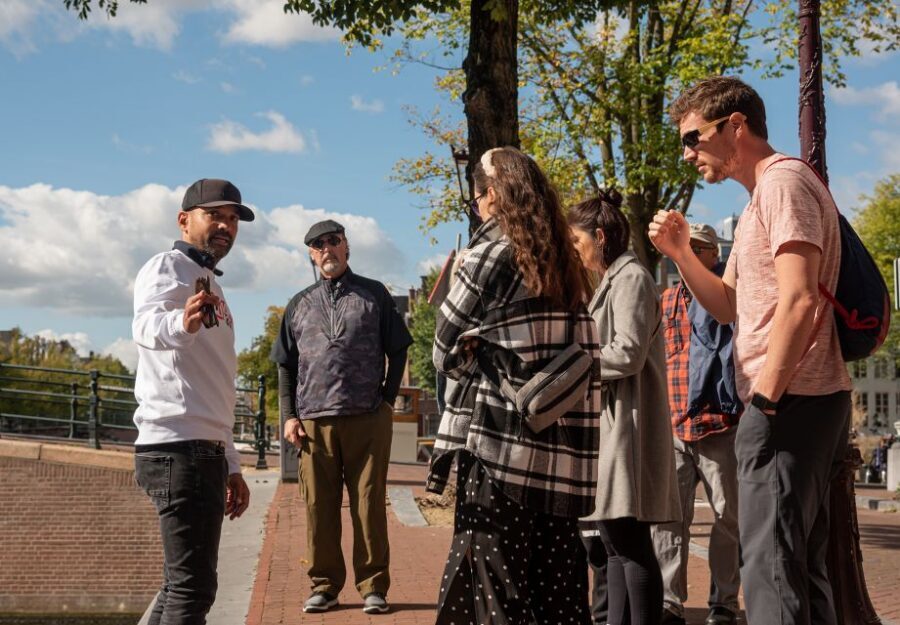
This is a private 2-hour walking tour in Spanish, built around learning how Amsterdam sees itself. You’re not just passively walking a loop. You’re given a local perspective on the Red Light District, plus Old Town context, so the streets start to make sense instead of feeling random.
If you’re Spanish-speaking, the value jumps. You can ask questions as you go, and you don’t have to guess what you’re seeing. One guide named Maurizio is specifically described as well prepared and very kind, which matches the whole point of a guided experience like this: clarity over awkward guessing.
You can also read our reviews of more private tours in Amsterdam
Meeting point near Prins Hendrikkade: simple start, good orientation
You meet the guide in front of the entrance of the Barbizon Palace Hotel NH collection, at Prins Hendrikkade 59 (1012 AD Amsterdam). For me, this kind of start is practical because it gives you one clear place to stand and wait, and it puts you close enough to begin moving right away.
The tour is designed to be 2 hours of steady walking, not a long “hover and stare” experience. That matters here because the area is easy to get turned around in on your own. With a guide, you get a route that takes you from one zone to the next without wasting time.
Also, the activity is listed as wheelchair accessible, which is a good check if you need that flexibility.
Zeedijk Street and Chinatown: where the story starts
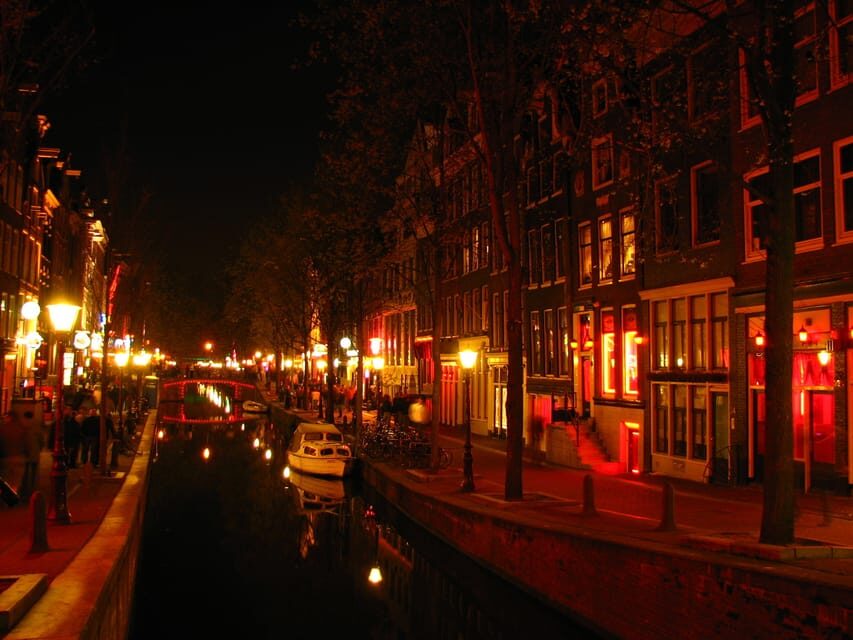
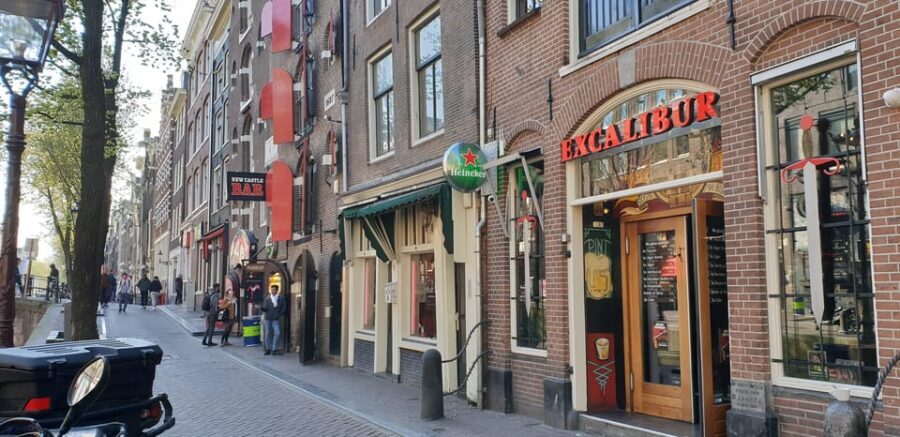
The first part moves through Zeedijk Street, an old sailor’s neighborhood. This is a smart opener because it sets the tone with a place that used to be a no-go zone and has changed into a safer, more friendly part of the city. The guide frames what you see, so you’re not just reacting to the street scene—you’re understanding how the area evolved.
From there, you head toward Amsterdam’s Chinatown. This is one of the reasons I like this tour format. It keeps you from thinking the Red Light District is only one type of street. Instead, you get a layered city moment: different communities, different businesses, and different architecture squeezed into nearby blocks.
Along this early stretch, you’ll encounter specific landmarks, including:
- A Buddhist Temple
- A famous pub called The Ape
- The Waag
Each stop helps you anchor the walk. You’re not only focused on the sex work angle; you’re reminded that the district sits inside a real neighborhood with real institutions and everyday activity.
Old Church and the narrowest lanes: where details matter
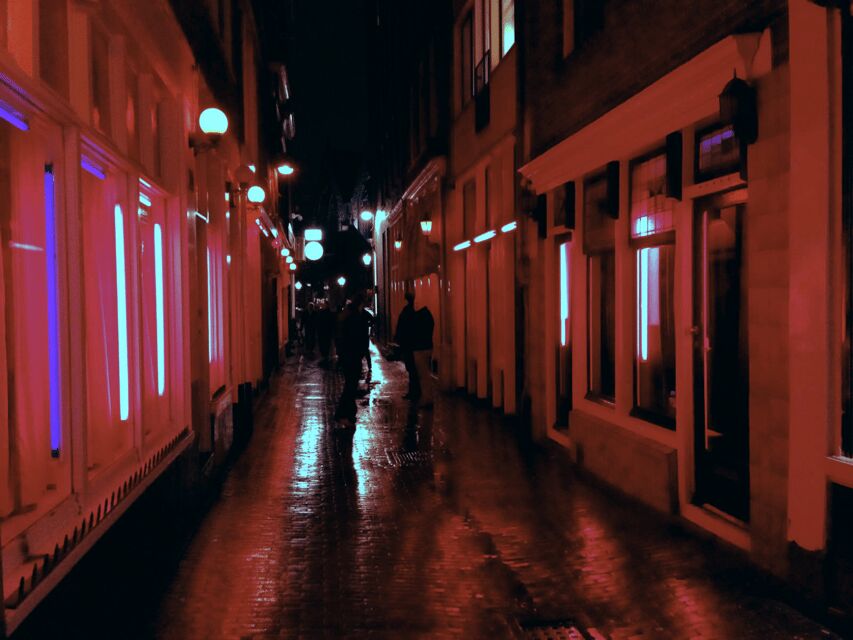
Next, you move toward the Old Church, described as the oldest building in Amsterdam. This is where the walk connects “adult district” to “city history,” which is exactly what you want if you’re trying to understand the place beyond the headlines.
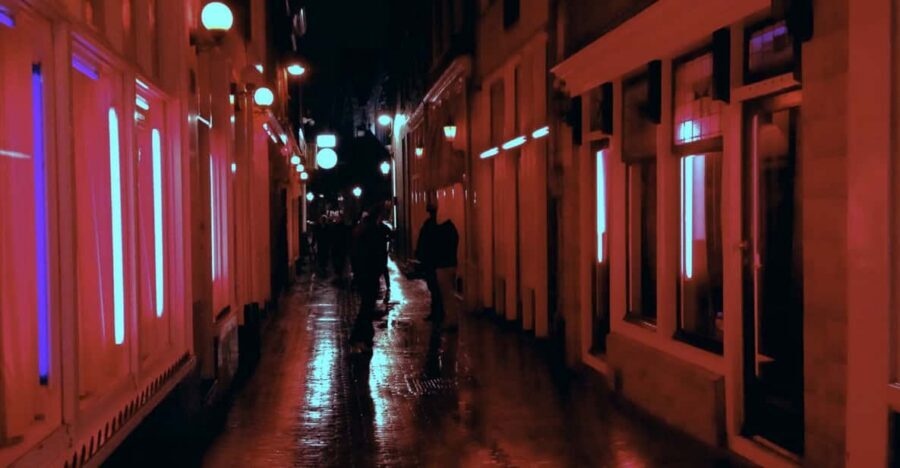
The area around Old Church is also where you’ll see the narrowest street in Amsterdam. Expect tight lines, close walls, and a street geometry that makes you slow down. That’s not a bad thing. It’s part of why a guided walk works here—you’ll hear the explanations while your eyes are naturally looking closer.
On this part of the route, the guide points out several key sights and concepts:
- The city’s first coffeeshop
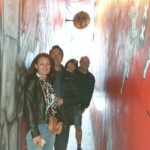
- An indoor prostitute street
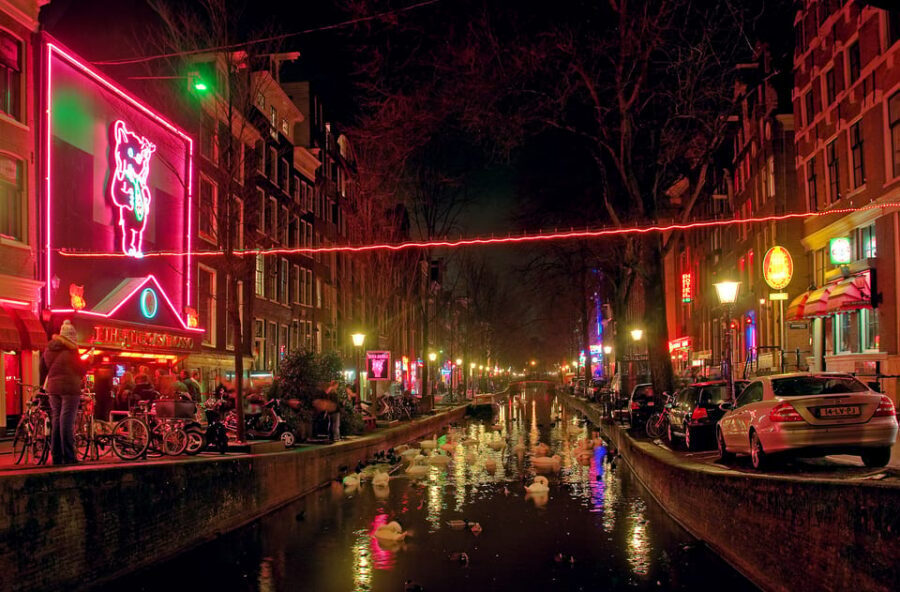
- The famous prostitute streets
- Smart shops along the way
Let me be blunt: this portion is the most sensitive if you’re easily uncomfortable. The good news is the guide is there to put context around what you see. You’re learning about the current situation and how it’s handled locally, rather than being left to interpret things alone.
Coffeeshops, legalization, and how Amsterdam uses words
One of the most useful things you’ll get is explanation, not just sightseeing. The tour includes discussion of Amsterdam’s liberal attitudes toward prostitution and drugs, and it explains why prostitution is legalized in the city.
You’ll also get a specific language lesson: the guide explains how the name coffeeshop was created. That’s a small detail, but it’s the kind of detail that makes your future conversations and street observations click. A lot of confusion comes from assuming the words match what you think they mean.
I like this segment because it turns the walk into a learning experience. You’ll be able to connect what people say online with what you’re actually seeing in the streets—without turning it into judgment or gossip.

Dam Square wrap-up: Condomerie and Royal Palace for the exit
The tour finishes walking toward Dam Square. This is a smart ending point because it’s a public, recognizable area. When the tour ends, you’re not suddenly dropped into another confusing maze—you’re placed near a major Amsterdam landmark zone where it’s easy to keep exploring.
On the way, you pass the Condomerie and you’ll be near the Royal Palace. Those stops are fun because they’re playful, obvious photo points right at the edge of the district’s adult-facing streets. It helps you bookend the experience: learn the context first, then use the city’s big, bright landmarks to reset your mood and energy.
Price and value: $94 for a Spanish private guide is reasonable
At $94 per person for a 2-hour private walking tour, you’re paying for two things: time and translation-free context. This isn’t a low-cost group shuttle. It’s a private, Spanish-guided walk with a local who can direct you and answer questions.
For your money, you get:
- A structured route that includes multiple distinct areas (Zeedijk, Chinatown, Old Church, Dam Square)
- A guide who explains the rules and language tied to what you’re seeing
- A private format that helps you move at a comfortable pace
The value is strongest if you care about understanding the “why” behind Amsterdam’s approach, not just collecting photos. If you’re mainly looking for a quick walk-and-see, you’d probably feel the price more. But if you want clarity and context, the cost starts to feel fair.
Who should book this tour, and who should consider another option
This tour fits best if:
- You want Spanish commentary and the freedom to ask questions
- You’re curious about how Amsterdam balances legality, culture, and tourism in this district
- You enjoy walking old streets and learning what specific landmarks mean
It’s less ideal if you strongly prefer to avoid adult-themed topics. Even with context, the Red Light District is still part of the experience. If that feels like a deal-breaker, you’ll likely enjoy a different Old Town walking tour more.
Also, if you hate time pressure, note the tour is 2 hours. That’s enough time to cover a lot, but it’s still a focused route.
Should you book Amsterdam: Private Red Light District Tour in Spanish?
I’d book this if you want a structured, Spanish-led understanding of Amsterdam’s Red Light District and Old Town overlap. The route covers well-known anchors like Old Church and Dam Square, plus specific stops such as the Waag, The Ape, and the Condomerie, which makes the walk feel grounded in real city geography.
I wouldn’t book it if adult topics make you uneasy in a guided setting. You’ll still be walking through the district and learning about legalization and coffeeshop culture, so this is not a neutral “just for architecture” stroll.
FAQ
FAQ
What language is the tour guide?
The tour is offered with a live guide in Spanish.
How long is the walking tour?
The duration is 2 hours.
Is it a private tour?
Yes. It’s listed as a private group experience.
What is the meeting point address?
Meet the guide at the Barbizon Palace Hotel NH collection entrance, at Prins Hendrikkade 59, 1012 AD Amsterdam.
Where does the tour go during the 2 hours?
You’ll walk through areas including Zeedijk Street and Amsterdam’s Chinatown first, then toward the Old Church area, and finally toward Dam Square where the tour concludes.
What major sights are included on the route?
The tour includes stops/sights such as the Buddhist Temple, the pub called The Ape, the Waag, the Old Church, the narrowest street, the city’s first coffeeshop, an indoor prostitute street, the Condomerie, and the Royal Palace area.
Does the tour cover coffeeshop culture and prostitution legalization?
Yes. The guide covers Amsterdam’s liberal attitudes to prostitution and drugs, why prostitution is legalized, and how the name coffeeshop was created.
Is the tour wheelchair accessible?
The activity is listed as wheelchair accessible.
What’s the cancellation policy?
Free cancellation is offered up to 24 hours in advance for a full refund.