REVIEW · AMSTERDAM
Zaanse Schans windmill tour with Italian guide
Book on Viator →Operated by AmsterdamViaggi · Bookable on Viator
Zaanse Schans is your quick ticket out of the city. This 3.5-hour small-group outing to Europe’s classic windmill village brings the Zaan river era alive with Italian storytelling and hands-on stops. I especially like the mix of cheese tasting plus working crafts like wooden shoes and diamond cutting. The one drawback to consider: the schedule moves briskly, so some sites are short and you may want to linger on your own if you fall in love with a specific workshop.
What makes it work is the structure. You’ll meet up near Prins Hendrikkade, ride out by minibus, then spend the morning bouncing from mills to a spice shop, a cheese farm, and a clog workshop—with explanations in Italian throughout. If you want a slow, wander-at-will day, this isn’t that. If you want a well-timed highlights circuit with great guidance, it is.
In This Review
- Key highlights at a glance
- A 15-Minute Car Ride from Amsterdam into Windmill Country
- The Italian Guide Factor: What You Get Beyond the Sights
- Meeting Point by Prins Hendrikkade and the Minibus Setup
- Stop 1 at Zaanse Schans: Mills, River Views, and 17th-Century Trade Clues
- Specerijenmagazijn Indie’s Welvaren: How Spices Were Moved and Made
- Catharina Hoeve Cheese Farm: Tasting Gouda with Real Context
- Kooijman Clogs Workshop: The Craft Show You Can Actually See
- Pricing and Timing: Is $43.78 a Good Value?
- When This Tour Makes Sense (and When It Might Not)
- Should You Book This Zaanse Schans Windmill Tour?
- FAQ
- How long is the Zaanse Schans windmill tour?
- Where do I meet the tour in Amsterdam?
- Is the tour guided in Italian?
- What’s the group size?
- Is the ticket mobile?
- What happens if the weather is poor or the minimum number of travelers isn’t met?
Key highlights at a glance
- Italian guides with direct explanations that keep the history clear, not lecture-y
- Zaanse Schans by the Zaan river with mills, dairies, and period details you can actually see
- Specerijenmagazijn Indie’s Welvaren spice mill and a focused tech-and-trade stop
- Catharina Hoeve cheese farm tasting built around Gouda and how Dutch water management shaped farmland
- Kooijman clogs workshop show so you see how wooden shoes get made
- Very strong organization: punctual pickup, clean minibus, and smooth timing between stops
A 15-Minute Car Ride from Amsterdam into Windmill Country
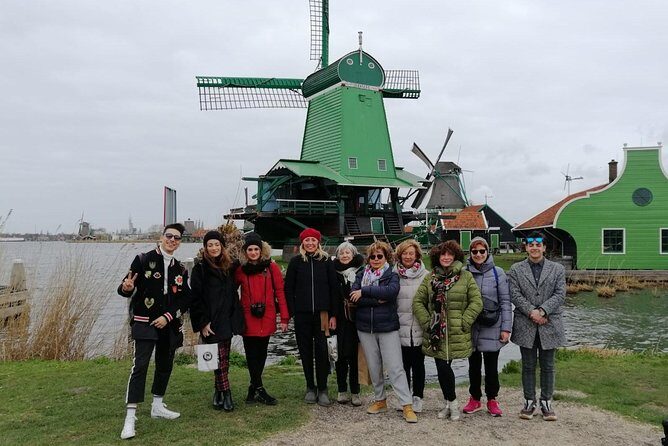
I like day trips that don’t feel like a chore. Zaanse Schans fits that bill because it’s close: it’s described as about 15 minutes by car from Amsterdam, and the tour runs from 10:00 AM to around 1:30 PM. That timing matters. You get the “wake up and get outside” feeling without losing your whole day to transport.
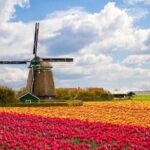
The setting is the real reason to go. Zaanse Schans is often treated like a must-see icon of Holland, and in this case you’re going to one of the best-known windmill villages in Europe, tied to UNESCO heritage. Even if you’ve seen windmills in photos, being there in person is different. The mills sit along the banks of the Zaan river, and you can connect the dots between water, industry, and daily life. It’s not just postcard scenery; it’s built around the way the Dutch managed water and used mills for production.
One practical thing I’d plan for: this is a popular area, so plan to enjoy the experience even if parts of the village feel busy. The tour still gives you a solid path through the core sights, but if you’re the type who hates crowds, choose your expectations accordingly. The goal here is smart coverage, not endless wandering.
You can also read our reviews of more guided tours in Amsterdam


The Italian Guide Factor: What You Get Beyond the Sights
Most tours give you a route. This one gives you a story, in Italian, with a personalized show style. The operator emphasizes mother-tongue Italian operators and explanations at each stop, and the guide variety shows up in the feedback: names like Valerio and Luca appear repeatedly, and others such as Gianni, Antony, and Emanuele show up as well. That’s a good sign—this isn’t random narration. It’s organized guiding.
What I like about an Italian-led format is how it helps you understand what you’re looking at. When you’re standing in front of a spice mill or a cheese farm, you want more than a label. You want the “why.” In this tour, you’ll hear about Dutch social and economic life, 17th-century culture, and how companies tied to the Indies shaped trade. That matters because it turns everyday products—cheese, spices, chocolate-related production, even crafts—into part of a larger Dutch story.
Also, pace is handled well. Multiple comments highlight guides who were prepared, cordial, and able to answer questions without rushing. If you’re traveling with friends or family and someone asks why something works a certain way, you’ll get real answers instead of a quick pass.
The possible downside is language comfort. If you don’t understand Italian, you might miss parts of the explanation. The good news: the activities themselves—watching, tasting, and seeing crafts—still do a lot of the work. But the intellectual payoff is clearly designed around Italian commentary.
Meeting Point by Prins Hendrikkade and the Minibus Setup
Logistics can ruin a trip, or they can quietly save it. This tour’s starting point is the Grand Hotel Amrâth Amsterdam, Prins Hendrikkade 108 (1011 AK). It’s also described as near public transportation, and that’s useful if you want an easy approach before the pickup.
The experience uses a minibus, and the feedback repeatedly points out a clean, comfortable ride and smooth transfers. That’s not just comfort trivia. When you’re going to a place 15 minutes out, you want the ride to be reliable and the return to be painless, so you can enjoy the village instead of thinking about schedules and parking.
Group size is capped at 50 travelers. That number matters because it keeps things from turning into a huge mob. You’ll still be in a shared experience, but it’s small enough that a guide can manage the flow between stops.
If you’re the type who likes to arrive early, aim to show up a bit before 10:00 AM. It reduces stress, gives you time to get oriented at the meeting point, and helps the group depart on time.
Stop 1 at Zaanse Schans: Mills, River Views, and 17th-Century Trade Clues
Your first stop is Zaanse Schans itself, framed as one of Holland’s biggest icons. This part is more than a photo stop. You’ll follow an itinerary along the banks of the Zaan river, with dairies, diamond cutters, and clogs included in the general route. The tour also describes the historical angle: 17th-century Dutch history and culture, plus details on social life and economic reality.
Here’s what I find valuable: you start by seeing how everything connects. Windmills are easy to admire, but they also represent production power. Once you’re in place, it makes sense why you’ll later visit specialized workshops—spices, cheese, and crafts. The tour is basically teaching you the operating system of the village.
You’ll also get entry and explanation connected to the spice mill, plus a look at clog making with demonstration. In other words, right away you’re not just looking at buildings—you’re learning how people turned raw materials into everyday goods.
One more detail that helps you understand what you’re seeing: the route ties into the spice routes linked with the Indies and old companies. That’s a big deal because it frames spices as more than flavor. They’re part of exploration, trade networks, and the kind of global connections that changed Dutch prosperity.
The practical drawback in this first stretch is time. Some stops are around 15 to 30 minutes, and that means you’ll get a taste of each place rather than a long, slow deep visit. If you love one specific craft, consider planning extra time on your own after the tour (if you’re staying nearby).
Specerijenmagazijn Indie’s Welvaren: How Spices Were Moved and Made

Next up is the spice mill stop: Specerijenmagazijn Indie’s Welvaren. This is one of the more focused stops on the program—about 15 minutes—and it’s specifically tied to the mill of spices, history, and demonstrations of the technologies of the time.
This part matters because spices are a perfect match for windmill-village storytelling. Windmills weren’t just for grinding grain. They powered a range of production needs, and in a place like Zaanse Schans, spices become a window into technology, labor, and global trade.
The description also references the Indies and their expeditions, and that’s the kind of context that turns a museum-style display into something more meaningful. You’ll understand where the goods came from and why Dutch trade was so tightly connected to European demand.
If you’re a foodie, you’ll likely enjoy this more than you expect. If you’re not, the explanation still helps you connect the dots between the mills you see outside and the process happening inside.
Also note: the spice mill stop is labeled as having the admission ticket included. That’s nice because it prevents “surprise extra costs” for one of the top attractions.

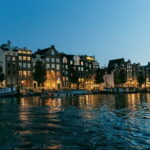
Catharina Hoeve Cheese Farm: Tasting Gouda with Real Context
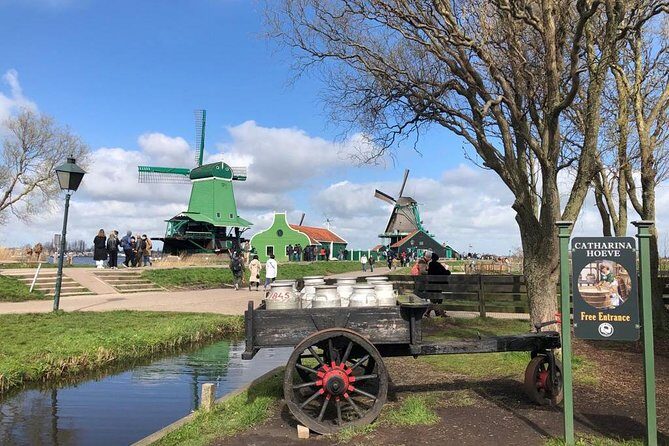
Then you shift from spices to dairy at Catharina Hoeve Cheese Farm, another short stop about 15 minutes. The emphasis here is on typical Dutch dairy and Gouda tasting in its different fragrances.
Cheese tasting sounds simple, but it’s a great way to make the entire experience more memorable. Instead of only learning facts, you’re also using your senses. You’ll smell and taste what you’re learning about, and that sticks.
This stop also brings in an important Dutch theme: land reclamation, the birth of polders, and the unique irrigation system in the world. Even if you’re not a water-management nerd, this is a key concept for the Netherlands. You can’t understand Dutch agriculture without understanding how they made land workable.
So the cheese farm isn’t just “eat cheese and move on.” It’s a chance to connect the windmills and waterways to food production. That’s why it works well in a single tour: you’re learning a system, not collecting unrelated facts.
The one thing to watch: because the tasting window is short, your best move is to pay attention while you’re there. Don’t spend the whole 15 minutes distracted. Ask the guide what makes Gouda differ, then taste with intent.
Kooijman Clogs Workshop: The Craft Show You Can Actually See
You finish the main craft-heavy segment at Kooijman Souvenirs & Clogs Wooden Shoe Workshop, again around 15 minutes. This is where the Dutch wooden shoe (clog) becomes more than a souvenir.
The description points to an included show in Italian, focused on how clogs are produced, and it also frames this as an ancient clog carpentry tradition. The payoff here is visual. Watching a craft process is faster than reading about it, and it makes the material and shaping of wood easier to understand.
I especially like clog workshops on tours like this because they’re interactive in the sense that they’re tangible. You can often see tools, materials, and finished products all in one place. Even if the show is short, you walk away with a concrete impression of how the craft works.
Also, the workshop ties back to the Zaanse Schans theme. Windmills, trade, and food matter—but crafts are what you see in everyday life. Clogs are one of the clearest examples of how Dutch production met practical needs.
If you buy something, buy with your future self in mind. A clog as a keepsake is charming, but it’s also bulky. A smaller souvenir or a well-chosen item might be the smarter move depending on your travel style.
Pricing and Timing: Is $43.78 a Good Value?
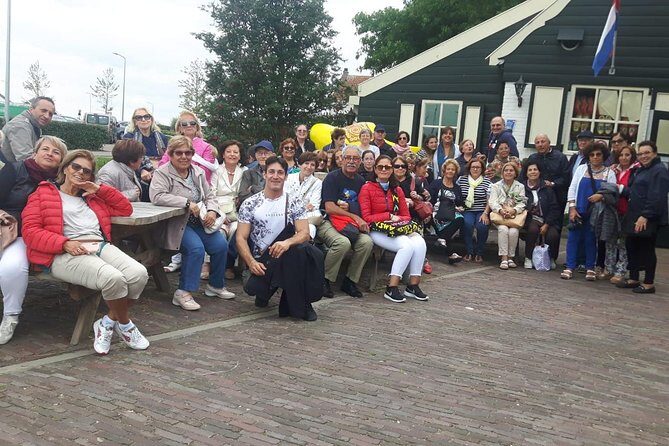
At $43.78 per person, this is priced in the “serious day trip” category, not a budget walking tour. So the value question is fair.
Here’s how I measure it: you’re getting half-day coverage of several major Zaanse Schans anchors—mills, a spice mill stop, a cheese farm tasting, and a clog workshop show—plus a guided narrative in Italian and a minibus transfer. Multiple stops indicate either free entry or at least no added ticket barrier, and the spice mill admission is explicitly included. For many people, that reduces friction and makes the day feel organized.
Time is also part of value. With a start at 10:00 AM and return around 1:30 PM, it’s a clean half-day block. You can keep the rest of your trip flexible for museums, canals, or whatever Amsterdam mood you’re in.
One more value clue: the tour is capped at 50 travelers and is described as well organized. The feedback also highlights punctuality, easy-to-find pickup, and a clean minibus. That’s not glamorous, but it’s exactly what makes a paid tour feel worth it.
Booking timing is also telling. It’s described as being booked on average about 23 days in advance, which suggests demand is steady. If you’re traveling in peak season, don’t wait until the last minute.
When This Tour Makes Sense (and When It Might Not)
I’d steer you toward this tour if you:
- Want a structured half-day trip outside Amsterdam
- Prefer explanations in Italian and like learning while you walk
- Care about local production: cheese, spices, clogs, and even a diamond maker stop in the broader Zaanse Schans flow
- Like the idea of a guided route that covers key sites without you planning every detail
I might hesitate if you:
- Want a long, slow “just wander” day
- Don’t speak Italian and don’t want your experience to depend on visuals and tasting alone
- Are very sensitive to crowds in an iconic tourist village
One extra note: some groups have been offered add-on time in the afternoon, with an example mentioned of a visit that could continue beyond the morning. That’s not guaranteed, but it shows the operator can sometimes think beyond the fixed schedule if logistics allow.
Should You Book This Zaanse Schans Windmill Tour?
If your goal is to get the big hits in a tight time window, I think booking makes sense. The combination of windmill-village atmosphere plus working craft demos and tastings is a good use of your time, especially if you want your Amsterdam trip to include more than just canals and museums.
My decision rule is simple: book it if you want a guided, well-paced sampler with Italian storytelling and real sensory stops (cheese tasting and craft shows). Skip it if you’re chasing pure freedom and plan to spend hours on your own at Zaanse Schans.
FAQ
How long is the Zaanse Schans windmill tour?
It runs for about 3 hours 30 minutes, with hours listed as 10:00 AM to 1:30 PM.
Where do I meet the tour in Amsterdam?
The meeting point is Grand Hotel Amrâth Amsterdam, Prins Hendrikkade 108, 1011 AK Amsterdam. The tour ends back at the meeting point.
Is the tour guided in Italian?
Yes. The tour is described as having explanations and shows in Italian with Italian guides/operators.
What’s the group size?
The tour has a maximum of 50 travelers.
Is the ticket mobile?
Yes, it uses a mobile ticket.
What happens if the weather is poor or the minimum number of travelers isn’t met?
The experience requires good weather. If it’s canceled due to poor weather, you’ll be offered a different date or a full refund. If the minimum number of travelers isn’t met, you’ll also be offered a different date/experience or a full refund.