REVIEW · AMSTERDAM
The Rijksmuseum Tour: Small Guided Group with Museum Entry
Book on GetYourGuide →Operated by SightSeekers · Bookable on GetYourGuide
Art history finally makes sense.
This small-group Rijksmuseum visit is built for people who feel lost in big museums. You get a guided thread through Dutch art and history, so the paintings don’t sit there like random names and dates. I like the history-led way the tour connects what you see to what was happening in the country at the time. One drawback to keep in mind: it’s only 2 hours, so you won’t cover every room in the building.
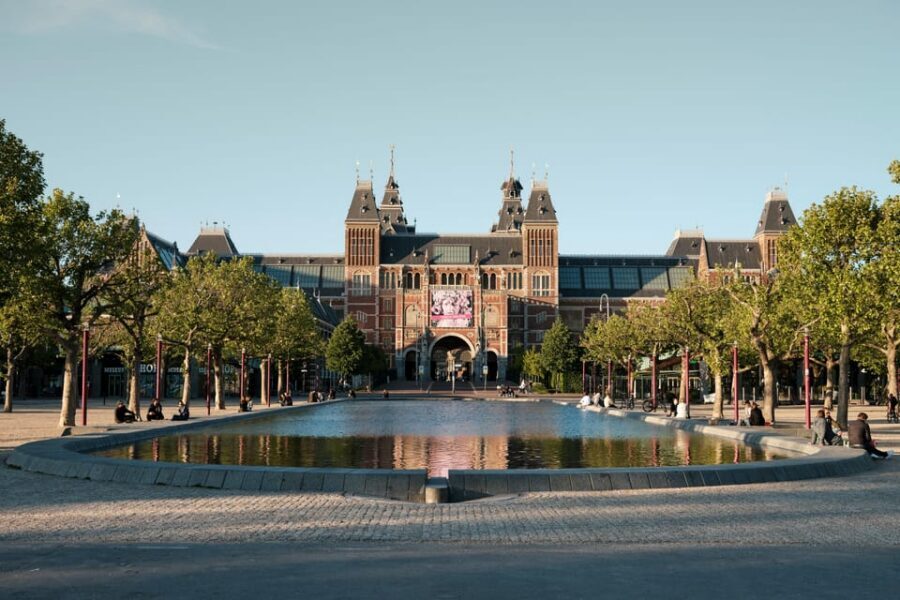
You meet your guide outside the museum at Paulus Potterstraat 1, then walk in together and start in the main areas before moving through the collections. The guide handles your entry ticket, and the group stays small (up to 10), which helps you actually hear the explanations without fighting for attention in a crowd.
In the guide department, the name Tristan comes up as a standout for being friendly and very well-versed, which matters in a place like the Rijksmuseum where you can otherwise miss the point of why these works matter. You’ll also see major stars like Rembrandt and Vermeer, plus other Dutch masters, but the real payoff is learning how their themes connect to bigger European art movements and Dutch society.
In This Review
- Key highlights worth your attention
- Entering the Rijksmuseum with a plan (and a group that stays together)
- Meeting at Paulus Potterstraat 1: the simple start that saves your energy
- The big storyline: medieval turmoil to independence and the golden age
- Dutch masters you’ll see, plus why the guide connects everyday life
- What happens in the lower levels: decline, enlightenment, and another shift in identity
- Small group advantages: hearing the guide and not losing the thread
- Price and value: what you’re really paying for at $63
- Practical tips to get the most out of your 2-hour slot
- Who this Rijksmuseum tour suits best
- Should you book this Rijksmuseum tour?
- FAQ
- How long is the Rijksmuseum tour?
- What language is the guided tour in?
- How many people are in the group?
- Where do I meet the guide?
- Does the tour include museum admission?
- Is transportation included?
- What should I wear?
Key highlights worth your attention
- Small group size (10 max) helps keep the visit conversational instead of rushed.
- Museum entry included means you spend your time looking, not figuring out lines.
- A clear historical storyline runs from medieval turmoil to the Dutch golden age and later decline.
- Dutch masters with context: you see the famous names and also learn why they fit the era.
- Lower-level chapters cover what happens when the golden age slips and newer ideas take hold.
- English live guide keeps the pacing tight and the explanations easy to follow.
Entering the Rijksmuseum with a plan (and a group that stays together)
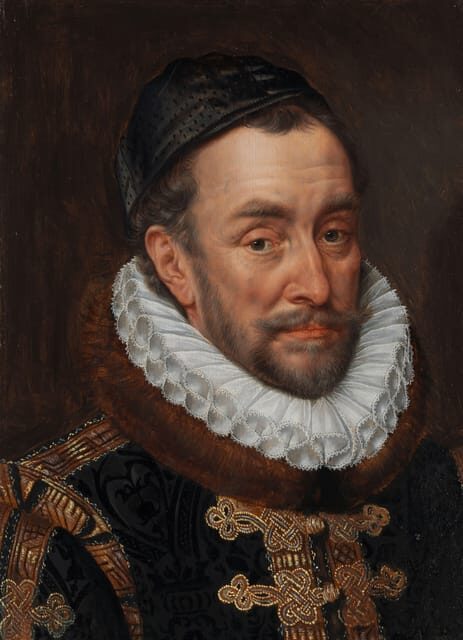
The Rijksmuseum can overwhelm you fast. The building is huge, the collections are deep, and the walls don’t come with a “start here” sign for your brain. This tour is designed for that exact problem: it gives you a path through the museum so you leave with connections, not just a photo roll.
What makes it work is the pacing and the structure. Instead of telling you about dozens of works in isolation, the guide moves you through sections of the museum while continuously tying the art to Dutch history and wider European artistic movements. That’s the difference between admiring paintings and understanding what they’re saying.
Also, the tour doesn’t leave you to hunt for answers on your own. A local professional guide meets you outside the museum and brings you in. For a major museum, “someone else handles the practical start” is more valuable than it sounds, especially if you’re traveling with limited time in Amsterdam.
You’ll want to go in comfortable shoes. This is a walking tour inside a large site, and the explanations happen while you’re moving between collections.
You can also read our reviews of more guided tours in Amsterdam



Meeting at Paulus Potterstraat 1: the simple start that saves your energy
Your meeting point is Paulus Potterstraat 1, next to the museum entrance. That’s a relief because the Rijksmuseum is easy to locate on a map, but getting the “exact spot” right can be annoying in practice. Here, the tour gives you a precise meeting point and keeps the group together from the first minute.
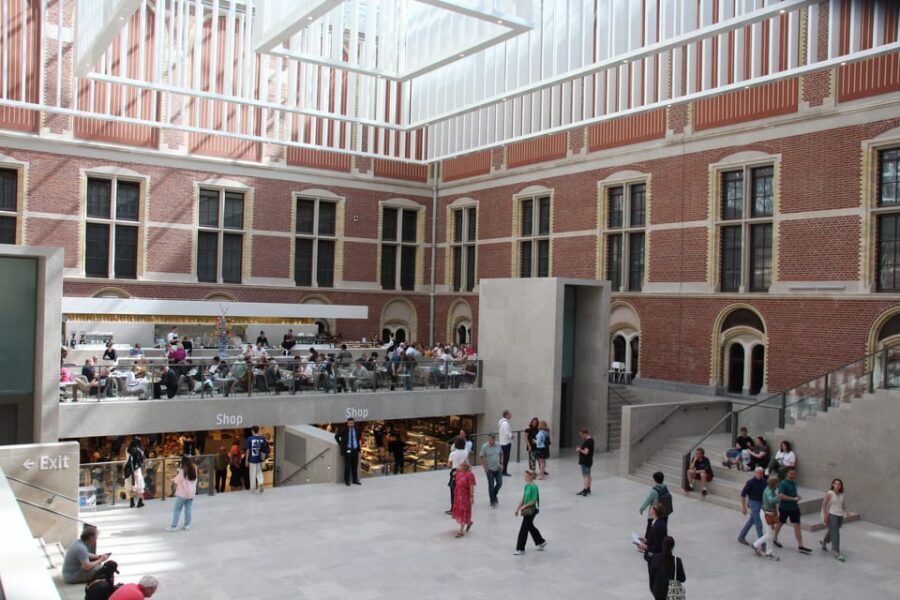
Once you’re inside, the guide begins at the main hall area and then moves steadily through the museum’s different wings and collections. You don’t have to decide what to see next. You can focus on listening, looking, and taking mental notes about themes.
You should also think about timing. The tour runs for about 2 hours, with different starting times depending on availability. That 2-hour window is enough to get a strong overview with context, but it won’t turn you into a Rijksmuseum expert. It will, however, help you make sense of what you’re seeing right away—so if you return later (or spend extra time afterward on your own), you’ll understand more of what you’re looking at.
The big storyline: medieval turmoil to independence and the golden age
The heart of this experience is the historical thread. The guide doesn’t treat Dutch art like an art history trivia game. Instead, the visit connects what’s on the walls to what was happening in the country.
The tour starts by walking through the collections in a way that mirrors major chapters in Dutch history, beginning with medieval turmoil—specifically the period shaped by the black death. That framing changes how you look at early works. You start asking different questions: not only what you see, but why society and culture were taking the shape they did.
Then you move through the rise of Dutch independence and the flowering of the golden age. This is where the tour really earns its keep. The guide helps you understand why certain subjects and styles make sense for that period. In other words, you see the paintings, but you also learn what those choices might have meant to people living in that time.
Even if you arrive knowing almost nothing about European history, the tour is built to be accessible. The goal is simple: you should leave with a more intimate, more connected understanding than you’d get from drifting room to room without guidance.
Dutch masters you’ll see, plus why the guide connects everyday life
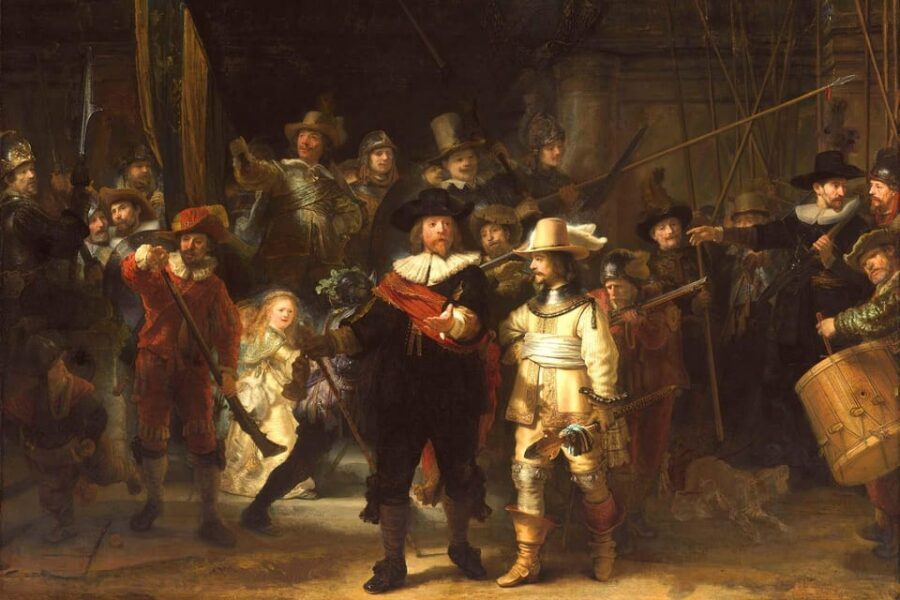
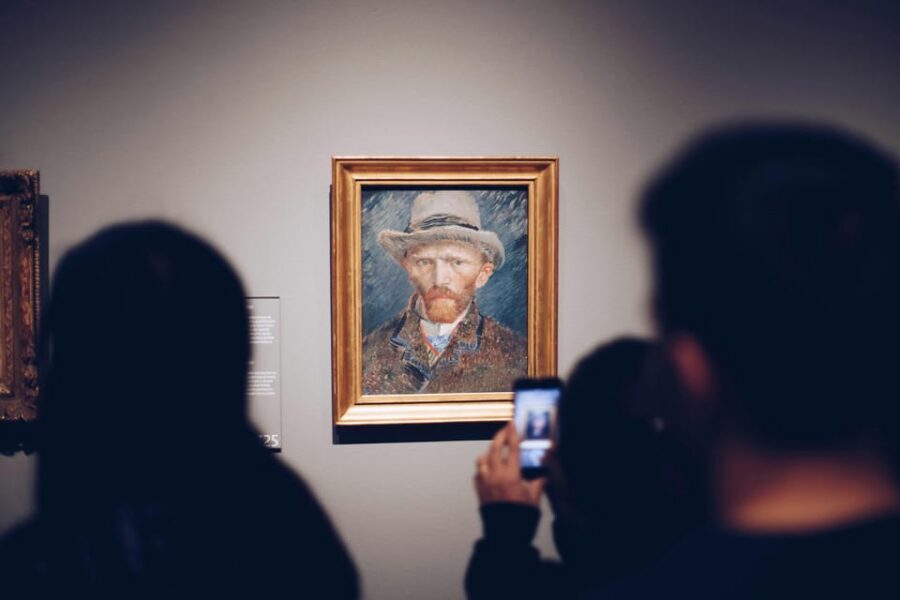
The highlights promise major names—Rembrandt, Vermeer, Van Gogh, and more. Seeing these artists in one museum is a big deal on its own. But the difference here is the “why” behind the selection and presentation.
The tour explains bigger artistic movements across Europe, then ties those movements back to Dutch society. That matters because Dutch art is often discussed as part of European currents, not as something floating alone. You’ll get help linking the works to the larger story: how styles spread, how taste changes, and how cultural identity affects what gets painted.
Another theme you’ll come across is the popularity of still lifes and the decision to paint everyday people. That can feel surprising if you expect only grand religious or mythological scenes. The guide’s historical framing makes it click: when a society changes and expands its civic identity, art often reflects that shift in subject matter and focus.
One practical advantage: in a museum as vast as this, it’s easy to focus on what looks impressive first. This tour nudges you to focus on what’s meaningful in context. You don’t just leave thinking that the paintings are beautiful—you leave thinking about what kind of society could produce that kind of art.
What happens in the lower levels: decline, enlightenment, and another shift in identity
The tour doesn’t end at the peak. Near the end, you move to the lower levels for the later chapters: the golden age’s decline, the rise of enlightenment ideas, and another turn in Dutch independence.
This part matters because a lot of museum experiences stop after the “greatest hits.” Here, the guide keeps the story moving. You see art as a record of cultural shifts, not a static showcase.
You’ll also hear how the Dutch Republic’s reputation continued to influence world history beyond its peak. The tour connects that to the present-day impact of the country and its cultural legacy. Even if you don’t memorize details, you’ll feel the shape of the argument: history changes how people live, and that in turn changes what artists make and why audiences care.
If you like your museum visits with a “then what?” ending, this section is a solid reason to book. It gives the trip closure.
You can also read our reviews of more museum experiences in Amsterdam






Small group advantages: hearing the guide and not losing the thread
This is limited to 10 participants. In a museum that gets busy, small-group size is more than a comfort feature. It directly affects what you can absorb.
With a smaller group:
- You’re more likely to stay close enough to the guide to hear explanations clearly.
- You’re less likely to miss key setup information while you’re trying to locate the next landmark in the building.
- The guide can keep walking at a pace that maintains the historical thread.
The tour is also English, and it’s a live walking format—so it works best if you enjoy learning while you move. If you prefer sitting with a brochure in quiet corners, you might wish the tour included more time to stop and stare. But if you’re the type who gets frustrated when museums feel like disconnected rooms, this format helps.
Price and value: what you’re really paying for at $63
At $63 per person, the price is basically buying three things: a local guide, your entry ticket, and a structured guided walking visit for about 2 hours.
The best value here is not just that admission is included. It’s that the guide time helps you use the museum efficiently. When you’re in a huge museum, “efficiency” is more than saving time. It’s saving mental energy. Instead of trying to assemble your own meaning from thousands of objects, you get a storyline and context.
Also, you’re not paying extra for the museum entry separately. That makes budgeting easier, especially if you’re planning multiple Amsterdam activities.
One consideration: transportation is not included. So if you’re coming from outside the city center, you’ll want to factor in getting to the meeting point at Paulus Potterstraat 1 on your own.
Practical tips to get the most out of your 2-hour slot
Here’s how to make the most of a short museum tour like this:
- Wear comfortable walking shoes. This is repeatedly important in a place where you’re moving through large areas.
- Arrive with a little mental openness. The guide connects Dutch art to history and European artistic movements, so don’t expect only an artist-by-artist catalog.
- Bring a photo strategy. Take pics of paintings you want to look at again later, but keep your attention on the guide while you’re walking.
- If you have extra time after the tour, return to the rooms that matched your interests. The tour gives you a starting map for what to re-see.
The tour ends back at the meeting point, so plan your next stop with that in mind. If you jump straight into another long activity, you might feel a little museum overload. A short break first is a good move.
Who this Rijksmuseum tour suits best
This tour is a strong fit if you:
- Feel overwhelmed by big museums and want a simple path
- Want context for Dutch masters rather than a list of paintings
- Prefer small groups and a guide you can actually hear
- Like history that connects to art through real social change
It’s less ideal if you:
- Want to linger for long stretches in front of individual works
- Are looking only for free time inside the museum
- Have no interest in the historical storyline and simply want to wander
Should you book this Rijksmuseum tour?
Book it if you want Dutch art to make sense fast. The structured historical storyline, the small group, and the included museum entry create a visit that’s easier to enjoy and easier to remember. At $63 for about 2 hours, you’re paying for guided context as much as you’re paying for access.
Skip it (or consider adding extra self-guided time) if you know you’ll want to spend a long time studying paintings without moving on. Otherwise, this is a smart way to get oriented in the Rijksmuseum and leave with a clearer picture of how Dutch art connects to Dutch history and the wider European scene.
FAQ
How long is the Rijksmuseum tour?
The tour lasts about 2 hours.
What language is the guided tour in?
The live guide provides the tour in English.
How many people are in the group?
It’s a small group limited to 10 participants.
Where do I meet the guide?
Meet your guide next to the entrance of the museum at Paulus Potterstraat 1.
Does the tour include museum admission?
Yes. Your entry ticket to the Amsterdam Rijksmuseum is included.
Is transportation included?
No. Transportation is not included.
What should I wear?
Wear comfortable walking shoes, since this is a guided walking tour.