REVIEW · AMSTERDAM
The Anne Frank Tour (Jewish Neighborhood & Amsterdam during WWII)
Book on Viator →Operated by Guided Tour Holland · Bookable on Viator
WWII has a way of showing up here.
This Anne Frank neighborhood and WWII walking tour is built around context: where she lived, what surrounded the Secret Annex, and how Amsterdam changed under Nazi occupation. You’ll start at the National Monument and spend about two hours moving through key places that shaped her daily reality, without needing special museum tickets for most stops.
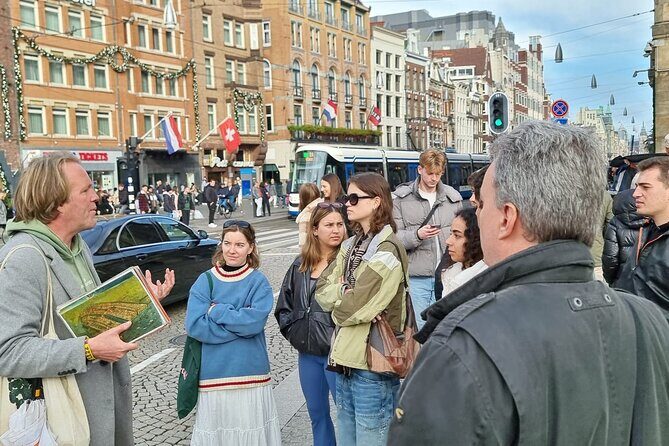
I like the small-group format (max 10 people) because it keeps questions flowing and makes the story feel human, not like a lecture. I also like that the guide tells it in plain English with on-street details you can actually see. You may run into one snag: this is not a guided ticketed visit inside the Anne Frank House, so if you’re dreaming of going in, you’ll need to plan that separately.
There’s one more practical consideration. Tours that focus on history can be emotional, and some parts of the walk refer to violence and persecution, so you may want to think about what your family can handle. Also, this is a tip-based culture at the end, so read the situation with your guide if you prefer to keep things strictly transactional.
In This Review
- Key Things I’d Plan Around
- A WWII Walk Through Amsterdam You Can Do in One Shot
- Anne Frank House Entry: Know What You’re Booking
- Stop 1: The Anne Frank House Exterior and the Hiding Story
- Stop 2: Dam Square and the Aftermath You Can Feel
- Stop 3: Westertoren and the Bells Anne Could Hear
- Stop 4: The Walk Through Anne’s Amsterdam Before and During Hiding
- Guides and Storytelling Style That Make the City Feel Like a Character
- Price and Value: What You Pay For, What You Don’t
- Who Should Book This Tour
- Practical Tips for a Smoother Walk
- Should You Book This Anne Frank Neighborhood and WWII Walk?
- FAQ
- Does this tour include entry to the Anne Frank House?
- Where does the tour start and end?
- How long is the tour?
- What language is the tour in?
- How large is the group?
- Are there admission fees at the stops?
- Is tipping expected or required?
- Are service animals allowed?
- Can I cancel and get a refund?
Key Things I’d Plan Around
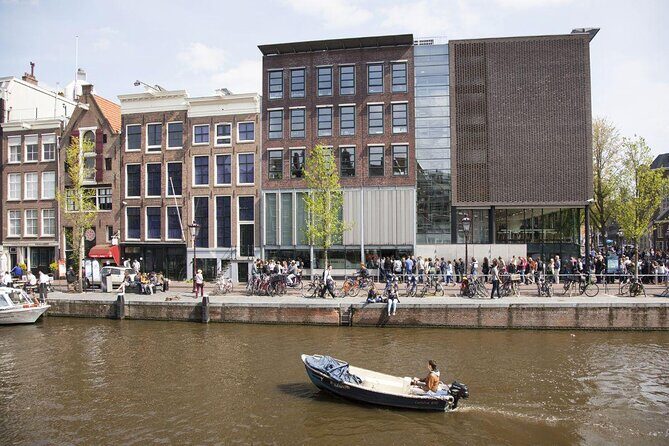
- Small group (10 max) keeps it personal and makes questions easier to ask.
- Outside-only Anne Frank House: you’ll see the area, not enter.
- Dam Square + Westertoren add big-picture WWII context fast.
- A 1-hour walking segment ties the story to what you can still see outside.
- Guides like Sebastiaan, Marius, Luc, Craig, Miesch, and Wendy are highlighted for strong storytelling and adapting to the group’s needs.
A WWII Walk Through Amsterdam You Can Do in One Shot
This is a 2-hour guided walking experience that starts at National Monument Dam (Dam, 1012 JS Amsterdam) at 11:00 am and ends back at the same meeting point. Because it’s designed as an easy city walk with set stops, it works well on a day when you want something meaningful without committing to a full afternoon.
The route is short enough that you won’t feel dragged through the city, but it’s not a quick drive-by either. You’ll get time at each focus point, with the guide stitching together what life could have been like around the Secret Annex and how the city functioned under occupation and then after liberation.
One smart move: wear comfortable shoes. Even if the walk feels manageable, you’re standing and listening at several outdoor locations. Plan to arrive a few minutes early so you don’t end up stuck outside the rhythm of the group.
You can also read our reviews of more tours and experiences in Amsterdam.



Anne Frank House Entry: Know What You’re Booking
Here’s the big thing to understand before you go: this tour includes an outside visit connected to the Anne Frank House area, but it does not include admission or entry. The house itself is only bookable separately on its own official site.
That matters for your expectations. If you want the rooms, exhibits, and the museum experience, this walk is not a substitute. Think of it more like the “story + setting” layer. It’s the part that helps you understand what you’re looking at when you do (or don’t) visit the interior later.
If you’re doing both, a good strategy is to treat this tour as context before you go inside—so you can connect the diary-like details to the street-level reality.
Stop 1: The Anne Frank House Exterior and the Hiding Story
The tour begins with a 20-minute stop outside the Anne Frank House. You’ll stay on the street and let the building act as a quiet storyteller. The guide focuses on what the act of hiding meant day to day—how people tried to protect dignity even when daily life was under pressure.
This stop also sets up the themes you’ll carry through the rest of the walk: the tension between fear and normal routines, and the way ordinary streets became part of a very extraordinary survival story. The guide may point out nearby clues of Amsterdam’s wartime world, including references to resistance activity and secret-bunker type narratives (without turning the walk into a museum checklist).
Practical note: this is an emotional subject. You’ll get a lot more out of it if you give yourself a little patience—listen, look around, and let the guide’s story put the location into focus rather than trying to multitask with photos the whole time.
Stop 2: Dam Square and the Aftermath You Can Feel
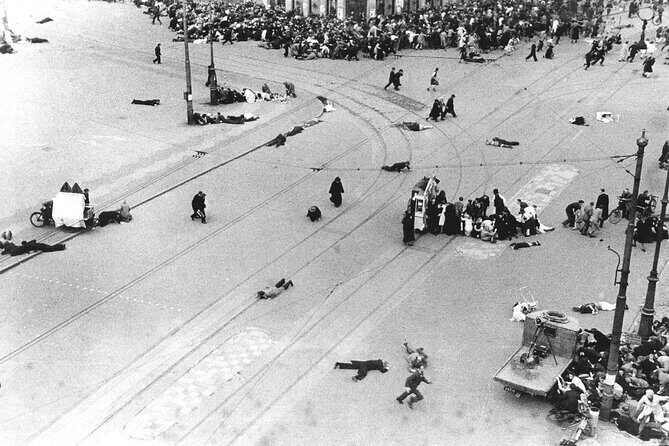
Next up is Dam Square, another 20-minute stop. This one shifts the lens away from daily hiding and toward the city’s bigger turning points after liberation—specifically, a reference to a shooting that happened in Amsterdam after the country was freed from occupation.
Even though you’re not inside a venue, Dam Square is a place where layers of modern Amsterdam sit over older events. The guide uses that contrast to help you understand how quickly the city’s role can change: from constrained wartime life to a public moment of aftermath.
One consideration: Dam Square can be busy. You’ll still hear the story, but the street environment means you may want to position yourself where you can actually focus. If there’s a crowd around you, it’s okay to step half a pace to hear the guide clearly.
Stop 3: Westertoren and the Bells Anne Could Hear
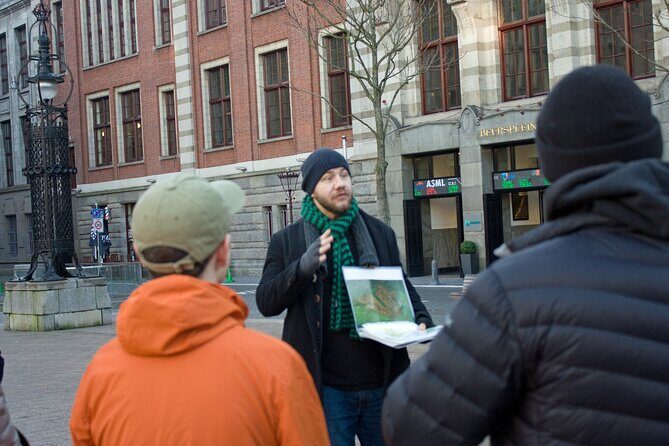
Then you’ll move to Westertoren, spending about 20 minutes there. This stop is free and centers on one vivid detail: the churchbells that Anne Frank could have heard from her hiding place.
This is one of those moments where the guide helps you do a simple mental trick: take the city sounds you hear today and imagine how the same sound might have mattered then. It’s not just trivia. It’s a reminder that even in hiding, the world still entered the attic through sound.
If you’re sensitive to the topic, this stop can actually feel grounding because it’s tied to a sensory detail that’s not only about danger. You’ll come away thinking in small, human units: what you might hear, what you might notice, and what that would mean for the rhythms of writing and waiting.



Stop 4: The Walk Through Anne’s Amsterdam Before and During Hiding
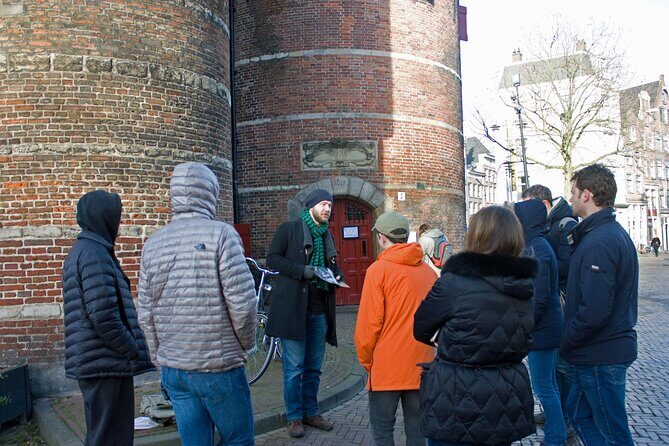
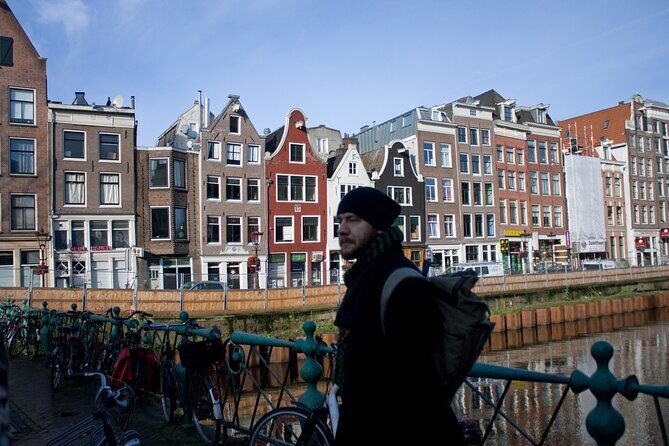
The final major stretch is about 1 hour and takes you through the area where Anne lived before and during the war years, including what she might have seen and heard from the outside world while she wrote her diary.
This is where the tour earns its name as more than a stop-and-stare experience. Instead of treating the story as one isolated location, the guide ties it to the city’s layout and how movement, views, and public spaces would have shaped daily impressions.
Guides on this tour have been praised for storytelling that feels personal and adaptable—like Craig for adjusting the pace/details for younger participants, or guides like Maurice who were able to make the experience work for someone traveling with mobility needs. That kind of flexibility matters because the goal isn’t to rush through tragedy; it’s to translate it.
My advice: use this hour to ask your questions while you still have time. If something doesn’t click, this is when you’re most likely to get a clear answer from the guide.
Guides and Storytelling Style That Make the City Feel Like a Character
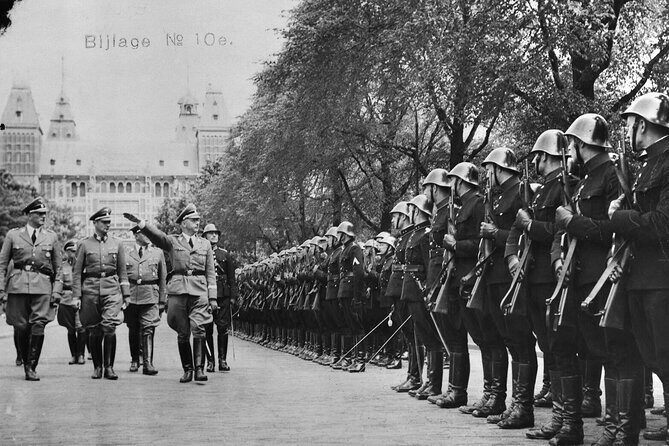
A walking tour lives or dies with the guide. The strongest versions of this experience are guided by people who can balance facts with lived emotion.
In the best feedback, guides including Sebastiaan are described as bringing the story alive with personal perspective and historical visuals like documents and maps. Marius is praised for mixing historical and personal stories so time passes quickly. Luc and Iris are both highlighted for friendly, lively delivery that still treats the subject respectfully. Wendy and Jasmine come up for being both informative and fun.
That matters because WWII history can turn into a wall of dates. Here, the storytelling approach helps you keep it human: names, places, and what it meant to survive inside the world while the world continued outside.
One more practical reality: at the end, guides encourage tipping. The provider’s note is that guests are free to tip based on experience. So you can plan to carry some cash or coins if you like giving a tip on the spot, but keep in mind you’re not obligated beyond your own comfort.
Price and Value: What You Pay For, What You Don’t
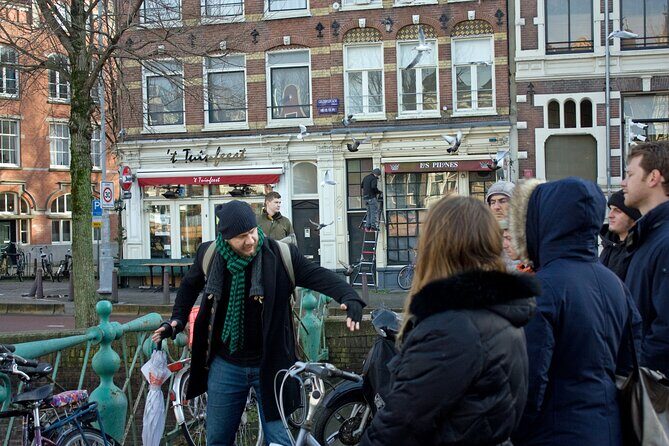
The listed price is $3.61 per person. That number looks tiny, and that’s usually because the tour is built around a small online booking fee, with guide compensation handled more through end tipping. It’s also because you’re not paying for Anne Frank House admission.
So what are you really buying? Time with a licensed English-speaking guide, a tight route, and story context that turns locations into meaning. You’ll leave with a clearer mental map of Amsterdam during the occupation and how the diary story connects to the real streets around it.
What you are not buying is the Anne Frank House ticket itself. If you want that museum experience, you’ll need to reserve separately and pay that admission separately too.
For many people, that’s the best value formula: do the outside context walk first, then decide if you want the interior visit based on availability and your interest level.
Who Should Book This Tour
Book this if:
- You want a fast, respectful introduction to Anne Frank’s Amsterdam and WWII context in a walkable format.
- You like guided storytelling with a focus on how cities work during major historical events.
- You’re planning a first-timer day in Amsterdam and want one strong narrative thread through the neighborhoods.
Consider skipping it (or pairing it carefully) if:
- Your main goal is to enter the Anne Frank House. This tour does not include entry.
- You don’t handle emotionally heavy topics well, since the story includes persecution and references to violence.
It also works for people who like structure. With set stops and a clear path, you get the benefits of a guided route without the mental load of building one yourself.
Practical Tips for a Smoother Walk
- Arrive a few minutes early at National Monument Dam. If you’re late, you won’t be able to catch up with the group, so plan buffer time.
- Bring a charged phone since you’ll have a mobile ticket.
- Expect free stops at Dam Square and Westertoren, plus an outside stop at the Anne Frank House area.
- If you’re using public transport, the meeting area is close to transit, which makes a 11:00 am start easier.
- Service animals are allowed, so if that applies to you, this is a smoother fit.
If you’re the kind of traveler who likes to feel organized, you can also think ahead about whether you’ll later book the Anne Frank House interior. This walk gives you the street context; the interior visit gives you the full museum experience.
Should You Book This Anne Frank Neighborhood and WWII Walk?
Yes—if you want context you can see. This tour is especially worth it when you’re trying to make sense of Amsterdam during the Nazi occupation and how Anne Frank’s story connects to specific places.
You should book it knowing one clear boundary: it’s outside the Anne Frank House, not an entry ticket. Once you accept that, the experience becomes a strong foundation. You get a guided route, a small group feel, and storytelling that tries to keep history personal instead of distant.
If you want the best results, bring comfortable shoes, arrive on time, and be ready to listen closely at the outside locations where sound and street views do the work.
FAQ
Does this tour include entry to the Anne Frank House?
No. This experience includes an outside visit related to the Anne Frank House area, but it does not include admission or entering the house.
Where does the tour start and end?
The tour starts at National Monument Dam, 1012 JS Amsterdam and ends back at the same meeting point.
How long is the tour?
The tour lasts about 2 hours.
What language is the tour in?
The tour is offered in English, and you’ll receive a mobile ticket.
How large is the group?
The group size is capped at 10 travelers.
Are there admission fees at the stops?
Dam Square and Westertoren are free. The Anne Frank House stop is an outside visit and the listed admission ticket is not included for that portion.
Is tipping expected or required?
Tipping isn’t required, but at the end you’re free to tip the guide based on your experience.
Are service animals allowed?
Yes. Service animals are allowed.
Can I cancel and get a refund?
You can cancel for a full refund if you cancel up to 24 hours before the experience’s start time.