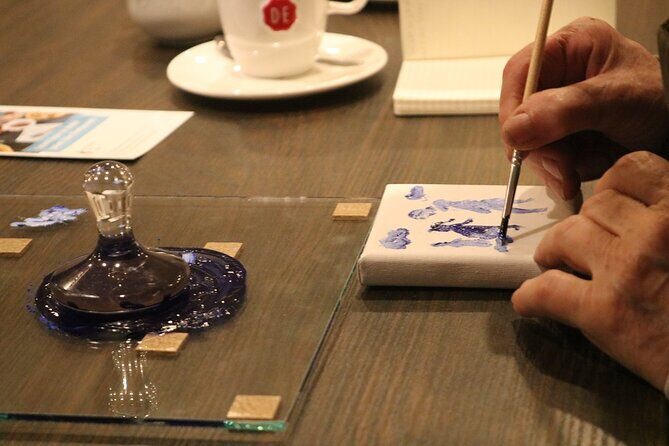
Kintsugi is a small act with big meaning. In Amsterdam, you’ll spend about two hours making a restored piece using golden leaf glue, based on a tradition that dates back to the 15th century.
Two things I especially like: you get a hands-on workflow that forces focus (you’re not just watching), and the whole experience is built around the idea that broken things can become beautiful in a very personal way. There’s also something satisfying about leaving with a final result that looks intentionally repaired, not hidden.
One drawback to keep in mind: you’re literally breaking a plate as part of the process. If you don’t like mess, noise, or the symbolism of starting “from damage,” this may feel a bit intense.
In This Review
- Quick Highlights You’ll Care About
- What Kintsugi Really Teaches You (More Than Craft)
- Your 2-Hour Workshop Flow in Amsterdam
- Meeting Point: Paleisstraat 107 (The Calm Start)
- Step 1: A Serene Introduction
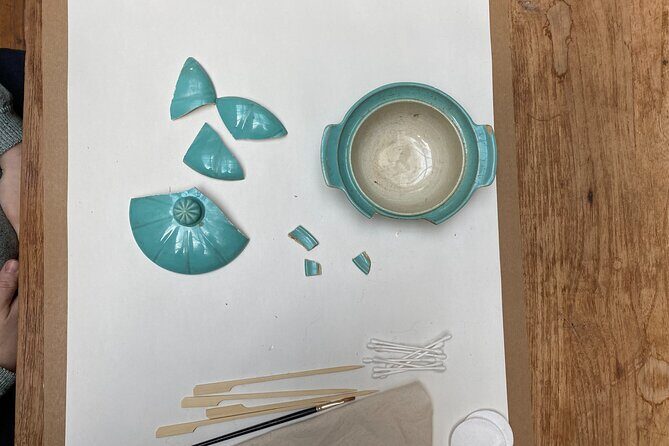
- Step 2: Symbolically Break a Plate
- Step 3: Reassemble Shards Like You Mean It
- Step 4: Golden Leaf Glue Finish
- Step 5: The Final Result and Getting a Mental Takeaway
- Price and Value: Is $90.11 Worth It?
- Small Group Energy: Why Max 6 Travelers Matters
- What You Should Bring (And What You Don’t Need)
- Who This Workshop Is Best For
- Tips for Getting the Most Out of Your Session
- The Most Praised Aspects Worth Taking Seriously
- Should You Book Kintsugi in Amsterdam?
- FAQ
- FAQ
- How long is the Kintsugi workshop?
- Where does the workshop start?
- Is the workshop offered in English?
- What does the workshop include?
- Is coffee or tea included?
- What’s the group size?
- Is it suitable for children?
- What’s the cancellation policy?
- When is it available?
Quick Highlights You’ll Care About
- Hands-on, not a lecture: You break a plate and reassemble shards yourself.
- A small group: Maximum 6 travelers, so you’re not lost in a crowd.
- Golden leaf glue experience: You’ll work with the signature look of Kintsugi.
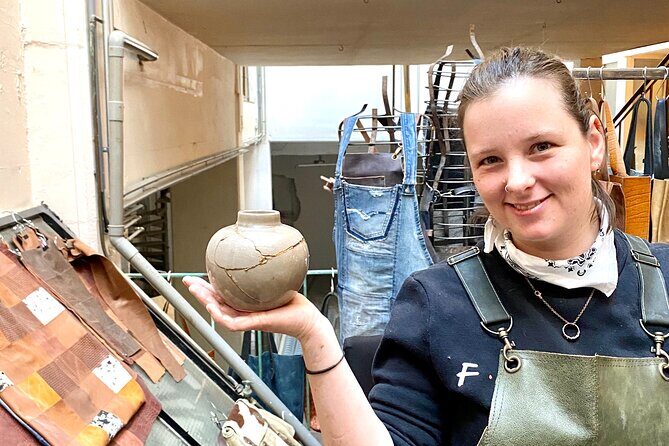
- A guide who keeps it calm: Annelies is described as welcoming and supportive.
- All materials included: You don’t need to bring supplies for the workshop.
- Mindful, wabi-sabi mindset: The craft is tied to letting go and embracing imperfection.
What Kintsugi Really Teaches You (More Than Craft)
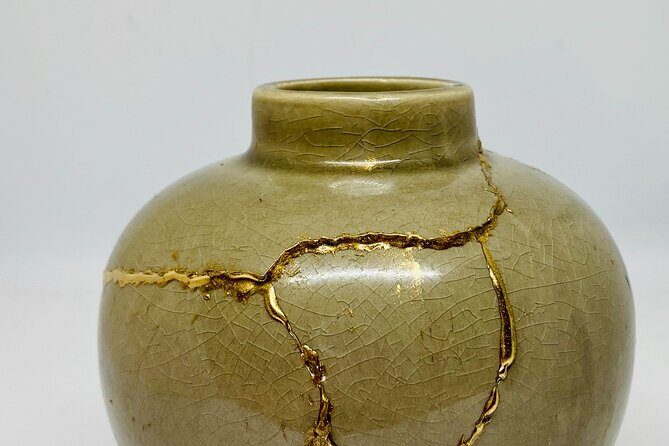
Kintsugi is famous for the gold lines, but the real point is the attitude. Instead of hiding cracks, you treat them like a map. In practice, that means you’re working patiently, slowly, and carefully—because the outcome depends on how you align pieces and apply the material.
You’ll also get the wabi-sabi vibe in a concrete way. Wabi-sabi is about natural materials, imperfect forms, and accepting that wear and fractures are part of living. The workshop doesn’t just tell you this. It gives you a ritual-like structure that makes the idea stick.
And yes, it has a symbolic moment: you’ll break a plate to mark a fresh start. That sets the tone quickly—this isn’t delicate, glass-case art. It’s about transformation.
You can also read our reviews of more tours and experiences in Amsterdam


Your 2-Hour Workshop Flow in Amsterdam
This workshop runs for about 2 hours and ends back where it starts. It’s scheduled on Wednesdays from 2:00 PM to 4:00 PM during the listed season, so it’s a good fit for a relaxed afternoon when you don’t want a full-day commitment.
Meeting Point: Paleisstraat 107 (The Calm Start)
You’ll meet at Paleisstraat 107, 1012 ZL Amsterdam. The venue is convenient for getting around, with public transportation nearby, and you’ll have a mobile ticket for entry. Service animals are allowed, and the group size stays small.
Why I like this start: it keeps the workshop feeling like a focused experience rather than a rushed tour stop. You arrive, settle in, and shift into craft mode fast.
Practical note: the workshop is not listed as child-friendly, and it’s not suitable for kids under 10. Also, you should have moderate physical fitness—mainly because you’ll be working with your hands and staying attentive for the session.
Step 1: A Serene Introduction
Before anything breaks, you’ll get a calm intro to what Kintsugi is and what you’re making. You’ll learn that Kintsugi is the art of restoring cracked pottery using a gold-based glue effect, turning fractures into intentional, decorative lines.
This first stage matters more than it sounds. When you understand the goal—beauty in imperfections—you’re less likely to get frustrated while working. You’re not just “repairing.” You’re building a look with your own decisions.
Step 2: Symbolically Break a Plate
Then comes the part that makes the day feel real: you’ll break a plate symbolically. This isn’t random destruction. It’s framed as a fresh start, a way to step into the mindset of Kintsugi right away.
From a practical standpoint, expect it to feel a little abrupt. But the symbolism actually helps your brain switch gears. Instead of fearing mistakes, you learn to work with what you have.






Step 3: Reassemble Shards Like You Mean It
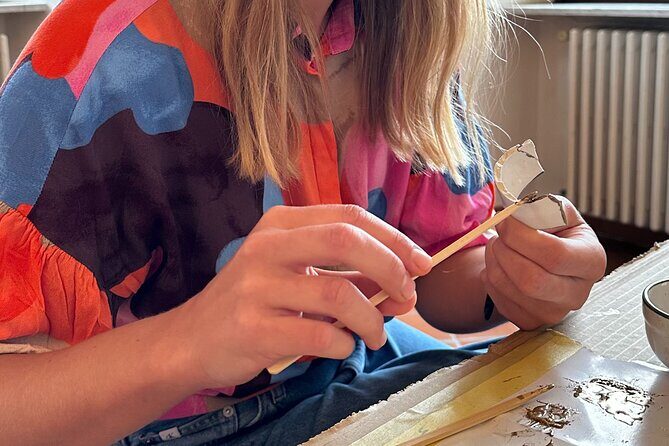
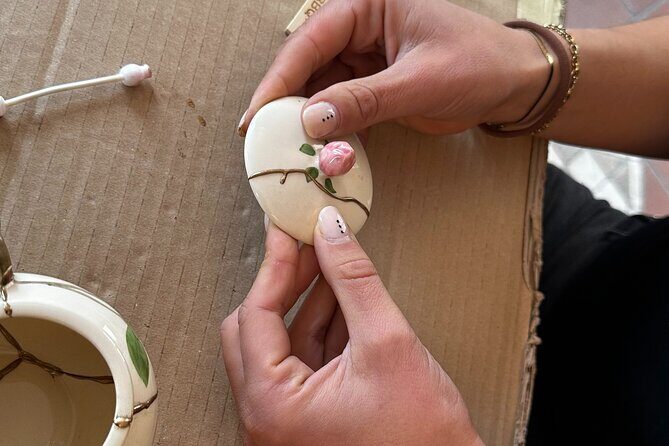
Next, you’ll patiently reassemble the shards, watching the transformation happen as you go. This part is where the workshop earns its good reputation.
I like how this step blends art and problem-solving. You’re aligning broken pieces, working slowly, and making choices that affect the final appearance. It’s a quiet, focused activity—good for anyone who wants their hands busy while their mind slows down.
And you’ll also notice how small adjustments matter. That’s the craft lesson: the “imperfection” isn’t a failure. It’s the design.
Step 4: Golden Leaf Glue Finish
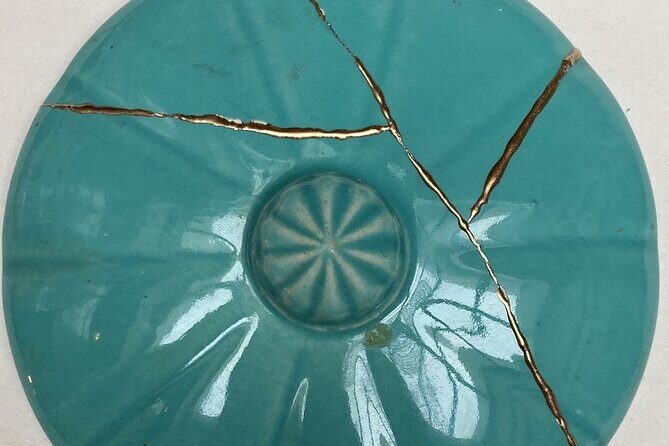
The signature look comes from the golden leaf glue method. You’re essentially turning fracture lines into the artwork. That’s the core Kintsugi idea: cracks become part of the beauty.
One thing to remember for value: this is a materials-included experience, so you’re not spending extra to get the golden look. The workshop provides what you need.
Step 5: The Final Result and Getting a Mental Takeaway
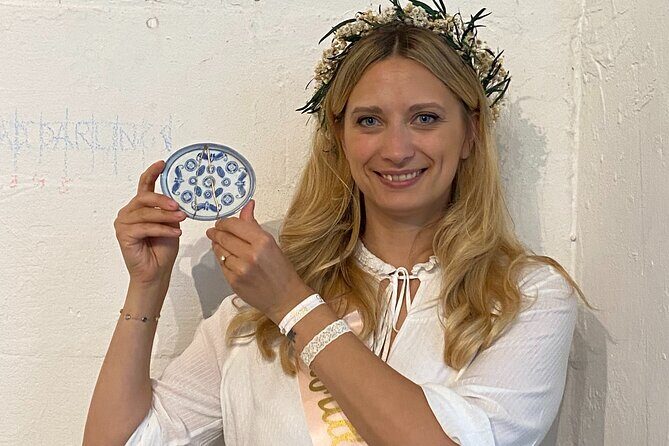
At the end, you’ll see your finished or near-finished piece—something that looks restored rather than covered up. The workshop frames it as more than repair: it’s a metaphor for letting go, embracing new beginnings, and finding beauty in resilience.
That metaphor lands hardest if you’ve been physically working the process. It’s not an inspirational poster. You’re making a concrete object that shows the story of breaking and rebuilding.
Price and Value: Is $90.11 Worth It?
The price is $90.11 per person for about 2 hours, with all materials provided. For Amsterdam, that’s not “cheap,” but it also isn’t positioned as a high-end private studio experience. It feels like a hands-on workshop with real tools, real craft time, and a small group setting (maximum 6).
Here’s where the value comes from:
- You’re not just learning the concept; you’re practicing the craft process.
- Materials are included, which saves you from buying supplies or trying to replicate it later.
- The group stays small, so instruction and support are more likely to be practical than generic.
If you like workshops where you leave with a tangible result, this is strong value. If you only want background info or photos, you might feel the cost more than the benefit.
Small Group Energy: Why Max 6 Travelers Matters
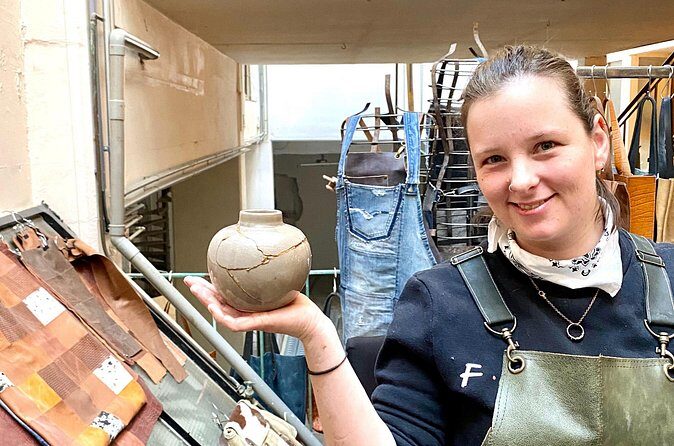
A maximum of 6 travelers changes the feel of a class. You’re easier to guide, and you’re less likely to spend the whole session waiting your turn.
It also makes the atmosphere more personal. You can ask questions while working, and you’re more likely to get feedback on technique. In a craft workshop, that’s the difference between feeling lost and feeling in control.
And based on the kind of comments in the feedback, the tone is friendly and welcoming. Annelies is specifically noted as nice and welcoming, with an experience that helped participants focus and produce a beautiful outcome.
What You Should Bring (And What You Don’t Need)
Good news: you don’t have to show up with art supplies. All materials are provided.
What might help you:
- Wear comfortable clothes you don’t mind getting a little stained or dusty. Even if the workshop is controlled, crafts can be messy.
- Plan to stay engaged for the full session. This is hands-on, and timing matters for the finishing steps.
Also, since coffee and/or tea aren’t included, you may want a quick snack or a drink beforehand—especially if you’re heading in after a long morning of sightseeing.
Who This Workshop Is Best For
This experience is best for adults or older kids (age 10+ only) who want a calmer, meaningful activity that still feels practical and creative.
You’ll likely enjoy it if you:
- like hands-on activities more than museum-style learning
- want a mindful workshop that doesn’t feel preachy
- enjoy crafts that connect with cultural ideas like wabi-sabi
- appreciate design that uses natural imperfection as part of the look
You might hesitate if you:
- dislike breaking objects, even symbolically
- want a quick photo stop instead of a full practice session
- prefer to sit and watch rather than handle materials
Tips for Getting the Most Out of Your Session
Here are a few practical moves that fit the way the workshop is structured.
First, treat the symbolic break seriously. It’s not just theater. It helps you mentally accept the transformation process, and that makes the reassembly steps feel less stressful.
Second, move slowly during reassembly. Even when you feel eager to finish, the quality of alignment affects the visual result. The workshop is designed to reward patience.
Third, ask questions if something feels unclear early on. Since it’s only about 2 hours, you’ll want to understand the process before you’re deep in the middle of it.
Finally, think about what you’d do at home afterward. The workshop is set up so you can apply the mindset and techniques later, not just admire the gold lines and walk away.
The Most Praised Aspects Worth Taking Seriously
This workshop earns its high recommendation in a way you can feel on the day.
The top praised points are:
- Welcoming, calm guidance from Annelies
- A fun, focused process that produces a satisfying final look
- The sense that you’ll actually use the experience afterward, not just enjoy the moment
That combination is rare. Many classes are either very instructive but stiff, or very friendly but vague. Here, the feedback points to both—warm teaching and a real craft outcome.
Should You Book Kintsugi in Amsterdam?
If you’re in Amsterdam and you want a creative activity that’s small-group, practical, and culturally grounded, I think you should book it. The format fits well with an afternoon slot, the price includes materials, and the workshop structure gives you that rare feeling: you make something real and you leave with a mindset shift, not just a souvenir.
Skip it only if the symbolic plate breaking sounds like a deal-breaker for you. Otherwise, this is the kind of workshop where your hands do the learning—and that’s when the lesson tends to stick.
FAQ
FAQ
How long is the Kintsugi workshop?
It runs for about 2 hours.
Where does the workshop start?
The meeting point is Paleisstraat 107, 1012 ZL Amsterdam, Netherlands.
Is the workshop offered in English?
Yes, it’s offered in English.
What does the workshop include?
All materials needed for the workshop are provided.
Is coffee or tea included?
No. Coffee and/or tea are not included.
What’s the group size?
The workshop has a maximum of 6 travelers.
Is it suitable for children?
It is not suitable for children under age 10.
What’s the cancellation policy?
You can cancel for a full refund up to 24 hours in advance. If you cancel less than 24 hours before the start time, the amount paid is not refunded.
When is it available?
It runs on Wednesdays 2:00 PM to 4:00 PM during the listed season dates.