REVIEW · DELFT
Delft: Private Historical and Cultural Guided Walking Tour
Book on GetYourGuide →Operated by Explore Delft · Bookable on GetYourGuide
Delft is prettier than you expect. This private historical and cultural walking tour is built to help you see the city, not just pass through it, with customizable routing and a guided mix of canals, churches, and key heritage stops. I especially like how it connects Delft Blue, Vermeer, and William of Orange into one easy-to-follow route you can steer with your guide.
The main trade-off is time. In just 2.5 hours, you’ll cover a lot on foot and it runs rain or shine, so bring comfortable shoes and be ready for a steady walking pace.
In This Review
- Key highlights that matter on the ground
- A 2.5-hour private walk through Delft’s canals and courts
- Where you start: Nieuwe Kerk and getting your route right
- William of Orange: the mausoleum stop that frames the city
- Town Hall, justice, and the Renaissance contrast
- Small alleys, canals, bridges, and courtyard Delft
- Prince’s Court, beguinage, and the windmill that survives
- The hidden court of Almonde: where you slow down
- Vermeer in the streets: walking through his Delft
- Delft Blue pottery: learning the origins and seeing craft work
- Price and value for a $135 private tour
- Rain or shine, walking shoes matter
- Who this tour fits best (and who should consider alternatives)
- Booking check: should you book this Delft private guided walk?
- FAQ
- FAQ
- Where is the meeting point for the guided tour?
- How long is the Delft private historical and cultural walking tour?
- Is the tour private, and can I customize what we see?
- What languages are available for the guided tour?
- Is the tour wheelchair accessible?
- What should I bring?
- Does the tour run only in good weather?
- Are food and drinks included in the price?
- What do I get if I book with reserve and pay later, and is there free cancellation?
Key highlights that matter on the ground
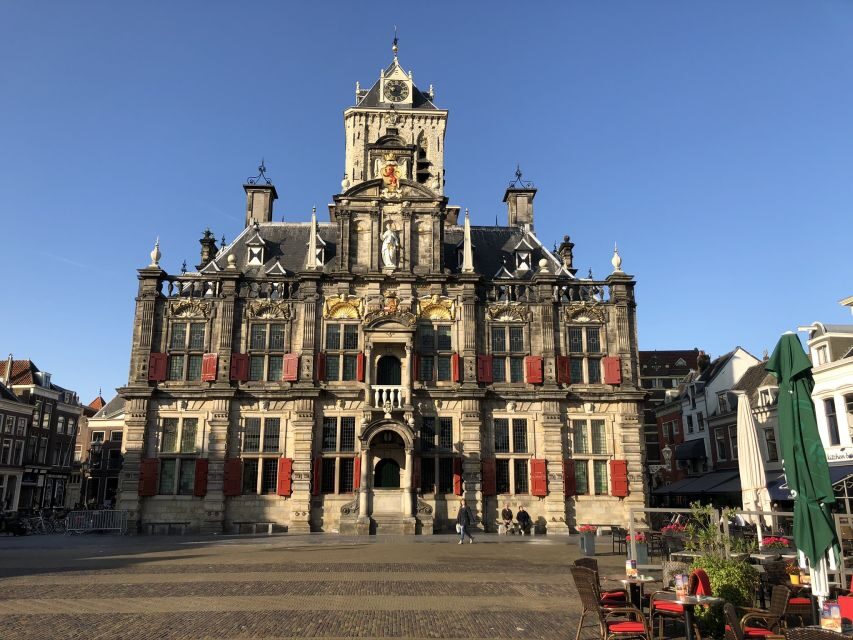
- Mausoleum of William of Orange: a big monument stop that anchors the whole story of the city
- Canals, bridges, and merchant-house streets: the scenery is a feature, not just a backdrop
- Renaissance town hall with a peek inside: you’ll also learn how justice was spoken there centuries ago
- Hidden courts and courtyard wandering: stops like the court of Almonde add the Delft “off-the-main-track” feeling
- Vermeer locations: you’ll walk through the artist’s hometown and the places tied to his masterpieces
- Delft Blue pottery with a hands-on look: you learn the origins and watch craft work in town
A 2.5-hour private walk through Delft’s canals and courts
This tour is a great length for Delft. At 2.5 hours, you can get the city’s highlights and the connections that make Delft feel like a real place with a story, without turning the day into a long slog.
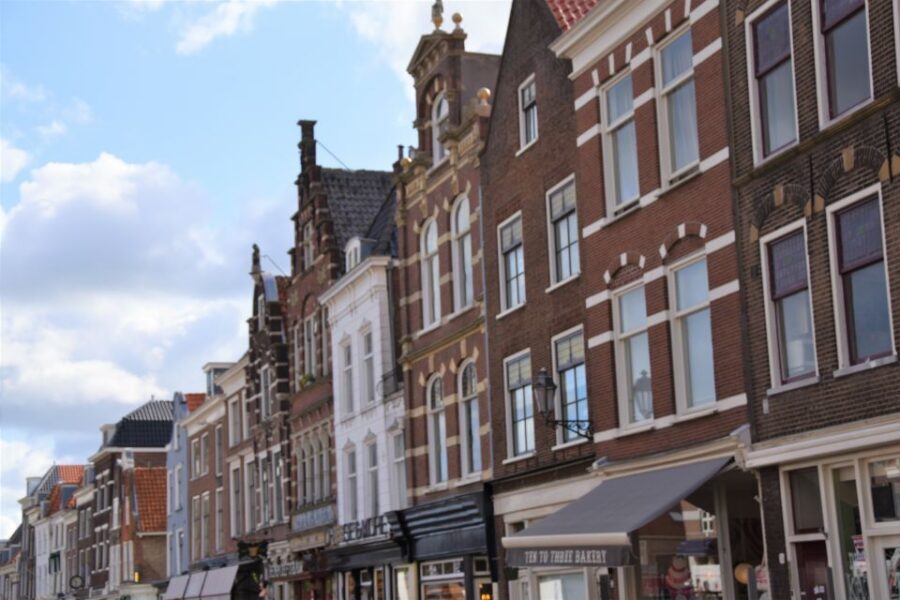
You’ll spend the time walking through Delft’s historic centre, where the canals and the old merchant houses do most of the talking before you even hear a detail from your guide. That matters because Delft is one of those towns where the “view” is actually the street plan: narrow lanes, bridges that redirect your attention, and squares that give you a breather.
And because it’s private, you’re not stuck with a rigid group rhythm. The tour is designed to be customizable, so you can decide what to emphasize: monument and nation-building, art and Vermeer, religious and courtyard Delft, or the practical craft side with Delft Blue pottery.
You can also read our reviews of more walking tours in Delft



Where you start: Nieuwe Kerk and getting your route right
You meet your guide in front of the Nieuwe Kerk. That’s a smart starting point because it puts you immediately in the historic core, with easy access to the walking streets and squares that define Delft.
The guide starts by talking you through options, then you decide which landmarks and routes you want to visit. This is one of those simple setups that pays off fast. If you care most about Vermeer, you can steer the timing so you don’t end up rushing those parts. If you’re more interested in William of Orange and the city’s civic story, you can keep those stops closer together.
The tour is offered in English, Dutch, German, French, Spanish, and Japanese, so you can match your comfort level and really follow the details. If you’re choosing between languages, I’d pick the one where you can hear the nuances, especially around art references and how civic buildings were used.
Comfort tip: wear shoes you can walk in for extended city blocks. You’ll be on streets, small alleys, and crossings over bridges, and you don’t want to be thinking about your feet while you’re looking at the architecture.
William of Orange: the mausoleum stop that frames the city
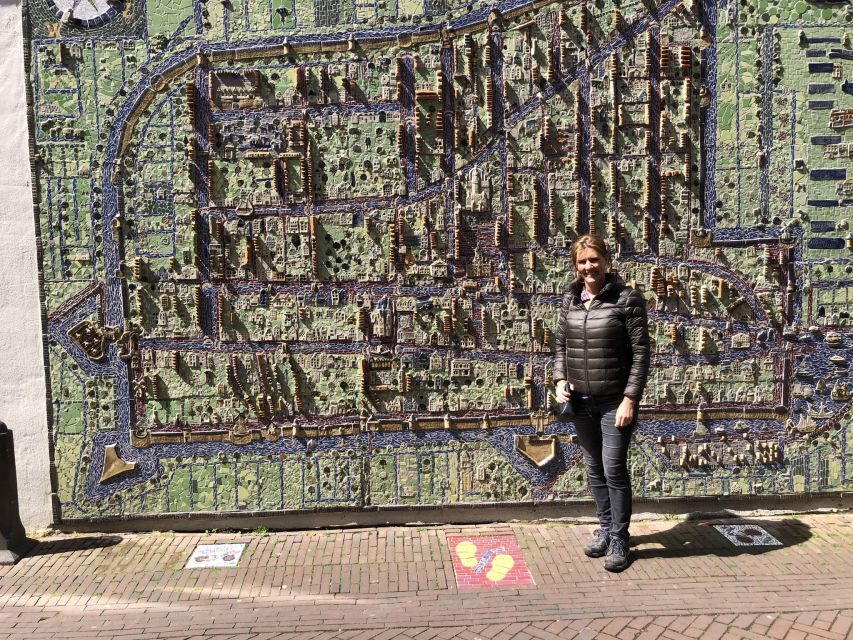
One of the headline moments is the impressive mausoleum of William of Orange. Even if you’re not a deep-into-history person, this is a good anchor stop. It gives you a clear “why Delft matters” starting point and helps the rest of the walk feel connected instead of random sightseeing.
From there, the tour moves into the historic centre mood: medieval square area, old streets, and the civic and religious landmarks that shaped day-to-day life. A strong guide will point out architectural cues you might miss on your own, like how buildings sit around squares and how the lanes guide foot traffic toward the waterways.
I like this approach because it prevents the usual problem: you get one great building, then you’re stuck trying to connect it mentally to everything else you see. Here, the guide’s job is basically to stitch the story together while you walk.
Town Hall, justice, and the Renaissance contrast
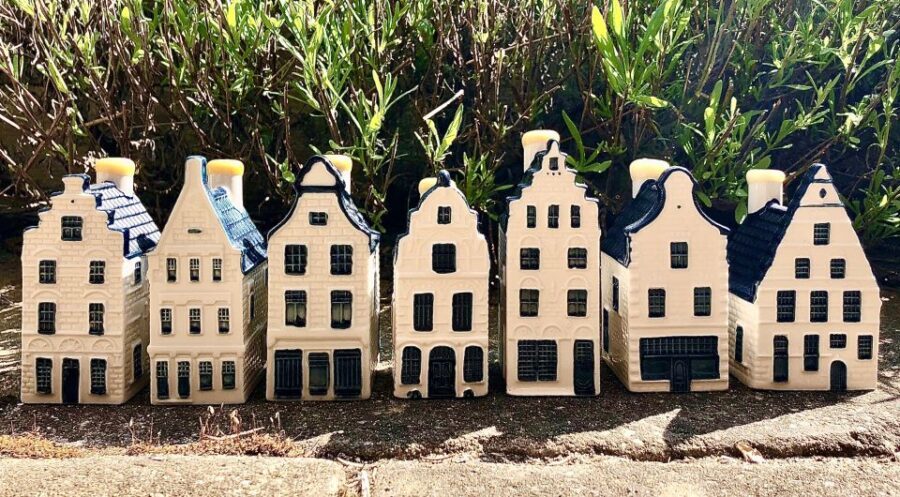
Delft’s city town hall is highlighted as Renaissance style, and you’ll stroll over the medieval square toward it. That mix is part of why this stop works: you get the sense of Delft changing over time, while still staying unmistakably Delft.
The tour includes a peek inside the town hall, and the guide shows how justice was spoken there centuries ago. Even with a quick look, that detail makes the building feel lived-in by history. It’s not just an attractive facade; it’s a place where civic decisions happened.
There’s also a practical benefit to having these stops early in the walk. If you want photos, you’ll be less rushed and you’ll get a calmer feel before your route fills with smaller alley scenes and courtyard moments.
Small alleys, canals, bridges, and courtyard Delft
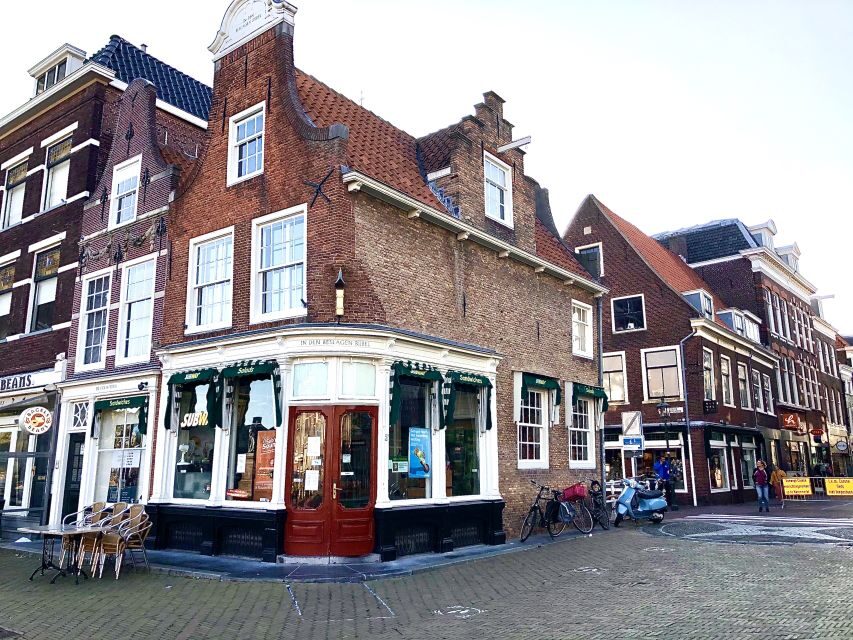
Between big landmarks, you’ll wander down small alleys, and that’s where Delft’s personality shows up. The tour takes you toward charming courtyards and multiple historic bridges over the canals, so your path changes with every crossing.
These sections are often the most enjoyable part for me, because the city design does the storytelling. A canal twist can reveal another street, a bridge can frame a view you didn’t know you needed, and a courtyard can suddenly feel quiet in a city that is otherwise full of texture.
You’ll also get moments to relax at cozy squares. That’s not just a break for comfort; it’s time for your brain to catch up. When you’re walking non-stop, Delft can blur into a single picture. Squares help you reset and notice details again.
You can also read our reviews of more guided tours in Delft

Prince’s Court, beguinage, and the windmill that survives
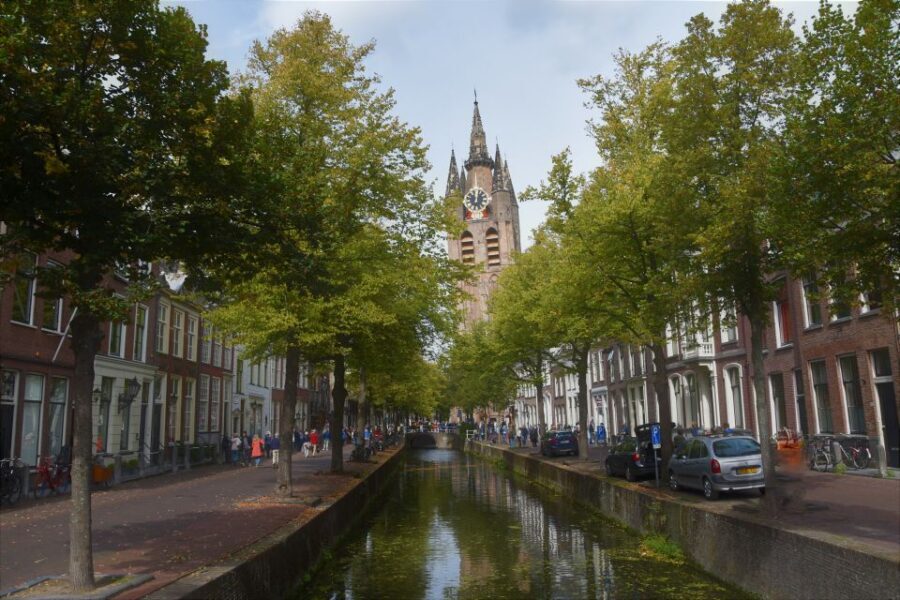
The walk includes several named heritage stops: the Prince’s Court, the beguinage, and the only remaining historical windmill. Those titles matter because they represent different slices of old Delft life—court and governance on one hand, community and religious heritage on the other, and the working landscape symbolized by that windmill.
This is the kind of stop list that works especially well with a private guide, because you can choose how much time to spend in each place based on your interests and energy. If you want more architecture detail, you can ask for it. If you’d rather focus on the “what happened here” angle, you can steer the conversation that direction.
The windmill part is particularly useful if you like seeing how cities used to function. Even without going deep into mechanics, it gives you a tangible reminder that Delft’s landscape wasn’t only about monuments and art.
The hidden court of Almonde: where you slow down
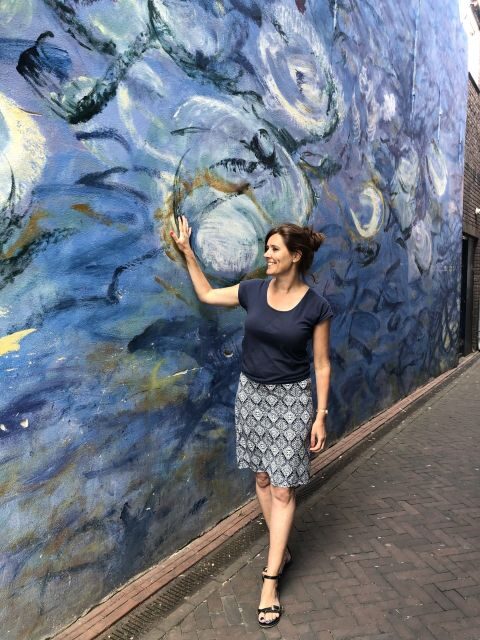
One of the best-known “how do I find the real Delft” moments is the tour’s highlight of the best hidden court of Delft: the court of Almonde. This is where you can expect that special feeling you only get in places like Delft—an unexpected pocket of calm, tucked behind the everyday streets.
Courtyards like this are often what make a walking tour memorable. Buildings feel different when you’re not just staring at facades from the street. You notice proportions, light, and how people once moved through these spaces.
If your priority is getting great photos, or if you just enjoy city details, this kind of stop is worth paying attention to. Move a bit slower here, and take the time to look back the way you came. Delft rewards that habit.
Vermeer in the streets: walking through his Delft
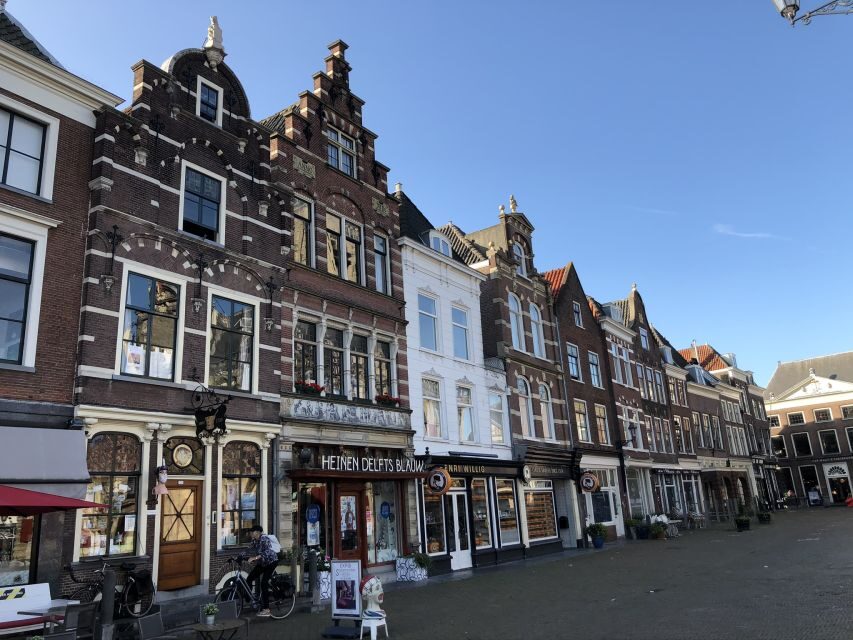
Delft is famous for one more thing besides William of Orange and Delft Blue: Johannes Vermeer. This tour includes Vermeer stops tied to the places where his masterpieces were set, so you’re not just hearing about him in general terms—you’re connecting the art to the city streets.
That approach works because you begin to recognize visual patterns: the scale of rooms, how light might land in a space, and how streets and facades create the type of background an artist would return to. Even if you don’t have a museum ticket, you’ll still leave with a clearer picture of why Vermeer’s hometown shaped his work.
This is also a strong reason to book a private guided version instead of a generic overview walk. You can ask questions in your preferred language and tailor the art focus to your taste: some people want the exact connections to the paintings, others want the broader context of daily life and setting.
Delft Blue pottery: learning the origins and seeing craft work
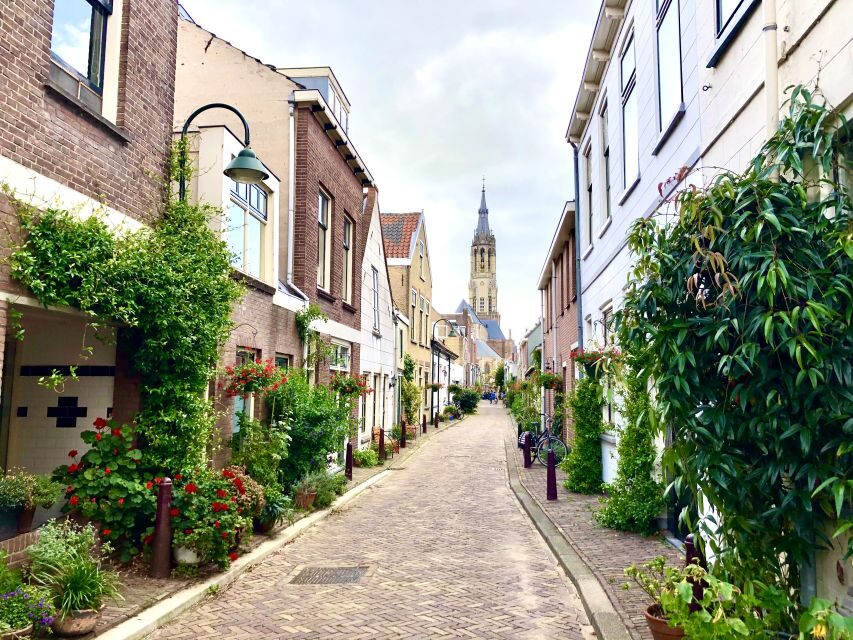
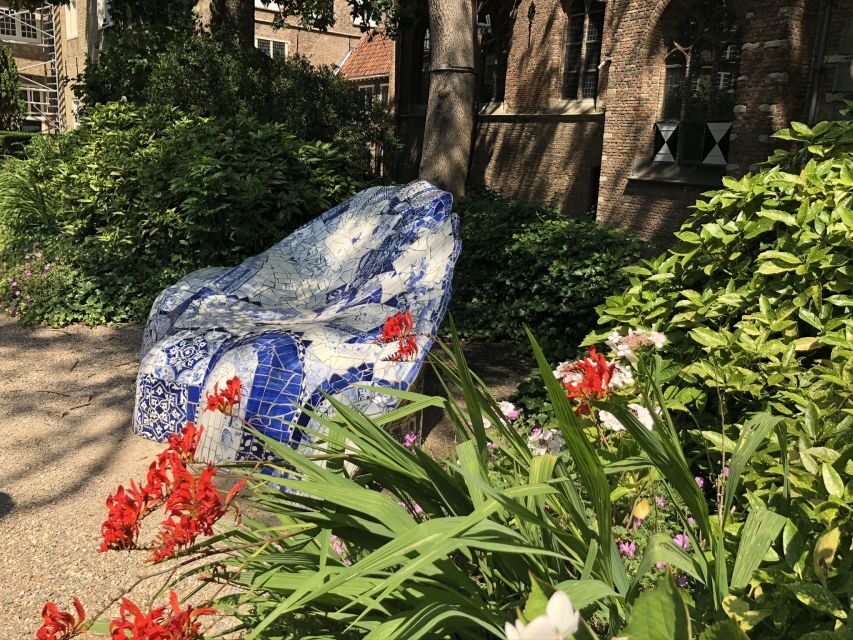
You’ll also explore Delft Blue pottery—another pillar of the city’s identity. The tour includes learning about the origins of Delft Blue and seeing a master painter at work in one of the pottery places in town.
Even if you’ve bought Delft Blue souvenirs before, this part has a different payoff. Watching the hand process brings the story down to something real: how designs are made, how decoration fits the vessel, and how tradition is carried forward.
This stop can also help you decide what to buy later. When you understand what makes Delft Blue distinctive, you start noticing the differences in patterns and finish instead of only choosing by look.
If you’re sensitive to crowds, it’s smart to time your browsing during breaks and keep your eyes open for smaller shops and quiet moments along the way. The guide’s route planning helps here because you’re not wandering aimlessly.
Price and value for a $135 private tour
At $135 per person for a 2.5-hour private tour, you’re paying for three things you usually don’t get together in Delft: a professional local guide, a private group setup, and a route that can be adjusted to your interests.
Is it a budget price? No. But it can be good value if you’re traveling with just one or two people and you want the guide to do the thinking—choosing what to prioritize, keeping the pace comfortable, and pointing out details that turn photos into memories.
The multi-language offering also matters. If you want the experience in English, Dutch, German, French, Spanish, or Japanese, you can match your comfort level without losing information.
Also, food and drinks are not included, so plan to treat the tour as sightseeing time. If you’re hungry after, your best move is to ask your guide for suggestions on cozy spots to eat and have something sweet, then keep the night flowing.
Rain or shine, walking shoes matter
The tour takes place rain or shine, so assume you’ll be outside for the full 2.5 hours. That’s not necessarily a problem in Delft, but it does change how you enjoy it.
Wear shoes that handle wet streets and don’t slip on canal-bridge surfaces. A light rain jacket can help too, since you’ll be stopping for sights and listening for details rather than rushing through.
If the weather turns really unpleasant, the private format helps. A flexible guide can keep you moving while still making sure you see the key stops, rather than forcing everyone to power through the same way.
Who this tour fits best (and who should consider alternatives)
This is a strong match if you want a city tour that mixes big stories with small scenes:
- Art lovers who want Vermeer connected to actual Delft places
- History-minded folks drawn to William of Orange and Delft’s civic and religious landmarks
- People who like canals, bridges, and courtyard wandering more than only museums
- Travelers who prefer a guide you can question and pace alongside
It may feel less ideal if you want only museum-style indoor time or if you dislike walking in the rain. This is a walking tour, built around streets, squares, and bridges.
Booking check: should you book this Delft private guided walk?
If you want Delft in one organized, human-paced outing, I’d book it. The combination of William of Orange, Vermeer locations, Delft Blue pottery, and the tucked-away courts like Almonde is a smart way to see what makes the city feel special without spending an entire day planning.
I’d skip it only if you’re looking for a purely low-effort stroll with minimal walking, or if you don’t care about art and historic context at all. But if you want Delft with explanations you can actually follow, in the language you prefer, this is the kind of tour that pays off fast.
FAQ
FAQ
Where is the meeting point for the guided tour?
Meet your guide in front of the Nieuwe Kerk.
How long is the Delft private historical and cultural walking tour?
The tour lasts 2.5 hours.
Is the tour private, and can I customize what we see?
Yes. It’s a private group, and you decide which landmarks and routes you want to visit as you discuss with your guide.
What languages are available for the guided tour?
The tour is offered in English, Dutch, German, French, Spanish, and Japanese.
Is the tour wheelchair accessible?
Yes, it is wheelchair accessible.
What should I bring?
Bring comfortable shoes for walking.
Does the tour run only in good weather?
No. The tour takes place rain or shine.
Are food and drinks included in the price?
No. Food and drinks are not included.
What do I get if I book with reserve and pay later, and is there free cancellation?
You can reserve now and pay later, and you can cancel up to 24 hours in advance for a full refund.