REVIEW · DELFT
Delft: Dive into the Golden Age on a Private Walking Tour
Book on GetYourGuide →Operated by Discover Delft · Bookable on GetYourGuide
Golden-Age Delft feels different on foot.
This private walking tour is built around stories you can’t get from a guidebook, with a local guide who brings Delft’s past to life as you move through the city’s historic center. You’ll connect the town to Vermeer’s light, Van Leeuwenhoek’s science, and William of Orange’s legacy in a way that feels practical, not just theoretical. It’s the kind of walk where the city becomes the artwork, not the background.
What I really like is the mix of big-name moments and everyday streetscapes: the Market Square, churches, and canals come together into one easy route through one of Holland’s most charming old centers. You’ll also cross parts of Delft’s famous web of 75 bridges, which changes how you see the canals each time you step onto a new angle. One consideration: guide language skill can vary, and one group noted that French wasn’t perfect, so if language precision matters to you, pick your guide language carefully.
In This Review
- Key things to know before you go
- Starting at Hugo de Groot: where the Golden Age story begins
- Market Square, churches, and canals: your main loop through Delft’s heart
- Vermeer’s Delft on your feet: why the art connection feels real
- William of Orange’s footsteps: history that moves with you
- Van Leeuwenhoek and the science side of the Golden Age
- The bridge-and-canal rhythm: why 75 crossings change the experience
- Price and value: when $199 per group makes sense
- What’s included (and the one optional ticket you might want)
- Who should book this private Delft Golden Age tour?
- Should you book it?
- FAQ
- Where does the tour meet?
- How long is the private walking tour?
- What is the price for the tour?
- Is the New Church tower ticket included?
- What languages are guides available in?
- Does the tour run in bad weather?
- Is the tour suitable for everyone with disabilities?
Key things to know before you go
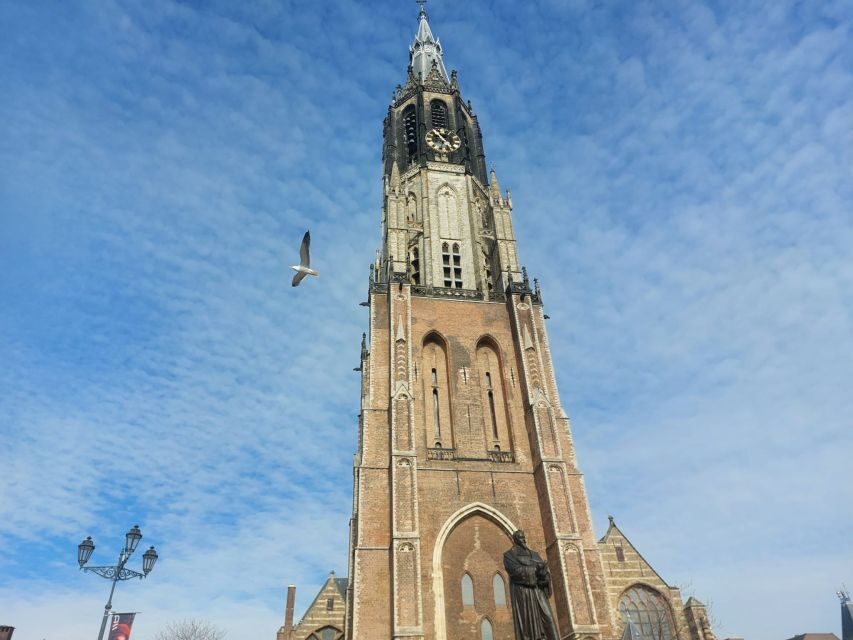
- Start at Hugo Grotius (Hugo de Groot) right by the New Church area, so the story has an anchor from minute one
- Vermeer, Van Leeuwenhoek, and William of Orange are all part of the same walking narrative, not separate stops
- Expect canal views and repeated bridge crossings, which keeps the pace visually fresh
- You’ll see the Market Square and experience the quiet rhythm of Delft’s church-and-canal center
- Private pacing means you can slow down for questions or speed up if you’re on a mission
- Guides are offered in several languages, including English and Spanish
Starting at Hugo de Groot: where the Golden Age story begins
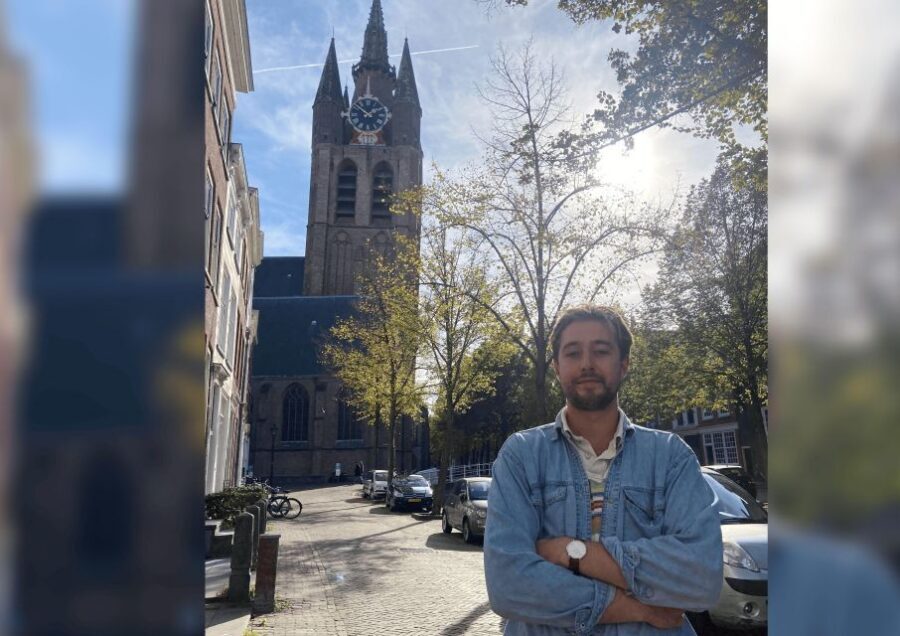
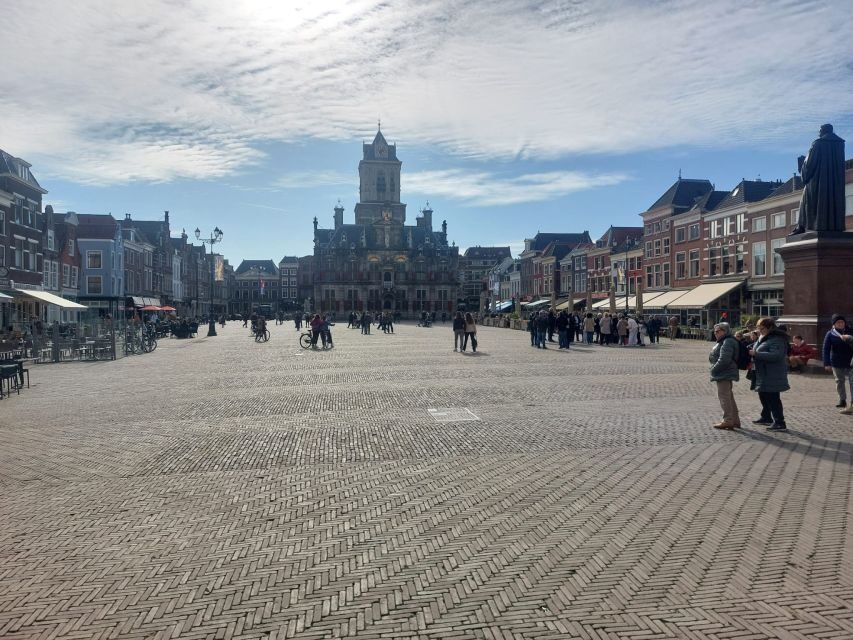
Your tour begins at the Standbeeld van Hugo de Groot in Delft’s market area, right by the New Church. This matters more than it sounds. You’re not starting at a random landmark. You’re starting where Delft’s civic and intellectual identity feels visible, so the guide can steer you through the city with a clear thread.
From that first point, the tour’s tone sets quickly: you’re going to be looking at Delft as a place where art, science, and politics all mixed in daily life. That’s the Golden Age angle, and it’s also why this works better than a checklist. You start hearing why certain buildings and canal lines matter, instead of just seeing them.
And since this is a private group, you control the tempo. I like tours where I’m not forced to march at someone else’s pace, especially in a compact city center where you want time to look across the water and up toward facades.
You can also read our reviews of more walking tours in Delft


Market Square, churches, and canals: your main loop through Delft’s heart
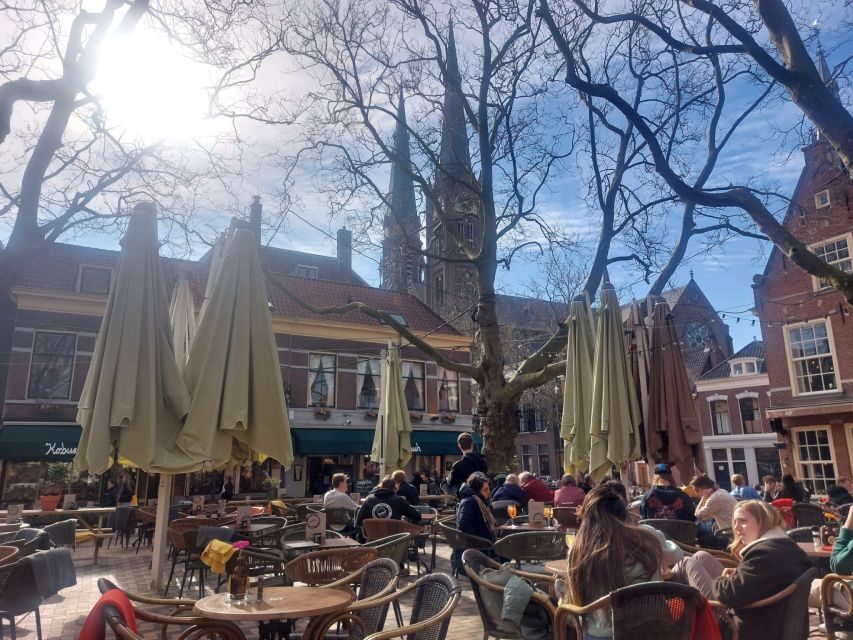
After you meet at Hugo de Groot, your walk centers on Delft’s old center—Market Square, churches, and the canal web that defines the city. This is the part you’ll feel most right away: Delft doesn’t make you work for charm. You simply keep walking and the scenes keep assembling themselves.
The guide’s job here is to help you notice what most people miss:
- the way church architecture frames the streets and canal edges
- how the Market Square functions as a social and historical hub
- how canal-side views shift when you’re not rushing
The best part is that you’re not only sightseeing. You’re listening to explanations that put these features into context. Delft’s quieter tone can trick you into thinking it’s just pretty. A good guide prevents that by translating what you’re seeing into stories about the people who lived here and shaped the city.
Even though the tour is only about 2 hours, the structure is long enough to feel like a real walk through a meaningful neighborhood—not a quick photo sprint.
Vermeer’s Delft on your feet: why the art connection feels real
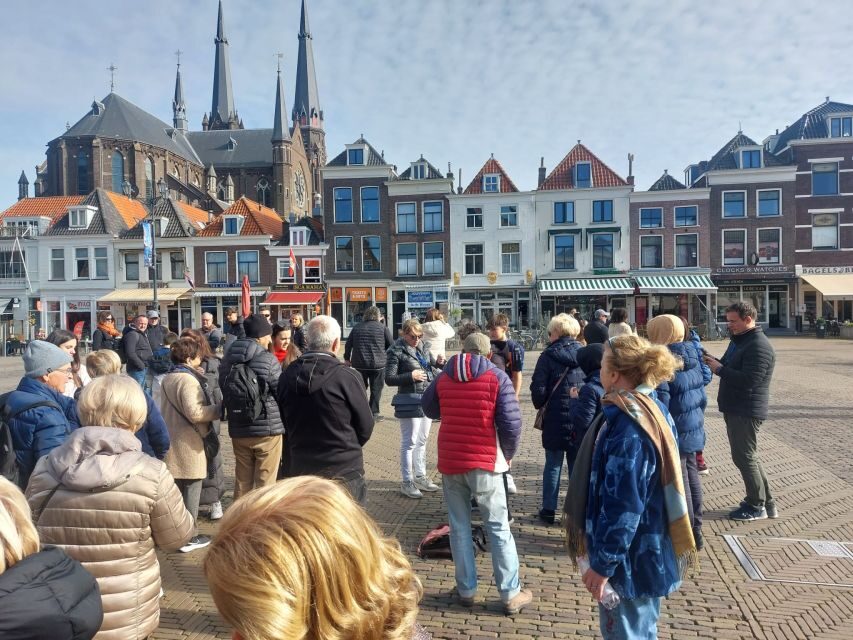
This tour has a strong hook: it takes you through Delft in a way that’s described as walking through a Vermeer painting. You don’t need to be an art expert to appreciate what this means on the ground.
Vermeer is often associated with light and stillness. On a walk like this, those ideas become practical. You start paying attention to sightlines—where light seems to land on buildings, how canals reflect scenes, and how the city’s layout creates natural “framed views.” The guide helps connect those visual cues to why Vermeer’s Delft looks the way it does.
I also like that this isn’t just about Vermeer as a name. You’re learning how Delft itself acted like a subject—one that artists could use again and again because it stayed recognizable in form and spirit. If you enjoy walking tours that teach you how to look, this is the payoff section.
In the real world, a lot of art-related tours stop at facts. This one aims for interpretation: why a street angle or canal edge might matter for how you’d imagine a painting feeling.
William of Orange’s footsteps: history that moves with you
Delft is closely tied to the story of the Dutch Republic, and William of Orange shows up as part of the walk’s narrative. You’ll hear about walking in the footsteps of the Father of the Fatherland, and the guide’s storytelling turns major names into a sense of place.
Here’s why this part works: political history can feel abstract. But when it’s braided into actual corners of the city—market areas, church contexts, and the canal geography—it becomes easier to picture. You’re not memorizing dates. You’re understanding how power and civic life shaped where people gathered and how the city functioned.
This is also where you’ll appreciate the guide’s enthusiasm. One tour group was led by Sterre, described as enthusiastic and making the tour relaxed while still teaching a lot. Another experience mentioned Peter leading an excellent, informative Delft tour. Those comments matter because the goal isn’t just information—it’s a friendly, clear connection between city details and the story behind them.
If you like your history light enough to enjoy but structured enough to remember, this fits.
Van Leeuwenhoek and the science side of the Golden Age
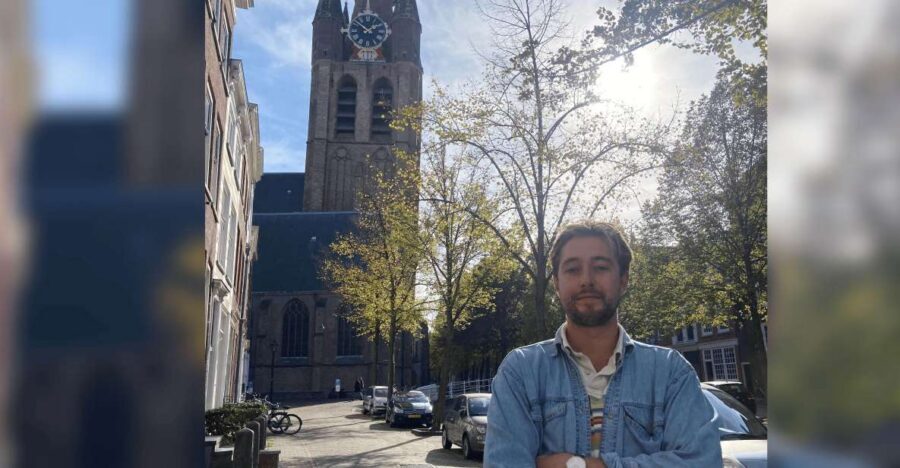
Most Golden Age tours lean hard on art or architecture. This one also gives you the science thread through Antonie van Leeuwenhoek, the Dutchman associated with discovering microbes.
That might sound like a curveball until you realize what you’re doing: you’re learning that Delft’s importance wasn’t only aesthetic. It was also intellectual. When you hear the microbe story while walking through the same city streets tied to art and leadership, you start to see a pattern: innovation and curiosity weren’t separate categories in the 1600s. They lived in the same world.
Again, the guide is crucial. The point isn’t to turn it into a lecture. It’s to give you memorable context for why Delft produced people who changed how others saw light, the human body, and government.
And if you’re the type who likes connecting science to daily life, you’ll enjoy this segment because it makes Delft feel like a thinking place—not just a postcard.
You can also read our reviews of more private tours in Delft
The bridge-and-canal rhythm: why 75 crossings change the experience
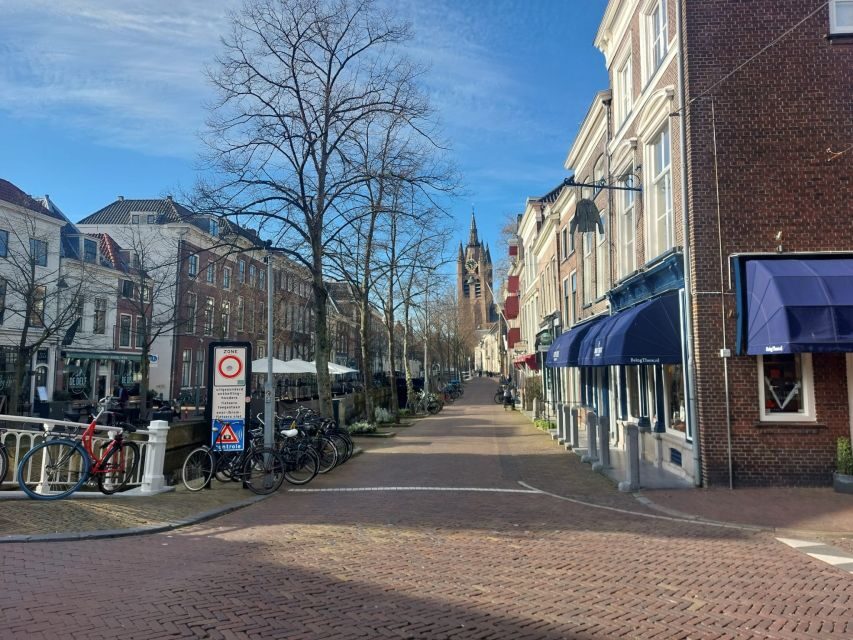
Delft is famous for canals, and this tour leans into that reality by having you cross parts of the city center’s 75 bridges. That’s not just trivia. It changes how you experience the city.
Each bridge crossing resets your view:
- you see canal edges from a new angle
- you notice how the city’s water network shapes movement
- you get a break in the walking rhythm without losing momentum
If you’ve ever toured a canal city and felt trapped in one repeating angle, you’ll appreciate this. The bridges act like visual punctuation.
Also, the fact that it’s a walking route (not a bus stop tour) helps. You’re not just seeing bridges as structures. You’re using them as transitions between themes—art, science, politics—while the water and church-and-street scenes keep coming back in different forms.
Price and value: when $199 per group makes sense
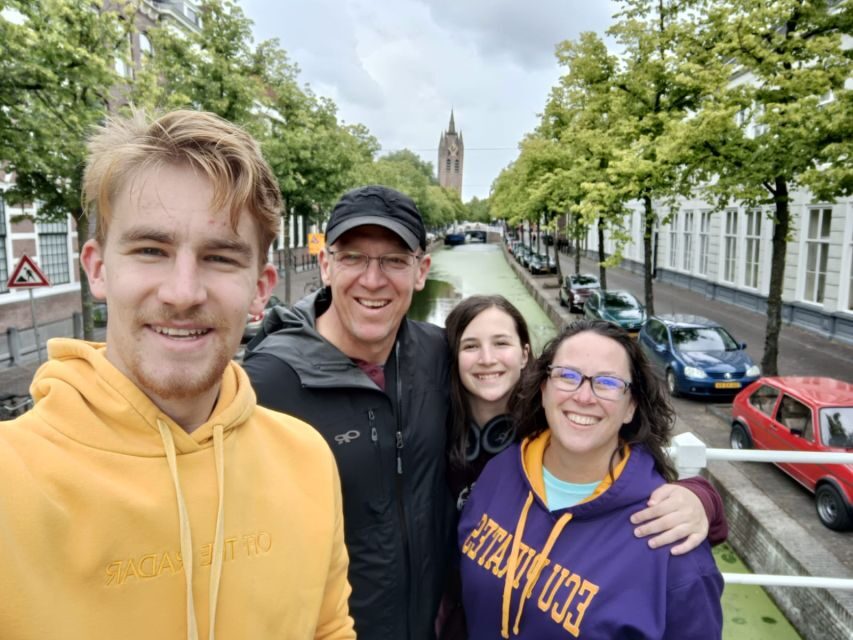
The tour is priced at $199 per group (up to 20 people) for about 2 hours. That pricing can be either a steal or a stretch depending on your situation.
- If you’re traveling with family or friends and you can fill a group, the cost per person drops fast. A private guide then becomes very good value.
- If you’re booking as just one or two people, you might feel like you’re paying for a group experience rather than a solo one. Still, a local guide who keeps the story flowing can justify it if you want a high-quality walking narrative instead of a self-guided route.
There’s also the intangible value of having a guide who can point out the things you’d otherwise miss. The tour description emphasizes that you’ll see and understand details that would otherwise go unnoticed, and the better reviews match that tone—especially praise for guides like Tristan, who was noted for bringing strong background knowledge, architecture and history anecdotes, and an interesting global perspective.
One more value marker: the tour has an average rating of 4.6 with 16 reviews. That’s not a guarantee, but it’s enough to suggest the experience is generally landing well.
What’s included (and the one optional ticket you might want)
You get a private guide, with taxes and fees included. Food and drinks are not included, so plan on enjoying snacks separately if you want to linger in the Market Square area after the walk.
There’s also an optional add-on: New Church tower entry can be requested, but the entry ticket is not included. If you love views and want an architectural payoff, ask your guide about timing and whether it’s worth adding. If you’re more focused on the walk itself, you can likely skip it.
And remember: the tour takes place regardless of weather conditions, though the duration can be shortened if you want.
Who should book this private Delft Golden Age tour?
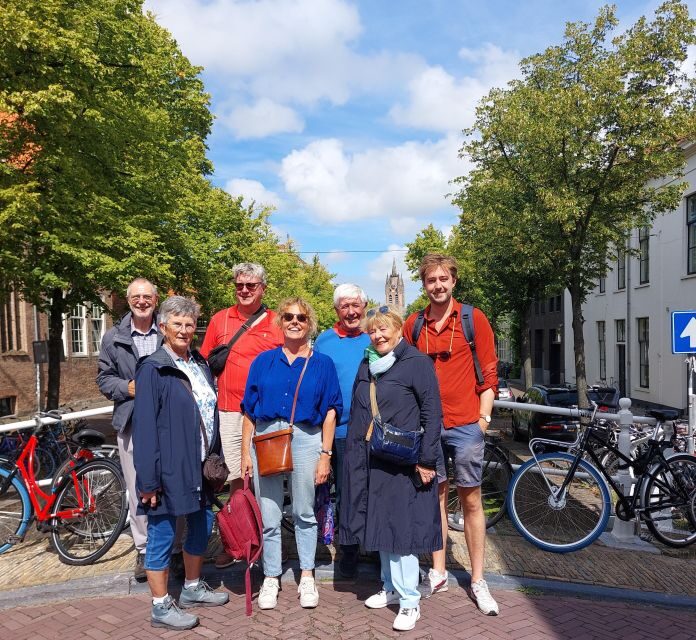
This is a great fit if you:
- want a private local guide and a flexible pace
- love cities where canals, churches, and street corners tell the story
- enjoy being taught how to look (especially for the Vermeer light connection)
- want a single loop that links art, science, and politics instead of splitting them into separate tours
It’s less ideal if you need accommodations for hearing-impaired visitors or you have mobility limits that don’t align with the tour’s walking format. The info also lists wheelchair accessibility, but it simultaneously says it’s not suitable for people with mobility impairments—so if that might apply to you, confirm directly with the provider before booking.
Should you book it?
I’d book this if you want Delft to feel like a living story, not a set of monuments. The combination of Vermeer, Van Leeuwenhoek, and William of Orange in one coherent walk is exactly the kind of connecting thread that makes a city visit stick. Add in the canal-and-bridge rhythm and a guide you can ask questions of, and you have a strong 2-hour plan.
Skip it only if you’d rather go fully self-guided or you need strict language precision where even minor fluency gaps could annoy you. Otherwise, this is the kind of tour that helps Delft make sense fast, while keeping it relaxed.
FAQ
Where does the tour meet?
Meet your guide next to the statue of Hugo Grotius (Hugo de Groot) on the market square of Delft, in front of the New Church.
How long is the private walking tour?
The tour normally takes about 2 hours.
What is the price for the tour?
It costs $199 per group, up to 20 people.
Is the New Church tower ticket included?
No. Entry to the New Church tower is available on request, but the entry ticket is not included.
What languages are guides available in?
Guides are available in Italian, German, Dutch, English, Spanish, and French.
Does the tour run in bad weather?
Yes. The tour will take place regardless of weather conditions.
Is the tour suitable for everyone with disabilities?
The info says the tour is wheelchair accessible, but it also notes it is not suitable for people with mobility impairments and not suitable for hearing-impaired people. If you’re unsure, check directly with the provider before booking.