REVIEW · DELFT
Delft: Entrance Ticket for the Old and New Churches
Book on GetYourGuide →Operated by Oude & Nieuwe Kerk Delft · Bookable on GetYourGuide
Delft’s royal-and-medieval churches tell a fast story. With one entrance ticket, you can step into both the Old and New Churches and see how Delft moved from medieval faith to royal status. This is an easy way to pack two major landmarks into about 90 minutes without bouncing between separate admissions.
I love the mash-up of art, politics, and science in the same walk. You’ll see the Old Church tower famous for its lean and, in the same complex, the New Church’s grand royal burials—especially William of Orange. One thing to keep in mind: there’s no guide included, and the tower has separate closing times and can shut due to weather or other on-site activities.
If you want a “quietly impressive” church visit, this ticket fits. You’ll move through centuries of monuments at your own pace, with plenty of focused stopping points—just watch the clock so you don’t miss the tower if you’re aiming for it.
In This Review
- Key highlights you’ll actually notice
- Two churches for one ticket: the value of Delft’s Old + New Churches
- Start at the New Church first: where royal power is written in stone
- What you should watch for in the New Church
- The Old Church: Leening John and Delft’s famous names
- Why the leaning tower is more than a photo stop
- Stained glass and memorials
- How the two-church story connects: medieval faith to royal grandeur
- Timing reality: what 1.5 hours feels like (and how to not get squeezed)
- Price and value: why $11 is fair (when you use it right)
- Practical visit tips: small rules that shape your experience
- Accessibility and comfort: good news, plus one real-world caveat
- Should you book this Delft church ticket?
- FAQ
- Which church should I visit first?
- How long does the visit take?
- Are there time limits near closing?
- Is a guide included?
- Can I bring food or drinks inside?
- Is it wheelchair accessible?
Key highlights you’ll actually notice
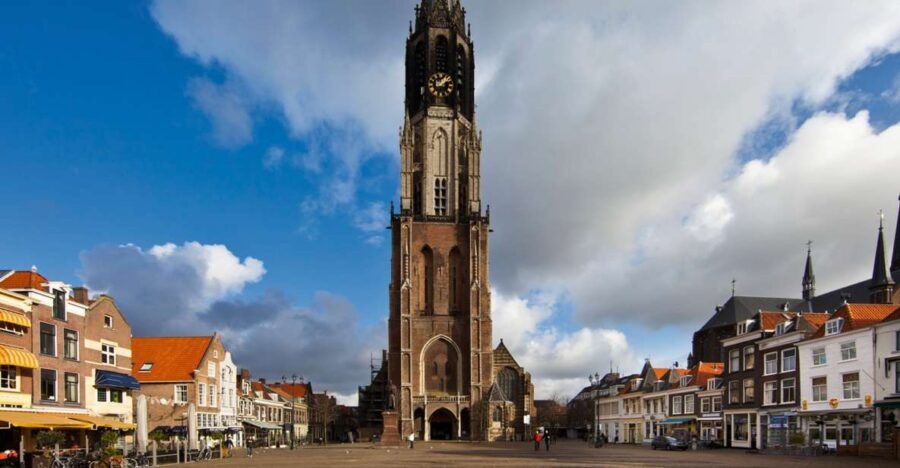
- One ticket, two churches: Old Church (since 1246) plus New Church (completed 1655), all in one visit
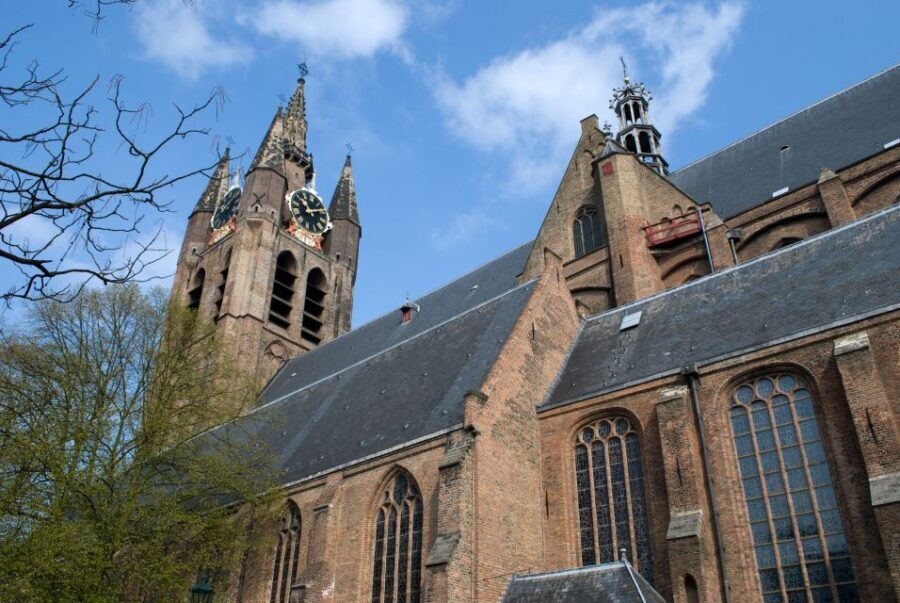
- Leaning John: the Old Church tower leans about two meters off-center
- William of Orange’s mausoleum: major national monument tied to the House of Orange story
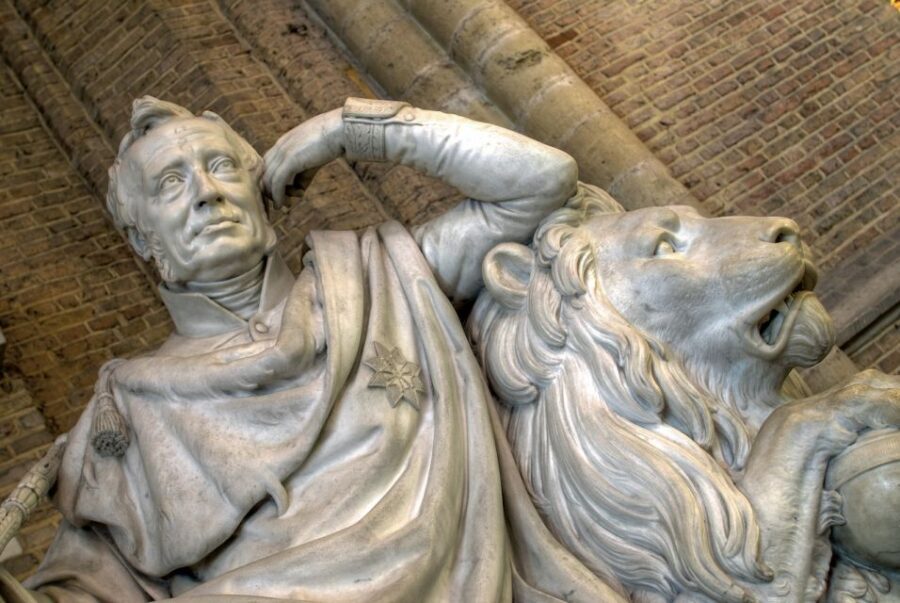
- Royal burials in the New Church: the Dutch Royal Family’s final resting place, beginning with William of Orange
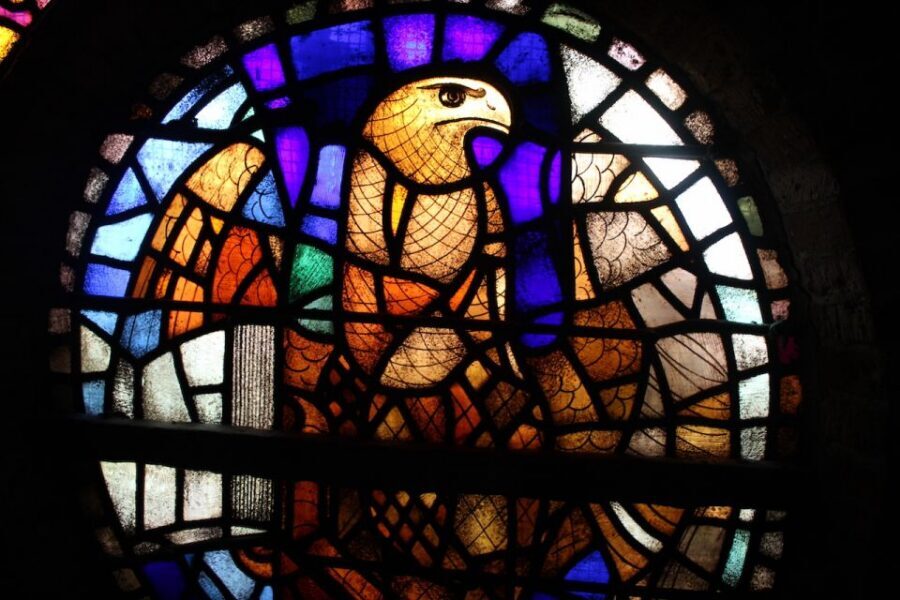
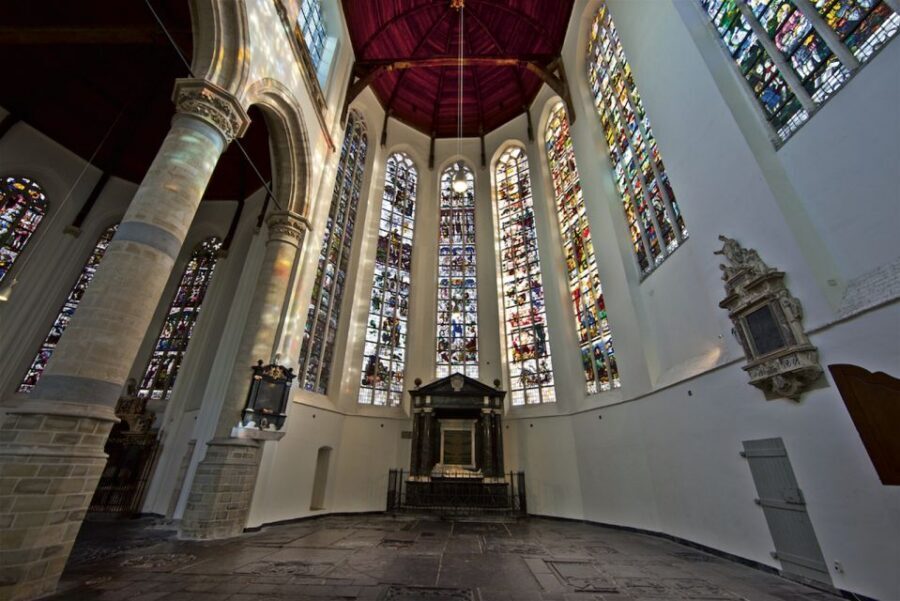
- Organ and stained glass effects: the church’s monumental organ and colorful light across ancient stones
- Self-guided support: floor-plan help and a walk-within-the-monument feel, including video screens and written timelines
Two churches for one ticket: the value of Delft’s Old + New Churches
If you only have a short afternoon in Delft, this is one of the neatest ways to use it. For roughly $11 per person, you get admission to both of the city’s standout church interiors—at the same location cluster—and you’re looking at tombs and monuments that help explain why the Netherlands became what it is.
The best part is how the two churches “argue” with each other in a good way. The Old Church anchors you in medieval Delft. The New Church pushes you forward into the era of power, royal legitimacy, and state symbolism. You’re not just seeing two buildings; you’re seeing a timeline play out through architecture and burial space.
This also works well for people who aren’t church-only travelers. Yes, it’s religious architecture. But the content is history-heavy: national figures, royal burials, and famous Dutch names tied to Dutch art and intellectual life. It’s basically a themed museum visit, but inside working monumental spaces.
You can also read our reviews of more tours and experiences in Delft

Start at the New Church first: where royal power is written in stone
Your visit should begin in the New Church, because that’s the order they expect with the voucher exchange. Plan it as your “big opener.” This church is the final resting place of members of the Dutch Royal Family, and it’s central to why thousands come here.
Why this matters: burial places in Europe aren’t just about death. They’re about identity. The New Church’s role makes the building feel like a national stage—where political history becomes permanent and visible.
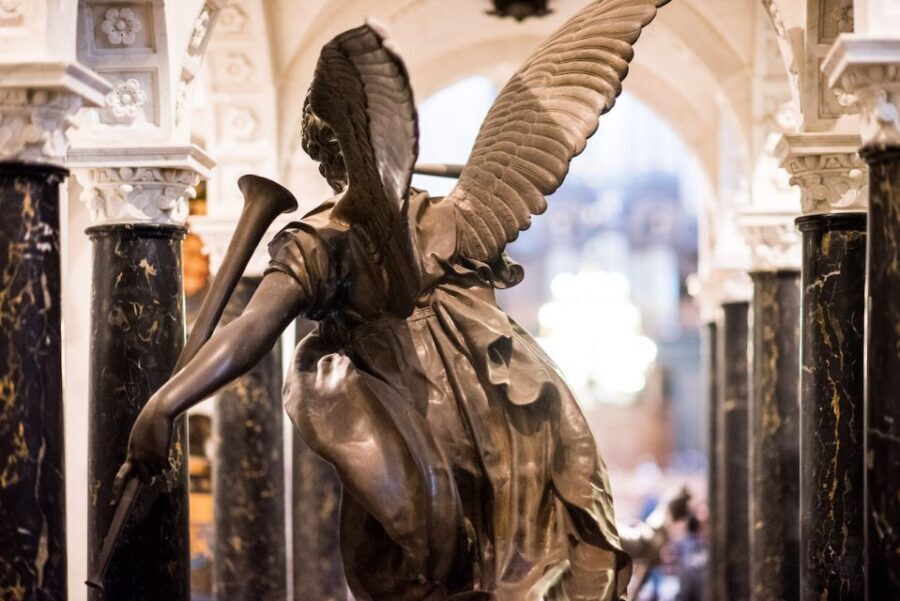
Inside, the headline is the mausoleum of William of Orange, often linked to the label Father of the Fatherland. William of Orange was interred here in 1584, and his presence is the pivot point for the House of Orange burials that follow. Even if you only know the name from a short history class, you’ll feel why it draws crowds: the setting is ceremonial, and the monument is built to communicate importance.
What you should watch for in the New Church
I’d focus on three things while you’re in there:
- The mausoleum layout and storytelling: there’s a walk-style presentation around the grand monument, with video screens and written text that connect people and time periods. That helps a lot if you like context rather than only visuals.
- A model that clarifies the burial area: a model of the crypt/burial vault is included and makes the space easier to understand. It’s the kind of thing that suddenly turns vague “this is a tomb” into something you can picture.
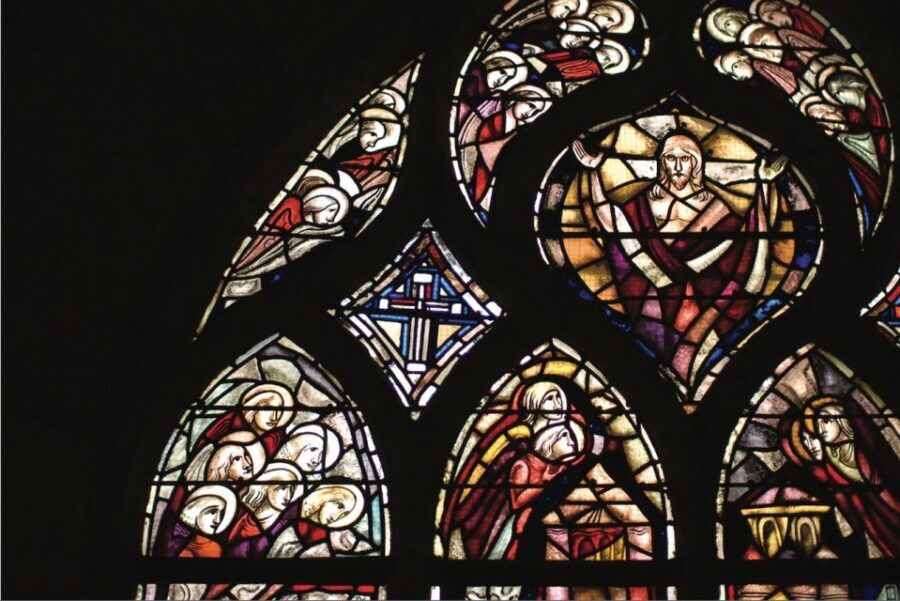
- The organ and the light: the New Church is known for its monumental organ. Even if you don’t catch a full performance, you’ll notice how the space is designed for sound and attention. Add the modern stained-glass windows, which cast colorful light across older stones, and the contrast feels intentional—old and new talking to each other.
One more practical point: the New Church visit works best if you don’t rush. Give yourself time to stop at the monument information points before you move on. The building rewards slower looking.
The Old Church: Leening John and Delft’s famous names

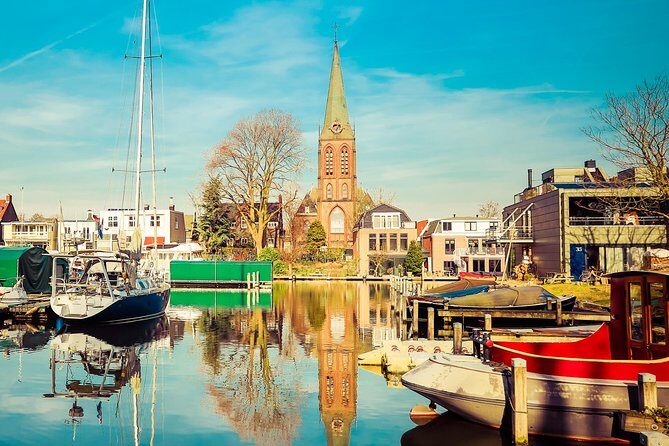
Once you’ve got the royal story in your head, the Old Church changes the mood. This church has been standing in Delft since 1246, and it feels more medieval in atmosphere—less state pageantry, more centuries of local devotion layered together.
The Old Church tower is the star feature most people come for, and it has a nickname that’s hard to forget. The tower leans about two meters off-center, and it’s known as Leaning John.
Why the leaning tower is more than a photo stop
A lean like that is not just a gimmick. It changes how you read the building. If you take even a couple minutes to observe the tower’s relationship to the rest of the church, you’ll understand why it became a landmark. It’s a physical reminder that age and time leave marks.
And then there’s the “who’s buried here” part. The Old Church includes the burial presence of Johannes Vermeer—the master people associate with Delft light. If you’ve ever stood in front of a Vermeer painting and wondered how much place matters to art, this is one of those rare moments where the geography clicks.
You can also find other important Dutch names connected to this church, including Piet Hein and Antoni van Leeuwenhoek. That mix helps the Old Church feel less like a single subject and more like a snapshot of Dutch achievement—art, science, and state history all under one roof.



Stained glass and memorials
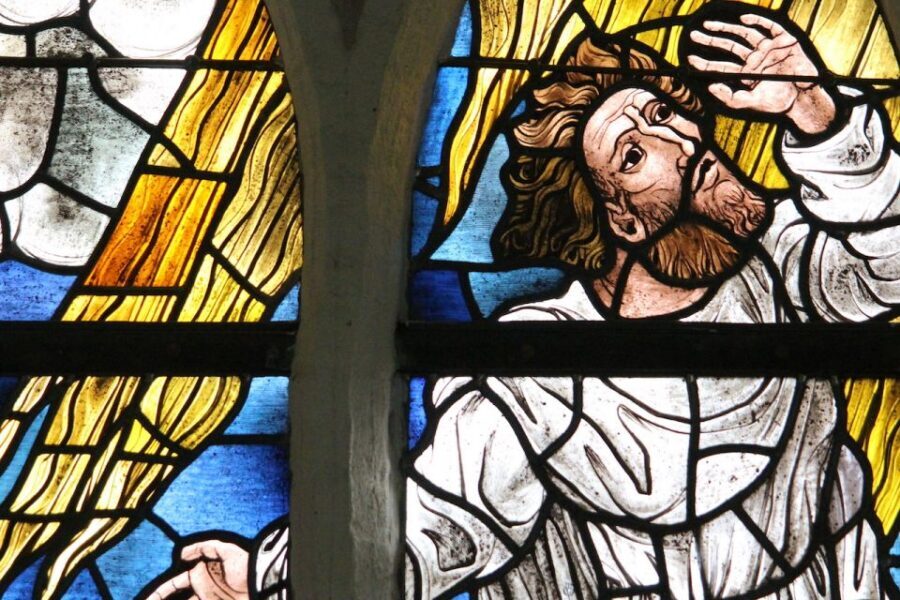
Along with the famous tower, the Old Church has historic tomb monuments and stained-glass windows that add color without pulling focus away from the gravestones and memorials. If you like architecture, this is a good place to pause and let the windows and monuments build a mental picture together.
How the two-church story connects: medieval faith to royal grandeur
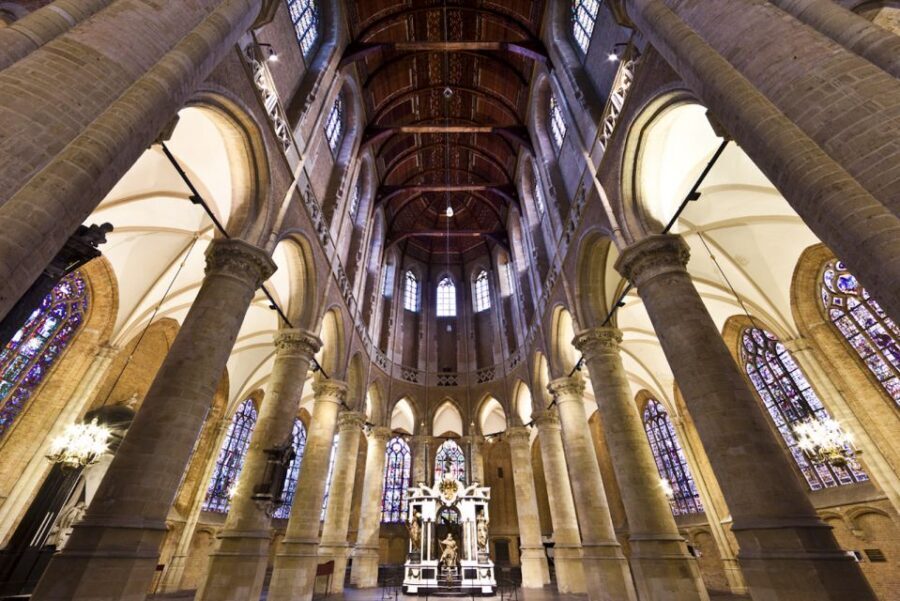
Here’s the thing I like about doing both churches on the same ticket: the visitor flow becomes a narrative. The New Church tells you how power and legitimacy wanted to be remembered. The Old Church tells you how a city expressed identity long before the royal era fully dominated the story.
So even though you’re walking around in Delft churches, you’re really moving through two big themes:
- Continuity of remembrance: people keep returning to mark what matters.
- Shifts in who gets honored: the names and the monuments reflect what the Netherlands valued at different times.
If you’re the kind of person who enjoys “small context” while you travel, this ticket gives it in a way that doesn’t require a deep background. The monument information and the built-in storytelling points make it easier to connect William of Orange’s interment to the larger House of Orange narrative, and then pivot from national power back to Delft’s local intellectual and artistic legacy.
Timing reality: what 1.5 hours feels like (and how to not get squeezed)
The total time you’re set up for is about 1.5 hours. In practice, that’s enough if you move with purpose but not enough if you plan to linger forever in every single corner.
Here’s the timing setup to keep in your head:
- You must exchange your voucher at the ticket counter.
- You must visit the New Church before the Old Church.
- No new visitors are admitted in the churches within 15 minutes before closing.
- The tower closes one hour earlier than the churches.
- The tower can also close due to weather conditions.
That tower detail matters if you’re traveling on a tight schedule. If you want to see the tower area, build in time early. If you arrive late, you might still enjoy both interiors but miss the tower.
A helpful approach is simple: commit to the New Church monuments first (that’s your “must-see”), then move to the Old Church for the leaning tower and the tomb names.
Price and value: why $11 is fair (when you use it right)
At about $11 per person, this ticket is good value because you’re paying for access to two major landmarks tied together in a single storyline.
If you tried to do these separately, you’d likely spend more and waste time figuring out separate admissions. Here you get both church interiors as one package, and you’re not only paying for entry—you’re paying for the fact that these buildings function like history rooms.
What makes it worth it:
- Two churches, not one: you’re getting a range of ages and styles.
- Focused monuments: William of Orange’s mausoleum and the royal burials are a specific, major draw.
- Delft-specific cultural names: Vermeer, Piet Hein, and van Leeuwenhoek give the visit local meaning beyond “general European church.”
If you’re the type who usually skips tomb monuments because they feel repetitive, this is one of the exceptions where the storytelling support and the variety of names can keep you interested.
Practical visit tips: small rules that shape your experience
A few on-site rules affect how the visit feels, so it’s worth knowing them up front:
- No food or drinks
- No alcohol and drugs
- The floor may be uneven or bumpy, even though the churches are wheelchair accessible
- The tower may be closed due to weather, and the churches may have adjusted hours due to activities
If you’re visiting with kids, I’d treat it like a “history hunt” rather than a slow sit-and-stare museum. Pick two names you want to find, then let the rest be bonus.
Also, bring your patience for church pacing. This is not a sprint through rooms. It’s a “stop and read” kind of place, especially around the royal mausoleum where there’s structured information like video screens and written timelines.
Accessibility and comfort: good news, plus one real-world caveat
The churches are wheelchair accessible, which is a big win. But you should still expect the type of flooring that can be tricky in older historic buildings. The data here notes that the floor may be uneven or bumpy.
So if you’re using a wheelchair or pushing someone, plan for slower movement and a little extra time at each stop. You’ll still be able to enjoy both churches, but you’ll feel the building’s age in the ground under your wheels.
Should you book this Delft church ticket?
I think you should book it if you want a smart, high-impact stop in Delft that covers art, national history, and architecture without needing a guided tour. It’s also ideal if you like self-guided experiences with built-in context—especially around the William of Orange monument, where the presentation feels designed to help you understand what you’re seeing.
Skip it (or go with lower expectations) if:
- you’re mainly after climbing-tower views and you’re arriving late enough that the tower could already be closed,
- you dislike reading and prefer purely visual attractions (there’s a lot of monument information),
- or you’re sensitive to construction disruptions, since buildings like this can have works going on.
If your goal is a compact “two eras of Delft” visit in about 90 minutes, this one-ticket combo is a solid choice.
FAQ
Which church should I visit first?
Visit the New Church before the Old Church. You must exchange your voucher at the ticket counter, and the order is part of the entry flow.
How long does the visit take?
The experience is set for about 1.5 hours.
Are there time limits near closing?
Yes. No visitors are admitted within 15 minutes before closing time. Also, the tower closes one hour earlier than the churches.
Is a guide included?
No. A guide is not included with admission to the Old and New Churches.
Can I bring food or drinks inside?
No. Food and drinks are not allowed, and alcohol and drugs are also not allowed.
Is it wheelchair accessible?
Yes, the churches are wheelchair accessible, though the floor may be uneven or bumpy.