REVIEW · AMSTERDAM
Amsterdam: Red Light District Tour in German
Book on GetYourGuide →Operated by Smile Walkers · Bookable on GetYourGuide
Sex shops and history, explained in German.
This is the kind of tour that turns a tricky neighborhood into something you can understand fast. You get Sandro’s humor and a lot of time for questions (not a rushed lecture). One consideration: it’s not suitable for children under 14, and the subject matter is adult by nature, so it may not be your idea of a relaxed stroll.
You meet near Centraal, and the 2-hour walking format keeps things moving without frying your feet. Expect German-led guidance with English available as needed, plus lots of photo-stop moments along the way.
In This Review
- Key highlights worth your attention
- Meet Sandro near Centraal, then walk with confidence
- Basilica of Saint Nicholas: the calm start before the swirl
- Nieuwmarkt Square and Chinatown: context without the awkwardness
- The old church stop: a quick pause that makes the story stick
- Shopping stops and alley photo moments: what you’ll actually see
- Understanding green and blue shop windows (and how meetings work)
- The Red Light District walking segment: sightseeing with answers ready
- Live shows, bars, and pubs: using the tour for what comes after
- Price check: is $31 for 2 hours good value?
- Language and group vibe: German-led, English-supported
- Accessibility and who this tour fits best
- Quick practical advice before you go
- Should you book this German Red Light District tour?
- FAQ
- How long is the Amsterdam Red Light District Tour in German?
- Where does the tour start?
- What languages are available?
- Is this tour wheelchair accessible?
- Is the tour suitable for children?
- Can I cancel for a refund?
Key highlights worth your attention
- Sandro leads in German and can switch to English when it helps
- Photo stops built in, so you’re not guessing where to stand for pictures
- You ask the questions you’ve been wondering, including how things work and what the window colors mean
- Route covers the approach area first (Nieuwmarkt and the old church) before you hit the Red Light District
- You get practical safety context and comparisons, like how Amsterdam differs from Hamburg
- Wheelchair accessible, and Sandro has experience supporting accessibility needs
Meet Sandro near Centraal, then walk with confidence
The tour starts at the Basilica of Saint Nicholas, and you’ll circle back there at the end. For the meet-up, you’re told the group will be about 50 meters in front of Centraal station, and Sandro will approach you using the name from your booking. That simple setup matters because Amsterdam is easy to wander in—but easy to waste time too.
What I like about this format is that it’s not just a Red Light District hit-and-run. You build context first, which makes everything you see afterward land better. Also, the pace is set for real conversation, not constant marching.
Sandro is a local guide offering a few versions of the tour. If you end up liking his style, it’s useful to know there’s also a private-group option for 4 people or more, plus a version that includes a bar visit with a free drink and a stop at a coffee shop. That flexibility can be a big deal if you’re traveling with friends and want the same guide energy with a slightly different mix of stops.
You can also read our reviews of more tours and experiences in Amsterdam.



Basilica of Saint Nicholas: the calm start before the swirl
You begin at the Basilica of Saint Nicholas, which is a nice “soft landing” point before you head into one of Amsterdam’s most talked-about areas. Even if you’re not into church architecture, starting somewhere recognizable gives you an anchor for the rest of the walk.
You’ll get a photo stop early on as well. The tour plan allows about 30 minutes for the first segment, including photo time and walking. This is the part where the guide typically sets expectations and helps you get your bearings fast—before the alley streets turn into a maze.
Practical tip: bring comfortable shoes. Two hours in the city can be perfectly manageable, but the Red Light District streets are the kind that make you notice every change in cobblestone.
Nieuwmarkt Square and Chinatown: context without the awkwardness
After the start, the route shifts toward Nieuwmarkt Square. You’ll spend around 20 minutes here, with more walking and photo stops. This is one of those smart moves: you’re not dropped straight into the most intense visuals. Instead, you ease in through the broader neighborhood feel.
The guide also brings in the China Town area as part of the walk. That matters because the Red Light District isn’t a standalone island—it’s stitched into the city’s daily life, streets, and history layers. Seeing the surrounding areas first helps you understand why the neighborhood has the feel it does today, instead of treating it like a theme set.
For you, this section is about mental prep. You’ll be more comfortable when you finally reach the main streets and alleys, because you’ll already know what the guide is mapping out and why.
The old church stop: a quick pause that makes the story stick
The tour includes a famous old church along the way. You don’t need to be a church person to enjoy this stop. It’s a chance to slow down, reset, and let the guide’s historical framing click.
In places like this, history isn’t abstract—it’s visible. Even if you only have a small window of time, stopping at a landmark like this helps you connect the modern neighborhood to the older city fabric.
This is also typically when your questions get easier to ask. You’ve already walked a bit, you’ve seen the guide’s style, and the tour doesn’t feel like you’re being pushed through awkward topics.
Shopping stops and alley photo moments: what you’ll actually see
Once you reach the Red Light District approach, the plan includes a short segment that includes visiting and shopping. That doesn’t mean you’re forced into buying anything—it’s more about letting you see how the street-level commercial side fits into the neighborhood.
And yes, you’ll have plenty of chances for selfies and pictures. The tour is designed around photo stops, so you’re not standing around wondering where it’s okay to stop. I’d still suggest keeping your camera use focused on the stops your guide points out, rather than trying to improvise in tight areas.
Here’s what’s especially useful: the guide points you toward the shop windows in the alleys, not just the headline street. If you only walk the main road, you miss the details that help you understand what you’re looking at.


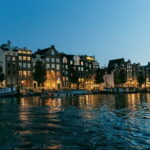
Understanding green and blue shop windows (and how meetings work)
This is the part of the tour that people usually remember. The guide explains the history and origins of Amsterdam’s Red Light District, but also the current situation in a relaxed way.
You’ll cover practical questions, including:
- how a meeting with a prostitute works
- what the green and blue shop windows mean
- how safe it is to be there, and how that safety is understood
- how Amsterdam’s Red Light District differs from the Red Light District in Hamburg
Even if you don’t plan to ever do anything beyond watching from the sidewalk, this kind of explanation changes the whole experience. It turns the area from shock-and-stare into something you can interpret. You stop guessing. You start understanding the system, the symbols, and the context behind the visuals.
And the tone matters. The guide’s approach is described as humorous and story-driven, which makes the information easier to hold. When a tour can explain something sensitive without turning it into a joke, you end up learning more—and feeling less awkward.
The Red Light District walking segment: sightseeing with answers ready
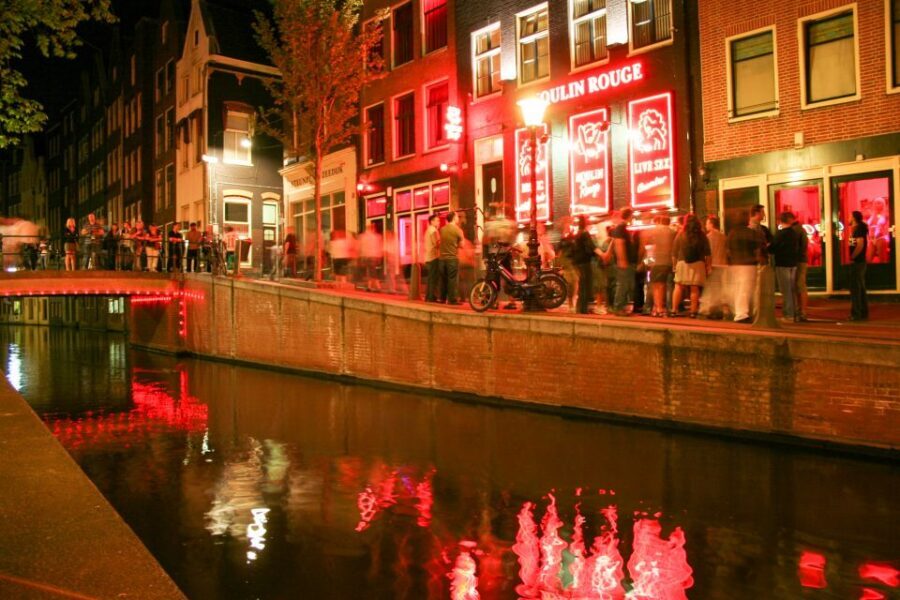
The core portion of the tour is about one hour inside the Red Light District area itself, with guided sightseeing and walking. This is where you’ll see the red-light district, the main street, and the shop windows in the alleys.
I like that it’s not presented as a pure spectacle. The guide connects what you see to why it exists, how it evolved, and what it looks like today. That’s also where you’ll likely ask the questions you’ve been holding back since booking.
One reason this tour has a strong rating (4.9 out of 5 from 25 reviews) is consistency in that “answer-first” approach. People highlighted Sandro’s wide Amsterdam knowledge, plus the way he keeps the tour fun—without losing the thread of the explanation.
Also, there’s real-time flexibility here. One note from booking experiences is that he can re-plan spontaneously when needed. That kind of adaptability matters in Amsterdam, where street life can shift quickly.
Live shows, bars, and pubs: using the tour for what comes after
Toward the later portion of the walk, the guide is happy to share favorite live shows, entertainment bars, pubs, and more. This is more useful than it sounds.
Why? Because Amsterdam can be overwhelming. A two-hour tour isn’t just about what you see—it’s also about how you avoid wasting the rest of your trip on tourist traps. When a local shares places for evening energy, you can build a plan that fits your vibe and your schedule.
If you’re booking the German version, it’s also comforting to know the guide has a bilingual setup (German and English). That can help you feel less stuck if you’re not fully comfortable with German.
Price check: is $31 for 2 hours good value?
At around $31 per person for about two hours, the price feels reasonable for a walking tour that includes a local guide, German instruction, and built-in time for questions.
What makes the price feel fair is that you’re not paying just for a route. You’re paying for context: explanations about window colors, meeting mechanics, safety framing, and comparisons like Amsterdam vs. Hamburg. That kind of practical interpretation is where many tours earn their keep—or fail to.
Also, the “photo stop” structure gives you something concrete to show for your time: photos with a sensible guide plan, not random wandering.
If you’re deciding between the standard tour and a version with added stops (bar with free drink and a coffee shop stop), you can treat that as a value upgrade rather than a gimmick. You’re basically buying extra hang-out time with the same guide.
Language and group vibe: German-led, English-supported
This tour is offered in German, with English also available. The tour description notes that some content is shown in the original language, which is normal for tours running in multilingual formats.
In practice, this means:
- If you speak German, you’ll likely feel fully included.
- If your German is limited, English support helps you still get the key points.
A mixed group can be a plus, too. You get different question styles, and the guide can explain concepts in a way that makes sense to people who might otherwise be too shy to ask.
If you want a tighter, more private experience, Sandro’s private-group option is worth considering. It’s mentioned as a reduced rate for groups of 4 or more.
Accessibility and who this tour fits best
This tour is wheelchair accessible, and the information also says dogs are welcome. Another key note: it’s not suitable for children under 14.
From a practical standpoint, I think this tour fits best for adults who:
- want local context instead of just seeing the street visuals
- enjoy asking questions and want real answers
- are comfortable walking for about two hours
- care about a guide who can handle sensitive topics with humor and clarity
If you’re traveling with mobility needs, it’s especially valuable that the guide is experienced supporting accessibility requests.
Quick practical advice before you go
- Wear comfortable shoes. The walking time is short, but the streets are not always smooth.
- Expect a conversation-heavy tour. Bring curiosity, not just a camera.
- If you’re nervous about adult subject matter, remember this is framed as historical and informational, with current context too.
And if anything about your trip has special needs, the guide provides a WhatsApp number in advance. That’s helpful for making the tour feel smoother before you arrive.
Should you book this German Red Light District tour?
Book it if you want a guided walk that helps you understand what you’re seeing, including the meaning of green and blue shop windows and the broader history behind the area. The $31 price makes sense when you factor in German-guided interpretation, time for questions, and an efficient two-hour route.
Skip it if adult-only topics will make you uncomfortable, or if you’re traveling with children under 14. Also, if your main goal is purely photo-taking with no interest in explanations, you might find a different walking tour better fits your style.
If you do book, arrive ready to ask what you’ve been wondering. This is a tour where the answers are part of the fun—and Sandro’s humor keeps the pace light while the information stays solid.
FAQ
How long is the Amsterdam Red Light District Tour in German?
It lasts about 2 hours.
Where does the tour start?
The meeting point is about 50 meters in front of Centraal station, and Sandro will approach you based on the name used for your reservation. The tour is associated with the Basilica of Saint Nicholas as the starting and ending location.
What languages are available?
The tour is in German, and English is also available.
Is this tour wheelchair accessible?
Yes, the tour is wheelchair accessible.
Is the tour suitable for children?
No. It is not suitable for children under 14.
Can I cancel for a refund?
Yes. Free cancellation is available up to 24 hours in advance for a full refund.