REVIEW · AMSTERDAM
Amsterdam: Red Light District Tour
Book on GetYourGuide →Operated by Guidance Travel · Bookable on GetYourGuide
Amsterdam’s most talked-about block deserves context. This Red Light District tour takes you through the area’s real-life systems—sex work legalization, drug policy, and why the city is known for a more liberal approach—explained by a local resident. I like that it’s not just “see and go,” with stops that lead you from major squares toward De Wallen.
Two things I especially like: the guide’s mix of human stories and city history (including current sex worker challenges), and the respectful, practical tone that makes questions feel welcome. I also really like the added payoff at the end: a map for the last stretch plus a small gift to lighten the mood after a serious topic.
One thing to consider: because guided tours inside the Red Light District are prohibited (since 2020), you’ll explore the outskirts rather than walking through the main window streets. If you’re expecting to go right up to the densest storefront area with your guide, this tour will feel more like a guided orientation than a full pass-through of the district.
In This Review
- Key highlights worth choosing this tour for
- Why Amsterdam’s Red Light District feels different from other cities
- Meeting at Beursplein: where the tour starts (and how you’ll find the guide)
- The route from Beursplein to Dam Square: setting the neighborhood in context
- Warmoesstraat: the street that helps the policies make sense
- Zeedijk Street and Nieuwmarkt Square: photo stops with a sense of place
- Ending near De Wallen: what you can do after the guided portion
- Coffee shops, sex work, and Amsterdam’s tolerance explained without hand-waving
- What it’s like when you can’t go inside (and why the map still helps)
- The guide experience: why Manouk’s style gets so much praise
- Price and value: $25 for a 1.5-hour local perspective
- Rules you should know before you go
- Who this tour is for (and who might want a different option)
- Should you book the Amsterdam Red Light District Tour?
- FAQ
- How long is the Amsterdam Red Light District tour?
- Where do I meet the guide?
- Does the tour go inside the Red Light District?
- What’s included with the tour?
- What language is the tour offered in?
- Is it okay to bring alcohol or drugs?
- Is the tour wheelchair accessible?
Key highlights worth choosing this tour for
- Local resident perspective that puts day-to-day realities into plain language
- Sex work legalization and current challenges covered with sensitivity
- Coffee shop culture and Amsterdam’s drug policy explained in context
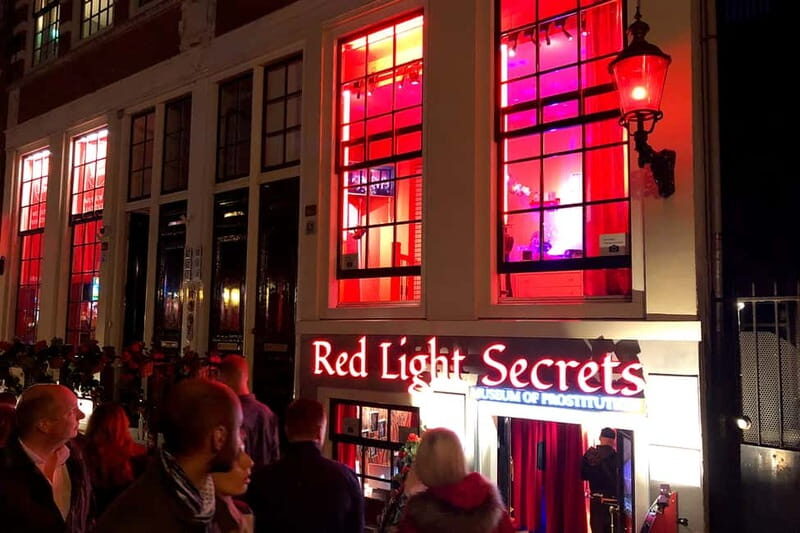
- Outskirts only due to rules since 2020, plus a map so you can continue afterward
- A practical walking route across central streets toward De Wallen, with photo stops
- A small gift at the end to make the experience feel complete
Why Amsterdam’s Red Light District feels different from other cities
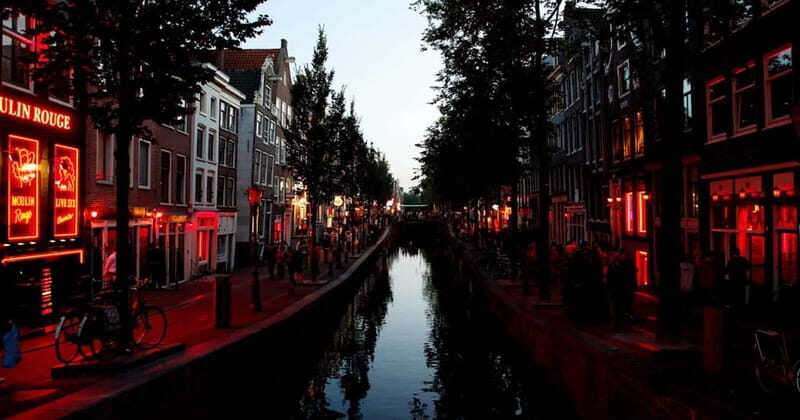
Amsterdam has a reputation you can’t miss. But what makes it click when you’re standing near De Wallen is the way the city treats sex work and soft-drug policy as part of a broader social system, not something purely hidden.
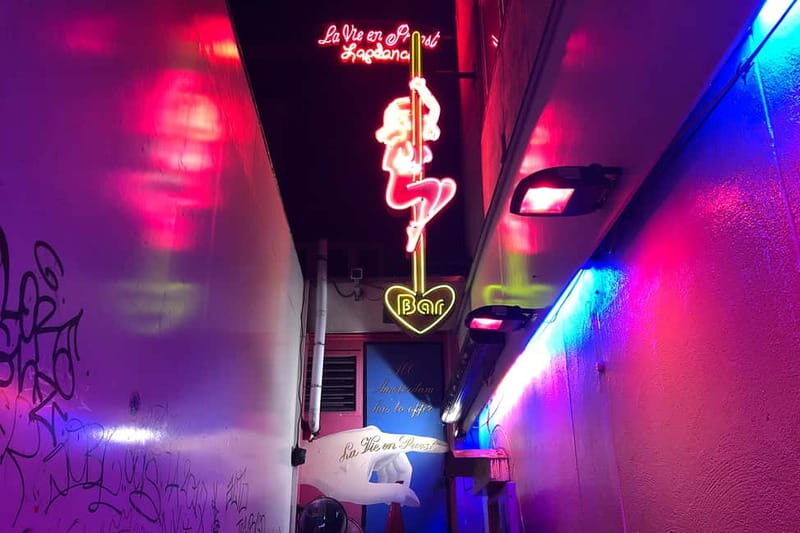
On this tour, the story is less about shock and more about function: why Amsterdam has been willing to regulate, what legalization was meant to change, and what issues sex workers still face today. You’ll also hear why coffee shops became a cultural landmark, not just a rule.
You can also read our reviews of more tours and experiences in Amsterdam.



Meeting at Beursplein: where the tour starts (and how you’ll find the guide)
Meet at Beursplein on the square. Go to the bottom of the stairs of Bistro Berlage, and look for the large black lantern with a sign that reads Guidance.
This matters because the tour is only 1.5 hours, so getting the start smooth helps you spend time learning instead of wandering. Wear comfortable shoes—this is a walking experience, with a steady pace between central landmarks and nearby streets.
The route from Beursplein to Dam Square: setting the neighborhood in context
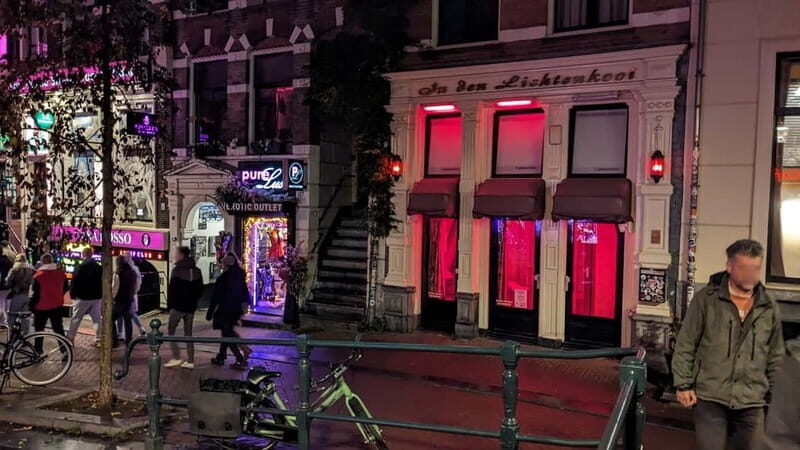
The first stretch is about getting oriented fast. You start with a short guided segment around Beursplein, then move toward Dam Square, one of Amsterdam’s most recognizable civic hubs.
Dam Square is where you learn how the Red Light District isn’t isolated from the rest of the city. It sits close to major public life, which is a big part of why Amsterdam can feel unusually matter-of-fact about regulated activities.
Warmoesstraat: the street that helps the policies make sense
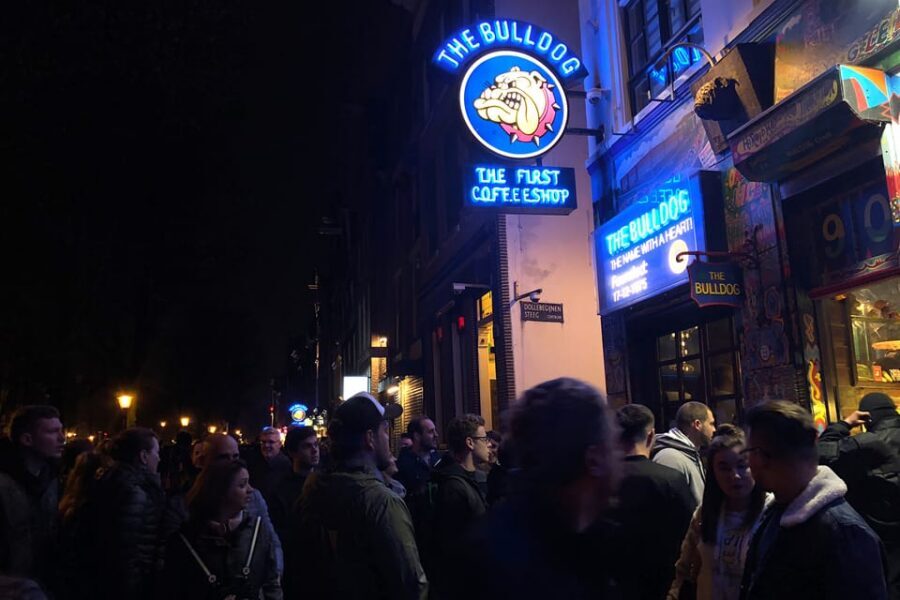
Next comes Warmoesstraat, a key corridor on the way toward the Red Light District’s edge. This is where the tour’s explanations start to feel more grounded, because you’re moving through streets that connect tourist Amsterdam to the neighborhood’s everyday routines.
Expect the guide to connect the city’s liberal attitude to practical outcomes, including the legalization of prostitution and the ongoing challenges sex workers face. The aim is to help you see the area as a real community shaped by policy, economics, and safety concerns—not just signage and stereotypes.
Zeedijk Street and Nieuwmarkt Square: photo stops with a sense of place
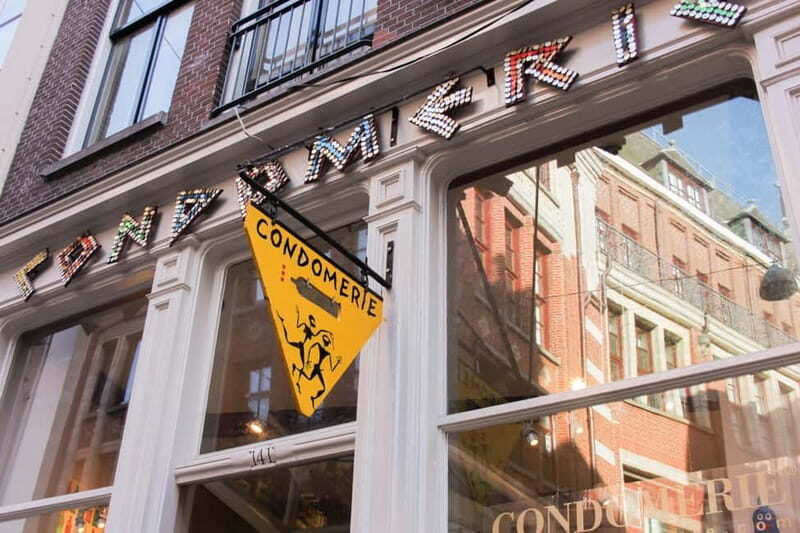
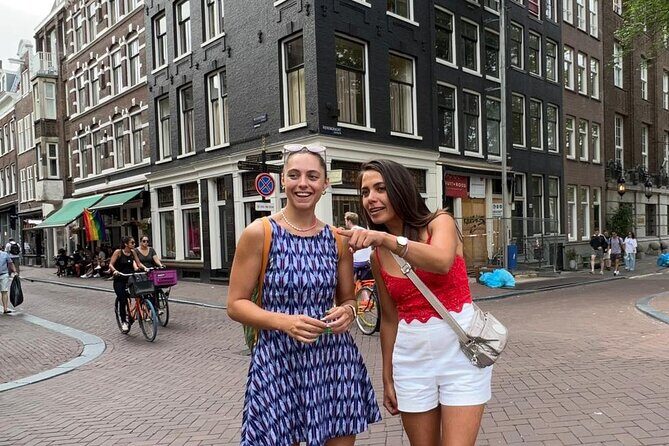
You’ll hit Zeedijk Street next, and it includes a photo stop. This is a nice moment to slow down for a quick picture and reset your brain, because the information you’ve heard so far can feel heavy.
Then you’ll move to Nieuwmarkt Square, another photo stop area where the city’s older layout and canal-era vibe sit close to modern debates. These stops aren’t filler. They help you connect what you’re hearing with what you’re seeing, so the history doesn’t stay trapped in talking points.



Ending near De Wallen: what you can do after the guided portion
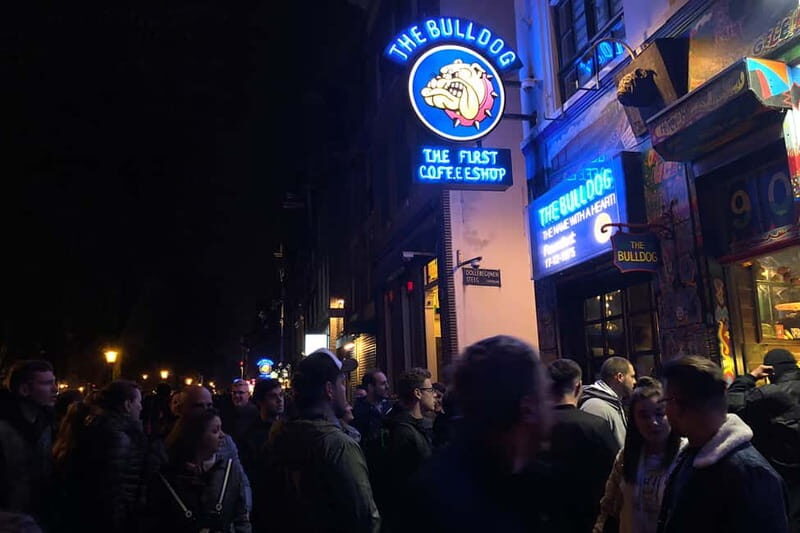
The tour finishes in the De Wallen area, and you’ll be given a map to help you explore the last stretch on your own. This is a smart solution to the big rule: guided tours inside the Red Light District are prohibited since 2020, so your guide can’t lead you through the main interior streets with commentary.
Instead, you get a guided orientation plus a path forward. That means you’re not left guessing where to go or what you’re looking at—you get a clear next step so the district becomes something you can navigate thoughtfully.
Coffee shops, sex work, and Amsterdam’s tolerance explained without hand-waving
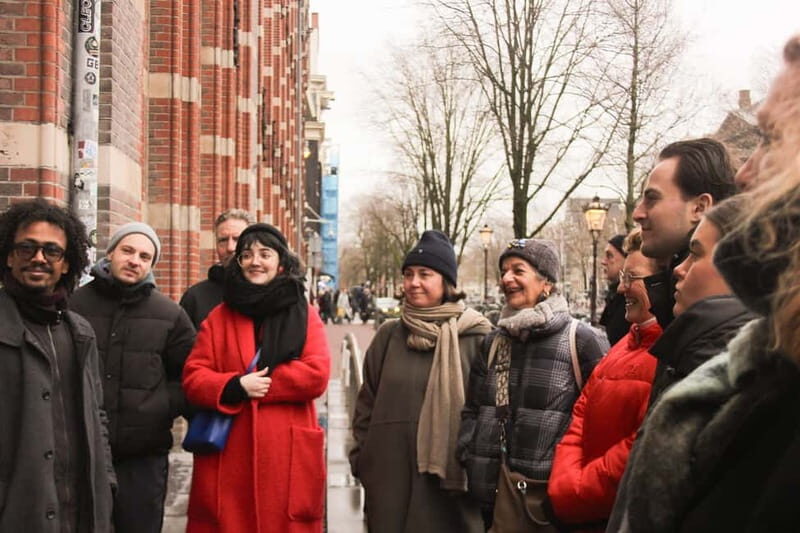
A lot of Amsterdam tours treat coffee shops like a punchline. This one treats them like culture with history and rules.
You’ll learn about Amsterdam’s reasons for a liberal attitude toward sex and drugs, and how that approach shaped everyday life in and around De Wallen. The tour also aims to explain why coffee shops became culturally significant—why they’re discussed in the same breath as broader tolerance policies, rather than as a separate topic.
This is also where you’ll get the tour’s human layer. Instead of focusing only on the sex-work “product,” the guide brings in day-to-day realities and the current challenges sex workers deal with. It’s the difference between seeing a headline and understanding the lived world behind it.
What it’s like when you can’t go inside (and why the map still helps)
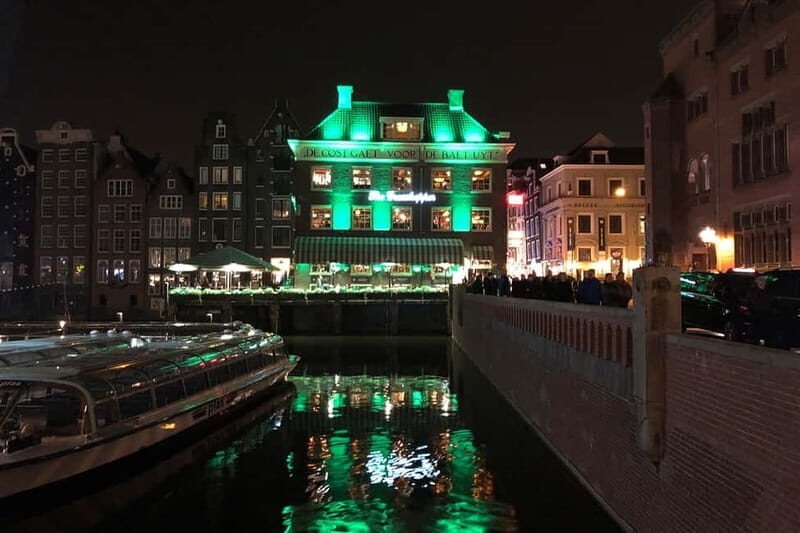
Because tours inside the Red Light District are prohibited since 2020, you won’t walk the main window streets with a guide. If you’re chasing that specific photo-and-commentary experience, you may feel you’re doing the “outside version.”
But the trade-off is actually the point. You get the surrounding street-level context and the policy explanation you’d need even if you could go inside. Then the guide hands you a map so you can choose how close you want to go after you’ve been oriented.
So think of this as a respectful primer. You can still see the area, you just do it with better framing and more control over your comfort level.
The guide experience: why Manouk’s style gets so much praise
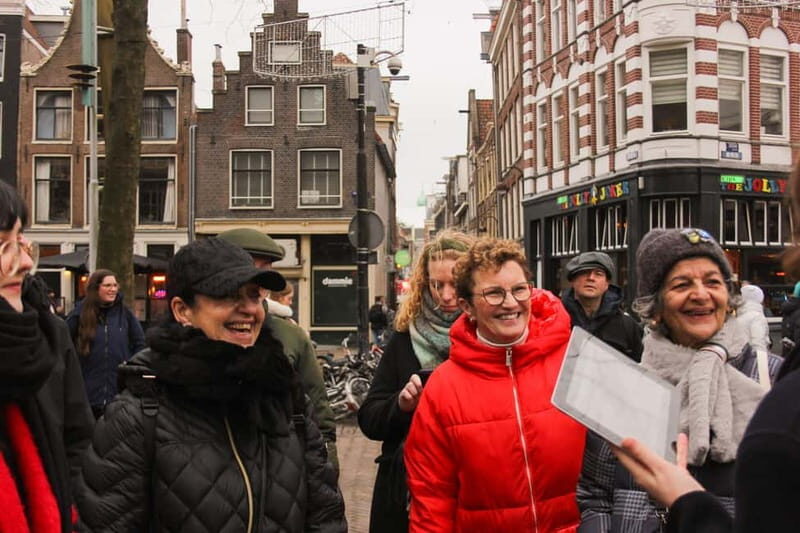
Many people highlight the tour guide experience, and the name Manouk shows up repeatedly. The praise is consistent: she’s friendly, approachable, and good at answering questions in a way that keeps things safe and thoughtful.
From the tone people describe, she mixes history with real-life sensitivity, with a steady pace and enough time at each stop to absorb what’s being explained. You also get a sense of humor along the way, which matters because the topic is serious and you don’t want the whole walk to feel like a lecture.
On some departures, you might also see extra support (including mention of a sidekick named Trixie), which can make the group feel even more guided and comfortable.
Price and value: $25 for a 1.5-hour local perspective
At $25 per person, you’re paying for three things that often cost more elsewhere: a local resident’s context, an efficient route through key locations, and follow-through materials (the map plus a small gift).
Because the tour is only 1.5 hours, it’s also a practical “first Amsterdam night” choice. You can learn what you’re looking at near the center without burning an entire afternoon. And since the tour ends with a map, you’re not just paying for walking—you’re paying for smarter self-exploration afterward.
If your goal is entertainment only, this might be more reflective than expected. If your goal is understanding—policy, culture, and how a neighborhood functions day-to-day—it’s strong value.
Rules you should know before you go
This tour is designed to stay respectful. There are clear behavior boundaries: alcohol and drugs are not allowed during the experience.
You’ll also want comfortable shoes, since you’ll cover multiple central streets and squares. If you need mobility support, the tour is listed as wheelchair accessible, which is a big plus for a neighborhood that can be uneven.
Who this tour is for (and who might want a different option)
This is ideal if you want a grounded, explanatory walk around Amsterdam’s most misunderstood area. You’ll enjoy it most if you like history tied to real-life issues—especially if you care about understanding sex work and drug policy as regulated parts of society.
It’s also a good fit for first-timers who want context without wandering the district blindly. And if you prefer a guide-driven route but still want freedom afterward, the map at the end is a helpful bridge.
Should you book the Amsterdam Red Light District Tour?
I think you should book it if you want the Red Light District to make sense beyond the headlines. The combination of local resident guidance, an emphasis on legalization and current challenges, and practical stops toward De Wallen makes the experience feel purposeful.
If you’re mainly chasing the option to be taken inside the busiest window streets with commentary, know that this tour stays on the outskirts because of rules since 2020. In that case, you might feel slightly unfulfilled.
Bottom line: if you want context, a respectful tone, and a plan for what to do next, this is a very solid pick for central Amsterdam.
FAQ
How long is the Amsterdam Red Light District tour?
The tour lasts about 1.5 hours.
Where do I meet the guide?
Meet at Beursplein. Go to the bottom of the stairs of Bistro Berlage, and look for the guide holding a large black lantern with a sign that says Guidance.
Does the tour go inside the Red Light District?
No. Guided tours inside the Red Light District are prohibited since 2020, so the tour explores the outskirts.
What’s included with the tour?
You get a walking tour around the area, a live guide, a map with information for the last stretch of the district, and a small gift.
What language is the tour offered in?
The tour is offered in English and Dutch.
Is it okay to bring alcohol or drugs?
No. Alcohol and drugs are not allowed on the tour.
Is the tour wheelchair accessible?
Yes, the experience is listed as wheelchair accessible.