REVIEW · AMSTERDAM
Amsterdam: Historic Tram Ride on Heritage Line to Amstelveen
Book on GetYourGuide →Operated by Electrische Museumtramlijn Amsterdam · Bookable on GetYourGuide
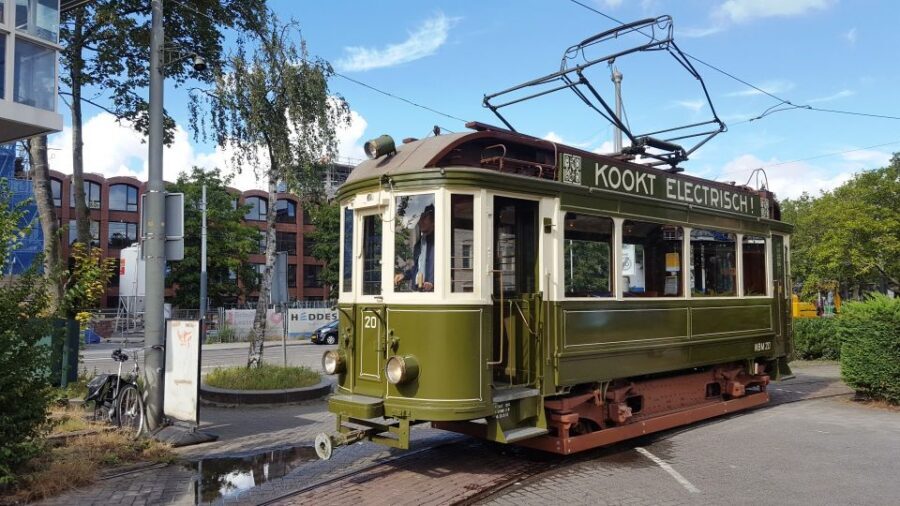
Old-town tram sounds, but in Amsterdam. This is a throwback ride on the historic Lijn 30 tram from Haarlemmermeerstation to Amstelveen, where the conductor still does the old-school ticket punching and the tram announces departures with whistle and bell. I love the hands-on feel of having your ticket punched by a real conductor, and I love how the fully restored tram car makes the whole ride feel authentic instead of like a museum prop.
One catch: the track line itself is not the most scenic part of Amsterdam. If you’re expecting dramatic views the whole way, you may find the route a bit plain and the fun comes more from the tram experience than nonstop sights.
In This Review
- Getting on board at Haarlemmermeerstation
- Key highlights you’ll feel right away
- The Lijn 30 tram experience: what makes it different from regular transit
- From the Tramshop to the platform: your start at Haarlemmermeerstation
- On the tram: ticket punching, stop calls, and conductor signals
- The Amstelveen route: what the ride feels like end to end
- Stop strategy: Olympic Stadion, Amsterdam Forest, and Lake Bosbaan
- Olympic Stadion stop: good for a landmark pause
- Amsterdam Forest stop: an easy nature break
- Lake Bosbaan stop: calm waters with a simple plan
- Heemtuinen wildlife garden: the nature stop that feels hands-on
- Old Village redbrick buildings: a small-town feel within Amstelveen
- Why the historic track details matter (even when you’re not watching)
- Price and value: is $9 worth it?
- Who should book this heritage tram ride
- Practical tips so your hour goes smoothly
- Should you book the Amsterdam historic tram ride to Amstelveen?
- FAQ
- FAQ
- How long is the historic tram ride from Amsterdam to Amstelveen?
- Where does the tram ride start?
- Where does the tram ride end?
- Is it a roundtrip ticket?
- What is included in the price?
- Do I need to exchange my ticket before boarding?
- What do the conductor and tram do during the ride?
- Where can you get off during the trip?
- Are food and drinks allowed on the tram?
- Is this tram ride suitable for wheelchair users?
Getting on board at Haarlemmermeerstation
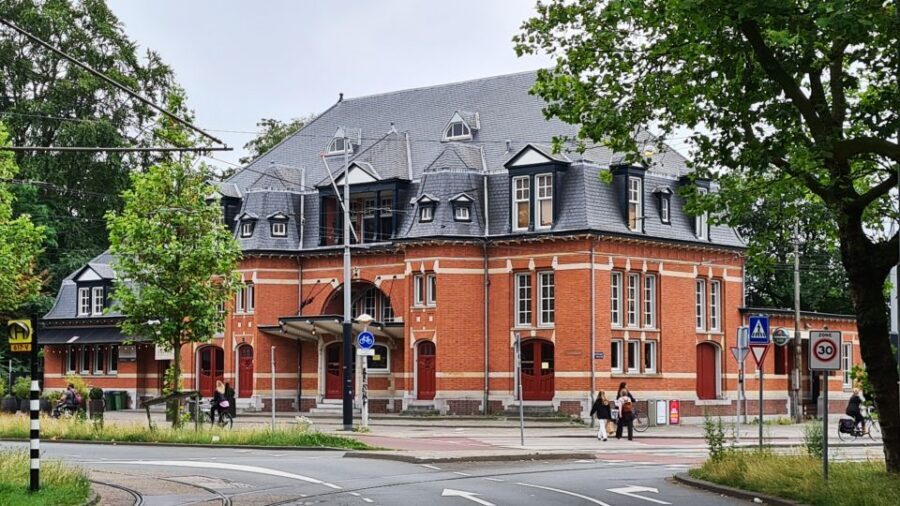
You’ll start by exchanging your ticket at the Tramshop in Haarlemmermeerstation, then you’ll be guided to the tram. The ride is a roundtrip, and it’s set up for an easy, low-stress outing: hop on, enjoy the period details, and get off where you want around Amstelveen.
Plan to spend your attention on what’s happening on the tram—how stops are called out, how the conductor communicates with the driver, and even how crossings are handled with red flags.
Key highlights you’ll feel right away
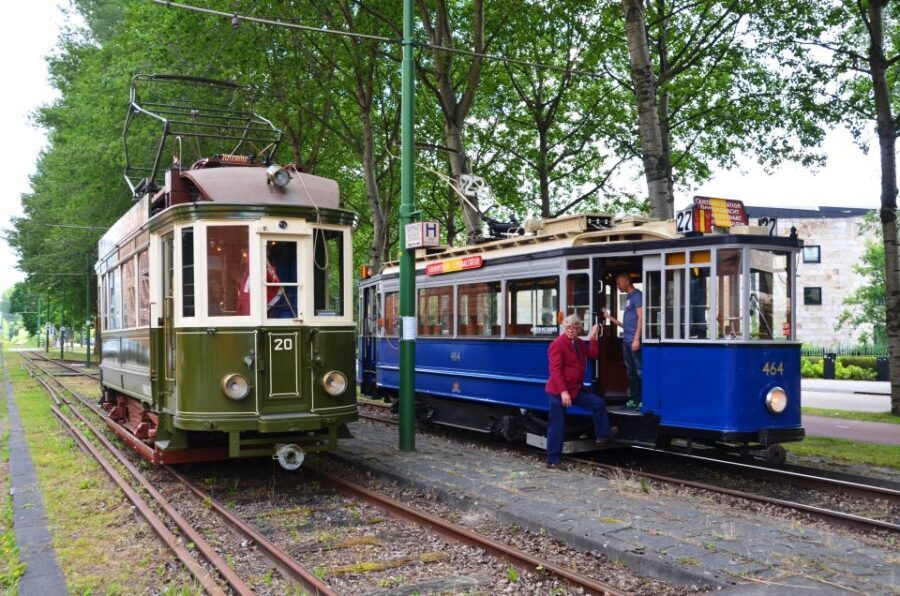
- Conductor-led ticket punching that turns the ride into an actual event, not just transit
- Whistle and bell departures, plus stops called out as part of the old routine
- Fully restored tram car and a historic track line built for the past vibe
- Strategic get-off options near the Amsterdam Forest, Lake Bosbaan, and Heemtuinen
- Period crossing details with red flags, the kind of thing you notice once you slow down
You can also read our reviews of more historical tours in Amsterdam



The Lijn 30 tram experience: what makes it different from regular transit
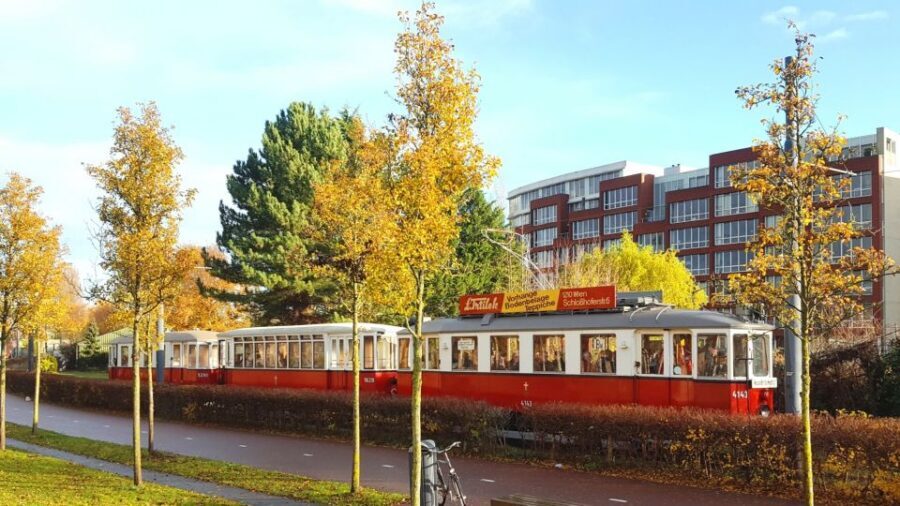
Amsterdam has plenty of great transit, but this is the opposite of rush-hour efficiency. This heritage line leans into the ritual: you don’t just ride—you participate in the tram’s little theater of old-time rules.
The tram itself is fully restored and maintained to keep the experience authentic. That matters because you’re sitting inside the real texture of the past: the look of the car, the way the conductor moves, and how the vehicle sounds as it rolls. You’ll hear the hum of the tram, the bell ringing, and the conductor’s whistle when it’s time to depart.
And yes, you get a traditional moment: the conductor punches your ticket. It’s a small action, but it changes your mindset. You’re no longer thinking of this as a quick ride across town—you’re treating it like a real journey.
From the Tramshop to the platform: your start at Haarlemmermeerstation
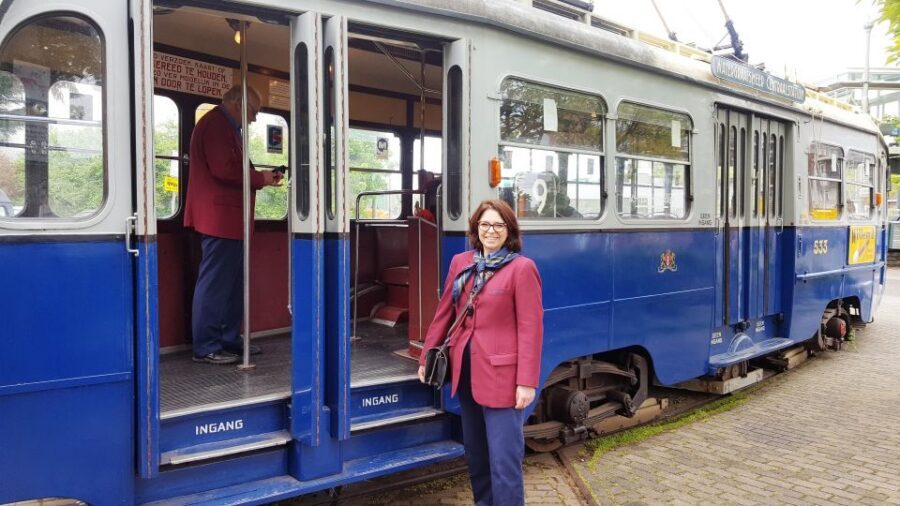
Your day begins at Haarlemmermeerstation, but not at a random corner stop. You exchange your voucher/ticket at the Tramshop in the station first. From there, a host guides you to the trams.
That’s a helpful setup if you’re unfamiliar with the area. Instead of wandering around trying to match time and platform, you get directed to the right tram and the ride is ready to go.
Also, this is one of those activities where timing matters because it’s scheduled service. You’ll want to arrive a bit early so the exchange and boarding don’t feel rushed.
On the tram: ticket punching, stop calls, and conductor signals
This ride is built around the conductor role. The conductor blows the whistle and rings the bell to signal the driver when they’re ready to depart. Then you’ll hear stops called out, which gives you an advantage if you’re trying to decide quickly whether to stay on board or get off.
Here’s what I like about this format for real visitors: it keeps you engaged without requiring extra effort. You’re not listening to a long narration or scrambling for directions. You just ride, watch the details, and make simple choices when you reach the stops.
There’s also a practical period detail that’s easy to miss on modern lines: crossings are secured with red flags. It’s the kind of old tram logistics that reminds you this is not just painted-on nostalgia. You can look for how the crossing area is managed when the tram approaches.
One more operational detail to know: at the terminus point, you may temporarily exit the vehicle or change vehicles all together. That’s not unusual for transit operations, but it’s worth keeping in mind so you don’t assume you’ll stay in the exact same car the whole time.
The Amstelveen route: what the ride feels like end to end
The duration is listed as about 1 hour for the roundtrip, and that single hour is the heartbeat of the experience. You’re spending a short chunk of time outside central Amsterdam, but you still get choices once you arrive.
On the route, I’d treat this as a tram-focused outing. The track line is historically interesting (over 100 years old), but the scenery is not the main character. Expect a more local, everyday feel along the way—less postcard, more lived-in city.
That’s not a dealbreaker. In fact, it can be a relief. If you’re tired from museums and long walks, you can sit back, listen to the sounds, and let the conductor keep you on pace.






Stop strategy: Olympic Stadion, Amsterdam Forest, and Lake Bosbaan
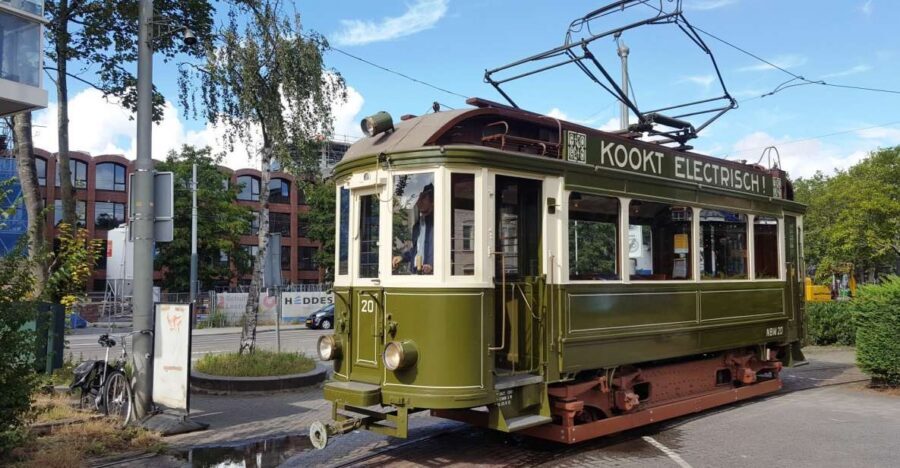
You have several notable options to get off in Amstelveen. Which one you pick can shape the whole “value” you get from that 1-hour window.
Olympic Stadion stop: good for a landmark pause
One of the listed stops is Olympic Stadion. If you want a quick, recognizable landmark point without planning a whole extra transit connection, this is your stop. You can treat it as a short break: step off, look around, then be ready to re-board for the return.
The tradeoff is time. Because the ride is designed as a roundtrip, you don’t want to drift too far without knowing you’ll need to get back on.
Amsterdam Forest stop: an easy nature break
The tram also stops near Amsterdam Forest. This is a strong choice if you want a calmer feel than inner-city streets. The forest area gives you a more breathing-room pause, especially if you’ve spent the day in busy canal neighborhoods.
This is also a good pick if you prefer walking in a flatter, easier setting where you can wander for a bit without worrying about buses and schedules.
Lake Bosbaan stop: calm waters with a simple plan
Lake Bosbaan is another stop on the list. If your idea of a nice break is water nearby plus a light walking option, this works well. It’s not presented as a long hike destination; it’s listed as a place you can get off to enjoy.
Tip for timing: since you’re working inside a one-hour ride experience, aim for a short walk plus a quick look, then plan to return to the tram when it’s convenient.
Heemtuinen wildlife garden: the nature stop that feels hands-on
If you like nature that’s closer-up, Heemtuinen wildlife garden is one of the stops you can choose. The name alone tells you the intent, and it’s a different style of break than just passing scenery.
Because it’s specifically labeled as a wildlife garden, it gives you a more intentional “get off and enjoy” moment. You can use this stop as your chance to slow down and pay attention—rather than treating the ride as purely transportation.
One practical point: since the experience is still built around getting back on for the return, don’t make Heemtuinen your only plan unless you’re comfortable with shorter visits.
Old Village redbrick buildings: a small-town feel within Amstelveen
Another stop option is the Old Village area, with redbrick buildings. This is the part of the route where you might get that “different neighborhood” feeling most clearly.
If you like visual variety—architecture, small streets, and that slightly more historic neighborhood texture—this stop gives you a focused taste without needing a full day plan.
Again, keep it realistic: you’re working with a tram outing time window. Think of Old Village as a chance to explore a small slice, not to see everything in Amstelveen.
Why the historic track details matter (even when you’re not watching)
The heritage tram isn’t only about the vehicle. It’s also about operations and track context—little signals that remind you this is rail from another era.
You’ll notice things like:
- the tram sounds (whistle, bell, hum)
- how the conductor signals readiness to depart
- how crossings are managed with red flags
These are small, but they’re the difference between a “cool ride” and a “real time travel feeling.” And when the route itself is not especially scenic, these operational details become even more important.
Price and value: is $9 worth it?
At about $9 per person, this is priced more like an activity than a major tour. For that money, you’re paying for:
- a return tram ride on the historic line
- a restored heritage tram car experience
- conductor-led traditional ticket punching
- a chance to get off at multiple Amstelveen points
Where the value really shows: you get a high “fun-to-time” ratio. It’s only about 1 hour. So even if you decide you’ll just stay on board for the full ride, you still get an experience that feels distinct from standard city transit.
Where it may not feel like a slam-dunk: if your main goal is dramatic sightseeing, you might feel that the route doesn’t deliver enough on scenery. In that case, you’d want to time your stop choice well—Olympic Stadion, Amsterdam Forest, Lake Bosbaan, Heemtuinen, or Old Village—to create your own highlight.
Who should book this heritage tram ride
This fits best if you want one of these:
- a family-friendly, low-effort activity with a real conductor and ticket ceremony
- a break from walking-heavy itineraries
- a calm, short trip where you can choose your own “get off and explore” micro-visit
- train and tram lovers who appreciate period details like bell, whistle, and crossings
It’s less ideal if you:
- get motion sickness easily (this is listed as not suitable)
- use a wheelchair or need wheelchair-accessible boarding (also listed as not suitable)
- have mobility impairments that make tram boarding difficult (not suitable)
- want food service on board (food and drinks aren’t part of it)
Practical tips so your hour goes smoothly
A few simple choices make this much more enjoyable:
- Bring your focus to the conductor moments. The whistle, bell, and ticket punching are the core experience.
- Decide your get-off plan early. You’ll want to know whether you’re aiming for Amsterdam Forest, Lake Bosbaan, Heemtuinen, or Old Village before you reach the stop.
- Wear comfy walking shoes. Even short get-off moments add up once you step away from the tram.
- Watch for terminus procedures. You may need to temporarily exit or switch vehicles.
- Skip food and drinks on board. The vehicle rules don’t allow food or drinks, so plan accordingly before you board or after you return.
Should you book the Amsterdam historic tram ride to Amstelveen?
If you like authentic, old-school transit details, this is a very good use of time. The conductor-led ticket punching, the whistle and bell routine, and the restored tram car create a memorable experience that feels different from everyday Amsterdam commuting.
But if your priority is nonstop scenery, you may feel slightly let down because the route itself isn’t the biggest draw. The smart move is to book it with a clear get-off goal—Amsterdam Forest, Lake Bosbaan, Heemtuinen, Olympic Stadion, or Old Village—so you’re not relying only on the track view.
FAQ
FAQ
How long is the historic tram ride from Amsterdam to Amstelveen?
The duration is about 1 hour for the roundtrip ride. Exact starting times depend on availability.
Where does the tram ride start?
The start is at Haarlemmermeerstation in Amsterdam. You exchange your ticket in the Tramshop there.
Where does the tram ride end?
The activity ends back at the meeting point, which is also Haarlemmermeerstation.
Is it a roundtrip ticket?
Yes. The ticket includes a return ride from Haarlemmermeerstation (Amsterdam) to Amstelveen.
What is included in the price?
You get a return ticket for the ride from Haarlemmermeerstation to Amstelveen.
Do I need to exchange my ticket before boarding?
Yes. You exchange your ticket in the Tramshop in Haarlemmermeerstation, and then you’re guided to the trams.
What do the conductor and tram do during the ride?
You experience classic tram departure signals, including the conductor blowing a whistle and ringing the bell. The conductor also punches your ticket.
Where can you get off during the trip?
The tram stops include Olympic Stadion, Amsterdam Forest, lake Bosbaan, Heemtuinen wildlife garden, and the redbrick buildings in the Old Village in Amstelveen.
Are food and drinks allowed on the tram?
No. Food and drinks are not allowed in the vehicle.
Is this tram ride suitable for wheelchair users?
No. It is not suitable for wheelchair users, and it is also not suitable for people with mobility impairments.