REVIEW · AMSTERDAM
Amsterdam 5-Hour Guided Canoe Trip in the Wetlands
Book on GetYourGuide →Operated by https://www.instagram.com/wetlandssafari/ · Bookable on GetYourGuide
This canoe trip turns a normal day trip into a slower kind of Netherlands. You glide through a watery, 17th-century-style wetland scene of dense reeds, with villages and windmills along the way, and a real stop for a picnic on an island.
I love the small-group feel and the way you’re placed two or three to a canoe instead of being herded. I also love that the guide ties what you see to why Amsterdam is built the way it is, so the trip feels like more than pretty scenery.
One thing to think about: you’ll be paddling on open water, and the tour is best if you can swim and handle wet, dirty shoes. If the west wind is too strong, the tour can be canceled.
In This Review
- Key things that make this tour worth your time
- A 5-hour wetlands canoe safari that feels worlds away
- Getting started at Amsterdam Noord: the exact meeting point that matters
- Coffee, instructions, and why your guide’s context changes everything
- Canoe through reed-choked waterways of North Holland
- Birdwatching that’s more than a checklist
- The island picnic stop: what you actually eat on the water
- Windmills on the way back (and a reality check)
- Price and value: why $105 can make sense
- What to bring: small gear choices that save your day
- Group size and setup: 2-3 per canoe, small and manageable
- Weather reality: west wind can shut it down
- Who this canoe trip fits best
- Should you book this Amsterdam wetlands canoe trip?
- FAQ
- How long is the Amsterdam wetlands guided canoe trip?
- Where do we meet the guide?
- What languages are the guides?
- What is included in the price?
- Is there a picnic stop, and what kind of food is it?
- Do I need to be able to swim or paddle?
- What should I bring for the trip?
- Is the tour accessible for wheelchair users, and are pets allowed?
- What could cause the tour to be canceled?
Key things that make this tour worth your time
- Guides who explain wetlands and Dutch water logic, not just where to look
- Canoe time in dense-reed wetlands close enough to Amsterdam to fit easily
- Birdwatching opportunities for black-tailed godwit, lapwing, and more
- An island picnic stop with regional juices, fruit, cheeses, bread, pasta, and more
- Village-housing hospitality: coffee at the start and a drink at the end
- Windmill sightings on the return (often smaller than you expect)
A 5-hour wetlands canoe safari that feels worlds away
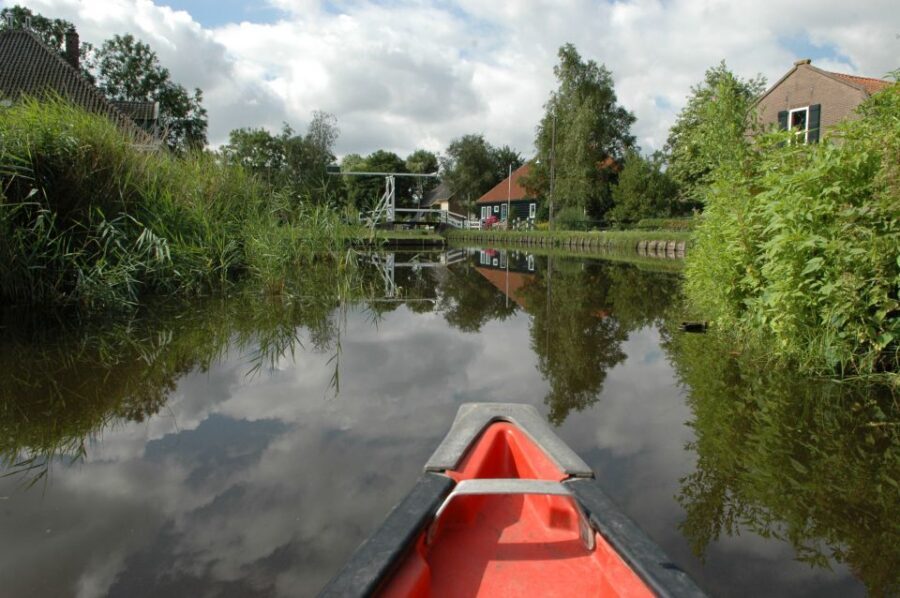
If Amsterdam is your first stop in the Netherlands, you’ll already notice the city’s relationship with water. This trip takes that idea outside the canals. You head into North Holland’s wetlands, where water isn’t a backdrop. It’s the main character.
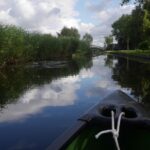
At the heart of the day is a guided canoe ride through a nature reserve that’s dominated by thick stands of reeds. Those reeds do more than look good in photos. They shape the whole experience: you get that quiet tunnel feeling on the water, and the guide can point out wildlife and wetland behavior in a way that makes sense.
The best part is the pace. This isn’t a sprint through attractions. It’s a slow-moving, gentle way to see why wetlands matter—ecologically and historically—and how Dutch water management shaped cities like Amsterdam.
You can also read our reviews of more guided tours in Amsterdam


Getting started at Amsterdam Noord: the exact meeting point that matters
Your day begins at Metro Station Amsterdam Noord, inside the building. Your guide will be holding a sign with the local partner name near AHtoGO, close to Termini, Bushaltes A. From there, you’ll take public transport as part of the included plan to reach the wetlands area.
This matters because it avoids the usual “tour bus to nowhere” feeling. You’re starting in Amsterdam, then switching into local rhythm: coffee in a village house, followed by canoe instruction and water time.
A small note that helps you relax: the trip starts with a coffee stop, so you’re fueled before you’re paddling and bouncing along in a canoe.
Coffee, instructions, and why your guide’s context changes everything
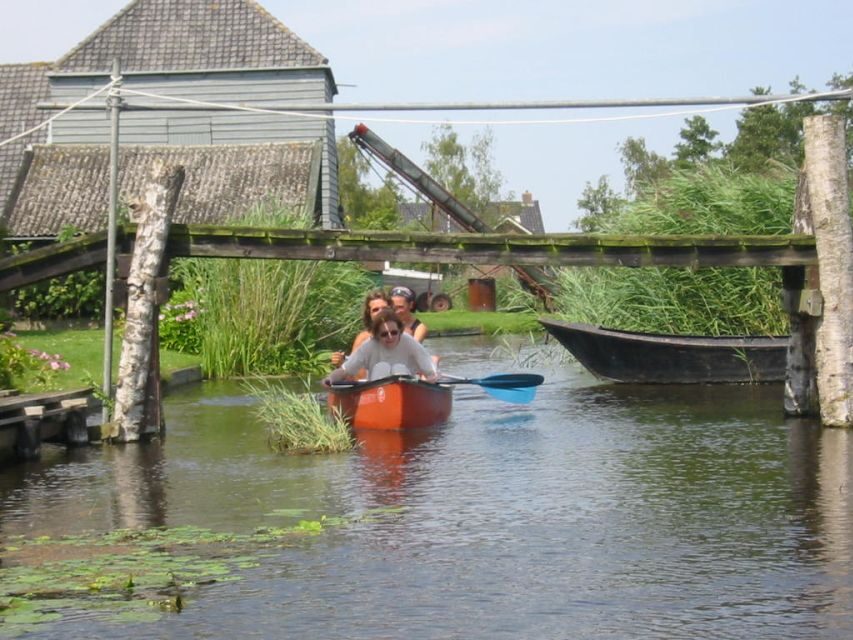
Once you arrive near the water, you’ll have some time in the village house—coffee at the start, and later a drink at the end. Before you push off, the guide explains what you’re seeing and how the wetlands formed.
One of the most useful parts of this experience is how the guide connects the dots back to Amsterdam. In practical terms, the story isn’t just history. It helps you understand why there are canals, how land got controlled, and why wetlands are both useful and fragile.
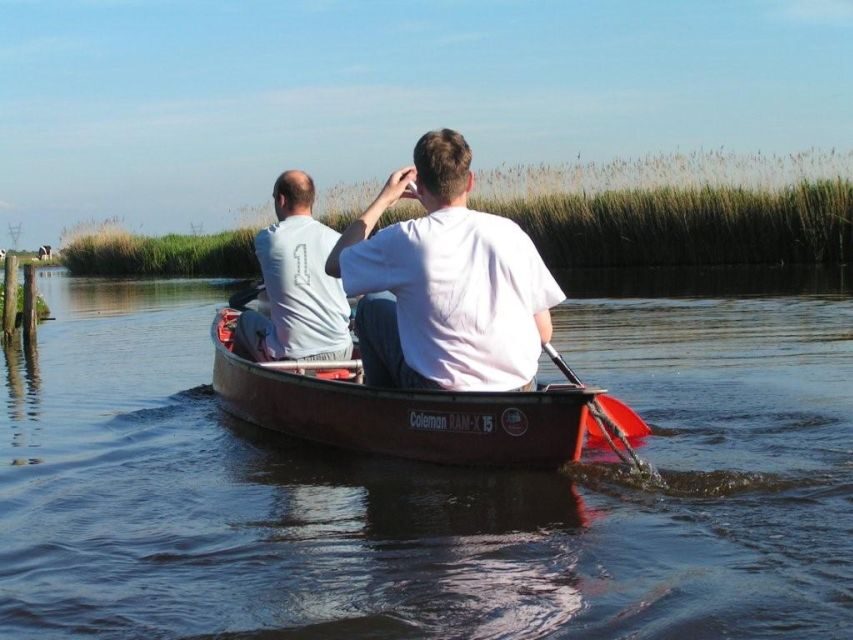
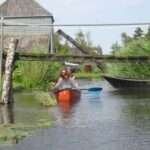
You’ll also get guidance for your canoe setup. Depending on the group size, it’s 2 or 3 people per canoe, and you’re expected to paddle by yourself. That means you’re not just along for the ride—you help steer.
Canoe through reed-choked waterways of North Holland
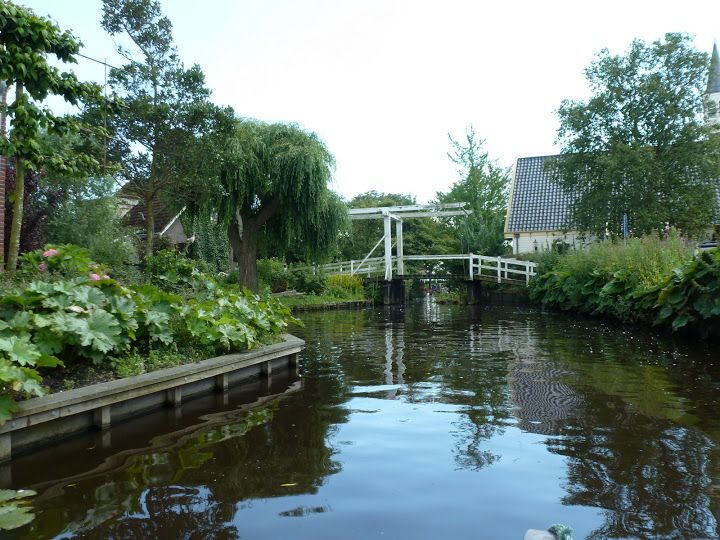
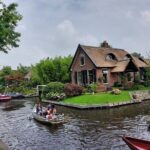
Now for the main event: the canoe safari. You’ll travel through watery, 17th-century-style terrain, with dense reeds framing much of the route. Expect a lot of still-water moments mixed with gentle movement as you pass through the reserve.
The feel of the trip is intentionally calm. In past departures, it’s been described as gentle enough for people who want an outdoor experience without white-knuckle adventure. That aligns with the overall design: this is a nature and wildlife trip first, not a sport.
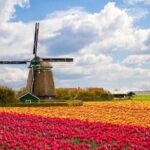
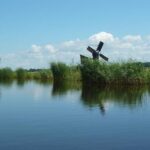
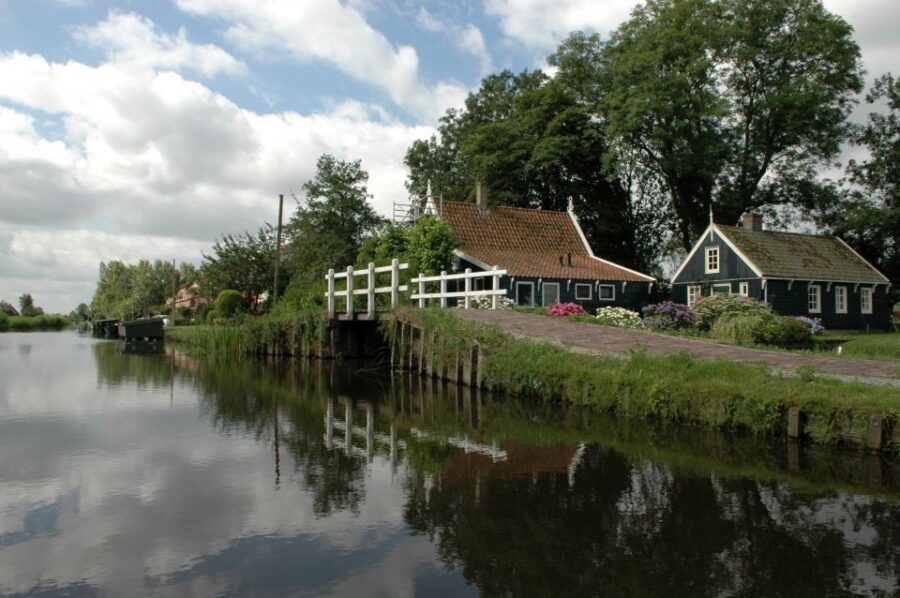
On the way, you’ll also pass through villages and by windmills. This is where the day clicks into classic Dutch visuals—green water, narrow channels, and windmills you can actually see in context instead of standing behind them at a viewpoint.
Birdwatching that’s more than a checklist
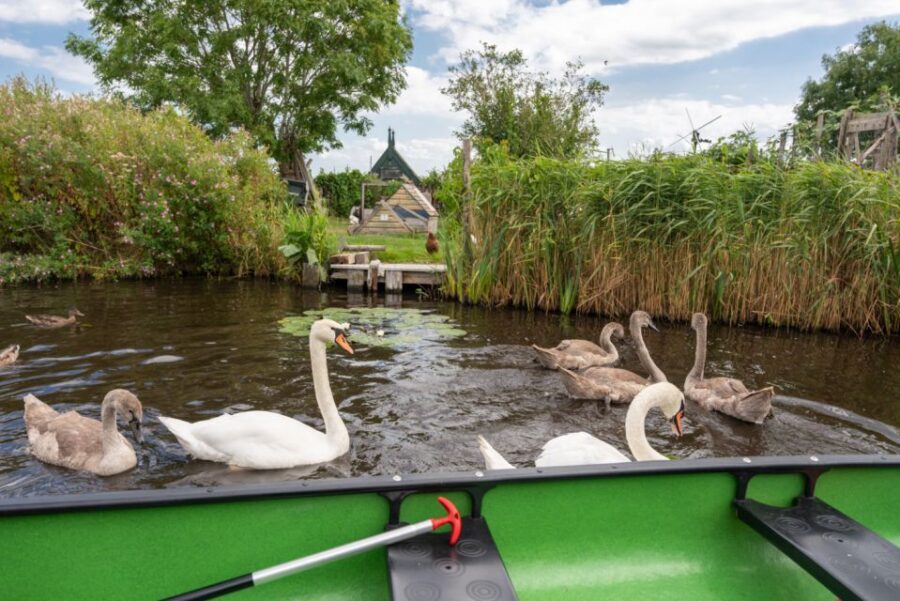
The wetlands are a serious bird location. This tour is built for birdwatching, and the guide helps you look in the right places and at the right moments.
You’ll have a chance to spot species highlighted for this area, including the black-tailed godwit and lapwing, plus others. Even if you’re not an expert, the guide’s instructions help you stop scanning and start noticing—how birds use edges of reeds, when they feed, and why certain stretches are better than others.
This is one of those travel days where you can tell you’re in a living system. Reeds provide shelter and nesting cover. Water shapes feeding areas. And wind changes what’s active where. You’re learning the wetlands by reading the small clues the guide points out.
You can also read our reviews of more tours and experiences in Amsterdam
The island picnic stop: what you actually eat on the water
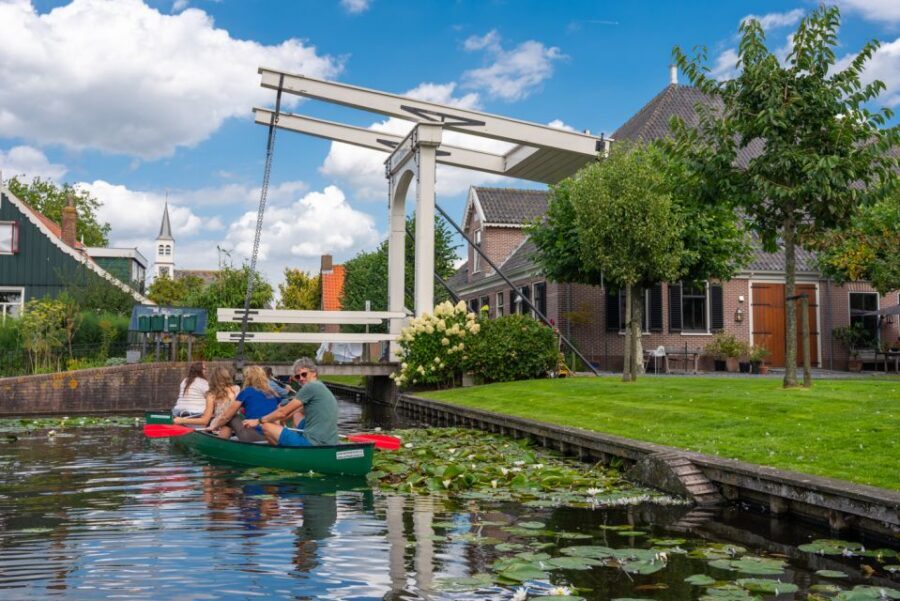
Halfway through the tour, you stop at an island for a picnic. This part is a break from paddling, but it’s also part of the experience. You’re eating in the wetlands, not under a bus shelter, and that changes how the whole day feels.
The picnic menu is broad and very practical. You can expect regional juices, fresh fruit, cheeses, bread, pasta, and more. It’s the kind of spread that works for different appetites and dietary comfort levels (without being complicated).
A good detail here: since you’re on water, you’ll likely want your phone and camera available, but safely. There’s a special bucket for mobile phones and cameras to keep them dry. That’s the difference between enjoying the moment and worrying about equipment.
Windmills on the way back (and a reality check)
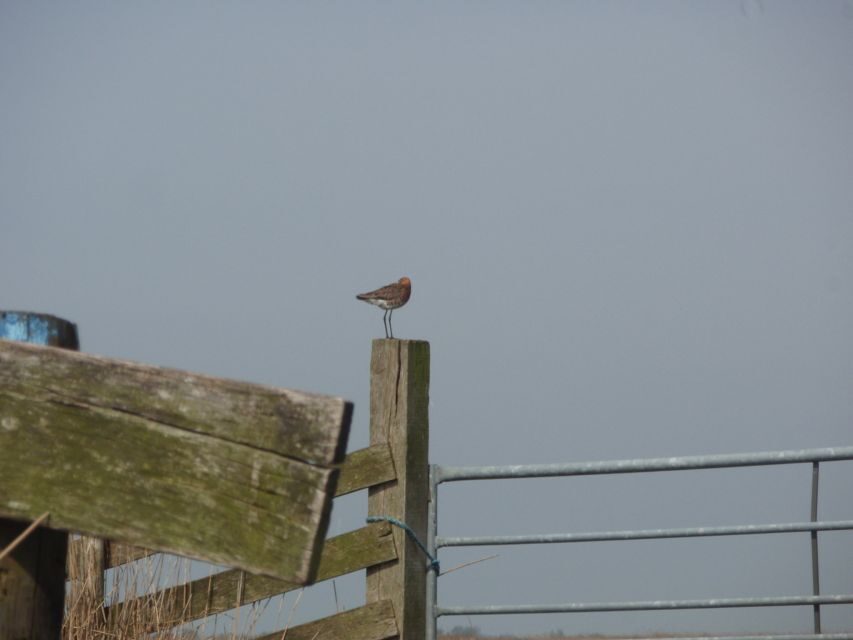
After the island stop, you return through the wetlands and get Dutch windmills in your sights again. This is one of those moments where you’ll realize windmills aren’t always huge set pieces. Many are smaller than you expect, especially when you see them alongside real canals and real villages.
You may also have a chance to stop for a swim when it’s warm enough. The key condition is that the tour is best if you can swim, and you’re comfortable being near open water.
This isn’t a must-do for everyone, but it’s a nice option when the weather cooperates. It also makes the trip feel more immersive in a grounded way—you’re not just watching water. You’re treating it like a place you could be in.
Price and value: why $105 can make sense
At $105 per person for about 5 hours, this tour isn’t trying to be the cheapest option in Amsterdam. But it does include a lot, and the package explains the price.
You’re paying for:
- Transportation from Metro Station Amsterdam Noord
- A guide (with Dutch and English)
- Canoe use and the structure of a small-group paddling day
- Drinks before and after the tour
- A full picnic stop on an island
- A donation to Landschap Noord Holland
When you break it down like that, you’re not just buying paddling time. You’re buying local expertise, gear access, and a planned nature-reserve outing that’s hard to recreate solo. If you try to do this independently, you’d still need transport, a safe place to launch, route planning, and someone to interpret wildlife.
The biggest value boost is the guide’s explanation—why Amsterdam developed the way it did and how wetlands fit into that story. That turns the day from a scenic walk into something you can take home as understanding.
What to bring: small gear choices that save your day
This is an outdoors canoe trip. The essentials matter.
Bring:
- Comfortable shoes (they will get wet and dirty)
- Sunglasses and sun hat
- Camera
- Water
- Rain gear
And bring extra if you can: because your shoes will get wet and dirty, it’s a smart move to pack spare clothes and spare shoes. You’ll feel a lot better on the ride back to Amsterdam.
Also, plan for paddling logistics. The tour expects that you can paddle the canoe by yourself, since you’ll be paired with one other person or a small third.
Group size and setup: 2-3 per canoe, small and manageable
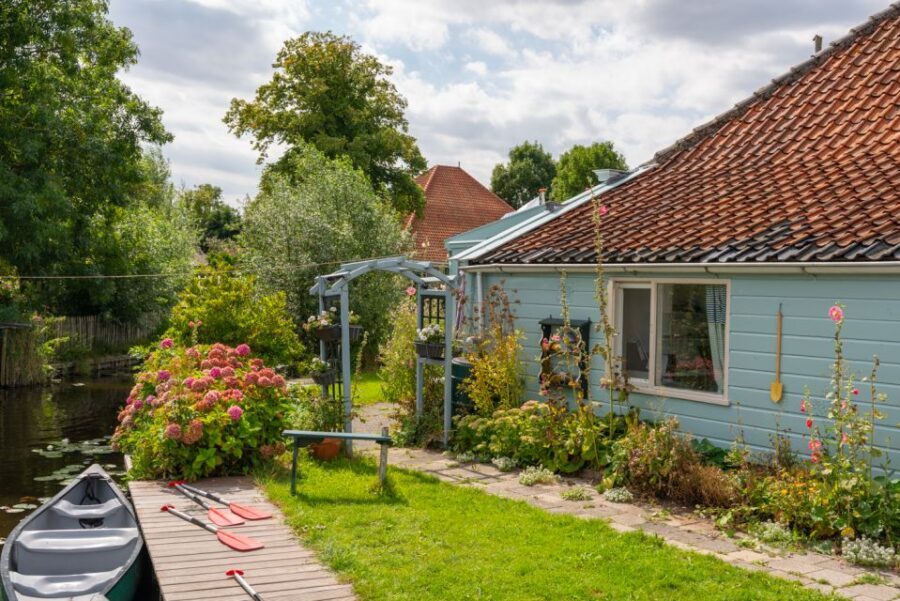
This is a small-group experience. It’s described as limited to 8 participants, and you may see a maximum of 10 participants for the whole day. Either way, it’s not crowded.
What you’ll notice once you’re on the water is that this setup creates room for the guide to keep an eye on everyone without turning it into a frantic safety briefing every five minutes. Also, with 2-3 people per canoe, you can communicate and adjust if someone needs a moment.
If you hate tours where you’re one of dozens, this format is built for you.
Weather reality: west wind can shut it down
Wetlands can be calm one minute and breezy the next. There’s an important operational note: if the wind from the west is too strong, the tour may be canceled without penalty.
This doesn’t mean the operator is unreliable. It means they’re prioritizing safety and comfort. If you’re trying to fit multiple activities into a tight schedule, consider leaving at least a little flexibility around your chosen day.
Who this canoe trip fits best
This is ideal if you want:
- Nature time close to Amsterdam
- A guided approach to wetlands and wildlife
- A picnic break that feels like part of the scenery
- Windmills and villages without the typical museum-route sprint
It’s not ideal if:
- You need wheelchair access (it’s noted as not suitable for wheelchair users)
- You want a totally hands-off experience where you never paddle (you are expected to paddle)
- You’d rather not be around wet surfaces and outdoor conditions
If you’re traveling as a family, this can work well—just be honest about swim comfort and paddling ability for your group.
Should you book this Amsterdam wetlands canoe trip?
I think this is a strong choice if you want Amsterdam context with actual nature time. The value isn’t just the canoe ride. It’s the guide’s explanations, the wildlife focus, the island picnic, and the hands-on way you experience Dutch water management themes without needing a history lecture.
Skip it (or pick a different plan) if you’re worried about wet shoes, you can’t swim comfortably, or you want wheelchair-friendly access. And if windy days stress you out, build in flexibility for a possible cancellation due to strong west wind.
If your idea of a great day includes reeds, birds, and a picnic that happens where you can feel the quiet, book it.
FAQ
How long is the Amsterdam wetlands guided canoe trip?
The tour duration is 5 hours.
Where do we meet the guide?
Meet your guide at Metro Station Amsterdam Noord, inside the building. The guide is near AHtoGO holding a sign with the local partner’s name, close to Termini, Bushaltes A.
What languages are the guides?
The tour is guided in Dutch and English.
What is included in the price?
The price includes transportation from Metro Station Amsterdam Noord, a drink before and after the tour, the guide, canoe, picnic, and a donation to Landschap Noord Holland.
Is there a picnic stop, and what kind of food is it?
Yes. There is a picnic at an island halfway through the tour, with a variety of items such as regional juices, fresh fruit, cheeses, bread, pasta, and more.
Do I need to be able to swim or paddle?
Swimming ability is highly recommended. You also must be able to paddle the canoe by yourself, with 2 or 3 people per canoe depending on group size.
What should I bring for the trip?
Bring comfortable shoes (they will get wet and dirty), sunglasses, a sun hat, a camera, water, and rain gear. Spare shoes and spare clothes can help.
Is the tour accessible for wheelchair users, and are pets allowed?
The tour is not suitable for wheelchair users. Pets are not allowed.
What could cause the tour to be canceled?
If the wind from the west is too strong, the tour can be canceled without penalty.