Maastricht’s past is closer than you think. This 2-hour private walking tour led by Fons Bollen turns the center of Maastricht into a story you can actually walk through—Roman river-crossing origins, medieval church power, defensive corners, and the local mindset of Mestreechter Geis. I particularly love how you get both big-picture context (Maastricht’s name and early role around AD 50) and small street-level details that make the city feel personal. I also like that Fons stays calm, friendly, and open to questions, so the tour doesn’t feel like a lecture. One possible drawback: with only 2 hours and no museum tickets included, you won’t get deep museum time, so you should pick this for orientation and street stories—not for formal collections.
You’ll start where the city’s history is literally reflected in the Maas, then keep moving through church squares, alleyways, and river neighborhoods. It’s not about rushing from photo stop to photo stop; it’s about learning what to notice while you’re walking. And because it’s private (up to 14), you can ask for a slight focus shift as you go—food, art, or straight history—without derailing the whole experience.
In This Review
- Key things you’ll notice on this Maastricht walk
- Why Maastricht’s story starts with the Maas and Roman names
- Meeting near Maastricht-Centrum: getting your bearings in 10 minutes
- Sint Servaasbrug to Mestreechter Geis: history plus local mindset
- Op de Thermen: the Roman lens that changes how you see the center
- Basilica of Our Lady: medieval architecture that’s easier to read
- Bisschopsmolen and Helpoort: how defense shows up in the skyline
- Jekerkwartier and the river wall: Maastricht shaped by water
- Het Vagevuur to Vrijthof: squares where stories meet daily life
- Dominicanerkerkstraat: the alley-and-house moment that sticks
- Price, group size, and why 2 hours can be the right length
- Who should book Fons Bollen’s Maastricht walk
- Should you book? My quick decision guide
- FAQ
- How long is the Maastricht walk with Fons Bollen?
- Where does the tour start and end?
- How much does the tour cost?
- What’s included in the price?
- What isn’t included?
- What languages does the guide speak?
- Is it a private group?
- Is the tour wheelchair accessible?
- Can I cancel for a full refund?
- Is there a reserve and pay later option?
Key things you’ll notice on this Maastricht walk
- Roman beginnings at the Maas crossing: You connect the name and early purpose of the place to AD 50.
- Mestreechter Geis: You’ll learn what the local spirit means in everyday city life.
- Medieval landmarks you can read: Churches and the city’s power centers make more sense once you have the story.
- Defensive city details: Stops like Helpoort add a practical layer to the medieval skyline.
- Jeker River Quarter energy: The water-and-wall area helps you understand how Maastricht protected itself.
- A guide who welcomes questions: Fons keeps things relaxed, even when a group needs extra patience.
Why Maastricht’s story starts with the Maas and Roman names
Maastricht feels like a layered city. The surprise is how quickly you can go from modern streets to Roman purpose—if someone points you in the right direction. Fons Bollen’s approach makes that easy: you begin with where people crossed and traded, then you follow how that early location shaped the city’s growth over centuries.
You’ll hear that Maastricht’s roots trace to roughly 50 AD, when Romans established a crossing over the Maas. The crossing point is tied to the name Mosa Trajectum, and once you know that, many later moments start clicking. Medieval Maastricht didn’t grow in a random way. It grew because this spot mattered for movement and protection.
This is one of the tour’s best values: you’re not just seeing landmarks. You’re learning the logic of the place. And that matters because Maastricht’s center is walkable, but it can also feel “pretty” without a map in your head. This tour builds that map fast.
You can also read our reviews of more tours and experiences in Maastricht.


Meeting near Maastricht-Centrum: getting your bearings in 10 minutes

The tour begins in Maastricht-Centrum, and right away you’re set up for orientation. Expect a guided walk where you’ll stop often enough to look closely, but not so much that you lose momentum.
A key early stop is the Sint Servaasbrug area, where you can pause for photos and get your sense of direction. Bridges can sound boring on a tour outline, but in Maastricht they’re useful. They help you connect the city to the Maas and understand why the river shaped the settlement pattern.
From there, the pacing keeps you moving through the historic heart. You’re walking with the guide, so you’re not left alone trying to guess what’s important. You’ll also notice how the tour style is built for interaction. When you have questions, Fons stays accessible and keeps explanations clear.
If you like tours where the guide talks like a real person (not a script) and adjusts to your curiosity, this is a strong match.
Sint Servaasbrug to Mestreechter Geis: history plus local mindset
After the first overview moment, the tour shifts toward a more human layer of Maastricht. You’ll stop for photos at De Mestreechter Geis, and this is where the city stops being a timeline and becomes a place with personality.
Mestreechter Geis is the local spirit—warm, friendly, and confident in a way that shows up in daily life. The guide’s storytelling connects this idea to the city’s atmosphere: cafés, markets, and festivals aren’t just entertainment. They’re part of how the community keeps itself alive.
What I like about this section is that it doesn’t feel like a “culture talk” floating above the streets. Instead, it frames what you’re seeing. When you understand the local spirit, you read signs of everyday life differently—small conversations, the rhythm of squares, and how people linger in public space.
Possible consideration: if you’re expecting purely architectural history with zero lifestyle context, this part may feel more personal than technical. But if you want Maastricht to feel like a living city, it’s a welcome balance.
Op de Thermen: the Roman lens that changes how you see the center
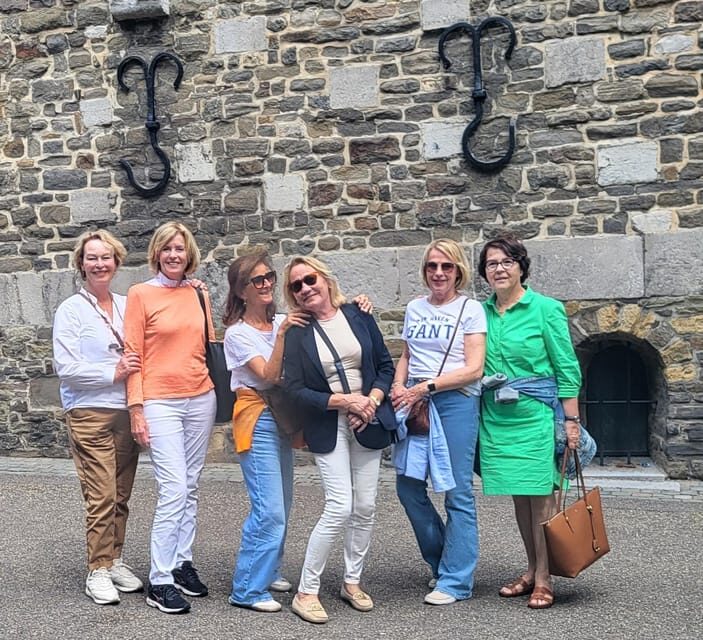
One of the most effective moves on this tour is the way it keeps returning you to the Roman foundation without drowning you in dates. You’ll make a stop connected with Op de Thermen, and the value here is perspective.
Instead of treating Roman heritage as a distant “cool ancient thing,” the guide ties it to the city’s development choices—crossing, trade, and defense. You’ll learn how the location helped Maastricht function and why it mattered for people moving through the region.
This section is also a good example of why a guide makes sense in Maastricht. The city center is attractive, but Roman references can be easy to miss if you’re just walking on your own. With the guide’s cues, you start looking for the kinds of traces and spatial clues that connect buildings and streets to the past.
Also, because this is a walking tour, you get the advantage of immediate context. You don’t just hear about the city—you look around and check if the explanation fits what you see.
Basilica of Our Lady: medieval architecture that’s easier to read
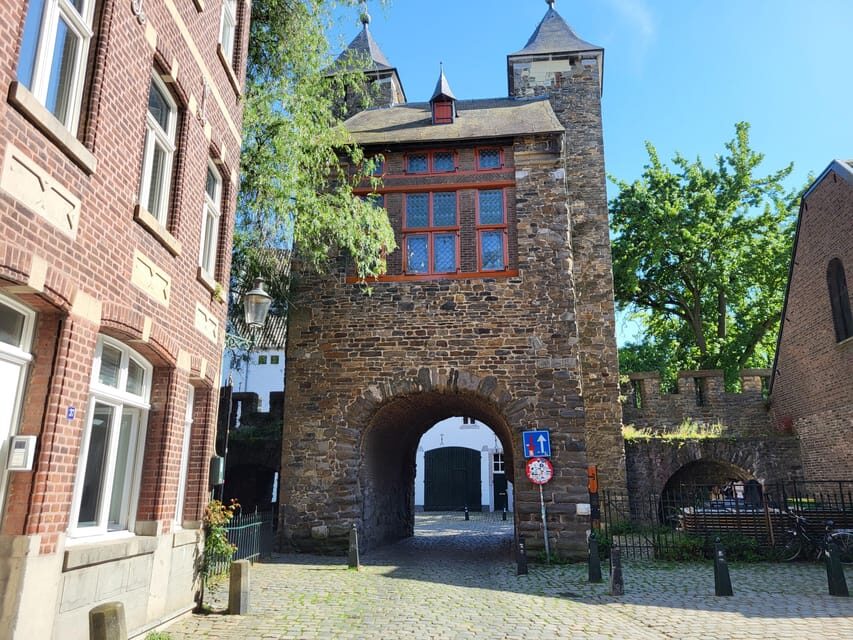
Next comes the Basilica of Our Lady, Maastricht. Church stops can go two ways on tours: either you get an overload of details you can’t hold onto, or you get a quick glance and move on. Here, the guide uses the setting to build understanding.
You’ll be guided through key features of the basilica’s medieval architecture, with enough commentary to help you appreciate the building rather than just photograph it. The tour frames churches as part of power and influence—this was a city where religious and regional authorities mattered.
I like this stop because it anchors the medieval story. The Roman layer explains where people started. The basilica helps explain how they built a strong cultural center afterward.
Practical tip for you: wear comfortable shoes and plan to stand and look up. Even if you’re not into architecture, you’ll catch the scale and intent once you slow down with the guide.




Bisschopsmolen and Helpoort: how defense shows up in the skyline
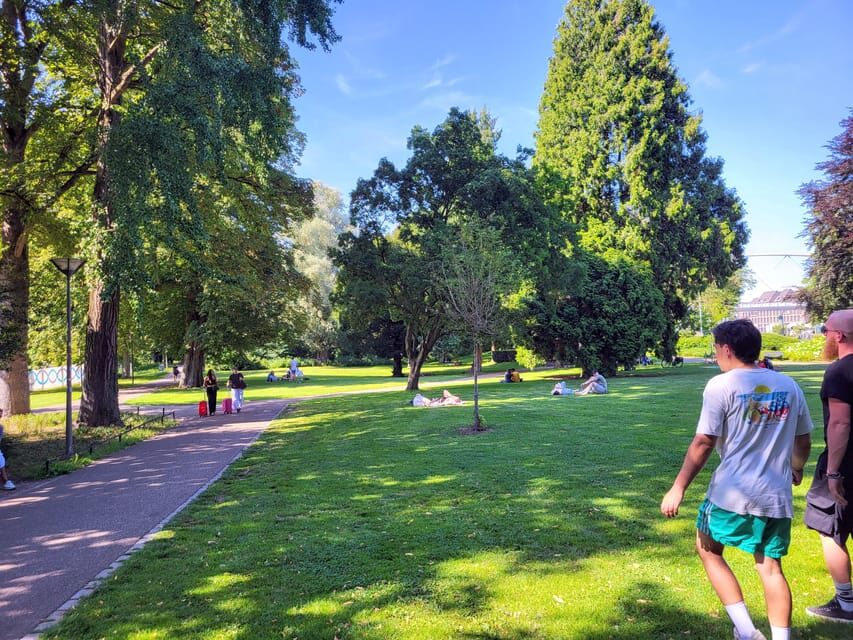
Then you move into spots that feel more “practical” than postcard-perfect. Bisschopsmolen and Helpoort are the kind of places that turn your brain on.
Helpoort, in particular, is a strong signal that medieval Maastricht wasn’t only about beauty. It was about protection and control. When you learn how the city balanced authority from different sides, defensive structures stop being random old walls. They become readable choices.
You also get a clue about Maastricht’s political role. The city served both the Bishop of Liège and the Duke of Brabant, and the tour explains how that dual allegiance shaped the city’s development and character. Once you have that context, narrow structures and boundary points make more sense—like the city was constantly negotiating position.
This is where the tour’s calmer pacing helps. You’re not rushed through the defensive story. You can look at the structure and understand why it mattered.
Jekerkwartier and the river wall: Maastricht shaped by water
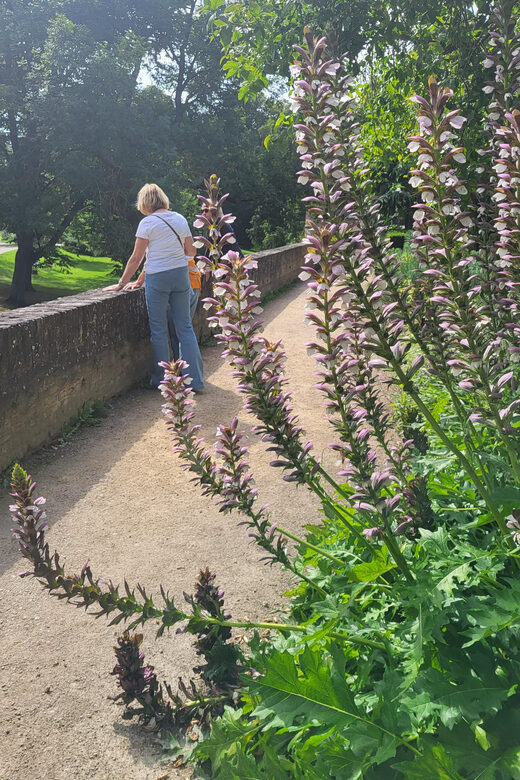
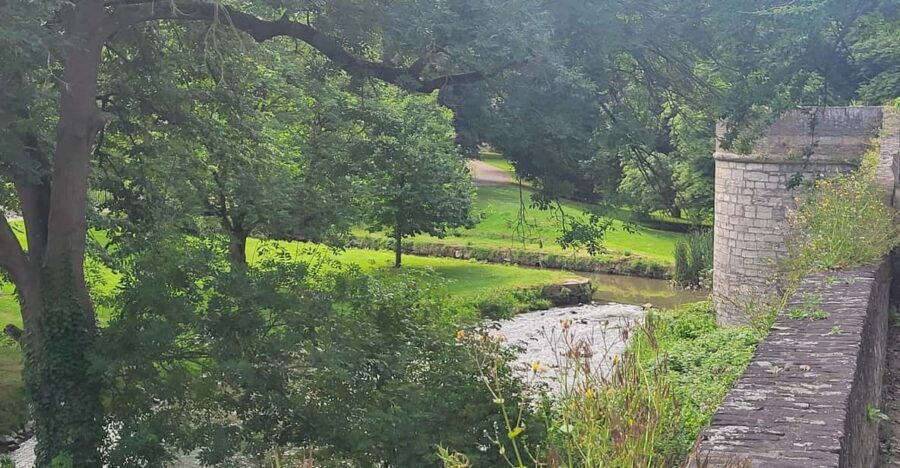
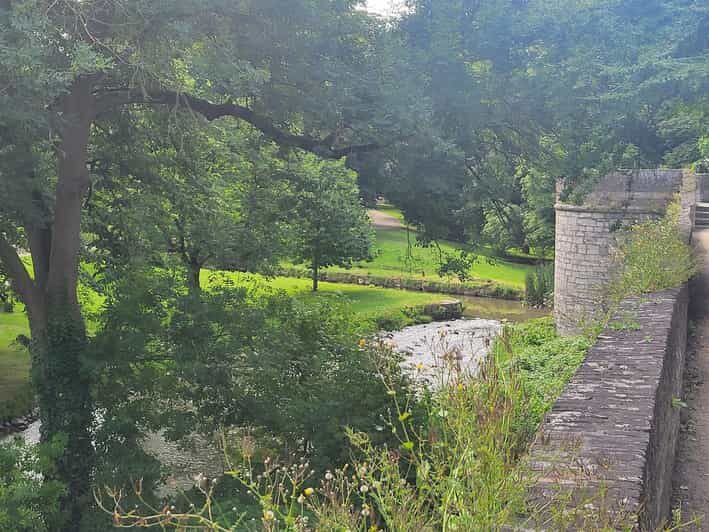
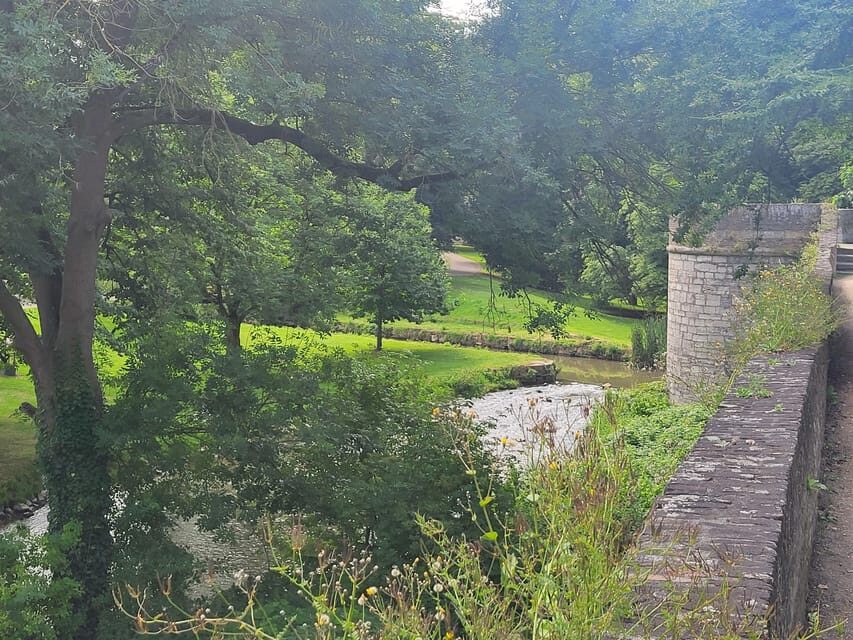
After the medieval power points, you head into the Jekerkwartier area and then see the city wall along the river Jeker. This part is especially good if you enjoy city form—how streets bend because water and fortifications influenced them.
The Jeker-related area helps you understand the city’s engineering instincts. Rivers weren’t only scenic. They were part of how Maastricht stayed functional and secure. When you connect it back to the earlier Maas crossing story, the city makes even more sense as a whole.
What you’ll get from this section is less about memorizing facts and more about building a mental map. You start to realize how Maastricht uses water, edges, and access points. Even if you only half-remember details, you’ll still walk away with a clearer sense of why the city looks the way it looks.
Small consideration: since this is a walking tour through historic areas, expect plenty of movement and frequent stops to look closely. The tour is listed as wheelchair accessible, but you should still be ready to travel between viewpoints on foot with the group.
Het Vagevuur to Vrijthof: squares where stories meet daily life
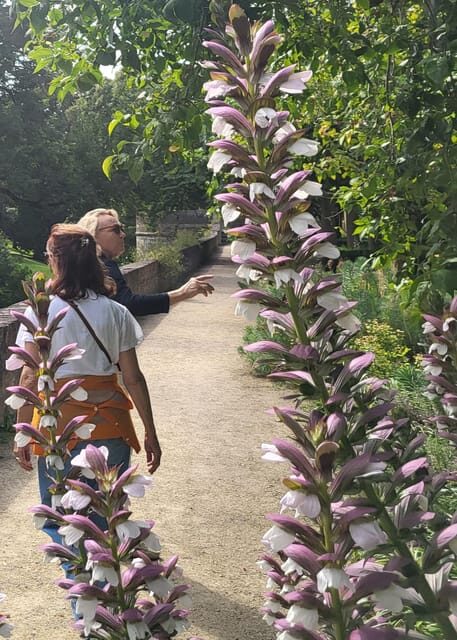
Then the tour steps into public space with Het Vagevuur and Vrijthof. These aren’t just pretty stops. They’re where you feel the city’s everyday rhythm—people meeting, lingering, and using space like locals do.
This is also a spot where the guide’s storytelling style matters. When the tour is done well, you don’t just hear what happened. You understand why it’s still relevant in the way people use the city today.
Vrijthof is often where you can shift from “watching a tour” into “watching a city.” Once you’ve had the background about Roman origins and medieval authority, the square feels more intentional. You notice how locations become anchors for community life.
And because the guide brings you back to the theme of Mestreechter Geis, you also understand why these spaces feel welcoming. It’s not just architecture. It’s people and habits.
Dominicanerkerkstraat: the alley-and-house moment that sticks
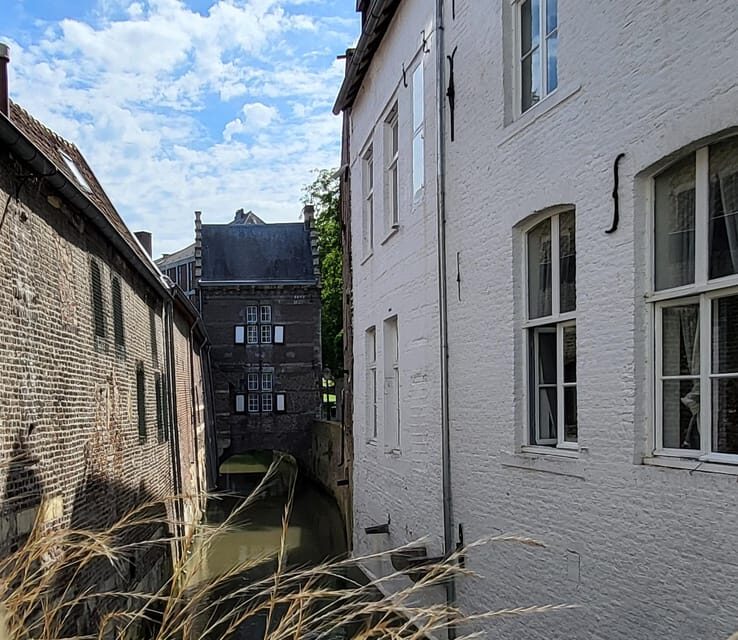
The final stretch brings you to Dominicanerkerkstraat before returning to Maastricht-Centrum. This last part works well because it doesn’t just toss you out at the biggest monument. You finish by walking through the kind of area that gives Maastricht its character: narrow lanes, historic houses, and street views that reward slow walking.
This is where the “unexpected” feeling shows up most. You’re not chasing one grand sight. You’re picking up a pattern: Maastricht’s history is written into its side streets as much as its headline buildings.
If you like photos, you’ll get plenty. If you prefer understanding, you’ll also get that—because the guide ties these final lanes back to the city’s long-running story of crossroads, authority, and local identity.
Price, group size, and why 2 hours can be the right length
The tour costs $235 per group for up to 14 people, lasts about 2 hours, and includes the guide plus hotel pickup within the city. That price structure can be a good value if you’re traveling with friends or family and want a guided orientation without paying per person for a private guide.
To put it in plain terms: if you fill more of the group capacity, your per-person cost drops. If you’re only a couple people, you’ll pay more per person—but you still get something that can be hard to replicate on your own: a guided sequence that connects Roman origins, medieval power, and local spirit into a single walk.
Also note what’s not included: food and museum tickets. That’s not a problem, but it means this tour works best as your “story primer.” You’ll likely want to plan a meal afterward and decide on any museum visits with your own priorities.
Who should book Fons Bollen’s Maastricht walk
I think this tour fits best if you want:
- A guided orientation to Maastricht’s center without needing a map memorization contest.
- Strong storytelling that links Roman, medieval, and local culture.
- A guide who takes questions seriously and stays calm, even when a group needs extra patience.
- A private group format where you can tailor interests a bit as you go (history, art, or local food ideas).
If you’re the type who enjoys churches and street detail, you’ll have a great time. If you want hours inside museums or hands-on archaeology, you’ll need another plan—because this one is a walking tour focused on interpretation.
Should you book? My quick decision guide
Book this tour if you want a fast, friendly way to understand why Maastricht looks and feels the way it does—especially the connection from Roman crossing origins to medieval power centers and the local spirit of Mestreechter Geis. It’s a strong pick when you only have a short time window and you’d rather learn how to see the city than only collect photos.
Skip it if you’re hoping for museum entry or a long, step-by-step architectural lecture with deep indoor time. Also, if your group wants zero walking between stops, plan something else, because this experience is built around a guided walk.
FAQ
How long is the Maastricht walk with Fons Bollen?
It’s listed as a 2-hour walking tour.
Where does the tour start and end?
It starts and returns to Maastricht-Centrum.
How much does the tour cost?
The price is $235 per group, for groups up to 14 people.
What’s included in the price?
You get a guide, a walking tour through the city, and hotel pickup in the city.
What isn’t included?
Food and drinks are not included, and museum tickets are not included.
What languages does the guide speak?
The tour is offered in Dutch, German, and English.
Is it a private group?
Yes, it’s listed as a private group.
Is the tour wheelchair accessible?
Yes, it’s listed as wheelchair accessible.
Can I cancel for a full refund?
Free cancellation is listed up to 24 hours in advance for a full refund.
Is there a reserve and pay later option?
Yes, it’s listed as Reserve now & pay later, so you can book without paying immediately.