REVIEW · MAASTRICHT
Discover Maastricht with a Smile! Culture, History and People
Book on Viator →Bookable on Viator
Maastricht clicks into place fast on foot. This private walk layers churches and border-town stories into one smooth route, so the city feels understandable instead of random. You also get a guide who can tailor the focus to what you care about most.
I love the humor-first guiding style and the quick way you learn names, dates, and why they matter without getting stuck in a lecture. One possible drawback: it’s mostly on your feet, so stick to the moderate fitness level and wear comfortable shoes.
Most stops have no admission price, but the Sint Servaas basiliek does require a ticket of its own. If you want pickup, you’ll coordinate the spot by phone about 10 minutes before you meet.
In This Review
- Key highlights at a glance
- Why this 2-hour Maastricht walk is such a good starter plan
- Start at Stokstraat for quick orientation (and fewer headaches)
- Sint-Servaas Basilica: patron-saint energy and city loyalty
- Sint Servaasbrug: the oldest bridge link from Roman era to now
- Market Square: old city hall, a named statue, and factory traces
- Helpoort: the oldest still-existing town gate in the Netherlands
- Father Vinck Tower: who friar Vinck was and why it’s remembered
- Jekerkwartier pause: Monument Fons Olterdissen and a local legend
- Stokstraatkwartier: Roman settlement roots and restoration you can feel
- De Mestreechter Geis: a symbol of Maastricht spirit
- Vrijthof: the main square, with sites that fit your interests
- Onze Lieve Vrouw Sterre der Zee Basiliek: the popular Mary church
- The big picture: what you actually learn about Maastricht
- Price and value: paying for a guide, not just a stamp on your itinerary
- Who this suits best (and who should choose something else)
- Practical tips that keep the tour smooth
- Should you book this Maastricht walk?
- FAQ
- How long is the tour?
- Is this a private tour?
- What is the group size?
- What language is the tour offered in?
- Where do we meet?
- Is pickup available?
- Do I need to buy tickets for the stops?
- Are drinks or coffee included?
- What fitness level is needed?
- Can I cancel and get a refund?
Key highlights at a glance
- Private group of up to 15 for a more personal, question-friendly pace
- Two hours that actually teach you the city, not just points-of-interest
- Roman-to-medieval story threads connecting bridge, town gate, and old quarters
- Iconic landmarks plus people stories, from bishop-era details to local symbols
- Mostly free entry stops, with one paid church you can plan for
- Guide adjusts the theme if you want more Roman influence, border-town history, or industrial heritage
Why this 2-hour Maastricht walk is such a good starter plan

Maastricht is the kind of city where half the fun is learning to read it. After a short guided circuit, you start noticing the same themes repeating in different places: religion, defense, trade, and the way borders shape identity.
This tour is built for that. It runs about 2 hours, and it’s private with a maximum group size of up to 15. That matters because you’re not being shuffled through like a ticketed museum line. You can ask things like why a church matters, why a bridge is so old, or what a monument is really pointing to. The guide can also shift emphasis depending on what your group wants to hear, from Roman influences to social history.
Price-wise, it’s listed per group, not per person. That can be great value if you fill the group. If you only have a couple of people, it’s still a fair way to get a guide, but the per-person cost rises fast. Think of it as paying for clarity and local storytelling, not just “a route.”
You can also read our reviews of more historical tours in Maastricht
Start at Stokstraat for quick orientation (and fewer headaches)
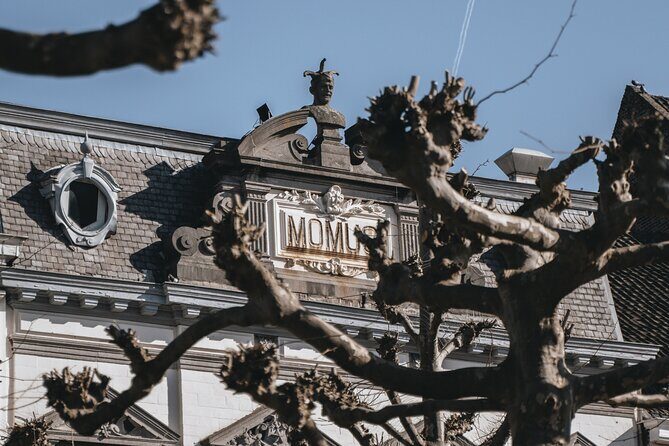
You meet in Stokstraat, 6211 Maastricht and you end back there, which keeps logistics simple. If you want pickup, the guide coordinates the exact pick-up point with your group and calls you about 10 minutes before the meeting time. That’s useful if you don’t want to arrive early and hunt for the right corner.
The tour is also set up close to public transportation, so you’re not stuck trying to taxi your way across town. And since it’s a walking route with a moderate fitness level, you can plan around it rather than hoping you’ll “power through” after a long travel day.
Mobile ticket helps too. You don’t need to dig through paperwork.
Sint-Servaas Basilica: patron-saint energy and city loyalty
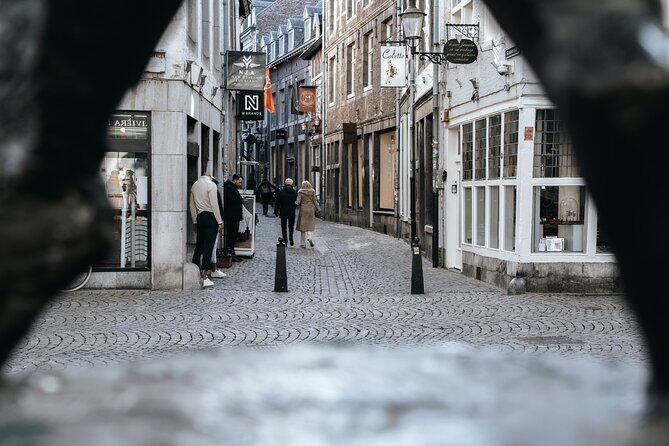
The first big stop is Sint Servaas basiliek (basilica), tied to the city’s patron saint. This is one of those places where the building is only half the story. The guide’s focus is on how the saint’s attachment to Maastricht shaped the city’s identity over time.
A practical note: admission is not included here. So if you want zero stress, budget a little time for entry or check ahead what you’ll need. The good side is that the other stops around it are mostly free, so this paid church doesn’t turn the whole tour expensive.
Why this stop matters: it sets the tone. After you understand the saint-and-city link, later monuments don’t feel random. They connect to real people and real local loyalties.
Sint Servaasbrug: the oldest bridge link from Roman era to now
Next comes Sint Servaasbrug, the bridge story that reaches back to the Roman era and follows it into modern days. Bridges are practical objects, but in an old river city like Maastricht, they also become political and economic chokepoints.
You’ll get the narrative arc: how something built for crossings becomes part of the city’s long memory. This is also an easier stop in a walking tour because it’s short and outdoors. You can get photos without feeling like you’re trapped inside for ages.
No admission ticket needed for the bridge. That means fewer decisions and more time for the guide’s story.
Market Square: old city hall, a named statue, and factory traces
At Market Square, you’ll see the old city hall area and the statue of JP Minckelers. There’s also mention of the vicinity of the old Sphinx factory, which is the kind of clue that helps you understand Maastricht as more than churches and cobblestones.
This stop is brief, so think of it as a “reading check.” You’ll start spotting how public spaces connect government, commerce, and local pride. If you like cities where daily life and history share the same square, this is a good moment to slow down.
It’s free to visit this area, so the value here is all in the explanation.





Helpoort: the oldest still-existing town gate in the Netherlands
Helpoort is the kind of stop that turns a word like town gate into a whole feeling. You walk along the oldest still-existing town gate in the Netherlands and hear the history in a way that sticks, plus a little gossip.
That word gossip isn’t about being silly. It’s about humanizing the past. A gate isn’t just stone and a timetable. It’s where people checked in, where goods moved, and where the city’s rules met the outside world.
This is also a great stop if you’re into defense and city planning. You’ll see how medieval protection shapes the layout you walk through today.
Admission is free for this stop.
Father Vinck Tower: who friar Vinck was and why it’s remembered
Then you head to Father Vinck Tower, with the guide focusing on medieval history and the question: who was friar Vinck?
A tower is visible. A person’s story is what makes it meaningful. Expect the explanation to connect the religious world, local influence, and why a specific name got tied to a structure you pass through.
The stop is short, but it adds texture. It’s the kind of detail that makes Maastricht feel lived-in rather than staged.
Free to visit.
Jekerkwartier pause: Monument Fons Olterdissen and a local legend
In the quieter Jekerkwartier area, the group meets Monument Fons Olterdissen. This is described as Maastricht’s version of Rodger’s and Heart and his legacy to the city.
Even if you don’t already know the reference, this stop gives you something cities often hide: modern local memory. It’s not only about big royal names. It’s also about who residents remember and what values they attach to those figures.
Free stop. A nice break too, because the route shifts from “big landmark storytelling” to something more personal.
Stokstraatkwartier: Roman settlement roots and restoration you can feel
One of the longer stops is around Stokstraatkwartier, with attention on how the area was part of the city’s oldest Roman settlement and how it’s been restored.
Roman influence can sound abstract until you walk in a district where traces of the past shape the streets and corners you see. This stop helps you picture the city as layered, not frozen in one era.
It’s free entry, and the time here gives you room to notice details at a comfortable pace.
De Mestreechter Geis: a symbol of Maastricht spirit
You’ll also meet De Mestreechter Geis, a statue that’s described as the symbol of the Maastricht spirit and way of live. This is the kind of stop I like on walking tours because it gives you a local personality marker.
Not every city has an obvious symbol for identity. Maastricht does. And once you’ve seen it, you’ll start understanding why people talk about the city as its own kind of place.
Free stop, quick but meaningful.
Vrijthof: the main square, with sites that fit your interests
At Vrijthof, Maastricht’s main square, you’ll get to the heart of the city’s “public life.” The guide points out sites and explains what’s interesting for your group, meaning you don’t get one rigid script.
This flexibility is one reason private tours work better than self-guided walks. You can tune the story toward what you care about: architecture, art history, social history, or simply how the space was used.
This stop is free. Expect a short but satisfying look at why Vrijthof is the place where visitors and locals both feel the city’s pulse.
Onze Lieve Vrouw Sterre der Zee Basiliek: the popular Mary church
The tour finishes with Onze Lieve Vrouw Sterre der Zee Basiliek, often called the city’s most popular church, nicknamed Slevrouw. It sits on Onze Lieve Vrouweplein and is known here for its statue of the Virgin Mary.
This is a big moment because Maastricht is strongly religious in its visible landmarks, and this church is one of the clearest expressions of that. The guide keeps the focus on what the building means and how people connected with it over time.
Free to visit on this tour.
The big picture: what you actually learn about Maastricht
The route isn’t just a list of famous sites. The tour threads themes that explain why Maastricht feels distinct.
You’ll hear about:
- D’Artagnan and Louis XIV, bringing the city into a wider European story
- Holland and Maastricht, showing how borders and neighbors shaped identity
- The bishop’s mill, which helps you see the “work side” of power, not just politics
- Maastricht as a bordertown, tying trade and movement to the way the city is built
- Industrial heritage and social history, so history includes the people who worked and lived here
- Roman influences, which makes the city’s age feel real instead of like a footnote
And the guide will adjust depending on what your group wants to hear. If you’re the type who likes a focused story about Roman layers, you’ll get that. If you prefer defense, you’ll get the gate and fortification angles. If you’re more into everyday life, the social-history and local-identity stops do that job.
One more detail worth calling out: the guide’s style is described as funny and human. In the reviews, Peter Corsius comes up again and again for smart local knowledge and humor. That matters. History lands better when it’s told like a conversation.
Price and value: paying for a guide, not just a stamp on your itinerary
The tour costs $210.27 per group for up to 15 people, for about 2 hours. That price structure can be very sensible.
Here’s how to think about value:
- If you come with a larger group, the per-person cost drops fast.
- If you come as a small party, you’re paying more per person, but you still get a private guide’s time and flexibility.
- You also get pickup offered and a mobile ticket, which reduces the “wasted time” cost of figuring things out yourself.
If you want to experience Maastricht efficiently on day one, this tour is a solid bet. It helps you decide what to return to later on your own.
Who this suits best (and who should choose something else)
This is a strong fit for:
- Couples and small groups who want a guided overview without a long day
- People who like history told in an easy, story-driven way
- Visitors who want Roman-to-medieval connections and border-town context
- Groups that value flexibility, since the guide can shift topics to match your interests
It may not be ideal if:
- You want a totally hands-off tour where you never walk
- You hate church interiors and prefer outdoor only (the stops include churches, including the Sint Servaas basiliek and the Mary basiliek)
- You don’t want to plan for one stop with admission not included
Practical tips that keep the tour smooth
- Bring comfortable walking shoes. The route is short-stop to short-stop, but it’s still a walking circuit.
- Plan for one paid ticket at the Sint Servaas basiliek. Everything else on the main list is free.
- Don’t expect coffee or snacks from the tour. Drinks and food aren’t included.
- If you have questions about where you’ll meet, use the pickup call timing and confirm your exact spot when they reach out.
- If you’re a group that includes different language needs, you’ll likely appreciate the guide’s storytelling style. In the reviews, German is mentioned positively as well, even though the tour is offered in English.
Should you book this Maastricht walk?
Book it if you want Maastricht to make sense fast. This tour is built for orientation plus story: churches with context, bridges with deep timelines, and gates that explain how the city protected itself and moved forward.
Skip it if you’re happy wandering alone, reading plaques, and you don’t care about the threads connecting Roman influence, border history, and industrial-era shifts. Also skip if walking for two hours on uneven streets will be a problem.
For most first-timers, I think this is one of those “smart-start” choices. You’ll leave with names you remember and reasons you can explain, not just photos.
FAQ
How long is the tour?
It runs about 2 hours.
Is this a private tour?
Yes. It’s private, and only your group participates.
What is the group size?
The group can be up to 15 people.
What language is the tour offered in?
The tour is offered in English.
Where do we meet?
The start and end point is Stokstraat, 6211 Maastricht, Netherlands.
Is pickup available?
Pickup is offered. The guide coordinates the pick-up point with you and calls about 10 minutes before meeting up.
Do I need to buy tickets for the stops?
One church stop, Sint Servaas basiliek Maastricht, is listed as not included. Other listed stops on the walk are free.
Are drinks or coffee included?
No. Coffee/tea and any beverages or food are not included unless specifically stated.
What fitness level is needed?
A moderate physical fitness level is recommended.
Can I cancel and get a refund?
Yes, free cancellation is available. You can cancel up to 24 hours in advance for a full refund.