REVIEW · AMSTERDAM
Amsterdam: Countryside Bike Tour and Zaanse Schans Windmills
Book on GetYourGuide →Operated by Hop-on Tours · Bookable on GetYourGuide
Windmills look better at bike speed. This half-day ride takes you out of Amsterdam and into Zaanse Schans country, where you’ll see old industrial processes up close. You start at Amsterdam Centraal, hop on the train to Zaandam, then pedal through wetlands tied to Monet, wooden-house neighborhoods, and windmills that feel like they’re still doing real work.
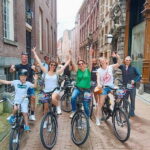
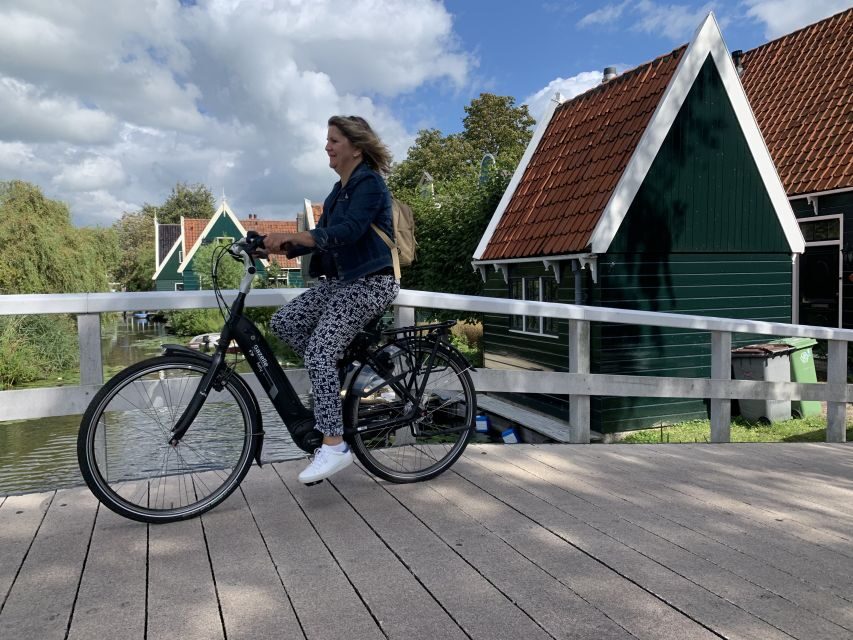
I like how small-group it is. You ride at an easy pace, and Hans (your guide) tends to slow down for questions and photo stops without turning the tour into a traffic jam. I also love the hands-on-style stops: a sawmill demonstration, a paper mill visit tied to historic Dutch paper production (including the connection to paper used for the US Declaration of Independence), plus clog making and Gouda tasting.
One drawback: this tour is not for everyone. If you have limited mobility, this isn’t recommended, and it’s also not suitable for people under 4 ft 6 in / 140 cm.
In This Review
- Key highlights I’d plan around
- Leaving Amsterdam by train for Zaandam, the smart shortcut
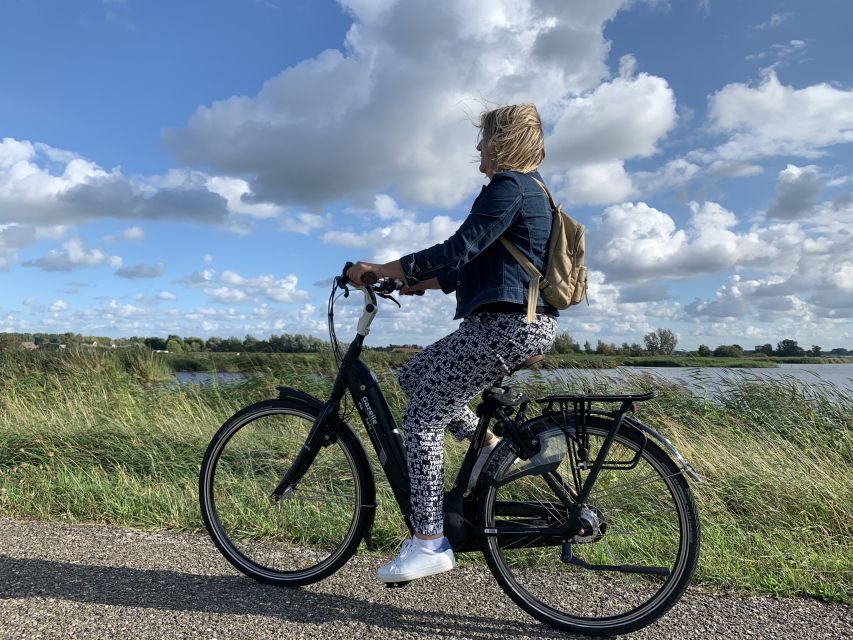
- The bike ride itself: easy pace, real guidance, good bike fit
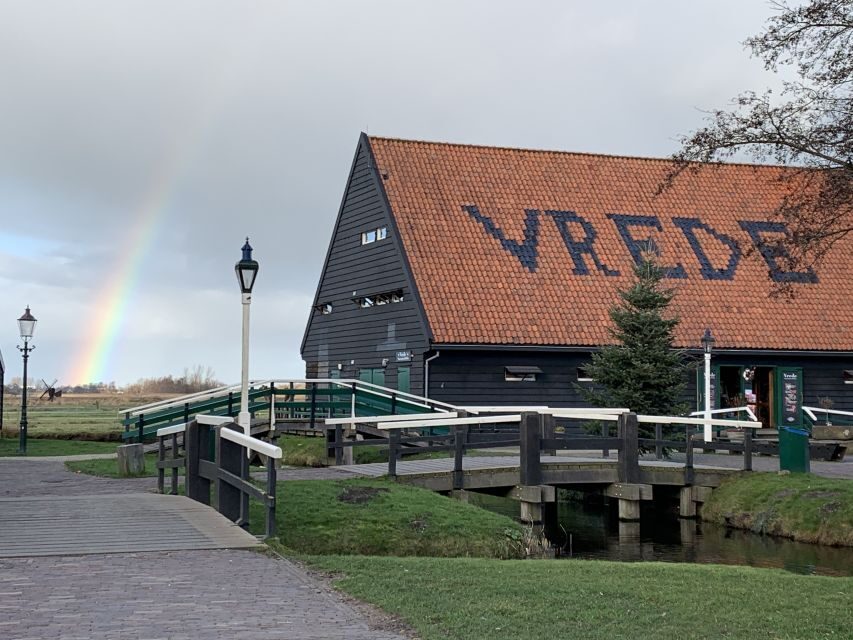
- Windmills at Zaanse Schans: seeing how they work (not just posing)
- Sawmill stop: the “wood power” moment that makes the rest click
- The paper mill and the Declaration of Independence connection
- Monet’s wetlands: a moving viewpoint for a painter’s idea
- Domineestuin and the wooden-house neighborhood feel
- Zaanse Schans village time: enough to feel it, not enough to get stuck
- Clogs and Gouda: the demo and tasting that ground the day
- What you should pack (based on how the day can actually feel)
- Price and value: why $64 feels fair for this specific mix
- Who this tour fits best (and who should skip it)
- Should you book this Amsterdam countryside bike tour?
- FAQ
- How long is the Amsterdam countryside bike tour?
- Where do I meet the guide?
- Is this a small-group tour?
- What’s included in the price?
- What’s not included?
- Is the tour suitable for everyone?
- Do I need to pay upfront?
Key highlights I’d plan around
- Leisurely small-group cycling that still gets you out of the city fast
- Windmills outside the main tourist crush, with a real sense of how they function
- Monet-inspired wetlands you ride through instead of just viewing from a distance
- Paper mill history with a direct link to the US Declaration of Independence
- Clog making demo and Gouda tasting to round out the Dutch craft theme
- Return train ticket included, so you don’t need to figure out logistics mid-ride
Leaving Amsterdam by train for Zaandam, the smart shortcut
This tour is built around one big idea: don’t waste your limited time in Amsterdam traffic and canal detours. You meet in front of the GVB ticket & information office at Amsterdam Centraal, then you take the train to Zaandam to start the cycling with momentum.
Why it works: once you’re on the bike, you get that Dutch “everything is close but everything is different” feeling. In about five hours total, you’re not only changing scenery. You’re also switching from postcard Amsterdam to a working region of wind power, milling, and crafts.
Also, you get a built-in rhythm. The day starts organized, and you’re back at Amsterdam Centraal afterward by train. That matters when you’re on a tight schedule, or when you want a half-day plan that doesn’t sprawl.
You can also read our reviews of more cycling tours in Amsterdam
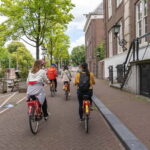
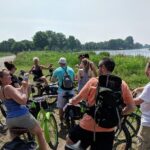
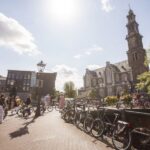
The bike ride itself: easy pace, real guidance, good bike fit
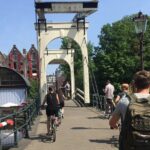
The cycling is described as leisurely, and the reviews lean hard into the same point: the ride is not a workout disguised as sightseeing. Hans keeps the group together, and the pace is set for comfort rather than ego.
Here’s what that means for you:
- If you’re a confident rider, you’ll still feel relaxed because the route is paced with stops for explanation and photos.
- If you’re slightly nervous, you’ll likely feel better knowing the guide adjusts the experience to the group and helps with bike setup.
One practical tip from how this tour tends to run: bring a jacket you can trust. This is the Netherlands, and weather can switch quickly. If it rains, you can get wet, so plan for water rather than just “weather-hope.”
And because the tour is not recommended for limited mobility (and has a height requirement of 4 ft 6 in / 140 cm), you should treat it as an active tour. It’s a bike tour first, a “sit and look” tour second.
Windmills at Zaanse Schans: seeing how they work (not just posing)
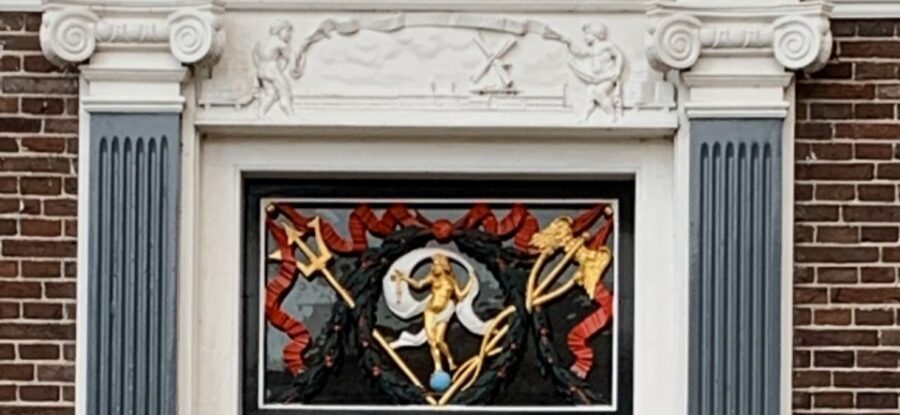
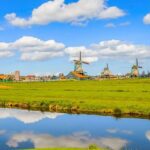
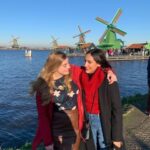
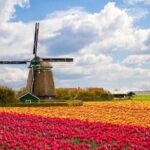
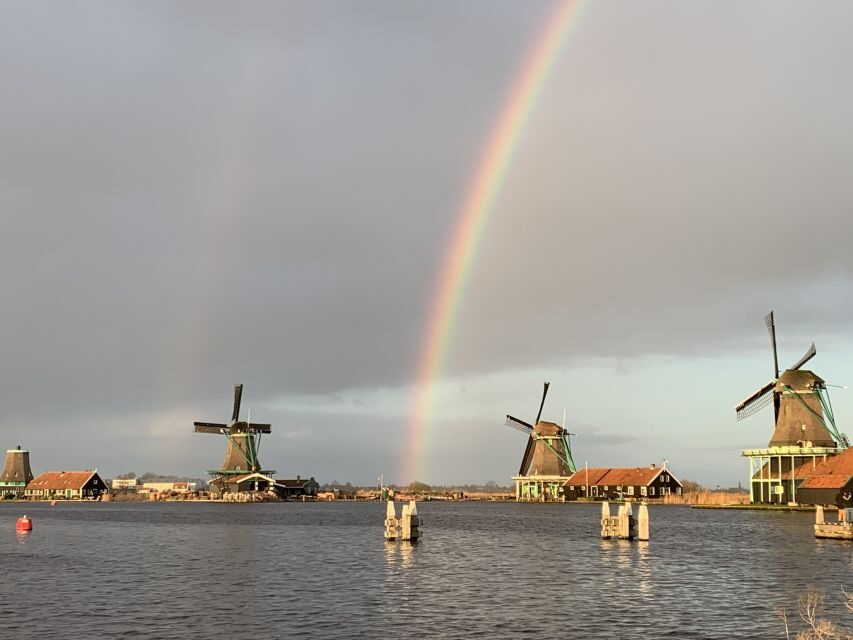
Zaanse Schans is famous for windmills, but this tour aims to keep you from living inside the most crowded view of the area. You’ll visit windmills outside the main tourist zone and get a clearer picture of why they existed.
You also get one windmill entrance included, so you’re not only stuck outside looking up. Expect a more technical explanation than you’d get from a quick walk-by stop. The goal is simple: understand what the windmill is doing and how it fits into everyday industry.
What I like about this approach is that it changes the windmill from a symbol into a machine. After you see the sawmill and paper-mill stops later, the windmills start to feel like the power source behind the whole “made by industry” story of the region.
If you’re traveling on a Saturday, you might catch a windmill that’s active more than just as a backdrop. Don’t count on it, but it’s a nice bonus when it happens.
Sawmill stop: the “wood power” moment that makes the rest click
Before you get to paper and crafts, you stop at a sawmill to learn how it operates. This is one of those stops that quietly improves everything else.
Why? Because once you understand how wind-driven milling works, you stop seeing windmills as isolated attractions. Instead, you start noticing the logic: energy → processing → finished goods.
Even if you’re not a hobbyist, it’s easy to follow. Hans explains what you’re looking at, and you can stand close enough to connect the mechanical parts to the end result.
This stop is also a good pace-break. You’re not just cycling straight through. You’re learning while you rest your legs, take photos, and reset your attention for the next stretch.
The paper mill and the Declaration of Independence connection
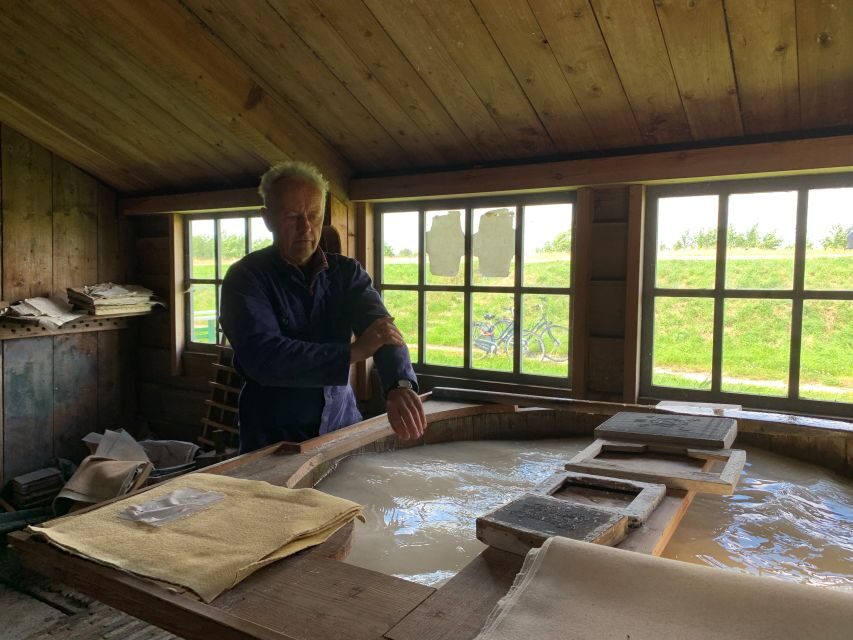
One of the most intriguing parts of the day is the paper mill visit and the explanation of how paper was made in the 17th century—plus the link to paper used for the US Declaration of Independence.
You might think paper history would be dry. It isn’t, because it’s told in a very practical way. The tour connects the craft to materials, tools, and the industrial process. That makes the Dutch role feel real, not abstract.
How this helps you as a visitor: it gives you a “why this matters” angle when you’re surrounded by windmills and wooden houses. The region wasn’t only about scenery. It was about production—paper included.
So when you cycle past other industrial bits and demonstrations later (clogs, cheese), the day feels like a chain, not a random list of stops.


Monet’s wetlands: a moving viewpoint for a painter’s idea
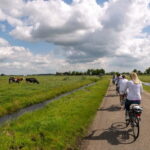
Another highlight is cycling through wetlands that Monet painted in the late 19th century. You’re not just reading about it. You’re riding through it, which changes how you see it.
Why it’s valuable: a painting can feel like a snapshot. On the bike, you get a sense of space and distance—how water, reeds, and open fields line up as you move. Even if Monet isn’t your obsession, the wetlands make a visual break from the windmill/woodwork focus.
This is also where the easy pace pays off. If you were rushing, you’d miss the subtle transitions between waterways, open views, and the built elements along the route.
Domineestuin and the wooden-house neighborhood feel
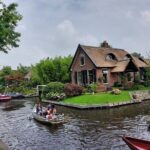
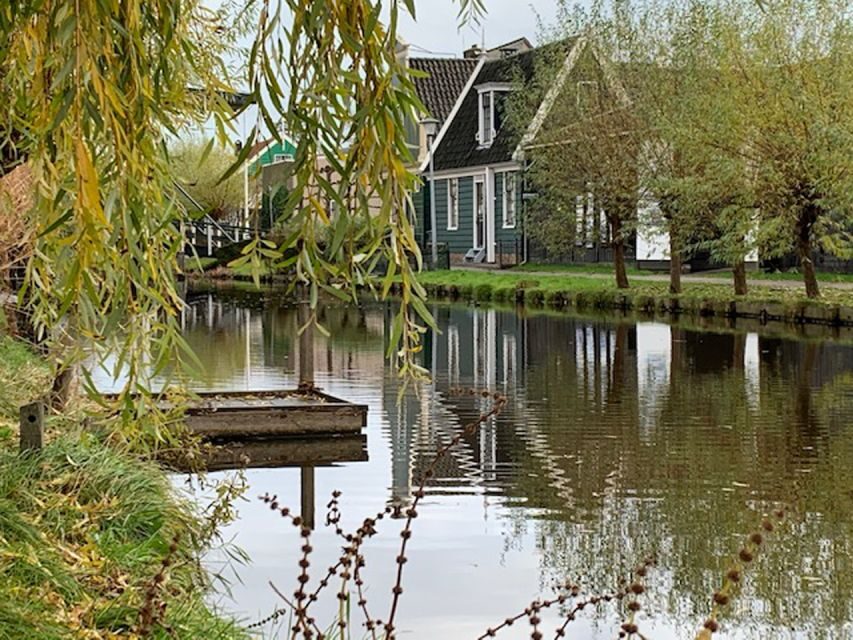
Between the industrial stops and Zaanse Schans, you pass through the Domineestuin area, known for authentic wooden houses. It’s not the star of the day in the way a windmill is, but it’s the kind of detail that makes the tour feel rooted in real place.
This is where you start seeing what the region was like for people—not just for machines. The wooden houses give you scale and texture. And since you’re biking, you see them in passing rather than in a stiff, stop-and-stare museum rhythm.
For photographers: this section is often the “quick, stop, shoot” part. Keep your camera handy, but don’t let it turn into a scavenger hunt.
Zaanse Schans village time: enough to feel it, not enough to get stuck
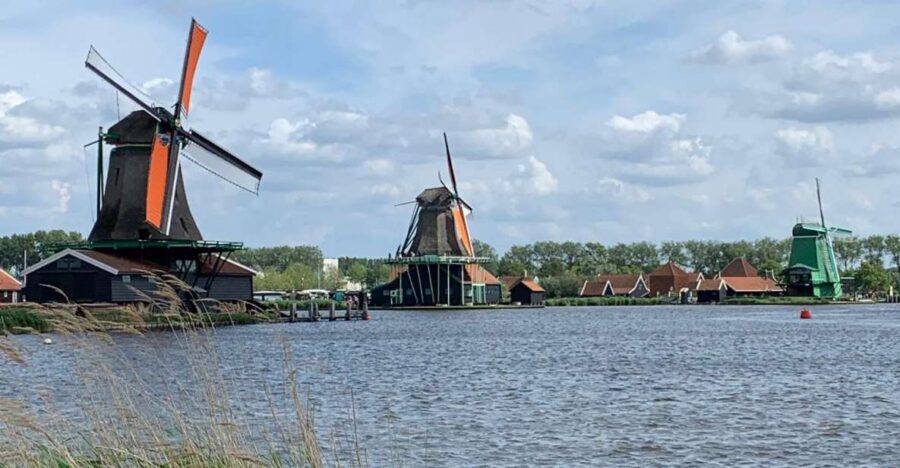
Once you arrive in Zaanse Schans, you park your bicycle and shift into short, focused activities rather than wandering for hours.
This is a tour sweet spot. You get time in the village without letting the afternoon dissolve into crowd navigation. Since you’re already out of Amsterdam, you don’t need to spend your limited time fighting for space.
Think of this part as the “Dutch craft compact.” You’re there to meet the makers and taste the goods, not just to browse shops.
Clogs and Gouda: the demo and tasting that ground the day
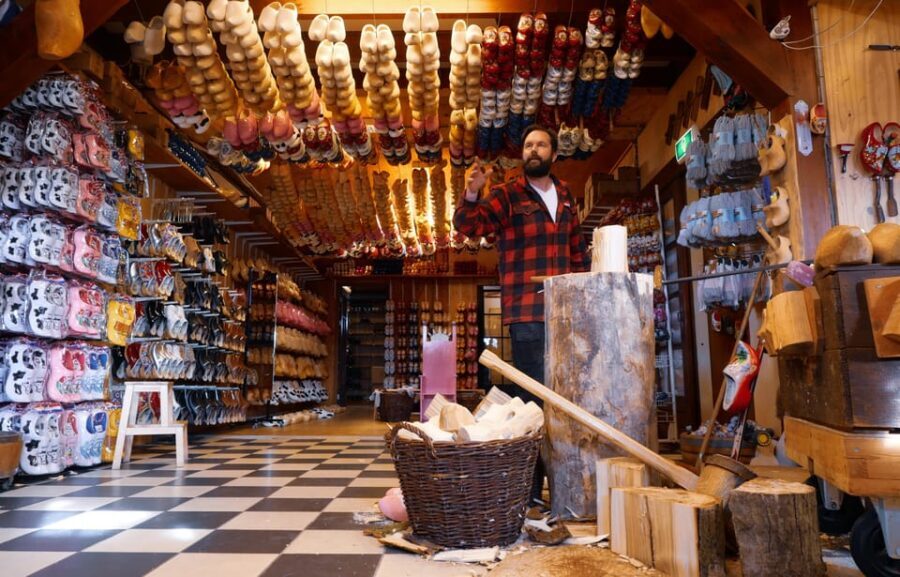
The clog making demonstration is a highlight if you like seeing craft with your own eyes. You’ll watch how clogs are made, and you get a better sense of what’s behind that simple wooden shape.
Then you get a Gouda cheese tasting. Since food and drinks aren’t included, it’s smart to treat this tasting as a planned payoff rather than a full meal. You’ll leave with flavors, but you’ll still want to eat later on your own time.
For many people, these two stops are what turns the tour into a “cultural experience” instead of “a nice ride plus some sights.” It’s practical Dutch life—woodwork and dairy—right there in the itinerary.
What you should pack (based on how the day can actually feel)
This is a half-day bike tour. You won’t need hiking gear. But you do want comfort, since weather and bike time are real variables.
My quick packing checklist:
- A waterproof jacket (not just water-resistant). Rain can soak through.
- Comfortable shoes that handle wet paths if it’s raining.
- A small layer for cool wind. Even in mild seasons, open countryside can feel colder.
- Sunglasses or a cap for sun breaks.
- A lightweight bag or pocket system for anything you don’t want bouncing around.
Since you won’t have food and drinks included, plan for your own water strategy and a snack plan before or after. The tour gives you tastings and demos, not a full picnic.
Price and value: why $64 feels fair for this specific mix
At $64 per person for about five hours, the price is more than just “bike rental.” You’re paying for:
- The guided cycling experience
- A return train ticket from Amsterdam Centraal to Zaandam
- Bicycle tour organization
- Entrance to one windmill
That’s the value equation. You don’t have to solve the logistics on your own, and you’re not only paying for transportation. You’re paying for a guide who explains what you’re seeing and ties the stops together—wind power, milling, paper, clogs, and cheese.
The main thing not included is food and drinks. That’s common on tours like this, but it’s worth planning for. If you treat the cheese tasting as a bonus rather than a meal replacement, you’ll feel like the price was a solid bargain.
Who this tour fits best (and who should skip it)
This is a great match if you want:
- A low-stress way to see the countryside outside Amsterdam
- Windmills plus more than windmills (paper mill, sawmill, crafts, cheese)
- A small-group ride where you can hear the guide
It may not be your best choice if:
- You need mobility support. The tour is not recommended for limited mobility.
- You fall below the height requirement of 4 ft 6 in / 140 cm.
- You dislike cycling as an activity, even if it’s easy.
If you’re traveling with teens, this kind of hands-on stop structure often lands well, because it’s visual and interactive. If you’re traveling with older relatives who can bike comfortably, double-check the mobility and comfort requirements first.
Should you book this Amsterdam countryside bike tour?
If you’re doing only one countryside day from Amsterdam, I’d strongly consider booking it. The combination is unusually good: train to Zaandam, easy cycling, windmill mechanics, paper-making history tied to the US Declaration of Independence, Monet wetlands, and the clog/cheese pair.
You’ll get out of the city without turning your day into a transportation puzzle. And with Hans running the show, you’re not stuck guessing what you’re looking at.
Book it if you want a real Dutch mix of industry and craft, and you’re comfortable biking for a half-day. Skip it if cycling won’t work for you, or if mobility limits make bike days stressful.
FAQ
How long is the Amsterdam countryside bike tour?
The tour lasts about 5 hours.
Where do I meet the guide?
Meet in front of the GVB ticket & information office at Amsterdam Central Station.
Is this a small-group tour?
Yes. It’s a small group limited to 7 participants.
What’s included in the price?
Included: the bicycle tour, a guide, a return train ticket from Amsterdam Centraal to Zaandam, and entrance to one windmill.
What’s not included?
Food and drinks are not included.
Is the tour suitable for everyone?
No. It’s not recommended for people with limited mobility, and it’s not suitable for people under 4 ft 6 in (140 cm).
Do I need to pay upfront?
You can reserve now and pay later, and there is free cancellation up to 24 hours in advance for a full refund.