REVIEW · AMSTERDAM
Amsterdam: Anne Frank’s Last Walk & Visit the House in VR
Book on GetYourGuide →Operated by Amsterdam Experiences · Bookable on GetYourGuide
Anne Frank’s last walk feels uncomfortably close. This tour strings together Amsterdam streets, diary excerpts, and a VR visit that shows the Secret Annex as it looked during Nazi occupation—without the usual rush inside. You’ll hear what Anne and her family were trying to survive, while you follow the route toward Prinsengracht and the hiding place.
I especially love the way the guide connects the city to the story, using quotes from Anne’s diary as you walk, not just a lecture in one spot. And I like the Oculus VR Secret Annex segment at the end, where you can go through the space at your own pace. One possible drawback: you don’t get Anne Frank House entry, so if you wanted a full visit of the museum hideout itself, you’ll still need separate tickets.
In This Review
- Key points worth knowing before you go
- Walking Anne Frank’s last route, step by step
- The diary excerpts that turn streets into a timeline
- The big moment: VR Secret Annex with an Oculus headset
- The included drink: a simple reset after an emotional walk
- How this compares to buying Anne Frank House tickets
- Price and value: is $49 worth it?
- Who this tour suits best (and who should skip it)
- Practical timing: 2.5 hours on foot plus VR
- Should you book this Anne Frank’s Last Walk & VR tour?
- FAQ
- What’s included in the tour?
- Does this include tickets to the Anne Frank House?
- How long is the experience?
- Is the tour available in languages other than English?
- What’s the VR part like?
- Is the tour suitable for young children?
- Is it accessible for people with mobility issues?
Key points worth knowing before you go
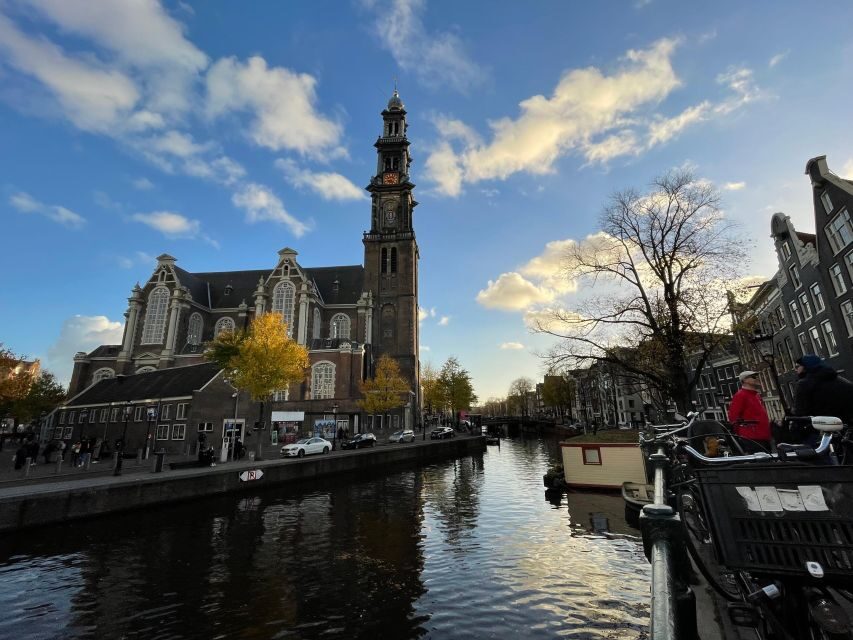
- Anne Frank’s last-walk route on foot: you’ll follow the final part of the path her family took to Prinsengracht.
- Diary excerpts on the street: quotes from Anne’s writing give you context while you’re actually outside in Amsterdam.
- Oculus VR Secret Annex walkthrough: you explore the bookcase area and see period rooms with belongings in place.
- A calmer alternative to house crowds: the VR part is set up so you’re not fighting lines.
- A included drink near the house: coffee, tea, soft drink, beer, or wine gives you a small breather right after the walk.
- Your guide matters: names like Michael, David, and Kees show up in the guide mix, and the guiding style is a big part of why people rate this so highly.
Walking Anne Frank’s last route, step by step
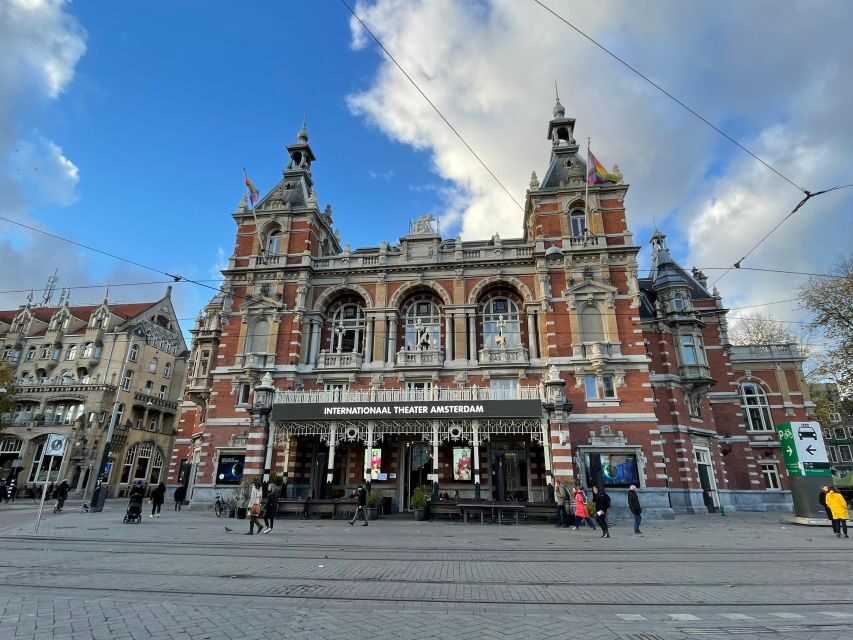
This is a street-to-story experience. Instead of starting with a ticket office and a big building, you start with the city. You’ll walk the last portion of the route Anne and her family took as they moved toward their hiding place on Prinsengracht.
The effect is simple but strong: Amsterdam stops being just pretty canals and turns into a set of real distances. Streets, sightlines, and the everyday texture of the city start to make sense as part of the danger. You’re not just learning about the past—you’re watching how the story fits the map.
Along the way, your guide uses extracts from Anne Frank’s diary. That matters because it shifts the experience from facts to feeling. You get Anne’s perspective while you’re moving through the neighborhood she knew. If you’ve ever wished the story came with more human detail, this approach helps a lot.
A small practical note: this is walking, and it’s meant for people who can handle a couple hours on foot. If your mobility is limited, take that seriously. The activity is not suitable for people with mobility impairments.
You can also read our reviews of more walking tours in Amsterdam



The diary excerpts that turn streets into a timeline
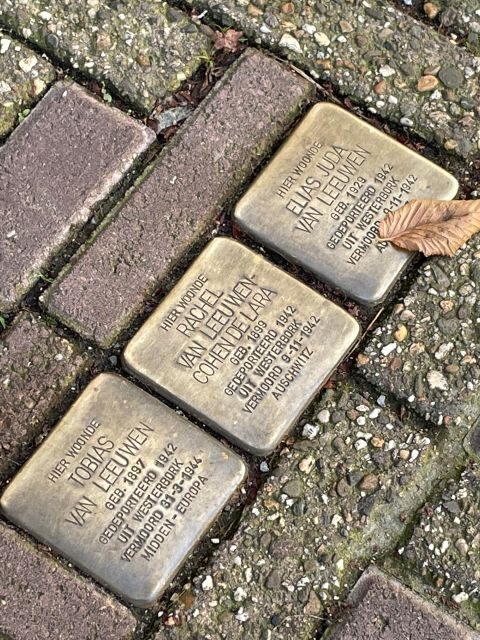
The backbone of the tour is what you hear as you go. You’ll hear quotes from Anne’s diary as you approach the hiding place area, and you’ll get the historical framing that explains how daily life changed under Nazi occupation.
What I like here is that the diary excerpts give you a “time anchor.” You can feel the sequence: the move, the tightening situation, the hiding life that followed. It’s not random trivia; it’s a timeline delivered in city-walk form.
Also, the guides are clearly comfortable with the material. In the guide mix, you’ll see names like Michael, David, Kees, and Carolina mentioned often, and the common thread is storytelling that stays grounded—Amsterdam history, the family story, and how it all fits together.
Just remember: with a walking tour format, there’s only so much that can fit into one 2.5-hour slot. You may not get every single sidestep of the broader war story, but you will get enough to understand what you’re seeing and why it matters.
The big moment: VR Secret Annex with an Oculus headset

After the walk, you switch gears to VR. You’ll enter the Secret Annex through a Virtual Reality simulation created by the Anne Frank Foundation, using an Oculus VR headset. Instead of being in a crowded gallery, you’re given the chance to explore.
Here’s the key advantage: the VR experience is designed to feel like the Secret Annex while the Frank family lived there for those two years. Unlike the actual house visit, the VR version includes the furniture and belongings in place. That little difference can change your whole understanding of the space. Rooms don’t just look staged; they feel lived-in.
One detail I think you’ll appreciate: the tour includes going through the bookcase. It’s the kind of iconic feature that can be missed if you’re just watching museum displays. In VR, it becomes part of the “how did people move and hide here?” question.
Another practical win: the VR setup lets you go at your own pace. You’re not constrained by line flow inside the actual space. For first-timers, that often means less rushing. For repeat visitors, it can feel like a fresh way to see the layout.
If you care about context, the VR is paired with the earlier walk storytelling. By the time you put on the headset, the buildings and street route you just experienced give the VR rooms extra meaning.
The included drink: a simple reset after an emotional walk
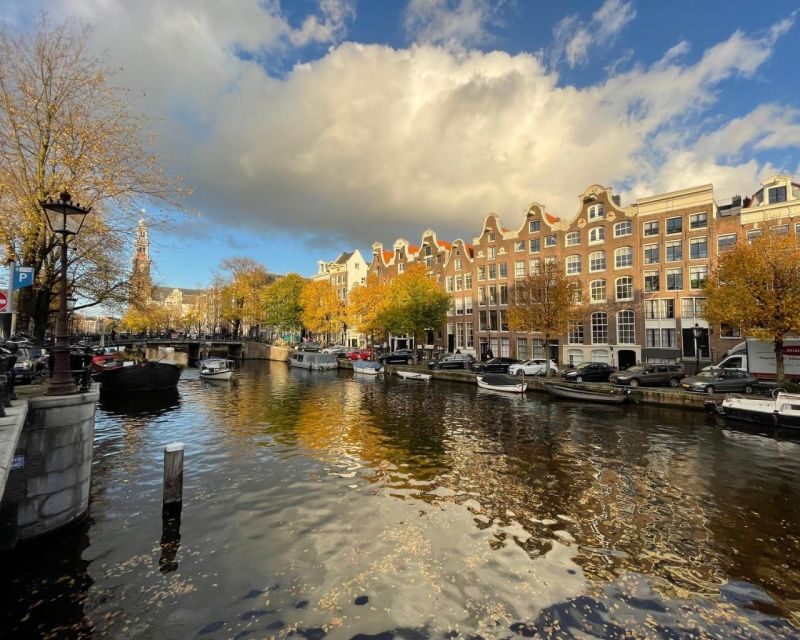
At the end of the walking part, you stop for a drink included with the tour: coffee, tea, soft drink, beer, or wine. You’ll have this before you head into the VR experience.
This matters more than it sounds. The story is heavy. A short break gives you a chance to reset your brain so you can absorb what comes next without feeling slammed from start to finish.
Also, since this happens near the Anne Frank House area, it’s a convenient “pause point.” You’re in the neighborhood, you’ve already got bearings, and you can plan what to do afterward without feeling rushed.
How this compares to buying Anne Frank House tickets
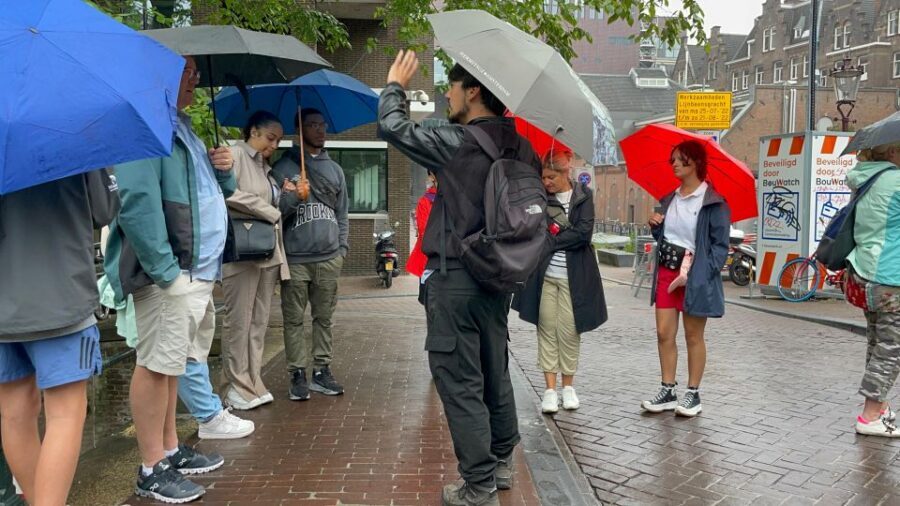
This is the part you should decide early: the tour does not include Anne Frank House tickets. The VR experience is a substitute in the sense that it shows the Secret Annex, but it doesn’t replace a full ticketed visit of the house itself.
So who should choose this version? I’d say:
- You want the story and the visual context, but you’re not able to line up for timed house entry.
- You’d rather avoid the busiest crowd patterns inside the actual house.
- You missed out on tickets and still want a strong, meaningful visit.
Who should still consider buying tickets separately?
- If you specifically want the museum setting, the official house visit flow, and the experience of being inside the real historic space.
- If you want both: this VR tour can be a great “learn first, then see” or “see first, then understand deeper” pairing, but you’d need tickets for the real house.
A useful way to think about the value here: you’re paying for guided context plus a VR walkthrough. You’re not paying for admission into the house itself. That distinction affects value and planning.






Price and value: is $49 worth it?
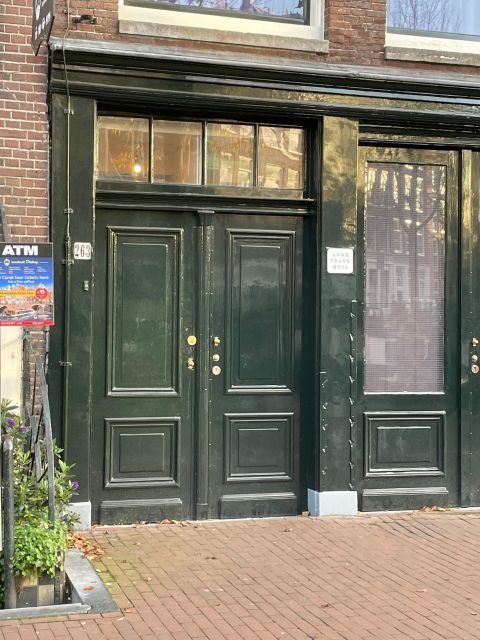
At $49 per person for about 2.5 hours, you’re paying for a guided walking tour plus the Oculus VR segment plus a drink. The price feels fair if you want both learning and a visual component in one package.
The best value angle for many people is simple: you get the city-route narration and then the Secret Annex simulation. If you only did a self-guided street walk, you’d miss the diary excerpts and the “why this street” context. If you only did a standard house visit, you might miss the relaxed pacing that VR offers.
It also helps if you’re traveling on a tight schedule. Two and a half hours is short enough that you can fit it into a day without stealing a half-day or more from your Amsterdam plan.
That said, you should do the math with your priorities. If your top goal is to stand in the actual house and you already have tickets, you might skip this and just do the house. If your goal is understanding plus a calmer VR experience, this price typically makes sense.
Who this tour suits best (and who should skip it)
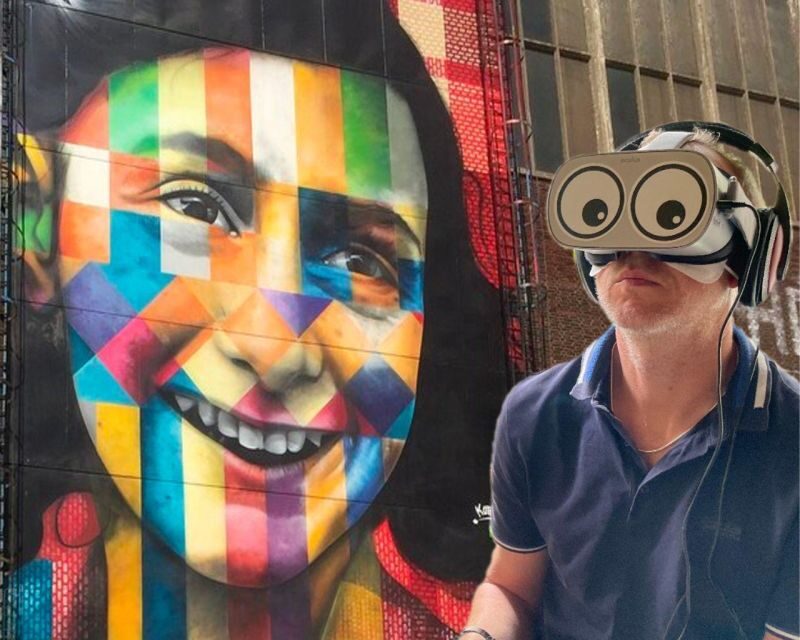
This tour is in English only. So make sure you’re comfortable with that language for the narration and diary excerpts.
Best match:
- You want the Anne Frank story told through Amsterdam streets and a guided framework.
- You like using your own eyes and attention rather than a rushed museum format.
- You’re curious about VR and want it used for history, not just entertainment.
You might want a different option if:
- Your mobility is limited, since it’s not suitable for people with mobility impairments.
- You’re traveling with kids under 6, since it’s not suitable for children below that age.
If you’re a first-time Amsterdam visitor, this tour can add depth fast. If you’re returning and already know the basics, the VR walkthrough can still refresh your perspective, especially with the furniture-and-belongings detail and the bookcase experience.
Practical timing: 2.5 hours on foot plus VR
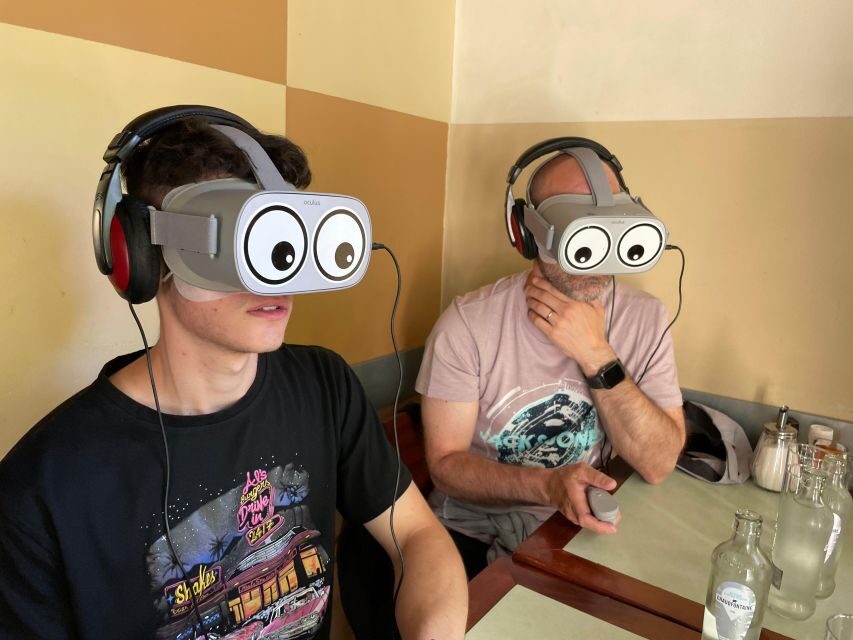
This is a compact experience at 2.5 hours total. Starting times vary, so check availability for the departure that fits your day.
The flow is straightforward: walk first, then drink, then VR. Plan your schedule so you’re not immediately trying to dash to another major stop right afterward. You’ll want a little breathing room to process what you saw and heard.
Since the VR portion is designed for paced exploration, you’ll likely feel better if you let that segment be a full activity instead of squeezing it in between timed reservations. The tour is built as a single emotional arc—street story to hidden-space understanding.
Also, since Anne Frank House entry is not included, decide in advance whether you plan to add a separate house ticket. If yes, build time for it on a different slot, not on top of this tour’s VR visit.
Should you book this Anne Frank’s Last Walk & VR tour?
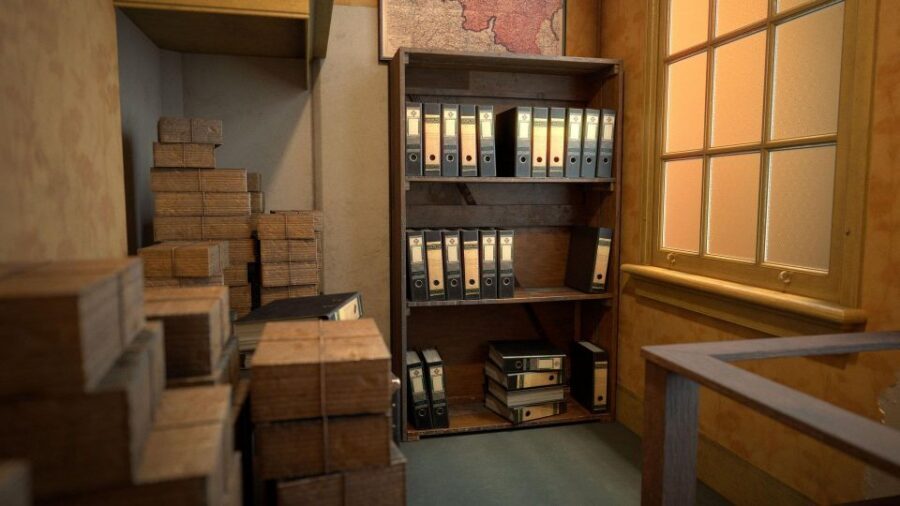
If you want a guided, street-level introduction to Anne Frank’s story and then a structured, less-crowded look inside the Secret Annex through VR, I think this is a strong choice.
Book it if:
- You’re aiming for context plus visuals in one 2.5-hour block.
- You missed out on Anne Frank House tickets and want a meaningful alternative.
- You prefer a calmer experience than a large crowd inside the house.
Consider skipping or adding the separate house ticket if:
- Your main goal is the real Anne Frank House visit itself (and you already can get tickets).
- Walking is hard for you, since the tour is not suitable for mobility impairments.
With a 4.9 rating and lots of praise centered on guides like Michael and David, the human side here is clearly a big part of the value. In plain terms: you’re not just seeing a story—you’re being guided through it.
FAQ
What’s included in the tour?
You get a live guide, an English walking tour, the Secret Annex Virtual Reality tour via an Oculus VR headset, and a drink (coffee, tea, soft drink, beer, or wine).
Does this include tickets to the Anne Frank House?
No. Tickets and entry to the Anne Frank House are not included.
How long is the experience?
The duration is about 2.5 hours.
Is the tour available in languages other than English?
The tour is in English only. Languages listed for guides include English, Dutch, and Spanish, but this specific experience runs in English.
What’s the VR part like?
You’ll use an Oculus VR headset for a simulation of the Secret Annex, including furniture and belongings in place. You also go through the bookcase.
Is the tour suitable for young children?
It’s not suitable for children under 6 years.
Is it accessible for people with mobility issues?
It’s not suitable for people with mobility impairments.