REVIEW · AMSTERDAM
Amsterdam: Allard Pierson Heritage Collections Entry Ticket
Book on GetYourGuide →Operated by Allard Pierson · Bookable on GetYourGuide
Amsterdam has a museum for your curiosity.
If you like seeing how knowledge gets made and shared, the Allard Pierson is a strong pick. The permanent presentation links ancient and modern life, then walks you through the human urge to write things down, trade them around, and build stories from objects.
I especially love how the collection treats everyday intellectual life as a big deal. You get book history of Amsterdam and even examples like early industrial book production, plus things such as cookbooks and 17th-century atlases and books. Another highlight for me is the sheer scale of their map and atlas holdings, including one of the largest map and atlas collections in the world.
One possible drawback: this museum is very theme-and-object focused. If you want a fast, entertainment-first visit, you may find it more slow looking and reading than you expected.
In This Review
- Key things I’d plan around
- A 1-day ticket that’s built for a self-paced route
- Entering the permanent presentation: ancient meets modern curiosity
- Book history in Amsterdam: why paper and print matter here
- Maps and atlases: the world in one room
- The plastercast attic and the audioguide you’ll want
- Egypt and Sudan: more than one ancient corner
- Temporary exhibition: Face to Face mummy portraits (dates matter)
- How to pace your visit without running out of steam
- Price and value: is $18 worth it?
- Who this ticket is best for
- Should you book the Allard Pierson entry ticket?
- FAQ
- FAQ
- How long is the Allard Pierson ticket valid?
- What’s included with the entry ticket?
- Is there a temporary exhibition included?
- What language is the experience offered in?
- Is the museum wheelchair accessible?
- Can I cancel for a refund?
- Is there a pay-later option?
Key things I’d plan around
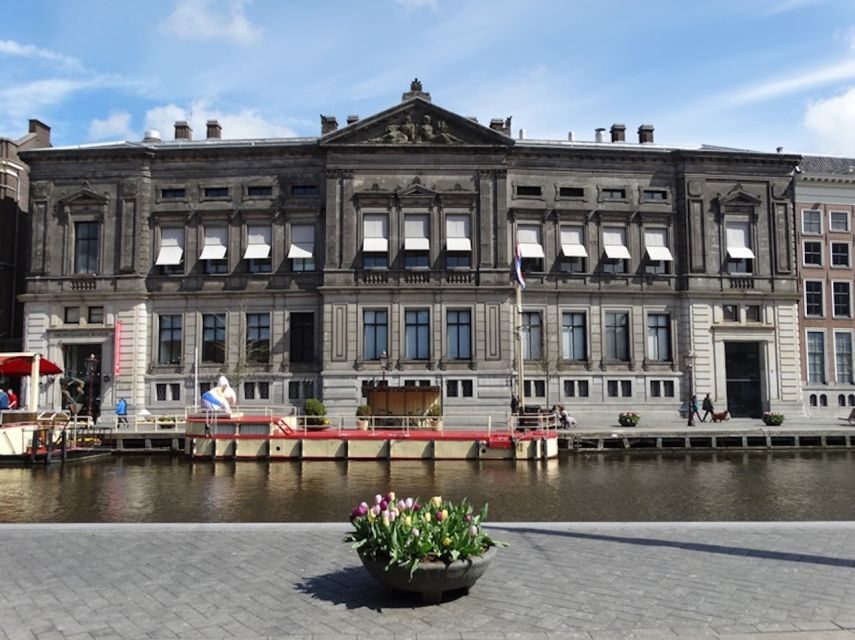
- Book history of Amsterdam: you see how print, commerce, and culture connect across centuries.
- Large map and atlas collections: a world-in-pages way of thinking, not just a single display case.
- The plastercast attic: classical art reproduced in plaster, with an included audioguide for the highlights.
- Egyptian and Sudanese collections: ancient materials presented alongside the museum’s broader story of curiosity.
- Face to Face mummy portraits (temporary): a focused look at Fayum mummy portraits and the people connected to them.
A 1-day ticket that’s built for a self-paced route

The ticket is valid for one day, and the schedule uses starting times you’ll see when you check availability. That matters because you can choose a time that fits your day in Amsterdam rather than building your whole plan around the museum.
Once inside, you’re not tied to a single format. The experience is essentially a tour through the permanent exhibits, plus time for the temporary show when it’s running. You’ll also have access to the museum shop and cafe, which is handy if you want a pause without leaving the museum grounds.
Price-wise, at $18 per person, this sits in a reasonable range for a museum day in Amsterdam—especially because your entry includes both the permanent and temporary exhibitions, and there’s an audioguide included for the plaster casts. If your visit stays focused and unhurried, it’s a good value.
You can also read our reviews of more tours and experiences in Amsterdam



Entering the permanent presentation: ancient meets modern curiosity
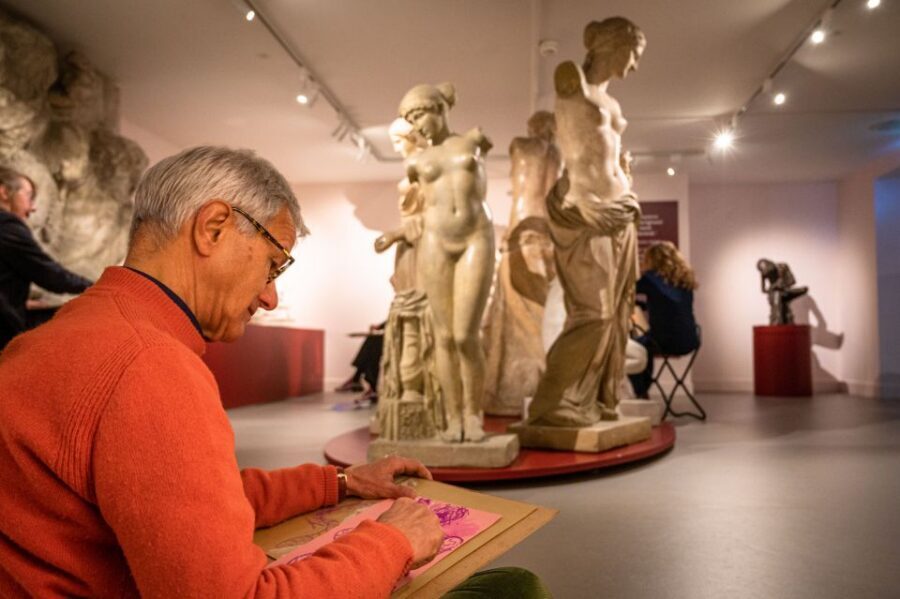
The permanent show doesn’t feel like separate galleries pasted together. It’s organized around the interaction between the ancient and modern world, using a theme of curiosity and how humans keep pushing knowledge forward.
You’ll see examples that connect multiple time periods, with highlights like:
- the origins of writing
- early industrial book production
- Assyrian merchants
- theatre makers in Amsterdam
That combination is the charm. It nudges you to look past the dates and ask a simpler question: what did people need to know, record, or share—and how did they do it?
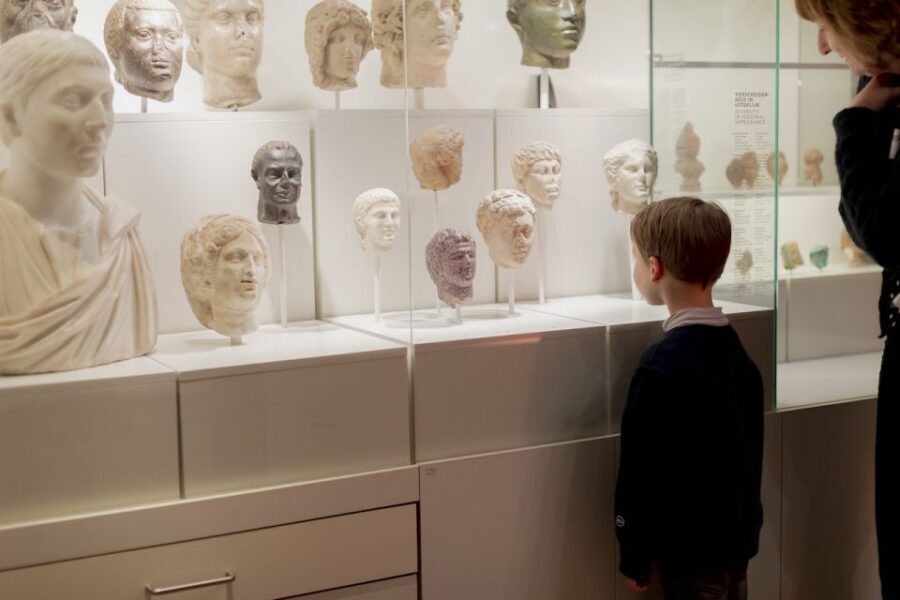
As you move through, expect a mix of materials and subjects that are often scattered across different museums elsewhere: Egyptian hieroglyphs, Greek pottery, Roman glass, Medieval manuscripts, and printed works. If you like the feeling of a museum that makes cross-links for you, you’ll enjoy this.
Book history in Amsterdam: why paper and print matter here
One of the most useful parts of your visit is how the museum frames book history of Amsterdam as more than trivia. The exhibits treat books as technology—something made, sold, copied, and used to build society.
You’ll encounter items and themes connected to the city’s cultural life, including cookbooks and 17th-century atlases and books. Even if you’re not a specialist, the point comes through: print turned private knowledge into something shareable and repeatable.
I also like that the museum includes human stories inside the academic topics. The references to theatre makers in Amsterdam, alongside merchants from the Assyrian world, gives you a sense that books weren’t just for scholars—they sat inside networks of trade, performance, and daily life.
If you’re visiting with friends who only give museums 45 minutes, plan a longer window anyway for this section. Book history can feel dry fast, but here it becomes a practical map of how ideas traveled.
Maps and atlases: the world in one room
If you’re a map person, don’t skim this. The collection includes one of the largest maps and atlases collections in the world, and that size shows. Even when you’re just standing and looking, you’ll start to feel the museum’s big concept: people used cartography to understand power, distance, trade, and imagination.
What makes this satisfying is that maps aren’t presented only as pretty graphics. They fit the museum’s main narrative about curiosity and knowledge. A map tells you what someone thought mattered enough to measure, name, and publish.
Practical tip: give yourself time to slow down. With maps and atlases, your brain needs a second to switch gears—from reading labels to reading patterns. If you arrive late in the day, your attention may shrink. If you can, aim for earlier in your visit so you can actually see the details.
The plastercast attic and the audioguide you’ll want
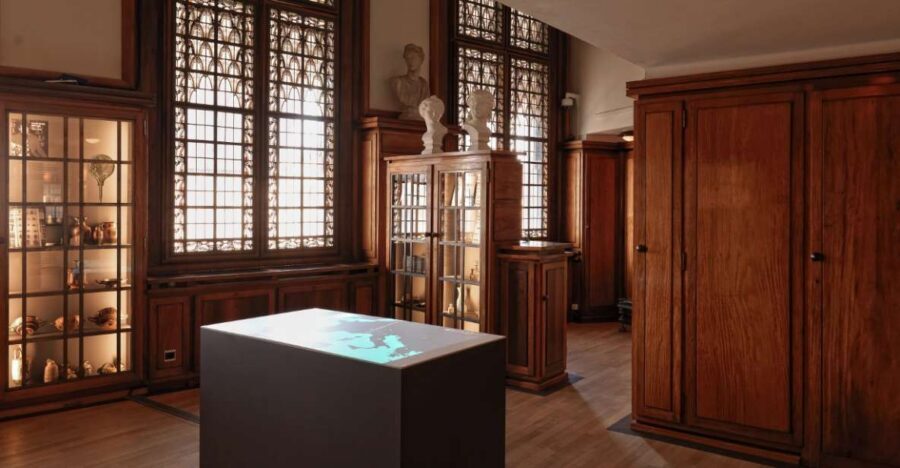
One of the most memorable features is the plastercast collection attic, built around classical statuary casts. This is where the museum gets visual in a different way: you’re not just looking at small objects behind glass. You’re looking at scaled, recognizable forms of famous classical statues, made accessible through plaster casts.
The ticket includes an audioguide for the plaster collections, so it’s worth using. The audioguide matters here because plaster casts are partly about art and partly about reproduction—how an idea of beauty and form got spread and studied.
I’d treat this stop like a short guided lesson, even though it’s self-directed. Before you step into the attic spaces, take a minute to check where the audio points are meant to guide you. Then commit to listening for at least the main sequence, not just one or two tracks.
Also: attic spaces can feel a bit tight depending on how the museum has arranged paths. Move slowly, keep an eye on others, and don’t try to “speed through” this part. The best payoff is standing still long enough to compare surfaces, proportions, and the way the casts translate detail.
You can also read our reviews of more historical tours in Amsterdam






Egypt and Sudan: more than one ancient corner

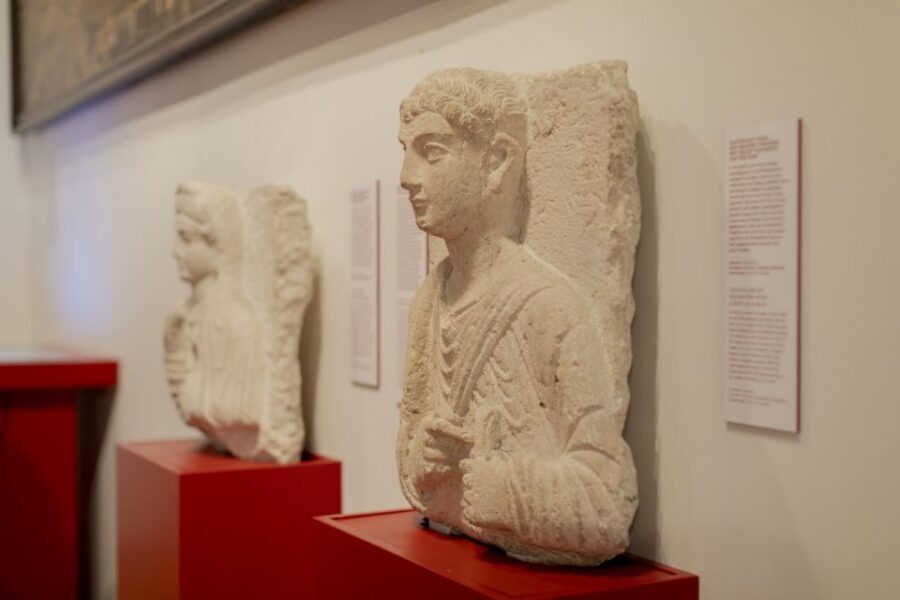
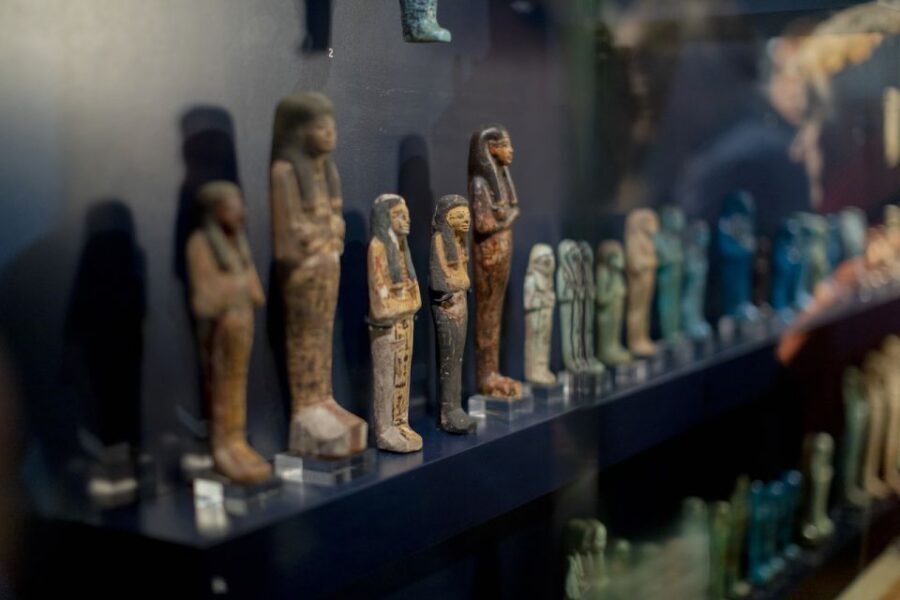
The museum also includes Ancient Egyptian and Sudanese collections. The point isn’t just that these are ancient. It’s that the objects connect to the same theme you’re seeing everywhere else: how people recorded, interpreted, and preserved meaning.
In the broader permanent displays, you’ll see items like Egyptian hieroglyphs alongside objects such as Greek pottery and Roman glass. That mix helps you avoid the common museum problem of being funneled into one narrow lane.
If you like variety, this section gives you a change in texture and visual language. And if you prefer depth in one theme, you can still focus your attention—Egypt and Sudanese items provide enough visual variety to keep you engaged without needing outside knowledge.
The pacing tip: if you find yourself getting tired, spend a little more time in the Egypt and Sudan rooms rather than rushing onward to the temporary exhibition. Those galleries can act like a reset before you shift back into mummy portraits and Roman-period context.
Temporary exhibition: Face to Face mummy portraits (dates matter)
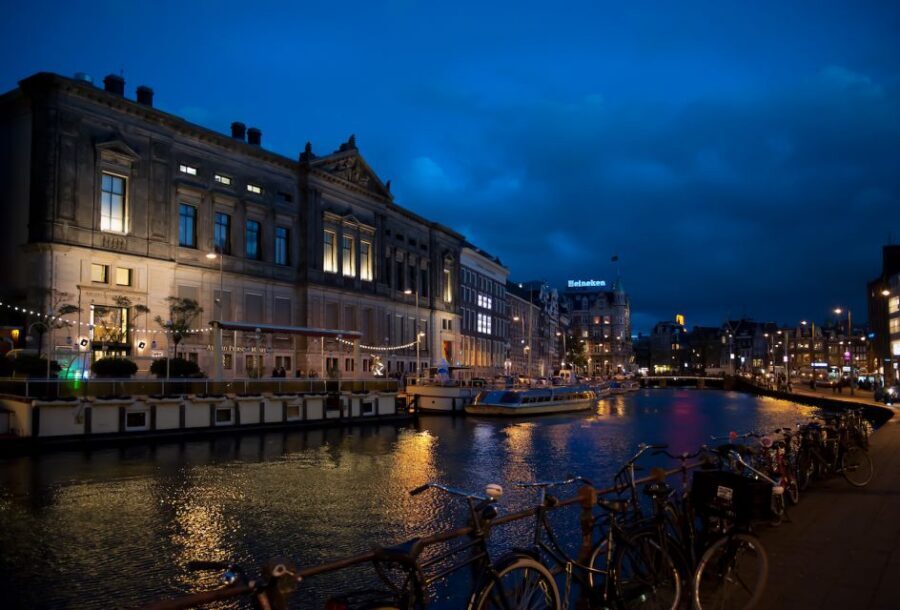
If your visit falls between 6 October and 25 February, you can add the temporary exhibition: Face to Face: The People Behind Mummy Portraits.
This show is the first exhibition about ancient Egyptian mummy portraits in the Netherlands, and that alone makes it a good reason to time your visit. The exhibition focuses on mummy portraits painted on wooden panels during the Roman period in Egypt, from the 1st to the 4th century AD. These portraits were placed over the faces of mummified persons.
You’ll also learn the name Fayum portraits, after the region where most works were excavated. Then the show shifts from the images themselves to the chain of people around them—creators, descendants, collectors, archaeologists, and researchers.
That “people behind the object” approach can be surprisingly emotional for a museum exhibit. Instead of treating the portraits like artifacts only, it frames them as individuals who were remembered almost 2000 years ago.
One more helpful planning note: because this temporary show is time-limited, make sure it exists on your day before you build the rest of your route around it. If it’s not available, you’ll still have a strong permanent collection visit, but the museum will feel different.
How to pace your visit without running out of steam
You’re looking at a big, knowledge-heavy museum. To avoid the common problem of leaving halfway through, I’d plan your day around three mental blocks:
- Permanent story first: get the main theme in your head—curiosity, writing, objects, and how knowledge travels.
- Your favorite theme second: choose between maps/atlases, book history, plaster casts, or Egypt/Sudan based on what you personally get excited about.
- Temporary exhibition last (if it’s on): save Face to Face for when you have the energy to read and reflect.
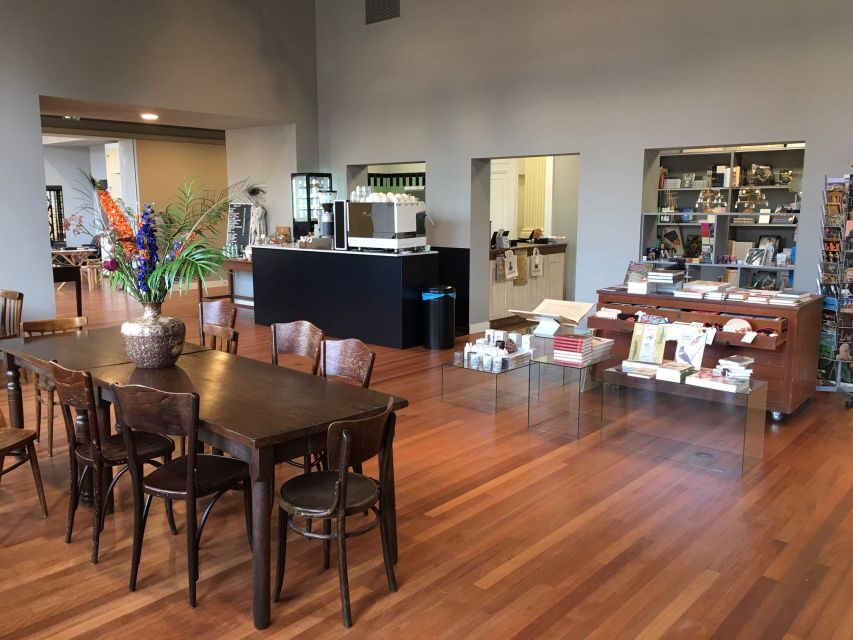
You can also use the included museum cafe and shop as a reset point. That small buffer time makes a difference in how much you actually absorb, especially if your Amsterdam day involves walking around the city beforehand.
Price and value: is $18 worth it?
At $18 per person, I’d call this a solid value for three reasons.
First, the ticket includes access to both the permanent and temporary exhibitions. Many museums charge extra for special exhibits. Here, that’s bundled into the entry price.
Second, the collection range is wide: archaeology, cartography, book history, church history, zoology and more. You don’t have to like every topic equally, but the breadth helps ensure you find at least one section that clicks fast.
Third, the audioguide for the plaster collections adds value in a practical way. Casts can be easy to overlook if you don’t know what you’re looking at. The audio helps turn that stop into something you’ll remember.
If you only want one small section—say, just maps or just one archaeology corner—this may feel like more museum than you asked for. But if you like linking ideas across disciplines, this ticket is priced fairly for the amount of material you can cover.
Who this ticket is best for
This is best for you if:
- you enjoy books, maps, writing systems, and how ideas spread
- you like a mix of archaeology and cultural history in one place
- you want a museum day that gives you cross-links, not just isolated objects
- you’re visiting during the Face to Face window and want mummy portraits with context about the people around them
It’s less ideal if you want mostly modern art, big action scenes, or hands-on activities. This is a museum where you’ll get your satisfaction from looking, reading, and connecting.
Should you book the Allard Pierson entry ticket?
Yes—book it if you’re the type of person who likes turning museum labels into a story. The combination of book history of Amsterdam, major map and atlas holdings, plaster casts in an attic setting with an audioguide, and (when available) the temporary Face to Face exhibition makes this feel like more than a single-theme museum.
Skip it only if you know in advance that you won’t enjoy object-based, text-and-detail history. If you’re even a little curious about how humans recorded their world—through writing, books, maps, and portrait painting—this ticket is a strong use of your time in Amsterdam.
FAQ
FAQ
How long is the Allard Pierson ticket valid?
The ticket is valid for 1 day. Starting times depend on availability, so check the schedule when you book.
What’s included with the entry ticket?
Your ticket includes entry to the permanent and temporary exhibitions, access to the museum shop and cafe, and an audioguide for the plaster collections.
Is there a temporary exhibition included?
Yes. The temporary exhibition Face to Face: The People Behind Mummy Portraits runs 6 October to 25 February and is included with your admission during those dates.
What language is the experience offered in?
The activity is listed in English.
Is the museum wheelchair accessible?
Yes, the experience is wheelchair accessible.
Can I cancel for a refund?
Yes. You can cancel up to 24 hours in advance for a full refund.
Is there a pay-later option?
Yes. You can reserve and pay later, keeping your plans flexible.