REVIEW · UTRECHT
3 Hours itinerary between Amsterdam & Utrecht: The Heart Of Holland In A Sidecar
Book on Viator →Operated by Holland Sidecar Tour · Bookable on Viator
Want your country roads fix?
This private Amsterdam-to-Utrecht sidecar tour turns the space between cities into a real day out. I like the private sidecar ride setup (one person in the sidecar and one riding behind the driver) and the customizable route option that still keeps you on a smart loop through Vecht river estates, lakes, and historic fortifications. One thing to keep in mind: the stops are short (often around 5 minutes, sometimes 10), and a few major sights may have tickets that are not included.
What makes it work so well is the pace plus the guiding. You’re not stuck on a crowded bus. You get fuel, helmets, and a multi-lingual Dutch driver/tour guide, plus an easy mobile ticket. Pickup is optional from central locations for a 20 euro extra fee, and the plan can shift in bad weather with a minivan option.
This is a great fit if you want hands-on Dutch culture, not just views from a train window. If you like asking questions and getting history explained in plain talk, you’ll likely enjoy the way the guide keeps the day moving (Marco is specifically mentioned in reviews).
In This Review
- Key things that make this sidecar tour special
- Why a sidecar between Amsterdam and Utrecht beats a standard tour
- Price and value: what $300 per group really buys
- Where the route starts: the Vecht River estate world
- Breukelen: castle grounds and a quick look at long timelines
- Lage-Vuursche: a protected village view and a church from 1650
- Paleis Soestdijk: royal residence story, with potential extra ticket costs
- Loosdrechtse Plassen: lakes between Amsterdam and Utrecht
- Bethunepolder: recreation plus nature conservation
- Goois Natuurreservaat: forest tunnel roads
- Nieuwe-Wetering: farmhouses in a place that is not really a village
- Molen Geesina: a restored flour mill that still produces
- Fort Ruigenhoek: the New Dutch Water Line story
- Slot Zuylen: a 13th-century castle and an emancipated writer’s presence
- How the stop timing shapes the whole day
- Rain plan and comfort: what to do if the weather turns
- Should you book this sidecar tour?
- FAQ
- How long is the sidecar tour?
- What is the price for this experience?
- Is this a private tour?
- How many people can ride on the sidecar?
- Is pickup available?
- What language is the guide?
- Are helmets included?
- Is coffee, tea, or food included?
- What happens in rain?
- Are admission tickets included for each stop?
Key things that make this sidecar tour special
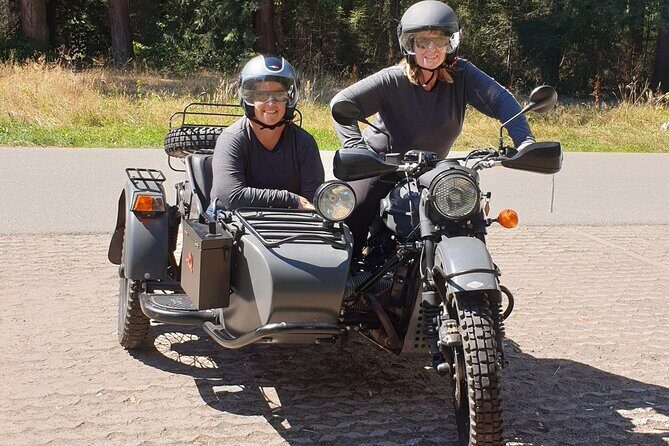
- Sidecar layout for two people: one in the sidecar, one behind the driver
- Preset route or your own plan: you can follow the itinerary or tweak it
- Many stops are free: several villages, nature spots, and monuments have free viewing
- Real Dutch icons, not just postcards: a working flour mill and a water-line fortress
- Weather-aware approach: rain can switch to a minivan, still for the same price
Why a sidecar between Amsterdam and Utrecht beats a standard tour
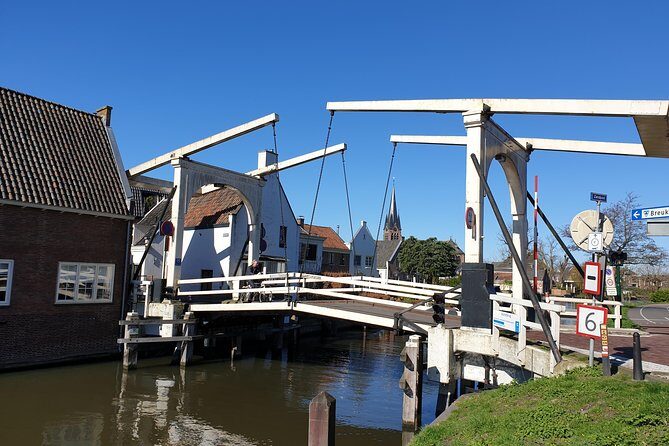
The Netherlands is famous for being flat and fast to cover. But that can trick you into thinking the country only starts when the city ends. This is the opposite. Instead of treating Utrecht as a destination, the ride treats the road itself like the attraction.
A sidecar adds two big advantages. First, you get a closer, more personal sense of speed and space. You’re not boxed into a car window. Second, the guide can talk while you’re seeing the sights in sequence, so the day feels like a story with transitions, not a checklist.
You’ll also get the feel of Dutch planning. The stops here are deliberately placed along the kind of routes locals use to connect river estates, polders, forests, and small communities. That’s where the “Heart of Holland” vibe comes from: not just countryside, but countryside shaped by water management and long-term wealth and work.
You can also read our reviews of more tours and experiences in Utrecht.
Price and value: what $300 per group really buys
The price is $300.06 per group for up to 2 people, and it’s a private tour. That means the cost is best when you share it. For two, it turns into a straightforward split—think of it as paying for a more personal transport-and-guide experience rather than a per-person entry fee.
For that money, you get several items that would normally add up:
- Sidecar seating for two
- Helmets
- Fuel
- A multi-lingual Dutch driver/tour guide
- A guided route with photo-friendly stop points
You don’t get coffee, tea, or food. You also should expect that a few attractions list admission tickets as not included, so you may pay small extras if you want to go inside certain spots.
The other value angle is time quality. Each stop is brief, but the day doesn’t feel rushed because the guide sets the context quickly. You learn what you’re looking at while you’re looking at it. That’s why this kind of tour works better than solo driving without a plan.
Where the route starts: the Vecht River estate world
Most sidecar rides do not have enough time to slow down and explain the “why” behind Dutch scenery. This one does—starting with the Vecht.
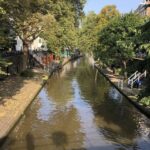
You’ll spend time at the Vecht (about 10 minutes). The Vecht is a curvy river, and in the 17th and 18th centuries it became a ribbon of prestige. Wealthy Amsterdam merchants and administrators built country estates along the banks. Even if you only get a short stop, it’s the kind of scene that helps you understand Dutch power: where trade money turned into comfortable estates, and where the waterway functioned as both connection and status.
Practical tip: this is one of the easiest places to start taking photos because the river shape naturally frames views. If you like architecture or “story behind the buildings” moments, this stop sets your expectations for the rest of the day.
Breukelen: castle grounds and a quick look at long timelines
Next comes Breukelen (around 5 minutes). The standout here is an impressive castle dating to about 1275 AC, and today it’s used by the International Business University.
Why this stop matters: it’s a reminder that historic sites don’t have to become museums to stay alive. Seeing a medieval structure used in modern education gives you a better sense of how the Netherlands keeps reusing buildings rather than resetting everything.
Drawback: since the stop is short, you’ll likely focus on views and exterior details rather than spending time inside. And admission is listed as not included for this stop, so if your plan is to enter and explore deeply, budget extra time and money.
Lage-Vuursche: a protected village view and a church from 1650
Lage-Vuursche (about 5 minutes) is the kind of place that feels old on purpose. It has a protected village view, with several 18th- and 19th-century houses and counts dozens of national monuments. There’s also a reformed church dating from 1650.
I like this stop because it shifts you from “big historic buildings” to “the lived-in historic fabric.” You’re seeing conservation at work. The village layout and house styles are part of the heritage, not just the monuments.
Admission is listed as free here, which helps. If you’re trying to manage costs, this is one of the stops that gives value without extra ticket friction. The only consideration is timing: you won’t have hours to wander, so prioritize a few angles for photos and let the guide point out the key details.
Paleis Soestdijk: royal residence story, with potential extra ticket costs
Then you reach Paleis Soestdijk (time around 5 minutes). This ex-royal palace traces back to an original 17th-century building. From 1937, it became the home of Crown Princess Juliana (later Queen) and her German husband, Prince Bernhard van Lippe-Biesterfeld.
This stop is valuable even if you don’t go inside because it ties together Dutch royalty and 20th-century European history in a concrete setting. It also helps you understand how palaces in the Netherlands often function as real residences and political symbols, not just tourist backdrops.
Admission is listed as not included, so expect that if you want to enter, you may need a separate ticket. Since the stop is brief, it’s smart to decide ahead of time whether you’re a “walk-through” person or a “view from outside” person.
Loosdrechtse Plassen: lakes between Amsterdam and Utrecht
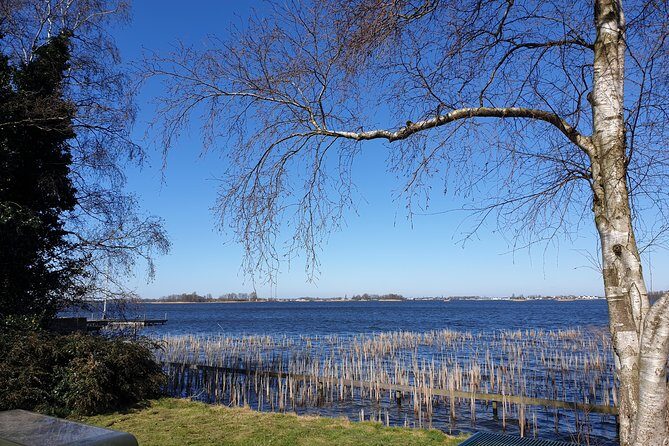
Loosdrechtse Plassen (about 5 minutes) is next. These lakes sit between Amsterdam and Utrecht and are known for both water sports and nature.
I like this contrast after the palace stop. You go from royal power to everyday outdoor life. Even a short stop can show you the scale of the water area and explain why this region supports recreation while still holding onto natural value.
Admission is free here, which makes it a low-cost photo break. The only drawback is that it’s a quick look. If you want a long lakeside stroll, you’ll probably need extra time on your own afterward.
Bethunepolder: recreation plus nature conservation
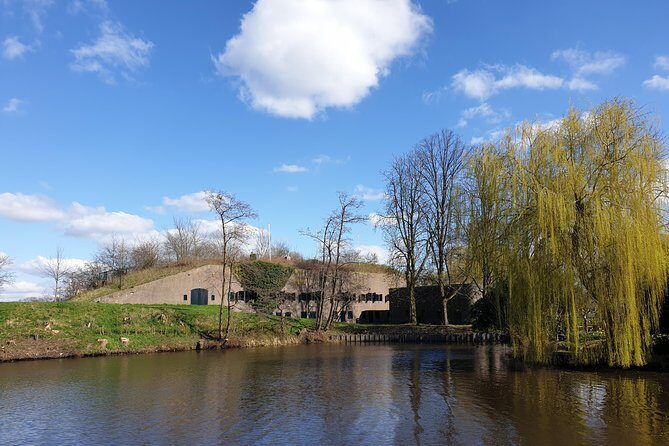
Bethunepolder (about 5 minutes) is where the tour highlights a quieter Dutch strength: managing land for both people and plants and animals. This polder centers on recreation and nature conservation, and it’s known for special animal and plant species.
This is the kind of stop that makes the rest of Holland make sense. Polders aren’t just “flat land below sea level.” They’re engineered areas with rules about water, farming, and wildlife. Even if you don’t identify species on the spot, you’ll understand the intent.
Admission is listed as free. That helps, and it also makes this a good stop if you’re trying to keep the day relaxed. The downside is the time limit: you’ll get a taste, not a full nature walk.
Goois Natuurreservaat: forest tunnel roads
At Goois Natuurreservaat (about 5 minutes), you’ll see forest near Lage-Vuursche, including beautiful forest tunnel roads. This is one of those moments where the Dutch obsession with planning shows up again, because roads here feel like passages through greenery rather than plain routes between points.
I like this stop for atmosphere. After river, palace, and lakes, a forest section gives you a different texture: shaded, enclosed, and calmer visually.
Admission is free. If you’re the type who enjoys “walk a little and breathe” stops, you’ll likely feel it here, even with limited time. Just be realistic: you won’t have time to do an entire trail.
Nieuwe-Wetering: farmhouses in a place that is not really a village
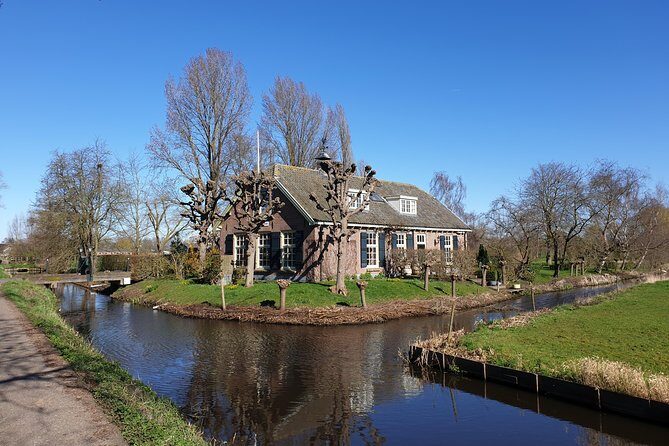
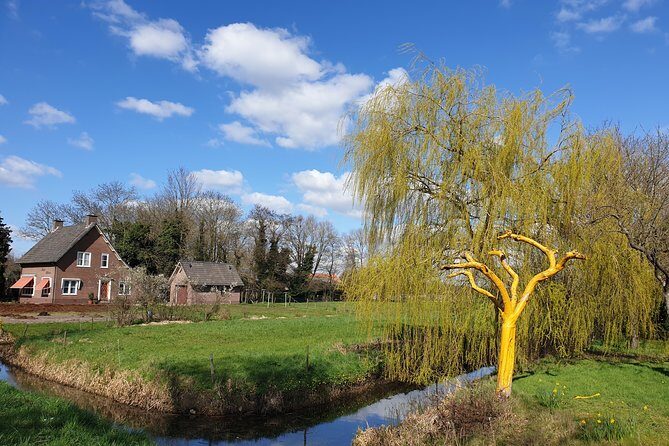
Then you reach Nieuwe-Wetering (about 5 minutes). The tour describes it as not even a village, more like very rural farmhouses.
This is a smart inclusion because it gives you a reality check. Holland isn’t just the postcard-famous spots. The everyday countryside exists too—quiet, spread out, and shaped by agriculture.
Admission is free, and you’ll likely use this time for quick photos and a mental reset. The drawback is obvious: if your goal is only famous monuments and interiors, this won’t scratch that itch. But if you want authentic Dutch “in-between” scenery, it’s exactly the point.
Molen Geesina: a restored flour mill that still produces
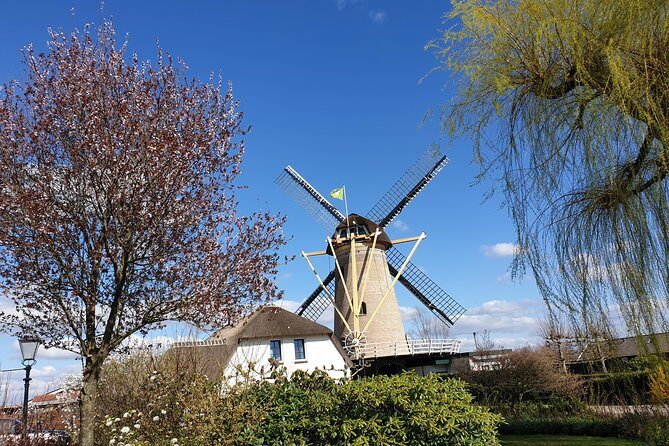
Next is Molen Geesina (about 5 minutes). This flour mill was probably built around 1843, and it’s restored and still produces flour.
This is one of the most interesting stops because it’s not a dead relic. It still has a job. Mills are a shortcut to understanding Dutch industry: water power, grain processing, and the long-term relationship between farms and manufacturing.
Admission is listed as free, which adds value. If you like tactile history—machines, work, and the sense of ongoing production—this is likely a highlight. The only practical consideration is that 5 minutes won’t be enough for a full visit if the mill offers deeper viewing on its own schedule. Use the stop to soak in the key details and then decide if you want to expand your exploration later.
Fort Ruigenhoek: the New Dutch Water Line story
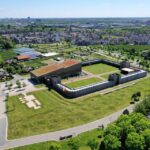
Stop 10 is Fort Ruigenhoek (about 5 minutes). This fortress belongs to the New Dutch Water Line Defence System, built around 1869–1870. The tour also notes a tense moment from 1940, when Germans were able to fly over it.
The value here is context. You’re not just looking at a building; you’re learning how water was part of defense planning. In Dutch history, water is not only a threat. It’s a tool, a boundary, and in wartime, a strategy.
Admission is free. Since it’s short, you’ll likely focus on the core features and the historical lesson. This is a strong stop for travelers who want history explained in plain language without turning into a lecture.
Slot Zuylen: a 13th-century castle and an emancipated writer’s presence
Finally, you reach Slot Zuylen (about 5 minutes), a 13th-century castle. The tour connects it to a Dutch 18th-century French-speaking writer and composer who lived here. It also shares her striking statements, including that she had no talent for subordination and that she wanted to be a citizen of everyone’s country.
This is a good closing stop because it links architecture to ideas. A castle can feel frozen in time, but when you attach it to a real person’s education and independence, it becomes more human.
Admission is listed as not included here, so if you want to go inside, plan on extra ticketing. The short stop also means your best move is to ask the guide what to notice in the structure and what to remember about the writer’s role.
How the stop timing shapes the whole day
One reason this tour earns high praise is the pacing. You get quick hits across lots of themes: river wealth at the Vecht, medieval Breukelen, protected village life at Lage-Vuursche, royal residence at Paleis Soestdijk, nature at Loosdrechtse Plassen and the Bethunepolder, forest tunnels at Goois Natuurreservaat, rural farm life in Nieuwe-Wetering, a still-working mill at Molen Geesina, defense history at Fort Ruigenhoek, and finally a person-centered castle at Slot Zuylen.
That can sound like a lot for small stop times. But it works because each stop is set up with context. You’re not just standing around. You’re learning what the place is and why it matters, fast.
The main tradeoff is depth. If you’re the type who wants long walks, interior museums, or lots of time for photos without someone counting down, this may feel a bit short. On the flip side, if you want variety in a limited time window (and you’re traveling between Amsterdam and Utrecht anyway), it’s a strong format.
Rain plan and comfort: what to do if the weather turns
This experience requires good weather. If it’s canceled due to poor weather, you should be offered a different date or a full refund. But if it’s raining, the tour says it can switch to a minivan, and up to 2 more persons can come for the same price.
That’s worth thinking about. A rain switch may change the vibe from sidecar to minivan and may reduce the feeling of total exclusivity. Still, it’s better than losing the day entirely, and it keeps you moving through the route.
Should you book this sidecar tour?
Book it if you want the Dutch countryside between Amsterdam and Utrecht with a guide and a vehicle that makes the road part of the experience. It’s especially good for couples, first-timers who want an easy introduction to motorcycle touring, and anyone who likes history told through real places like the Vecht estates, the water-line fort at Fort Ruigenhoek, and a still-producing mill at Molen Geesina.
Consider skipping or adding your own time if you’re chasing deep interior visits. Several attractions list tickets as not included, and the stop durations are short. Also, if you’re traveling solo, the group price may feel steep compared with typical per-person day tours.
If you’re the type who likes variety and practical storytelling, this tour hits a sweet spot: a compact route that makes the heart of Holland feel understandable in a few hours.
FAQ
How long is the sidecar tour?
The duration is approximately 2 to 4 hours.
What is the price for this experience?
It costs $300.06 per group, up to 2 people.
Is this a private tour?
Yes. It’s a private tour, and only your group participates.
How many people can ride on the sidecar?
A sidecar can take two persons: one in the sidecar and one behind the driver.
Is pickup available?
Pickup is offered, with central pickup options. You can also request a location for an extra fee of 20 euros.
What language is the guide?
The driver/tour guide provides the tour in English (and is also described as multi-lingual Dutch).
Are helmets included?
Yes. Helmets are included.
Is coffee, tea, or food included?
No. Coffee/tea and any food and drinks are excluded.
What happens in rain?
In case of rain, the tour can go with a minivan, and 2 more persons can come for the same price.
Are admission tickets included for each stop?
Some stops are free, and others are listed as not included (like Breukelen’s castle area, Paleis Soestdijk, and Slot Zuylen).