REVIEW · AMSTERDAM
Learn to Make Dutch Pancakes in a Beautiful Amsterdam Canal House
Book on Viator →Operated by eatwith · Bookable on Viator
Dutch pancakes are better when you make them.
This hands-on class happens in a beautiful Amsterdam canal house on the Amstel, where Fusina teaches you how to mix, bake, and flip traditional pancakes from scratch. You’ll also get a real taste of Dutch flavors beyond pancakes, including soused herring and local farmer’s cheese—then top it off with Fusina’s grandmother-style apple pie.
I like that it’s a truly small-group setup (max 7 people), so you’re not lost in a crowd. I also like that you leave with a finished sweet and savory outcome, plus lunch, tea or coffee, and a glass of wine included in the price. One possible drawback: the experience is inside a home kitchen, so you should expect a cozy setup rather than a big professional cooking studio.
In This Review
- Key highlights worth showing up for
- Dutch Pancakes in a Canal House: Why This One Works
- Meet Fusina on the Amstel: What the First 15 Minutes Feel Like
- Starters: Cheese and Applesyrup, Then Soused Herring
- Grass cheese with applesyrop
- Herring with pickles and onions
- Cooking the Main Event: Make, Bake, and Flip Dutch Pancakes
- Your hands-on steps
- Apple and bacon pancakes
- The Dutch Dessert Finish: Appleschnitt (Homemade Apple Pie)
- Drinks and the Lunch Table: Coffee, Tea, and Wine
- Group Size and Family-Friendly Reality
- Price and Value: What $108.47 Buys You in Amsterdam
- Where You Might Want to Be Careful Before Booking
- Should You Book This Dutch Pancake Class?
Key highlights worth showing up for
- Amstel canal house setting: part cooking class, part “how people really live” moment.
- Small-group cooking: max 7 people means you get hands-on time flipping.
- Dutch savory + sweet mix: herring and cheese before apple-and-bacon pancakes.
- Learn the batter and the texture: these pancakes land between French crepes and American pancakes.
- Classic toppings and drinks included: apple syrup, wine, tea/coffee, and apple pie.
Dutch Pancakes in a Canal House: Why This One Works
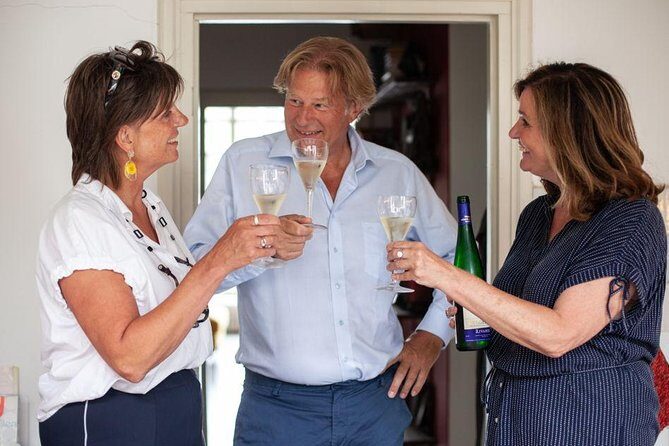
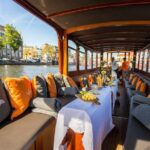
This is the kind of Amsterdam activity that feels personal fast. You’re not just watching food happen—you’re standing in the host’s kitchen, working the batter, and flipping your own pancakes in a place that looks like it belongs on a postcard.
The biggest value here isn’t just the food. It’s the “why” behind it. Fusina shares the secrets to making Dutch pancakes authentically, and you also hear how these foods fit into everyday Dutch life (and family traditions—her grandmother’s apple pie recipe gets a special mention). That turns a recipe into a story you can actually remember.
Now, a quick reality check: because this is a home-based experience, the kitchen setup may feel shared and compact. If you need lots of counter space, fancy tools, or a super formal classroom vibe, you might find it less “slick” than you’d expect from cooking tours in a restaurant kitchen.
You can also read our reviews of more tours and experiences in Amsterdam.


Meet Fusina on the Amstel: What the First 15 Minutes Feel Like
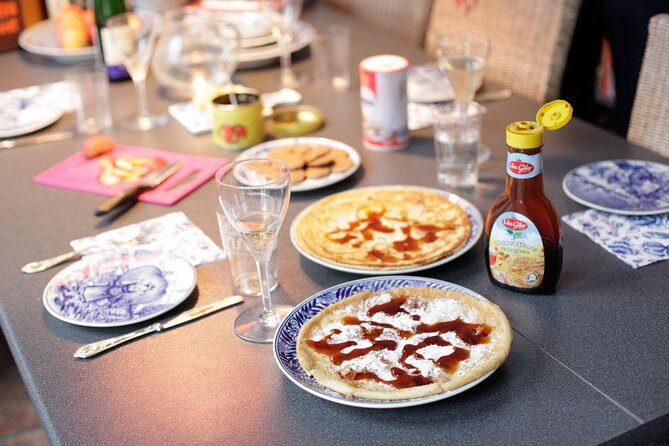
The activity starts at 11:00 am and runs about 2 hours, ending back where you meet. You’ll use a mobile ticket, and your confirmation includes the exact address under a “Before you go” section.
That address detail matters. More than one review-style note in the feedback points to the same pattern: people often get to the correct canal area but stumble on the exact door. So do this smart move: once you receive your voucher, zoom in on the map before you go, then re-check it right before leaving your hotel. Canal houses are gorgeous, but they can also be a bit tricky to pin down quickly.
When you arrive, expect a relaxed welcome and a start that focuses on the food ahead. This class isn’t about racing. It’s about learning the method and getting comfortable in the kitchen.
Starters: Cheese and Applesyrup, Then Soused Herring
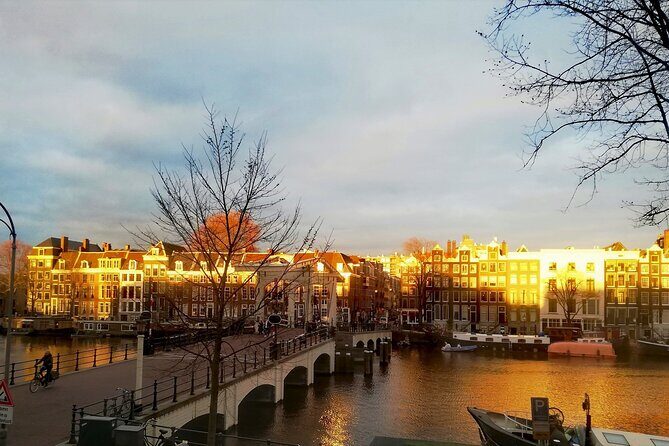
Before you start cooking, you’ll eat Dutch specialties that set the tone.
Grass cheese with applesyrop
You’ll start with a farmers-style cheese paired with applesyrup. This is one of those classic Dutch pairings: salty, creamy cheese balanced by something sweet and fruity. If you like the idea of cheese that isn’t just cheddar-on-a-board, this is a strong intro.
One reviewer called out enjoying the Gouda with Appelstroop (applesyrup) so much they sought it out later at a grocery store. That’s a good sign the flavor combo isn’t just “cute tourism”—it’s genuinely tasty.
Herring with pickles and onions
Next comes Dutch “street food” territory: soused herring with pickles and onions. In Dutch cuisine, this is as iconic as fries—just with a sharper flavor profile.
If you’re cautious about fish, take one small bite first. If you already like salty, tangy flavors, you’ll probably find this starter wakes up your appetite quickly.


Cooking the Main Event: Make, Bake, and Flip Dutch Pancakes
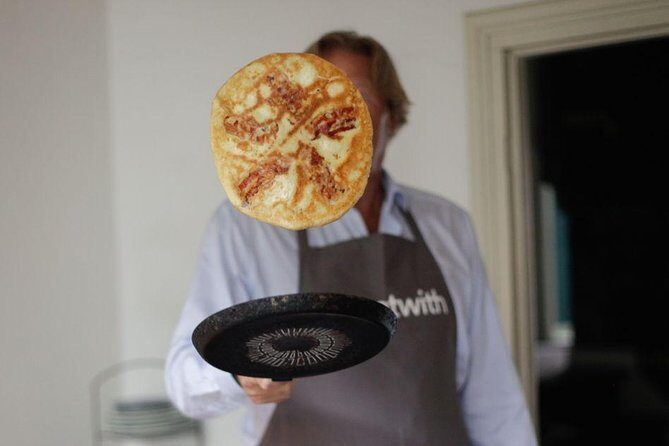
Then you get to the core of it: making Dutch pancakes from scratch, with guidance from Fusina.
Here’s how the pancake style is described: these are thicker than French crepes and thinner than American pancakes. That matters because texture changes everything. A Dutch-style pancake is more delicate and less towering than an American stack, but it shouldn’t feel paper-thin like some crêpes. Your batter consistency and your cooking time both affect whether you get that “just right” chew and lift.
Your hands-on steps
You’ll go through the process of preparing the batter, then baking and flipping. Multiple people in the feedback specifically highlighted that they got to do real work—mixing, then flipping the pancakes themselves. That’s what you want from a class like this: not just watching, not just eating.
And the best practical part? You’ll learn a method you can repeat at home. One review noted that the host sends recipes afterward, which is helpful if you want to recreate the texture and toppings without guessing.
Apple and bacon pancakes
For the main, you’ll make Dutch pancakes (apple & bacon). This is a fun contrast: sweet fruit flavor with a savory, salty backbone. If you’ve only had Dutch sweets, this savory version gives you the full picture of what locals eat.
Also, you might want to calibrate your expectations on portions. Some feedback was blunt about feeling like the class produced only a couple pancakes for the group rather than “one full pancake each.” That doesn’t mean you won’t eat well—you do have lunch included—but it does suggest the class may be more shared-practice than a personal-plate production line.
The Dutch Dessert Finish: Appleschnitt (Homemade Apple Pie)

To close, you’ll have appleschnitt, described as homemade apple pie using Fusina’s grandmother’s recipe.
This is the moment the class turns cozy. Apple desserts are a natural match for Dutch pancakes and applesyrup flavors, so it ties the whole meal together. In plain terms: if your sweet tooth is awake after the starters and pancake flipping, you’ll be happy here.
One thing I appreciate about including dessert is that you’re not left with just “sugar later somewhere else.” It’s part of the pacing of the experience.
Drinks and the Lunch Table: Coffee, Tea, and Wine
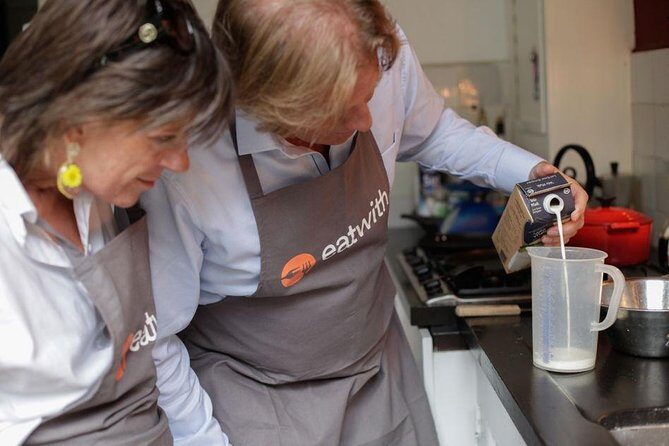
The meal isn’t just food. It includes tea, coffee, and a glass of wine (plus whatever beverage options are served along the way).
That pairing is practical. Wine makes sense with herring and cheese, but coffee and tea also work well with pancakes and apple pie. It helps the class feel like a real brunch-style break, not a “cooking demo plus bites.”
If you’re the type who likes to sip while chatting, this is the part where the conversation tends to loosen up. Reviews repeatedly mention friendly, welcoming conversation and a relaxed pace.
Group Size and Family-Friendly Reality
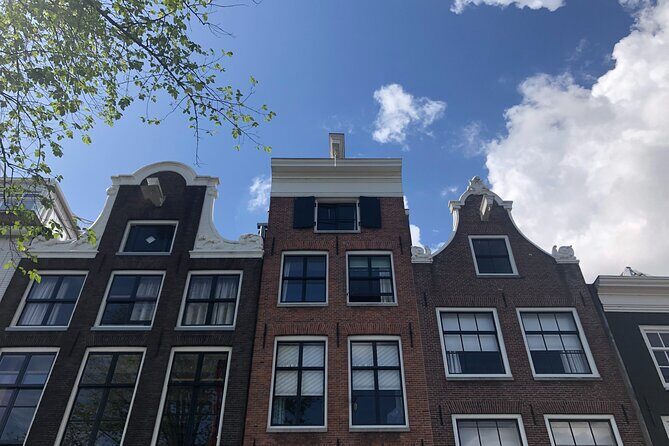
This is described as family-friendly, and it’s set up for a small group. Reviews also mention teen daughters participating and enjoying the experience—especially the fact that the host lets people cook and flip.
That’s a good sign if you’re traveling with kids or teens who get bored with food tours that are mostly talking. Here, movement is built in.
At the same time, because it’s a small home kitchen, the learning flow may be shared. Expect rotating attention, not a private one-person station.
Price and Value: What $108.47 Buys You in Amsterdam
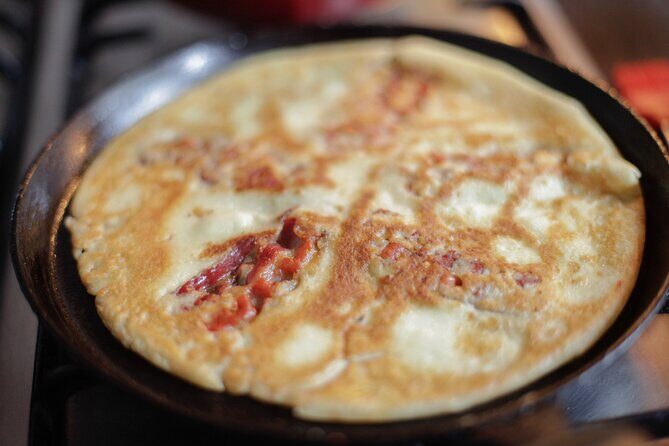
At about $108.47 per person, this isn’t a cheap snack-and-walk activity. So the question is: what are you really paying for?
You’re paying for:
- a host-led cooking lesson in a canal house (not a generic classroom)
- hands-on instruction for making pancakes from scratch
- a full Dutch menu with starters, lunch, dessert
- tea/coffee plus wine
- a small group size that supports interaction
Compared with a standard cooking class that only covers the meal you cook (and often leaves you responsible for drinks and extras), this one packages in more of the Dutch food experience. If you’re the kind of visitor who wants a memorable “morning in a real home” moment—this tends to be a good fit.
If you’re strictly budget-driven or already know Dutch pancakes well enough to cook them comfortably, you might feel the price more sharply. One negative feedback point was basically that people expected more cooking output or a bigger studio setup. So it helps to book with the right mental picture: this is intimate, not industrial.
Where You Might Want to Be Careful Before Booking
Based on the range of experiences reflected in the feedback you provided, there are a few considerations worth taking seriously:
- Finding the exact door: the area may be right, but canal house addresses can be easy to misread. Double-check your voucher and map.
- Home-kitchen setup: if you expect aprons, large cooking stations, or a more formal teaching environment, this may feel less like that.
- How much pancake you personally get: some people felt the group made only a couple pancakes for everyone, rather than one full pancake per person. You will have plenty of included food, but you should still go in expecting a shared group outcome.
On the flip side, the strongly praised parts were consistent: Fusina as a welcoming host, the charm of the canal house, the hands-on flipping, and the overall mix of food and conversation.
Should You Book This Dutch Pancake Class?
If you want one of the best-value “food + local home + hands-on skill” mornings in Amsterdam, this is an easy yes. It’s especially great for couples and small groups who like learning through doing, and for families who want kids and teens actively involved.
Book it if you’ll enjoy:
- cooking in a real canal house kitchen
- trying Dutch classics like soused herring and farmers’ cheese
- learning the Dutch pancake texture (not crepe-thin, not American-thick)
Skip it if you need:
- a large, professional cooking studio setup
- very predictable individual portions like a plated pancake each
- an ultra-easy meeting point with zero address confusion
If you do book, your best move is simple: read the full meeting instructions on your voucher carefully, then arrive a few minutes early so you can settle in before the cooking starts. That canal house is worth it.