REVIEW · AMSTERDAM
Dutch Winetasting – Amsterdam City Centre
Book on Viator →Operated by Design & Wijn · Bookable on Viator
Wine in a secret cellar? Yes. This Dutch winetasting in Amsterdam city centre turns a simple tasting into a proper little evening with 5 local wines, guided by hosts like Diederik and Jeroen (Jerome), and served in a true hidden room. I especially liked the speakeasy wine cellar feel (tables tucked away behind a bakery setting) and the bread from Gebr. Niemeijer to reset your palate between pours. The main drawback to consider: not every bottle tasted may be available to buy during your visit, depending on what’s in stock.
This is built for first-timers and people who want specifics. The sommelier can tailor the pacing and explanations so you do not feel lost, and you can go as technical as you want. With small groups (max 18), you get time to ask questions and actually taste the differences instead of rushing through cups.
In This Review
- Key Highlights
- Entering Haarlemmerdijk’s Hidden Speakeasy Wine Cellar
- How the Small Group Format Keeps the Tasting Fun
- Your 5-Wine Flight: What Makes Dutch Wine Worth Paying Attention To
- Bread from Gebr. Niemeijer: The Palate Reset That Actually Works
- Royale Upgrade: Charcuterie Pairings and Why They Change Everything
- What the Sommelier Covers (and How It Helps You Taste Better)
- Timing and What to Do Before and After (So You Don’t Feel Rushed)
- Value Check: Does $57.32 Make Sense for 5 Wines?
- Practical Tips Before You Go
- Who Should Book This Dutch Wine Tasting in Amsterdam
- Should You Book This Dutch Winetasting in Amsterdam?
- FAQ
- Where does the tour start?
- How long is the Dutch wine tasting?
- What’s included in the tasting?
- Is the tour offered in English?
- How many wines will I taste?
- Can the experience be adjusted for different experience levels?
- Is there a food pairing option beyond bread?
- Are dietary restrictions handled?
Key Highlights
- Hidden speakeasy wine cellar experience in the middle of Amsterdam, with a bakery-like setting nearby
- Five hand-selected Dutch wines guided by the sommelier in English
- Gebr. Niemeijer bread served as a palate-cleansing starter during the tasting
- Custom-fit explanations so beginners and serious wine fans can both enjoy it
- Optional Royale upgrade with a charcuterie platter of local products
- Order more bites on site if you get hungry during the 1.5–2 hour flow
Entering Haarlemmerdijk’s Hidden Speakeasy Wine Cellar
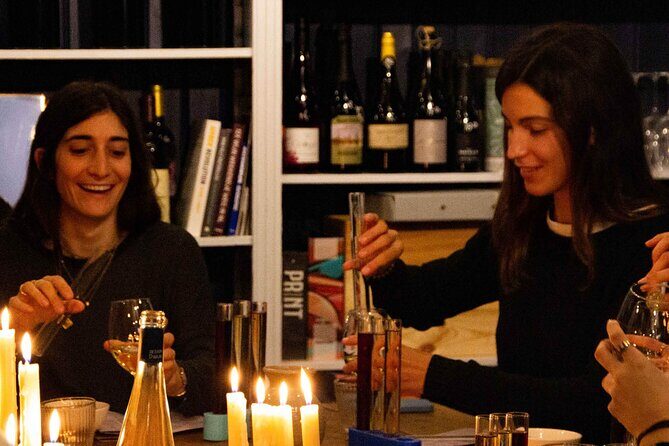
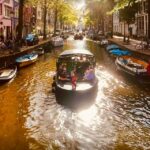
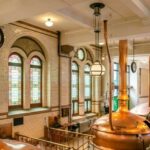
The meeting point is Haarlemmerdijk 129, right in the city centre. What makes this start special is not the address itself, but the sense that you are going to a place that is meant to stay a little private. The tasting happens in a hidden area tied to Amsterdam’s speakeasy vibe, with a cool, tucked-away room feel.
Before you even get your first pour, you’ll notice the tone: it is not stiff. People tend to describe it as relaxed and personal, and that matches what the setup is designed to do. You check in, get settled at the tasting room, and then the sommelier takes over with the plan for the night.
Practical note: since this is a short experience (about 1.5 to 2 hours), I like to treat it like an anchor event. If you schedule dinner right afterward, you’re in good shape. If you stack it too late, you might feel rushed by the time you finish.
You can also read our reviews of more city tours in Amsterdam

How the Small Group Format Keeps the Tasting Fun
This is a group tour, and the total capacity is capped at 18 people. That matters. When a wine tasting is tightly sized, the host can pace tastings without turning it into a conveyor belt.
In real-world terms, it often feels like you are in a small circle, not a big classroom. That is ideal if you want to ask questions like what makes Dutch wine taste the way it does, or how styles change by region and production choices. It also works if you are new to wine. The sommelier can slow down, explain terms, and guide you through what you should be tasting instead of throwing jargon at you.
Also, because it is in English, you should feel comfortable with explanations and pairings. You are also given tasting forms and water, which helps you keep track of what you like and why.
Your 5-Wine Flight: What Makes Dutch Wine Worth Paying Attention To
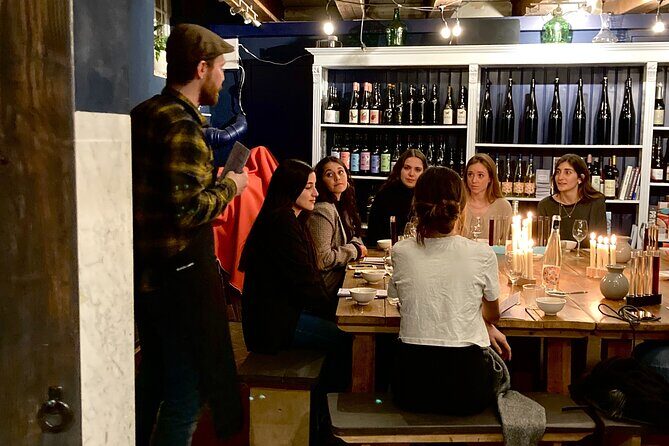
The core of the experience is simple: you taste 5 Dutch wines. Each one is hand-selected, and the sommelier guides you through what you’re tasting and why it matters.
The big win here is focus. A lot of wine tastings in big cities try to cover too much. This one stays on Dutch wine, which gives you a clearer sense of how the country’s wines can differ. You learn to notice things like acidity, fruit character, texture, and how production style can change what’s in the glass.
One detail I found especially useful from the way hosts talk through the wines: Dutch producers often use steel tanks to keep flavors fresh and bright, and some wines are also made with older-school barrel aging. That gives you an easy mental shortcut. When a wine tastes clean and crisp, steel is often part of the story. When it feels rounder or more structured, there may be barrel influence. You’ll still taste everything as a guest, but you leave with language that helps you pick wines back in a shop.
You may also taste a range of styles, depending on the selection that night. People have mentioned trying things like sparkling and orange wine, plus both lighter and richer reds. The key is that you are not guessing what you’ll get from vague descriptions—you are tasting five real examples.
Bread from Gebr. Niemeijer: The Palate Reset That Actually Works
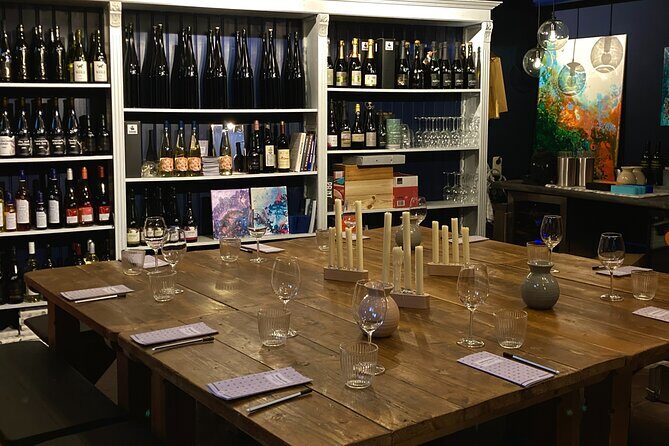
Food at a wine tasting can be an afterthought. Here, it is not. You get fresh bread from Gebr. Niemeijer as a starter, and it is there for a reason: it cleans your palate between pours so the next wine tastes distinct.
This matters more than it sounds, especially when you do 5 tastings in a row. If you eat nothing but wine, your palate starts adapting and you blur flavors together. Bread creates a neutral base, and it also keeps the tasting from turning into a sip-by-sip scramble.
A small practical tip: if you want to enjoy the full flow without feeling lightheaded, eat a bit early. The tasting forms encourage you to pay attention, so having bread in your system makes the whole experience more comfortable.
There is also an option to order additional bites on site, so if you find yourself wanting more food mid-tasting, you have a way to handle it without breaking the rhythm.
Royale Upgrade: Charcuterie Pairings and Why They Change Everything
If you want the food side to be a bigger part of the evening, there is an upgrade called Dutch Wine Tasting – Royale. It includes a charcuterie platter featuring local products.
Even if you are not a big cheese-and-meat person, pairings can still sharpen your tasting. Salty cured meats and fatty cheeses tend to make tannins feel smoother and can bring out fruit notes that you might miss with bread alone. It also turns the tasting into more of a full meal experience, which is nice in Amsterdam when you want something that feels social and not just snack-sized.
From what people report, the charcuterie pairing is often spot-on, with the food portion described as more generous than expected for a tasting format. If you are going to pick one upgrade, this is the one that makes the event feel complete.

What the Sommelier Covers (and How It Helps You Taste Better)
The hosts do more than pour wine and say a few facts. They talk you through the wines and pairings, and they adjust how they explain things based on your level.
If you are new, that is huge. You do not need to know the difference between aroma and finish. You just need a guide who helps you taste what’s in the glass and helps you connect it to something you can recognize.
If you are more experienced, you still get value because the conversation can go beyond simple descriptors. People have mentioned learning about the Dutch wine production process and how different regions contribute to different styles. The best part is that the explanation stays tied to the tasting, so it does not feel like a lecture happening over your drink.
Hosts you might meet include Diederik (often listed as Diederik Walhof in responses) and Jeroen (also shown as Jerom/Jerome in messages). There’s also mention of Rose as a host in some cases. You might not get the same host every time, but the approach stays the same: guided tasting, pairing support, and time to enjoy the room.
Timing and What to Do Before and After (So You Don’t Feel Rushed)
Expect 1.5 to 2 hours. That is long enough to taste all five wines properly and still feel relaxed, but short enough to fit into a typical Amsterdam afternoon or evening.
I like building the plan like this:
- Arrive a few minutes early so you can settle without stress.
- Use the tasting form during each pour, then decide what you loved at the end.
- If you want additional bites, you can do it during the session so you don’t interrupt the flow.
When it ends, you return to the same meeting point. Since you finish in the centre, it is easy to keep going with a cocktail bar or a casual dinner nearby.
Also, because it is in the city centre and near public transportation, I would not overcomplicate logistics. You can get there by tram or foot without a big ordeal.
Value Check: Does $57.32 Make Sense for 5 Wines?
At about $57.32 per person, this is not a budget-only tasting, but it also is not priced like a fancy private pour with no food and no guidance. You are paying for:
- Five tasting glasses of Dutch wines
- Bread from Gebr. Niemeijer
- Water and tasting materials (tasting form)
- A sommelier-led explanation and pairing support
For me, the value hinges on one thing: the tasting is focused on Dutch wine, and it is structured. You do not just sip random bottles. You get a guided story that helps you taste and remember. That is what makes a mid-price experience feel worthwhile instead of like a tourist stop.
One extra note: some people found they wanted more bread and crackers or larger pours in certain upgrades. If you have a big appetite or you like very generous sampling, consider opting for Royale (more food) and plan to eat dinner after.
Practical Tips Before You Go
A few things that will help you get the most out of the night:
Bring your questions. Even basic questions are welcome, like what you should notice in Dutch whites versus reds, or what orange wine means in plain language.
Think about dietary needs early. You are asked to indicate allergies, vegan needs, or gluten-free requirements when booking. If you have constraints, it is worth flagging them so the host can plan.
Decide in advance if you want the food emphasis. Royale adds a charcuterie platter. If you want a meal vibe, it fits. If you want a wine-first evening, the standard tasting may be enough.
If buying bottles is important, ask about current availability. One downside that came up is that some bottles tasted might not be available for purchase immediately. If you’re the kind of person who wants to take a bottle home, it’s smart to check what is in stock on the day.
Who Should Book This Dutch Wine Tasting in Amsterdam
This experience is a strong match if:
- You want a concentrated introduction to Dutch wine without bouncing between countries
- You like guided tastings where the host helps you taste, not just listen
- You want something social but not crowded, thanks to the small-group size
- You’re curious about styles like orange wine and what gives certain Dutch wines their character
It may be less ideal if:
- You want a very rigid “museum-style” itinerary with multiple stops (this is mostly one room and one tasting flow)
- You plan to buy specific bottles afterward and need guaranteed availability
- You are extremely time-sensitive and cannot spare 1.5–2 hours in one sitting
Should You Book This Dutch Winetasting in Amsterdam?
Yes, if you’re looking for a compact, high-attention wine evening in the middle of Amsterdam. The combination of a hidden cellar atmosphere, five Dutch wines, palate-cleansing bread, and a sommelier who can tailor the night makes it easy to enjoy even if Dutch wine is brand new to you. Add the Royale upgrade if you want the food pairings to play a bigger role.
If you are picky about purchasing bottles immediately afterward, go in with one plan: enjoy the tasting first, then ask what’s available to take home during your visit. That way you do not miss the best part of the experience waiting on a shop result.
FAQ
Where does the tour start?
The meeting point is Haarlemmerdijk 129, 1013 KE Amsterdam, Netherlands. The activity ends back at the meeting point.
How long is the Dutch wine tasting?
It runs about 1 hour 30 minutes, roughly 1.5 to 2 hours.
What’s included in the tasting?
You get tasting glasses of 5 Dutch wines, bread from Gebr. Niemeijer, water, tasting forms, and a postcard.
Is the tour offered in English?
Yes, the tour is offered in English.
How many wines will I taste?
You’ll taste 5 carefully chosen Dutch wines.
Can the experience be adjusted for different experience levels?
Yes. The sommelier can customize the tasting for novice wine tasters through expert collectors.
Is there a food pairing option beyond bread?
Yes. There is an upgrade called Dutch Wine Tasting – Royale that includes a charcuterie platter with local products. You can also order additional bites on site.
Are dietary restrictions handled?
You can indicate allergies and request vegan or gluten-free options when booking.