REVIEW · AMSTERDAM
Diamond Museum Amsterdam Admission Ticket
Book on Viator →Operated by Royal Coster Diamonds · Bookable on Viator
Diamonds have a way of disarming you. At Diamond Museum Amsterdam on Museumplein, you trace how stones form deep in the earth and then watch artisans at Royal Coster Diamonds shape them into modern jewelry.
It is a one-of-a-kind museum built for serious looking, with royal pieces and Amsterdam cutting history in the mix.
I love the Amsterdam angle: famous stones such as the Cullinan and the Koh-I-Noor were cut here, so you get why the Netherlands played such a big role in the diamond trade. I also love the practical, see-it-for-yourself feeling, from a short film to watching polishers and goldsmiths work.
One thing to consider is that the building is small, and some visitors have reported audio device issues. If you’re depending on headphones or need extra help, give yourself extra time at the entrance.
In This Review
- Key things I’d circle on your visit
- Getting there fast: Museumplein makes this easy
- Price and timing: does $72 make sense for 1–2 hours?
- Inside the museum: the story starts with the earth
- Amsterdam’s diamond power: Cullinan and Koh-I-Noor in context
- Royal crowns and wearable art: where diamonds tell a story
- The craft you can watch: polishers, goldsmiths, and modern stones
- The smallest diamond and the surprise factor
- The diamond heist game: why it works for families
- What to watch for: replicas, tight space, and audio issues
- Ticket access hiccups: how to avoid entrance delays
- Is it worth $72 compared to other Amsterdam plans?
- Who should book this museum, and who might skip it
- Should you book Diamond Museum Amsterdam?
- FAQ
- What is the duration of the Diamond Museum Amsterdam admission ticket?
- Where is the Diamond Museum Amsterdam located?
- What’s included with the $72 ticket?
- What’s not included in the admission price?
- Are the opening hours daily?
- Can I cancel for a full refund?
Key things I’d circle on your visit
- Museumplein location (between Rijksmuseum and Van Gogh) means you can stack this with major sights without a long transit plan
- A journey starting 200 kilometers below the surface helps you understand what diamonds actually are before you start admiring them
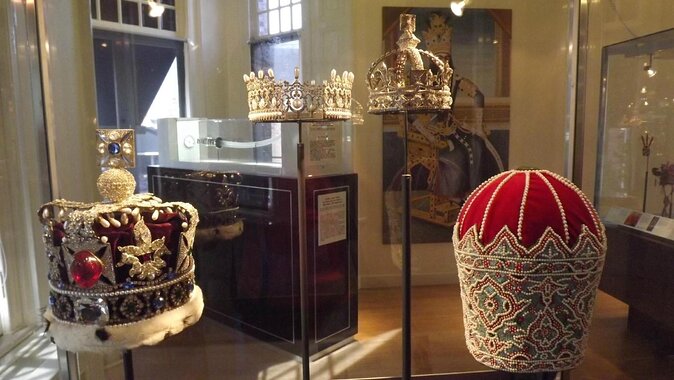
- Royal jewels and crowns put the stones in a bigger story, not just a showroom
- Coster Diamonds cutting history connects Amsterdam to world-famous names like the Cullinan and Koh-I-Noor
- Live polishing and goldsmith work turns the visit from passive viewing into real process
- The diamond heist game adds a playful, hands-on layer on top of the museum route
Getting there fast: Museumplein makes this easy
Diamond Museum Amsterdam sits in one of the best spots for a museum day: Museumplein, between the Rijksmuseum and the Van Gogh Museum. That matters more than you’d think. If you’re already doing the Museumplein circuit, this stop fits without adding headaches for transit, timing, or coordination.
You’re also near public transportation. So if your day plan changes (rain, crowds, a long lunch), you can still pivot and get back to the museum without much stress.
The museum’s hours are daily from 9am to 5pm, including weekends and holidays. If you want calmer crowds, I’d aim for earlier in the day rather than trying to squeeze it in after late morning rush.
You can also read our reviews of more tours and experiences in Amsterdam.



Price and timing: does $72 make sense for 1–2 hours?
At $72 for an admission ticket, this is not a budget museum. So the value comes down to what you want from your visit.
If you like watching craft in action, learning how diamonds are valued, and seeing the role diamonds play in royal jewelry and famous stones, you’ll likely feel the price is justified. You’re getting more than displays: the experience includes a film, museum galleries, and the chance to watch polishers and goldsmiths at work creating modern pieces.
If you’re looking for a long, slow-moving museum with hours of depth, you might find the experience short. The duration is about 1 to 2 hours, and the space can feel compact. That can be great if you want an efficient stop, but it can also make it feel less satisfying if you were hoping for a bigger museum-style wandering day.
Bottom line: treat it as a focused, process-and-story visit, not a half-day commitment.
Inside the museum: the story starts with the earth
The museum’s route starts with the formation story, specifically how diamonds develop through a process that takes billions of years. The “wow” detail here is the scale: the journey begins 200 kilometers below the earth’s surface.
For me, that starting point is smart. It keeps the museum from feeling like a simple showroom of shiny objects. Instead, you’re learning what diamonds are, how they form, and what makes them valuable in practical terms.
You can expect explanations of diamond types and the attributes that affect valuation. If you’ve ever wondered why some stones command premium prices, this is the kind of content that helps you understand what you’re actually looking at. Even if you don’t become a diamond expert, the museum gives you a vocabulary you can carry into your own shopping curiosity later.
Amsterdam’s diamond power: Cullinan and Koh-I-Noor in context
A major part of the appeal is the Netherlands connection. Amsterdam wasn’t just a place where jewels were sold. Famous stones were cut in Amsterdam by the polishers of Coster Diamonds.
In the museum’s narrative, that includes high-profile names like the Cullinan (the largest diamond ever found) and the Koh-I-Noor (often described as the mountain of light). Seeing those references matters because it reframes what you’re looking at: these aren’t just pretty objects, they’re tied to big moments in diamond cutting and craftsmanship.
This section is also where you can appreciate why Amsterdam is still a point of reference. The museum doesn’t only show finished jewelry. It links the outcome to the cutting and polishing process and to the people who made it happen.
Royal crowns and wearable art: where diamonds tell a story
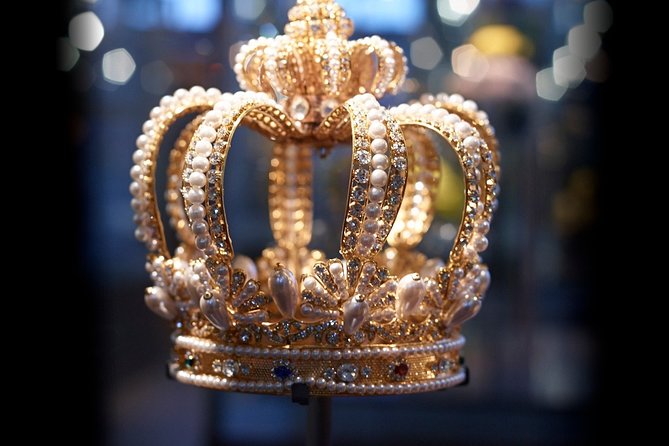
One of the big selling points is the presence of royal jewels and crowns. Diamonds look spectacular on their own, but crowns add context: they’re meant to signal power, status, and history.
I like that the museum uses those pieces to shift your attention from “how sparkly is this” to “what does this stone mean.” It’s also a good reality check. Diamonds aren’t only decorative. They’ve been part of ceremonial and political symbolism for a long time.
The museum also includes a diamond-encrusted version of Starry, Starry Night by van Gogh. That’s a fun crossover for art lovers who want a non-jewelry reason to care. It helps the museum reach beyond the technical side.



The craft you can watch: polishers, goldsmiths, and modern stones
This is where the experience gets most satisfying for people who like making-and-making-work. The museum lets you watch professional stone polishers and goldsmiths as they work, creating modern, high-carat masterpieces.
Even if you’re not a jewelry person, watching the process changes how you see the final product. You start noticing that the sparkle is not magic. It’s precision, patience, and the right finishing details. This section is also a nice break from reading labels, because you’re learning through observation.
If you enjoy craft shows, model-making, or anything where the technique is the point, you’ll probably linger here longer than you planned. And if you’re visiting with kids, this is a good spot because it feels like a live workshop rather than a static exhibit.
The smallest diamond and the surprise factor
One of the stated highlights is seeing the smallest diamond ever cut. That kind of display can be oddly moving, even if you think you’re immune to shiny things. It reminds you that diamond expertise isn’t only about big stones and big budgets.
I’d treat this as a “slow look” moment. Move closer, take in the scale, and let your eyes adjust. With diamonds, the details can be subtle, and the museum’s framing helps you notice what you might otherwise miss.
The diamond heist game: why it works for families
There’s an interactive layer on top of the museum route: a diamond heist game. In practice, this means you’re not just walking through rooms with signage. You’re encouraged to engage.
I like that it isn’t forced. It feels like the museum knows some people learn better with play, not just audio and plaques. It can also be a nice option if you’re visiting with a mix of interests, like a parent who wants the story and a kid who wants an activity.
If you’re traveling with children, plan a bit of extra time to fit it in. It’s the kind of thing that can extend your visit from 1 hour to closer to 2, and that’s usually a good trade if you found yourself enjoying the craft side.
What to watch for: replicas, tight space, and audio issues
Now for the stuff that can affect your mood on the day.
Some exhibits are described as reproductions and replicas using glass imitations rather than real stones. That doesn’t automatically mean it’s a bad experience, but it’s the sort of thing that can change your expectations if you were picturing every item as the real deal.
There are also reports of audio-visual content needing updates, plus broken listening devices. If audio is a big part of how you experience museums, consider bringing your own coping strategy: read labels, watch the visuals, and don’t assume every audio component will be working smoothly.
The building can also be described as small and cramped, which may be tough if you’re physically challenged. If you need extra room to navigate, take it at an easy pace and don’t be afraid to ask staff for help.
Finally, a few comments mention limited gift items and some labeling issues. That’s not unusual for small museums, but it does mean you should focus on the main exhibits rather than expecting a massive shopping area or perfect clarity on every sign.
Ticket access hiccups: how to avoid entrance delays
One of the most practical challenges that has come up is getting your QR code or scan code in time. Some people reported delays because the access details didn’t arrive by email as expected, leading to extra time spent at the check-in point.
You can’t control the museum’s systems, but you can control your preparation:
- Have your booking confirmation handy on your phone
- Double-check any QR or scan instructions before you leave
- If you’re on a tight schedule, arrive earlier than you think you need
This isn’t about panicking. It’s about protecting your visit time so you spend it in the galleries instead of waiting for someone to locate you in a system.
Is it worth $72 compared to other Amsterdam plans?
I think this ticket price works best when you want a specific mix: diamonds + craft + a focused museum route.
You’re paying for three things:
- a tight, story-led explanation of diamond formation and valuation
- the Amsterdam cutting heritage linked to Coster Diamonds
- live observation of polishing and goldsmithing, plus royal jewelry visuals
If that combo sounds like your idea of a good use of time, you’ll likely get your money’s worth even in a short visit. If you mainly want a big art museum crawl or you’re only casually curious, it may feel like a splurge for 1–2 hours.
Also, if you’re the kind of person who likes process (how things are made), you’re in the right place. The museum is trying to show the journey from stone to setting, not just the end product.
There’s also mention of extra access to a nearby diamond factory two doors down, which can stretch the value of your day if it applies to your ticket and schedule. Even without that extra piece, the live craft element is already a meaningful part of the experience.
Who should book this museum, and who might skip it
Book it if:
- you want a compact museum stop that teaches as much as it dazzles
- you’re interested in craftsmanship and how stones are polished and set
- you enjoy royal jewelry or Amsterdam’s role in world diamond cutting
- you’re traveling with kids who will like the diamond heist game layer
Consider skipping if:
- you want a huge museum with lots of space and long wandering
- you need flawless audio systems and full language support for a non-English visit
- you dislike any chance of replicas or glass stand-ins in exhibit displays
In other words, it’s not a “random walk” museum. It’s a “make it meaningful” museum.
Should you book Diamond Museum Amsterdam?
Yes, I’d book it if you’re aiming for a smart, efficient museum visit that mixes science, Amsterdam pride, and real craft work. The best parts for me are the Amsterdam cutting history tied to names like the Cullinan and Koh-I-Noor, and the live polishing and goldsmithing moments that turn the experience from passive viewing into something you can watch and understand.
If you’re price-sensitive or you’re expecting a giant, ultra-deep museum, you may leave thinking it was fine but not essential. In that case, save the ticket budget for a longer museum day elsewhere.
If you do go, my advice is simple: arrive early enough to handle any check-in delays, keep an open mind about replicas, and spend your time in the craft and royal-jewelry sections where the museum’s format shines.
FAQ
What is the duration of the Diamond Museum Amsterdam admission ticket?
The experience is approximately 1 to 2 hours.
Where is the Diamond Museum Amsterdam located?
It’s located between the Rijksmuseum and the Van Gogh Museum on Museumplein in Amsterdam, near public transportation.
What’s included with the $72 ticket?
The entrance ticket is included.
What’s not included in the admission price?
Food and drinks are not included, and hotel pickup and drop-off are not included.
Are the opening hours daily?
Yes. The museum is open daily from 9am to 5pm, including weekends and holidays.
Can I cancel for a full refund?
You can cancel for a full refund if you cancel at least 24 hours before the experience start time. If you cancel less than 24 hours before, the amount paid will not be refunded.