REVIEW · AMSTERDAM
Amsterdam: Dutch WWII Resistance Museum Entry Ticket
Book on GetYourGuide →Operated by Verzetsmuseum Amsterdam · Bookable on GetYourGuide
That museum hit like a history class.
If you want a clear picture of how ordinary Dutch people responded to Nazi occupation, this one’s a strong stop. I love the way it connects big events to everyday choices, from strikes and document forging to hiding people and running underground newspapers. It also gives you a chance to “walk the facts” with walls of photos and objects that make the war feel close, not distant.
I also like that the audio guide is included in several languages, so you can pace yourself without needing a live guide. The exhibition is set up to help you follow many different angles—resistance, collaboration, and moral dilemmas—without feeling lost. One possible drawback: plan for an emotional visit, and don’t try to cram it into a rushed hour.
In This Review
- Key points before you go
- Why this WWII museum ticket is worth your time in Amsterdam
- What you’ll learn: resistance tactics, propaganda, and hard choices
- Your practical museum game plan (so you don’t miss the best bits)
- The audio guide: included, multi-language, and made for control
- Walking through resistance: strikes, documents, hiding, newspapers
- Espionage and armed resistance: the risk gets very personal
- Collaboration versus resistance: the museum doesn’t let you off easy
- The Dutch East Indies chapter: a second front of occupation
- How to fit it into a day in Amsterdam (without rushing)
- Accessibility and comfort: wheelchair accessible, with tech support
- Price and value: about $21 for a lot of serious material
- Should you book this WWII Resistance Museum ticket?
- FAQ
- Is the audio guide included with the ticket?
- What languages are available for the audio guide?
- How long should I plan to visit?
- Where do I go to use my ticket?
- What does the museum cover?
- Is a guide provided as part of the ticket?
- Is wheelchair access available?
- Are food and drinks included?
- Can I cancel for a refund?
- Is there a reserve-and-pay-later option?
Key points before you go
- Audio guide in multiple languages so you control how much detail you hear
- Everyday resistance gets real with stories tied to objects and documents
- Amsterdam occupation is not the whole story—there’s also a dedicated Dutch East Indies section
- Interactive tech shows up often (including QR-style listening setups mentioned by many visitors)
- Good wheelchair access across the experience
Why this WWII museum ticket is worth your time in Amsterdam
Amsterdam has plenty of WWII-related stops, but this one focuses on a specific question: how did daily life and daily decisions change under occupation? The Dutch answer isn’t just one heroic moment. It’s a mess of fear, courage, propaganda, survival, and choices that weren’t clean or simple.
With this ticket, you’re not signing up for a guided tour that forces one viewpoint. You’re walking through the Dutch Resistance Museum at your own speed, using the included audio guide to shape the depth of your visit. For a museum that covers a heavy topic, that control matters.
Also, you’re getting good time value. The visit can easily take 2–3 hours, and if you linger with the stories and objects, you’ll find it stretches further. I’d rather you plan a calm afternoon than treat this like a quick museum stop between canals and cafés.
You can also read our reviews of more tours and experiences in Amsterdam



What you’ll learn: resistance tactics, propaganda, and hard choices
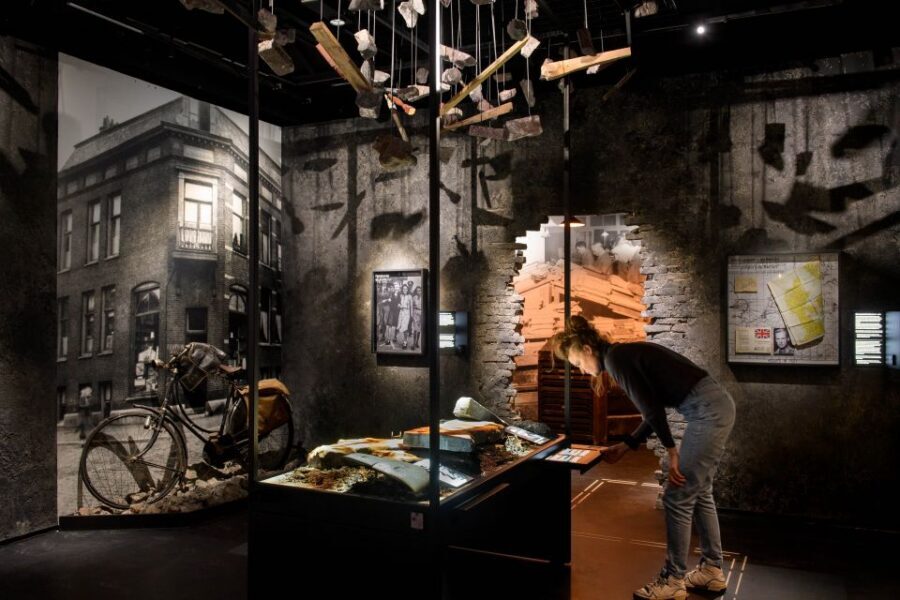
This museum’s core theme is resistance during Nazi occupation in the Netherlands. You’ll see that resistance wasn’t only armed fighting. It included strikes, forging documents, helping people go into hiding, spreading underground newspapers, building escape routes, and running espionage networks.
The way the exhibition is organized makes it easier to keep multiple threads in your head. You’re not only learning what people did. You’re also learning why they did it—because they believed, because they feared, because they were trapped, because they had someone to protect.
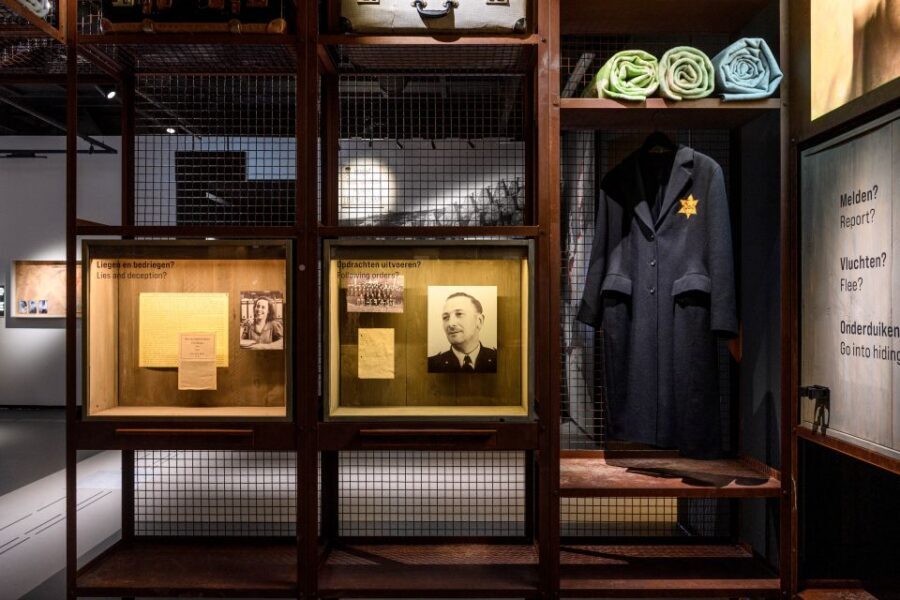
One of the most powerful parts is the museum’s attention to dilemmas. Moving documents and personal papers are used to show how individuals faced impossible decisions under occupation. That angle helps you understand collaboration too, not as cartoon villains, but as people making choices under pressure.
If you’re the type who likes context, you’ll appreciate that it doesn’t treat the war like a single straight timeline. It shows how resistance could look different depending on the moment and the risk level.
Your practical museum game plan (so you don’t miss the best bits)
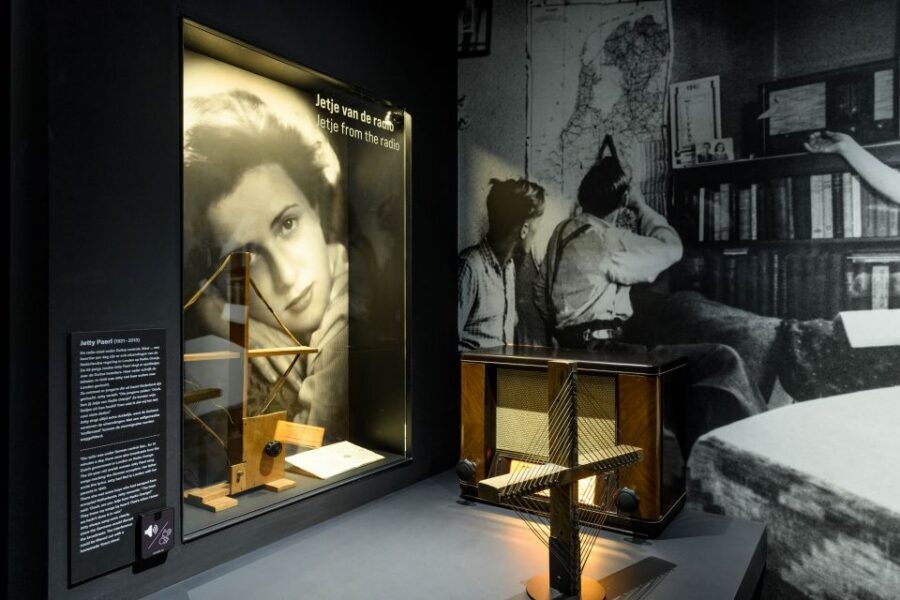
You’ll enter using your ticket and show it at the museum counter. After that, you’re free to follow the exhibition flow. Since this is a self-guided visit, your biggest job is pacing—listening enough to feel the stories, but not so much that you get fatigued before the best sections.
Here’s a simple strategy that works well for museums like this:
- Start with the sections that lay out the big picture of occupation and resistance methods.
- Then slow down for the personal documents and object-based displays.
- Save the dedicated overseas chapter (Dutch East Indies) for when you’re mentally ready for heavier material.
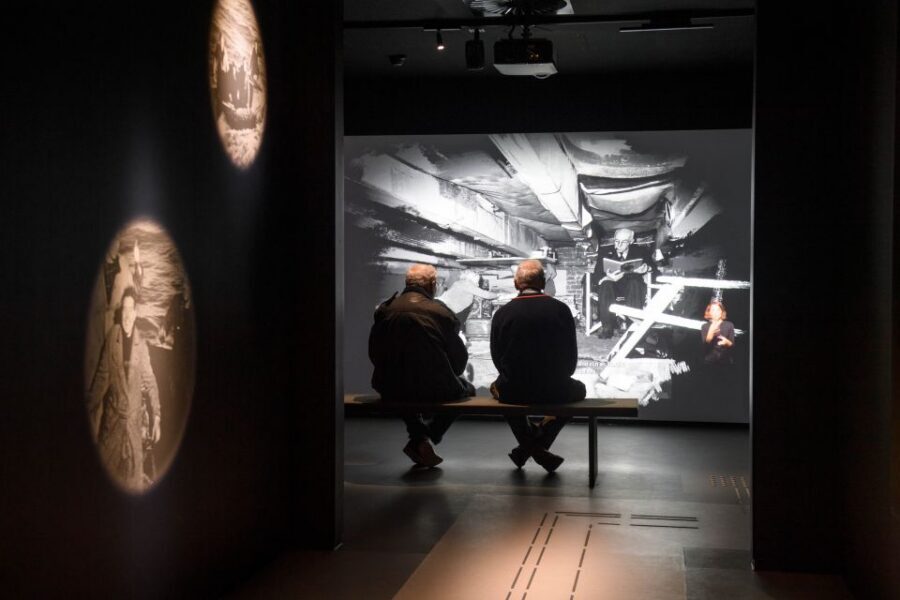
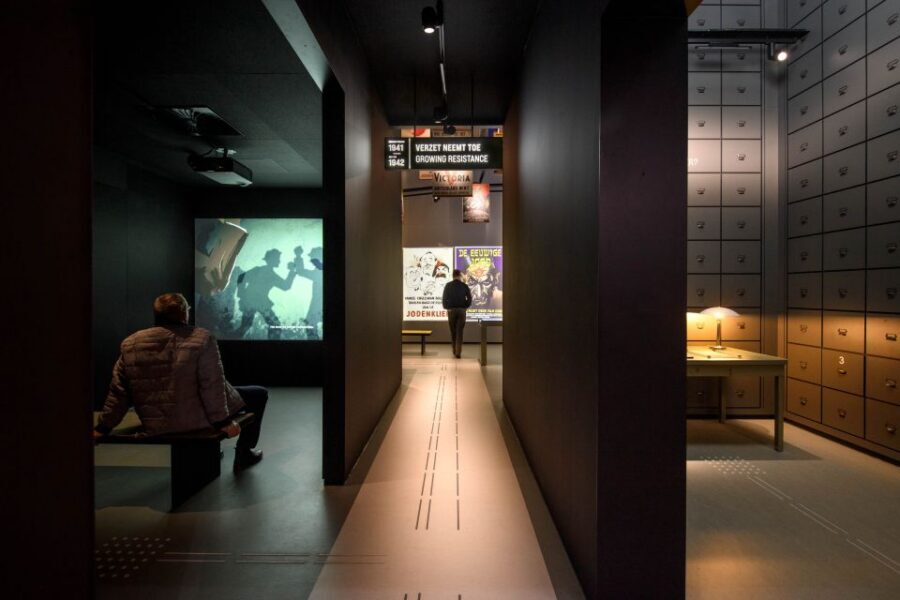
You’ll notice how the museum uses photos and display walls to recreate the feel of the war years. It’s one thing to read about that era. It’s another to see the visual density and the emotional weight in front of you.
Also, consider headphones and sitting moments. Even with self-paced audio, you’ll be standing and walking through a lot of content, so build in quiet breaks if you need them.
The audio guide: included, multi-language, and made for control
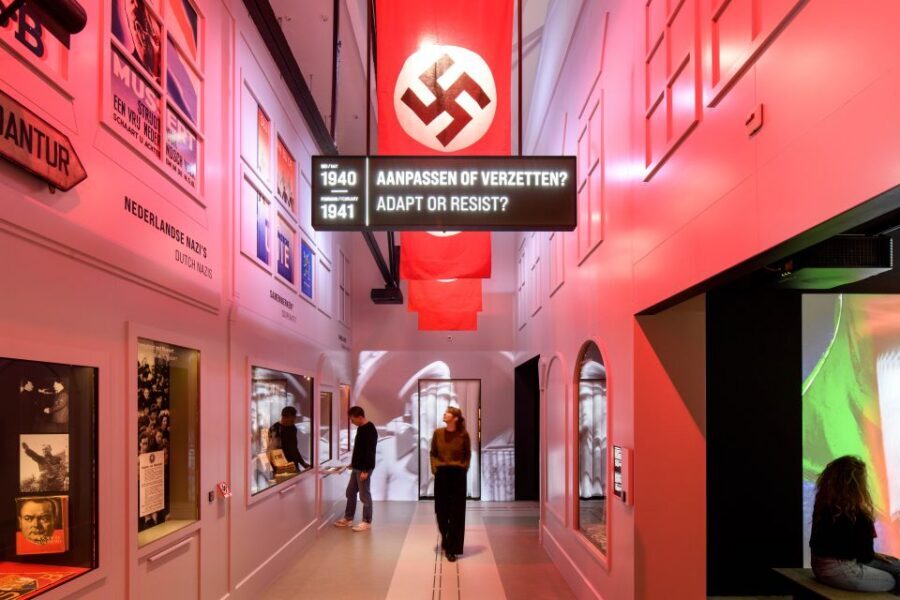
The ticket includes an audio guide, and it’s available in Dutch, English, French, German, Italian, Spanish, and Portuguese. That’s a big plus if your group has different language preferences, or if you’re traveling with someone who needs things in a specific language.
Many exhibits are paired with listening points. In practice, the system lets you choose what you want to hear at each station, instead of being forced into a single linear narrative. That flexibility is especially helpful in a museum covering multiple forms of resistance.
If you like to learn in your own rhythm, you’ll probably appreciate how the setup can let you pause, move on, and come back without losing your place. And if you’re with kids or teens, it’s easier to keep attention when you can skip sections that feel too long.
Walking through resistance: strikes, documents, hiding, newspapers
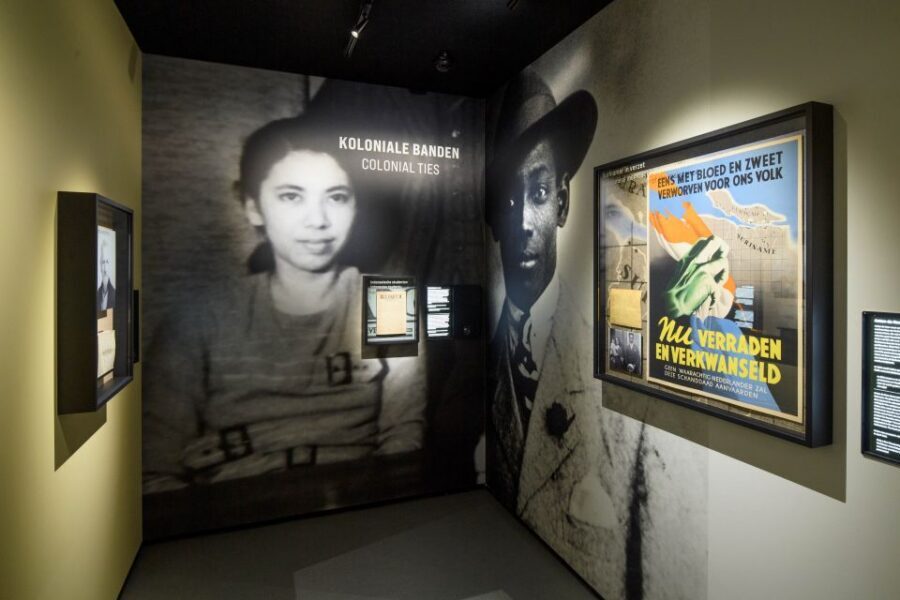
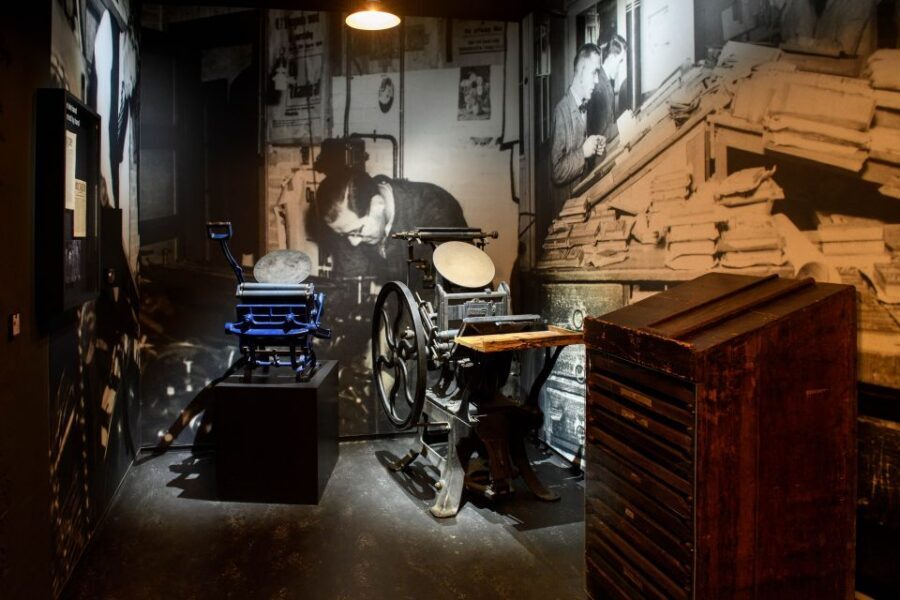
The exhibition covers multiple resistance activities, and you’ll see them presented as real efforts with real consequences. Strikes show resistance as disruption. Forging documents highlights bureaucratic warfare—paperwork that could mean life or death. Helping people hide demonstrates resistance as protection.
Underground newspapers and escape routes bring the “information fight” into focus. In occupied countries, getting messages out mattered. So did stopping the occupying power from controlling what people believed.
This section also helps you spot an important pattern: resistance wasn’t one personality trait. It was an ecosystem. Different people did different jobs—some visible, some quiet, many in ways that never made it into slogans.
That’s what makes it more than a WWII facts museum. It becomes a study in how societies function when the rules change overnight.
You can also read our reviews of more museum experiences in Amsterdam






Espionage and armed resistance: the risk gets very personal
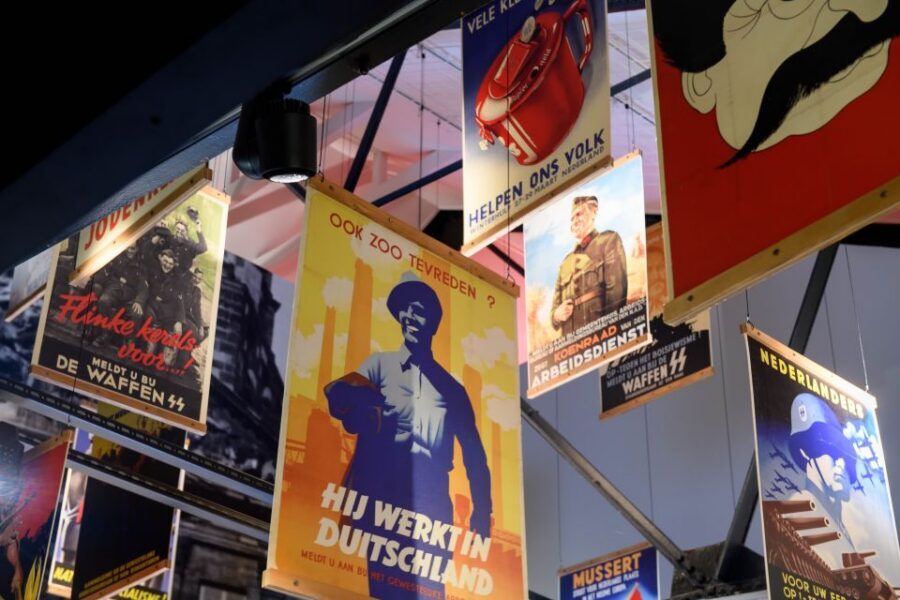
As the museum moves into higher-risk forms of resistance, you can feel the tension shift. Espionage and armed resistance are presented with the seriousness they deserve, but without turning the story into pure action.
The museum doesn’t only focus on what happened to resistance fighters. It also frames the occupation environment around fear, monitoring, and the constant threat of betrayal. That context matters because it explains why resistance methods looked the way they did.
If you’re sensitive to graphic or disturbing material, take it slow here. You can always step back, listen to a calmer audio segment, or give yourself a moment before continuing.
The museum’s balance is part of what makes it educational. It doesn’t treat violence as glamorous. It treats it as desperate, consequential, and costly.
Collaboration versus resistance: the museum doesn’t let you off easy
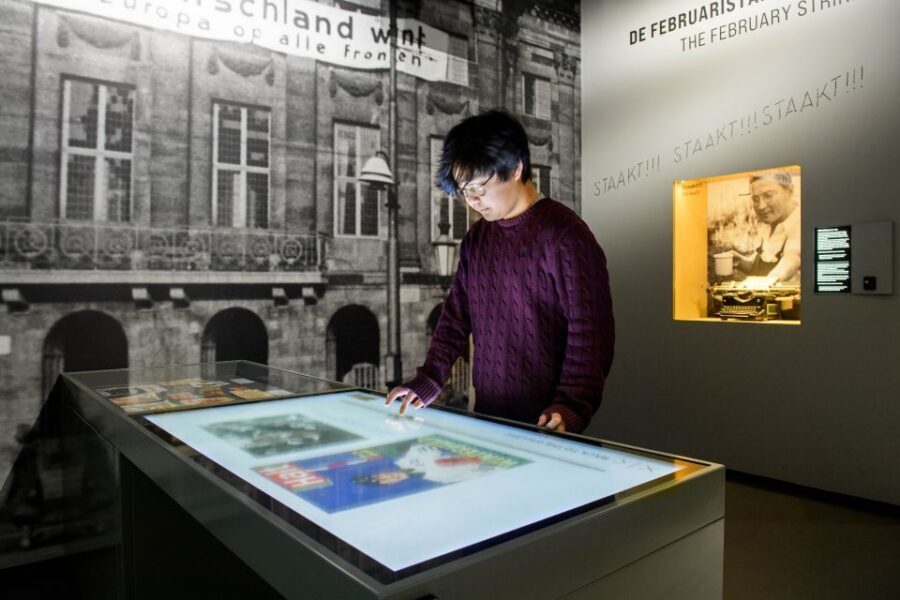
This is one of those places where you can’t just pick a side and move on. The exhibition explicitly brings up collaborators alongside resistance groups and victims.
That approach can be uncomfortable, but it’s also more honest. Under occupation, people often made choices based on survival, social pressure, ideology, or coercion. The museum shows that the period forced dilemmas onto everyday lives.
The museum uses personal documents to keep the focus on individuals, not just categories. Seeing names, papers, and the human scale of decision-making makes the moral questions feel immediate.
If you’re hoping for a purely uplifting story, you might not get that. But if you want to understand history as it really was, this section is essential.
The Dutch East Indies chapter: a second front of occupation
A major reason this museum feels bigger than many people expect is the dedicated section on the Dutch East Indies. You’ll learn about people from these regions and their experiences under Japanese terror.
That matters because WWII history can get Europe-locked in people’s minds. Here, you’re reminded that occupation and brutality were not confined to one geography. The museum connects these experiences as part of the broader wartime reality faced by Dutch-linked communities.
Even if you’re mainly interested in resistance in the Netherlands, I’d still treat this section as a required stop. It gives you a wider view of how empire, war, and terror affected everyday lives.
How to fit it into a day in Amsterdam (without rushing)
With a duration listed as 1 day, it’s easy to assume you can knock this out quickly. Don’t. In practice, you should plan a half-day to most of an afternoon.
If you’re pairing it with other Amsterdam sights, consider placing it earlier rather than later. The museum is emotionally heavy, and you’ll probably want time to reset afterward. Also, a tired brain makes audio harder to follow, and this is the type of museum where the details matter.
If you’re visiting as a couple or a group, the included audio guide helps with pacing differences. You can keep moving together while still choosing what to listen to more closely.
Accessibility and comfort: wheelchair accessible, with tech support
The experience is wheelchair accessible, which is a big practical win. The museum also uses audio tech and exhibit listening points, which can help you access the content without needing to read everything on walls.
If you have mobility limits, plan for more seating or shorter listening breaks. This is a self-guided museum, so you control the stops you make and how long you stay in each section.
For anyone who benefits from audio support, the multi-language audio guide can make a huge difference. It’s one less thing to worry about while you focus on the story.
Price and value: about $21 for a lot of serious material
At around $21 per person, this ticket is priced like a serious museum experience, not a quick attraction. The value comes from time and content. You’re not just buying entry to a room with panels—you’re getting a self-paced guided layer through the audioguide across a big set of themes.
If you compare it to guided tours that cost more but still keep you on a strict schedule, the included audio guide is a strong advantage. You get flexibility without paying extra for a live guide.
And because this museum covers many types of resistance and also reaches into the Dutch East Indies story, you’re paying for a wider lens on WWII-era occupation rather than a narrow slice.
Should you book this WWII Resistance Museum ticket?
Book it if you want a grounded look at resistance in the Netherlands—how ordinary people acted under impossible pressure—and you’re okay with an emotionally serious visit. I’d especially recommend it if you like learning through documents, photos, and personal stories rather than only through a broad lecture-style walkthrough.
Skip it only if you’re looking for a light, breezy museum. This one asks you to face how collaboration and resistance played out in real life, not just what history textbooks summarize.
If you can, set aside 2–3 hours and let the audio guide do its job. You’ll leave with a much sharper understanding of how occupation reshapes a society—day by day, choice by choice.
FAQ
Is the audio guide included with the ticket?
Yes. Your entry ticket includes an audioguide.
What languages are available for the audio guide?
The audio guide is available in Dutch, English, French, German, Italian, Spanish, and Portuguese.
How long should I plan to visit?
The visit is listed as 1 day, but in practice you should plan for a couple of hours to take in the stories and exhibit details.
Where do I go to use my ticket?
You’ll need to show your ticket(s) at the museum counter.
What does the museum cover?
It covers Dutch resistance during Nazi occupation, including strikes, document forging, helping people hide, underground newspapers, escape routes, armed resistance, and espionage. It also has a dedicated section on the Dutch East Indies and experiences under Japanese terror.
Is a guide provided as part of the ticket?
No. A guide is not included.
Is wheelchair access available?
Yes. The experience is wheelchair accessible.
Are food and drinks included?
No. Food and drinks are not included.
Can I cancel for a refund?
Yes. Free cancellation is available up to 24 hours in advance for a full refund.
Is there a reserve-and-pay-later option?
Yes. You can reserve now & pay later, keeping your travel plans flexible.