REVIEW · AMSTERDAM
Amsterdam: ARTIS Royal Zoo and ARTIS Groote Museum Ticket
Book on GetYourGuide →Operated by ARTIS · Bookable on GetYourGuide
Amsterdam’s canal-side zoo feels like a time machine. ARTIS Amsterdam Royal Zoo sits right in the city, on a canal, and it’s known as the oldest zoo in the Netherlands. You’ll pair that with ARTIS-Groote Museum, Amsterdam’s interactive nature museum, where the focus is how humans fit into the living world.
I love two things most about this day. First, the zoo’s elephant moments are genuinely special, including newborn elephant calves and the mission-style Elephant Expedition. Second, the museum doesn’t treat nature like a textbook; it gets you using your senses at the ARTIS-Groote Museum (touch, smell, listen, observe).
One thing to watch: you’ll want to plan your time. The zoo has a lot to see, and the museum is interactive enough that it can steal time from animal viewing, especially if you add shows or holiday activities.
In This Review
- Key highlights to plan around
- A one-day combo that links animals and nature science
- ARTIS Groote Museum first: interactive nature on the Artisplein
- Royal Zoo time: canal-side strolls and a classic Dutch setting
- Elephant Expedition: the baby-calf highlight you can actually plan for
- Madagascar on Kerbertterras: lemurs, turtles, and a changed landscape
- After the mammals: otters, pandas, and the quieter animal moments
- Planetarium included: a space break between animals
- When the zoo gets calm: after-hour walking time
- Price and value: how $55 makes sense for a full day
- Timing that works: from museum senses to zoo animal time
- Should you book this ARTIS combo ticket?
Key highlights to plan around
- One of the Netherlands’ oldest zoos, right in central Amsterdam on the canal
- Elephant Expedition plus elephant “code” style activities that work well for families
- New calf births: you can catch elephant calves playing outside during your visit
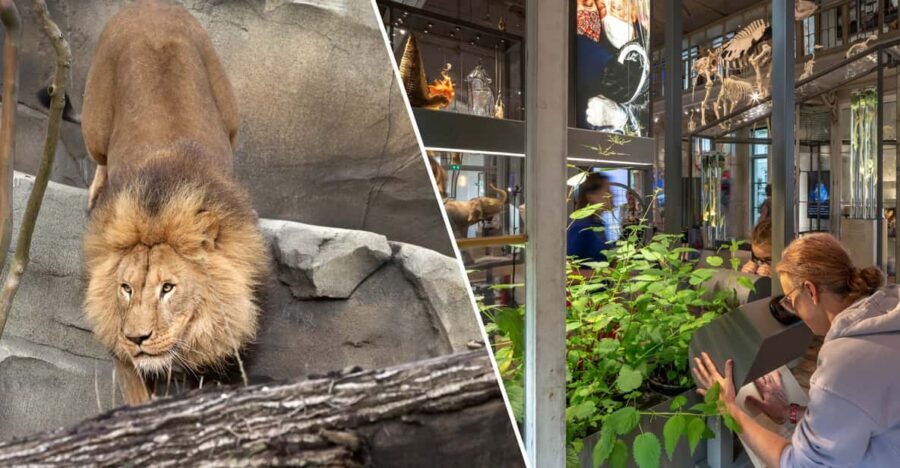
- Madagascar at Kerbertterras with ring-tailed lemurs, red ruffed lemurs, and turtles
- Planetarium included with zoo admission for a space-time break
- Hands-on nature learning at ARTIS-Groote Museum, including Tanja: Up Close
A one-day combo that links animals and nature science

This ticket is built around a smart idea: animals aren’t just scenery. At ARTIS Amsterdam Royal Zoo, you’ll watch animals behave in habitats that feel thought-through. Then at ARTIS-Groote Museum, the museum helps you connect those animals to the bigger system—humans, plants, and microbes all tangled together.
The pairing makes sense for a day trip inside Amsterdam, because you’re not bouncing between random attractions. You stay in one neighborhood (Artisplein area) and move from living animals to the science of living systems. If you’re traveling with kids, this kind of learning-by-doing tends to keep energy levels steady.
It also works if you’re a solo adult who just wants good quality animal time. The zoo is historic and scenic, but it’s still active and focused on current exhibit experiences—like the elephant births and the Madagascar update.
You can also read our reviews of more tours and experiences in Amsterdam



ARTIS Groote Museum first: interactive nature on the Artisplein
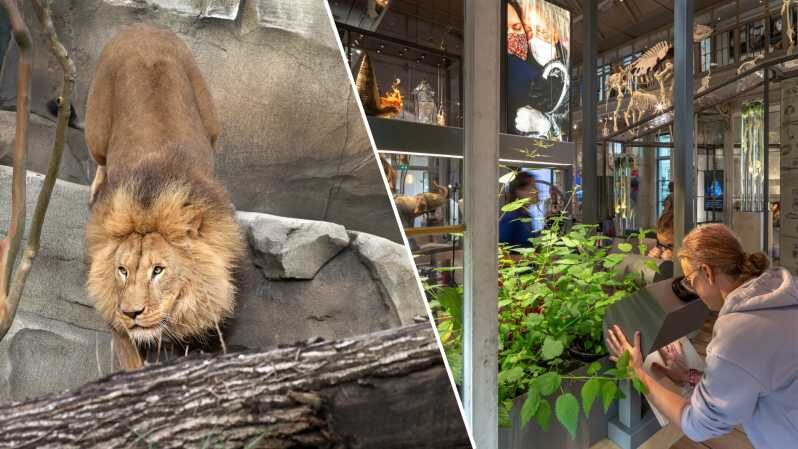
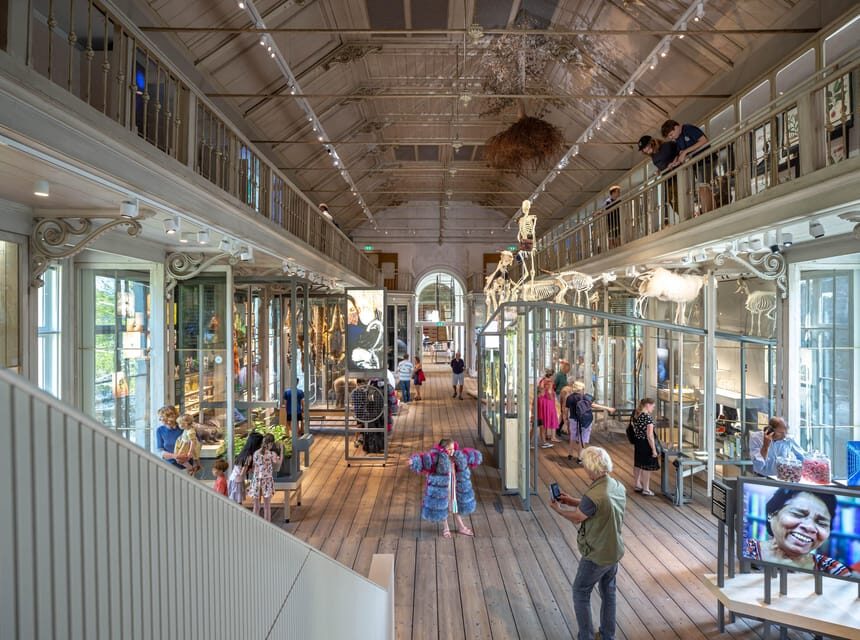
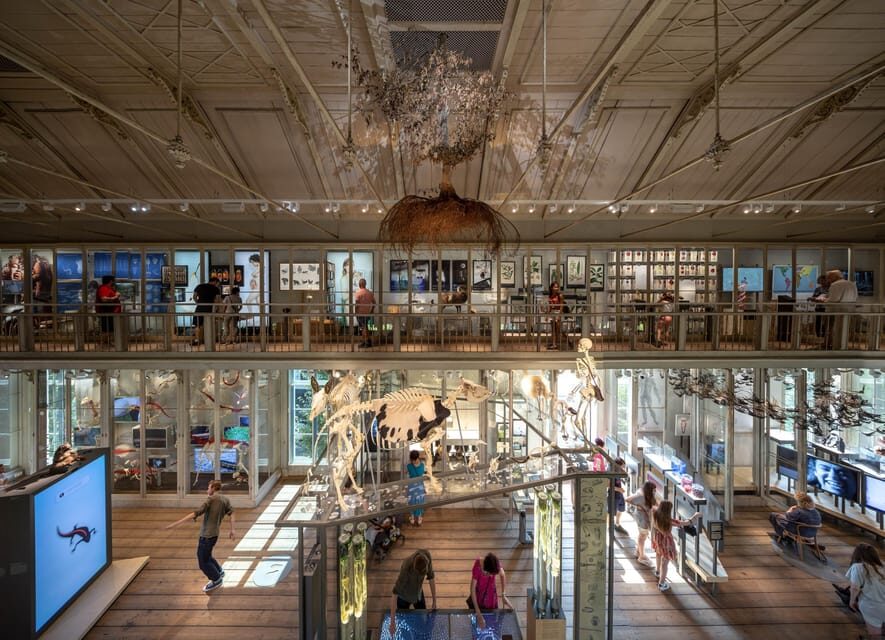
Start at ARTIS-Groote Museum (that’s the meeting point). This museum is designed for interaction, not passive looking. You’re encouraged to use multiple senses—touching, smelling, listening, and observing—to understand how natural life connects.
One of the stand-out themes is ecosystems. You’ll learn how humans, animals, plants, and even microbes work together as one connected system. It’s not abstract. The museum pushes you to notice parallels—similarities in how different life forms function and how you fit into the web.
There’s also a featured exhibition: Tanja: Up Close. It’s about Amsterdam’s most famous hippopotamus, and it’s presented as a close-up, experience-driven way to learn about an animal rather than just reading facts. If you like nature content that has a personality, this is a strong anchor for your day.
The museum claims about 1,000 large and small examples of nature. Even if you don’t count them (please don’t), you’ll feel that range. It’s set up so you can move at your own pace—slow with the interactive parts, faster when you’re done.
Practical tip: the museum hours are daily from 10 a.m. to 5 p.m., and it stays open later on Thursdays until 10 p.m. If you’re trying to fit both zoo + museum without stress, aim to reach the museum early so the zoo doesn’t feel rushed.
Royal Zoo time: canal-side strolls and a classic Dutch setting

ARTIS Amsterdam Royal Zoo is a top pick for people who like their sightseeing with a sense of place. It’s located about 10 minutes from the city center, and it sits directly along a canal. Even before you get to the animals, the setting helps. You’re walking through grounds that feel established, with historic monuments and flower gardens.
This zoo is also special because it’s one of the five oldest zoos in the world. That matters more than you’d think. Older zoos usually have a better sense of layout for long walks. Paths don’t feel like they’re trying to move you like shoppers in a mall.
You’ll see big and showy animals, but you’ll also notice how the zoo updates its enclosures. The day I’d plan for this ticket is a “wander and pause” day: walk a loop, stop for the animals that are most active, then come back when the quieter areas catch up.
Hours depend on the season. Between March 1 and October 31, it opens 9 a.m. to 6 p.m. From November 1 to February 28, it’s 9 a.m. to 5 p.m. So you’ll either get a longer evening window in summer months, or a tighter schedule in winter.
Also, it’s a smoke-free park, so you won’t be dodging smoke while you’re trying to enjoy the gardens and views.
Elephant Expedition: the baby-calf highlight you can actually plan for
The elephant section is the headliner. The zoo experience includes elephant calves that were born this winter, and you can often catch newborn elephant calves playing outside. That’s not just a cute detail. It changes how you experience the zoo, because you’ll likely spend more time near the elephant areas, watching behavior and timing.
The zoo also runs something called the Elephant Expedition. Think of it like a set of activities that guide you through elephant facts and small challenges. You’ll follow foot trails, learn fascinating details, and take part in an elephant “code” style activity. If you enjoy structured learning (even light structured learning), this is a great way to stop wandering aimlessly.
During spring holiday, children can even craft their own elephant enclosure. That’s a nice bonus if your timing lines up with school breaks.
One key consideration: elephant areas can draw focus, which means you might naturally spend longer here than you planned. That’s not a bad problem, but it affects your time elsewhere. If you want to see everything, protect at least half your day for the rest of the zoo after the elephant zone.
If you’re traveling with kids, this is the part of the day that usually turns a zoo visit into something that feels like an adventure.
Madagascar on Kerbertterras: lemurs, turtles, and a changed landscape

After the elephant zone, shift your mindset from “big wow” to “small drama.” The renewed Kerbertterras (formerly the lion’s enclosure) takes you to Madagascar. The animal lineup here is designed to feel cohesive—different types of creatures sharing a living story.
You can see ring-tailed lemurs, red ruffed lemurs, and turtles in this Madagascar setting. Even if you’re not a super-lemur fanatic, this grouping gives you an easy reason to slow down. Lemurs are active and social, while turtles are calmer, which helps you pace your day.
This part of the zoo is also a good example of why the combo ticket works. Your museum time helped you think about ecosystems and living connections. Here, you see how different animals occupy the space and how behavior differs across species.
And because this enclosure sits in a place that used to be something else (lion’s enclosure), you’re also getting that sense of change over time. It’s not only old buildings and classic zoo planning—it’s also active renovation.
You can also read our reviews of more museum experiences in Amsterdam






After the mammals: otters, pandas, and the quieter animal moments
Once you’ve gotten your big-animal energy, the zoo can shift into a more relaxed gear. You’ll find the new enclosure for Asian small-clawed otters located next to the red panda habitat. That’s a smart pairing for animal watchers, because both of these species often reward patience: watch how they move, how they use their space, and how they react to visitors.
You might not get the same instant spectacle as elephants, but that’s the point. If you’re spending a full day, the best viewing strategy is balance: one or two “must-see” anchors, then a sequence of areas that let you rest your feet and reset your attention.
The otters and red panda area is also a good place to take a breather if you’ve spent time doing the elephant activities. You’ll come out feeling like you covered a range, not just one theme park lane.
Planetarium included: a space break between animals

One of the easiest ways to make this day feel complete is the Planetarium, which is included with your zoo admission. You’ll get a journey through space—stars, planets, and a bigger look at your place in the universe.
This is a smart add-on because it gives your eyes and legs a rest. Zoo fatigue is real. Even if you don’t want to sit for long, a planetarium session can reset your mood. It also ties nicely back to the museum’s nature-and-system themes. Different theme, same idea: everything connects.
If you’re trying to keep your day smooth, use the planetarium as a mid-day or late-day checkpoint when you’re not sure which animal areas will be most active at that moment.
When the zoo gets calm: after-hour walking time

There’s also an after-hour walk through the park described as a way to experience a remarkable calm while discovering which animals become active at night.
I like this idea for two reasons. First, it’s a totally different vibe than daytime zoo viewing. Second, it rewards you for slowing down instead of treating the zoo like a checklist.
Just don’t build your whole schedule around it unless you know it fits your visit day. If it lines up, it’s a thoughtful way to end the experience.
Price and value: how $55 makes sense for a full day

The combo ticket is priced around $55 per person for a 1-day experience. On paper, that might sound like a lot—until you look at what you actually get.
You’re paying for:
- ARTIS Amsterdam Royal Zoo (including the Planetarium)
- ARTIS-Groote Museum (interactive nature learning)
That’s not two separate attractions. It’s one connected theme: living animals plus the science of living systems.
Value gets even better if you’re traveling with kids. At the zoo, infants age 0–2 enter for free. At the museum, children age 0–12 enter for free. If that’s your situation, this ticket can turn into an excellent bargain compared to paying full price for separate attractions.
A practical note: this is a “stay in one zone” day. That saves time and energy compared to trying to hop between far-flung sights around Amsterdam.
If you want good value, treat the day like a real plan: start at the museum, then give yourself enough time at the zoo to see elephants and at least a couple other themed areas without rushing.
Timing that works: from museum senses to zoo animal time
Here’s the flow that usually feels easiest. Start at ARTIS-Groote Museum first, while your brain is still fresh for interactive learning. Then move into ARTIS Amsterdam Royal Zoo when you’re ready for a longer walk and animal viewing.
Keep an eye on opening hours:
- Museum: 10 a.m. to 5 p.m. daily, and Thursdays until 10 p.m.
- Zoo: 9 a.m. to 5 p.m. in colder months, 9 a.m. to 6 p.m. in warmer months
If you’re visiting when the zoo closes earlier (winter months), aim for more museum time early and prioritize elephants and Planetarium before late-afternoon.
If you’re visiting when the zoo stays open longer (summer months), you can afford to linger with the museum interactions and still comfortably cover the zoo.
Also, the zoo provides wheelchairs, and the museum is wheelchair accessible. If mobility is part of your planning, this combo is a relief because you’re not juggling multiple distant venues.
Should you book this ARTIS combo ticket?
If you want a high-quality Amsterdam day that blends animal viewing with real nature learning, I’d book it. The zoo’s biggest praise point is that it feels well organized and you get a great variety of animals across habitats. The museum side is also a strong match for families because it’s interactive, not just educational signage.
Skip this combo only if you’re the type of traveler who hates walking and hates planning time blocks. The elephant area alone can pull you in, and then the museum invites “just one more thing” thinking. If you have limited energy, you might prefer only one location.
If you’re on the fence, here’s the simplest decision rule: if seeing elephants, lemurs, and a hands-on nature museum sounds like your kind of day, this ticket fits beautifully.